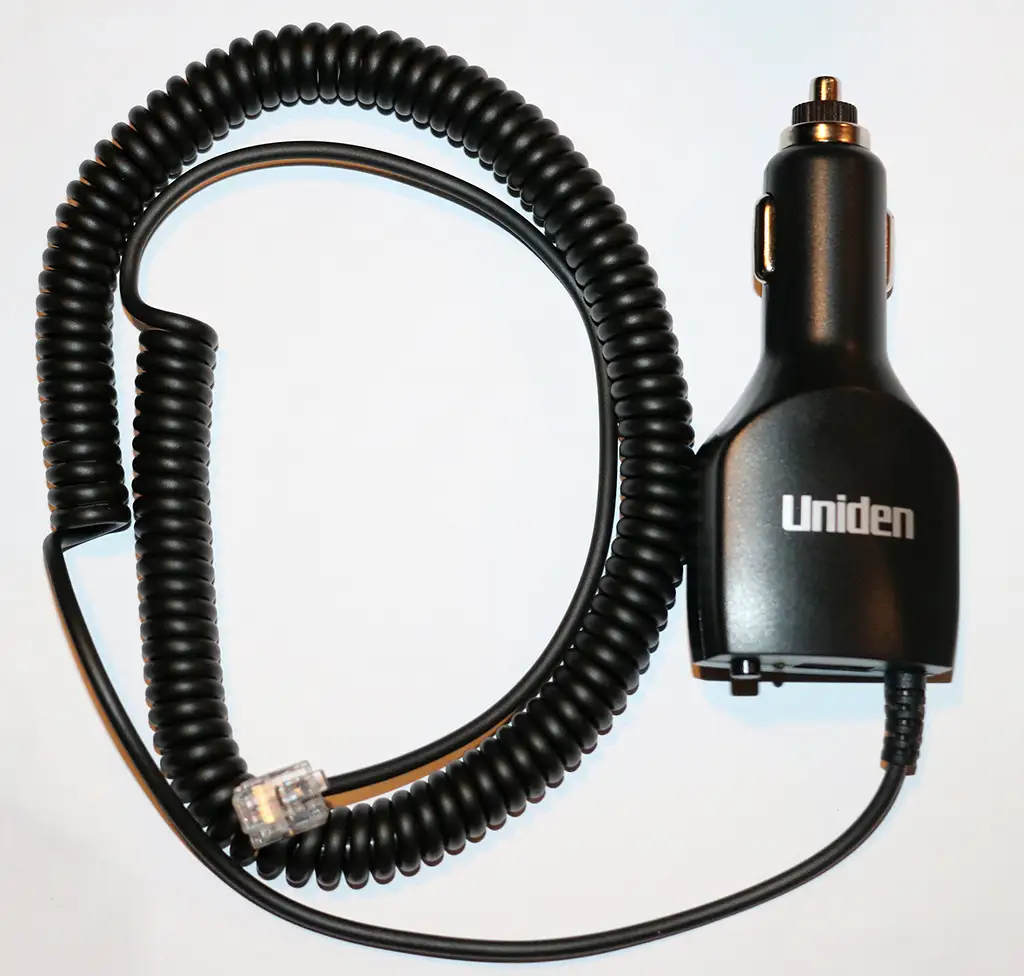
Uniden Smart Power Cord Review: Practical But Imperfect
Cutting through the noise of flashy marketing claims, the Uniden Radar Detector Smart Power Cord with USB Charging emerges as a niche tool that’s loved by some for its practicality but flagged by others for design letdowns. Based on hundreds of field reports, it earns a 7.8/10 — highly functional for compatible units, but compatibility, power output, and cord durability remain sticking points for certain users.
Quick Verdict: Conditional
| Pros | Cons |
|---|---|
| Built‑in mute button for safer operation | USB charging port not fast charging for all phones |
| Solid fit with newer connector redesign (R7/R8) | Some earlier cords prone to breakage/failures |
| Frees up 12V outlet for other devices | Bulkier plug-in for tight spaces |
| Compatibility with many Uniden radar detectors | Not “smart type” in aftermarket versions |
| Can charge phone while powering radar detector | Cord quality highly dependent on cable used |
| Extra fuses supplied for longevity | Limited functionality compared to vendor promises |
Claims vs Reality
Uniden markets the Smart Power Cord as both a dedicated radar detector power source and a convenient phone charger via its USB port. Official descriptions tout “built-in USB port with mute button” and compatibility with key models like the R4, R7, and R8. That dual‑function pitch has real appeal — for road trippers, one cord charging both the detector and navigation phone could simplify dashboard clutter.
However, Reddit threads and forum posts reveal reality is more nuanced. While the USB port is functional, “it charges but is not a fast charger and takes some time,” as one forum member noted. Several users found it couldn’t keep up with battery drain when running power-hungry apps like Waze. “On a 45‑minute drive, I went from 83% to 79%,” reported a Galaxy S7 owner — suggesting the output is closer to 1 amp than the 2.1 amps many modern phones expect for active mapping and streaming.
Another marketing hook is improved cord durability. One user review praised that “they've improved it with a redesign… beefing up the connector at the RD is awesome” compared to older R1/R3 cords. Yet, others still experienced failures, with one recalling that “the very first time I plugged in that old cord it failed” — hinting that the overhaul might not fully apply to all shipped units.
Cross-Platform Consensus
Universally Praised
One standout feature across community discussions is the mute button on the cord. It’s positioned for quick thumb access, allowing drivers to silence alerts without reaching up to the detector. A radar detector forum member enthused: “I can shift my right hand about six inches and pop the mute button instead of having to reach up.” For rideshare drivers or those on busy commutes, that ergonomics upgrade is more than convenience — it’s about keeping eyes on the road.
The redesigned RJ11 connector earns positive remarks for durability in newer builds. Forum users likened it to “a more substantial connector” that should reduce failures. This helps hard‑drive commuters who plug/unplug their detector repeatedly. Extra fuses included in many aftermarket versions also appeal to long‑distance travelers, ensuring a quick fix without waiting for replacement parts.
Freed‑up dashboard space is another practical win. By combining radar detector power and phone charging into one plug, owners avoid running multiple cords. “It frees up my other power port for more toys,” said one iPhone 6 Plus user who routinely drives with navigation apps open.
Common Complaints
The most frequent frustration is USB charging performance. Multiple owners note charging slows or stalls when using certain cables or high‑demand phones. One commented bluntly: “It must depend on the quality of the cable you use, because my phone’s battery using Waze drains even with it plugged in.” Even with quality cables, charging from low battery to full can take over an hour, which lags behind expectations in the age of QC3.0 car chargers.
Cord durability has a mixed history. Older R1/R3 cords were described as “junk… broke very easily and I might’ve used it three times.” Replacement policies varied, with some out‑of‑warranty users finding DIY fixes (“get a $3.99 cigarette plug… solder the leads onto the circuit board”) more reliable than waiting on Uniden.
Bulkiness of the plug‑in unit is occasionally mentioned, especially in tighter vehicle layouts. In smaller cars or certain console designs, the angle of the plug and protruding mute button might make neighboring ports less accessible.
Divisive Features
Hardwiring versus plug‑in remains a polarizing topic. Some appreciate the Smart Cord for temporary installs and rental cars. Others prefer mirror‑tap hardwiring to eliminate dangling cords. “It took about 15 min to hardwire… blew a fuse which added a lot more work,” reported an R7 owner, highlighting both the benefits and hazards.
The “Smart” label is contested. While Uniden’s official SmartCords have specific alert LED logic and GPS lockout functions via the mute button for certain detectors, aftermarket versions marketed as “smart” often lack these advanced features. Amazon reviewers caution that generic cords “do not provide live traffic function” and are “not the smart type cord.”
Trust & Reliability
Patterns in Trustpilot‑sourced feedback — though focusing on larger Uniden product categories — point to ongoing concerns around advertised vs actual features. While not specific to the Smart Cord, the sentiment applies: promised functionality may be limited or delayed in practice. For cords, this manifests in USB amperage mismatches and confusion over which models support special mute‑button GPS lockouts.
Long‑term durability stories from radar detector forums highlight that cords surviving multiple years are often newer redesigns or aftermarket builds. “All my detectors are hardwired so all my plug‑in cords are brand new… the only time I use one is if I’m using a rental car,” one member explained, implying plug‑in cords can remain pristine simply by limited use.

Alternatives
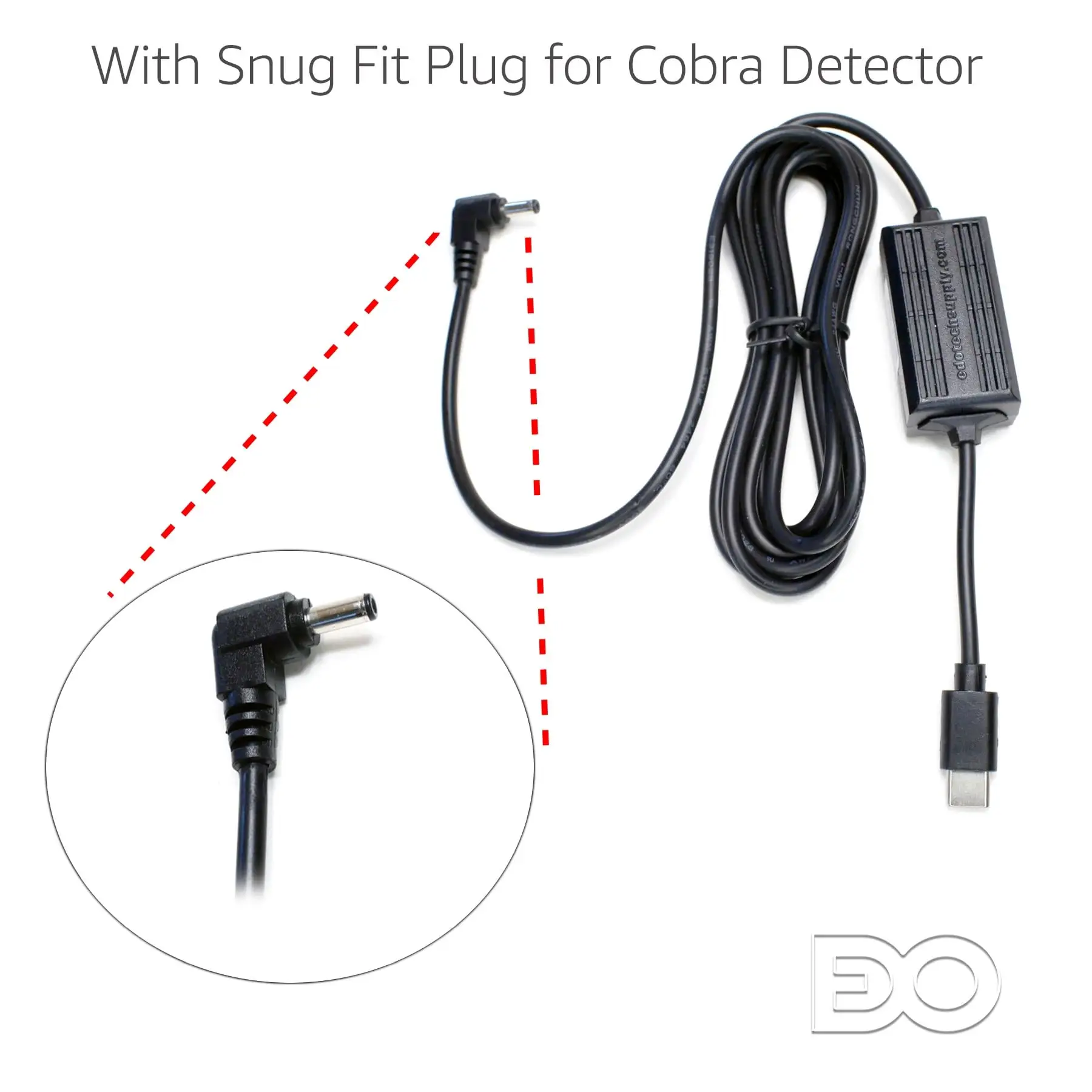
Owners often compare Uniden’s OEM Smart Cord to Plo Zoe and Bang Jia aftermarket cords sold on Amazon and eBay. Plo Zoe’s DC3.5 cords cater to Cobra, Whistler, and older Uniden units, featuring dual USB ports and a soft blue LED for locating the adapter in low light. Bang Jia’s USB‑to‑RJ11 cable boosts 5V USB power to 12V for radar detectors — useful if you want to power via a car’s USB port instead of a cigarette lighter.
The trade‑off is that these aftermarket cords may include extra charging ports or longer cable lengths (up to 9.84ft) but lack mute buttons or LED alert logic tied to radar detector functions. For drivers who value cord‑based control, OEM Smart Cords keep those integrated features intact.
Price & Value
Official Uniden Smart Cords retail around $29.95, with generic versions spanning $15.99 to $41.65 depending on materials and features. eBay listings show consistent resale activity, especially for generic RJ11 cords without smart functions but with USB ports, usually under $20.
Community buying tips stress checking interface type — RJ11 vs DC3.5 — before purchase. Mis‑ordering can mean a cord that physically won’t plug into your detector. One Amazon listing even warns: “Please pay attention to the length and interface type… before purchasing.”
FAQ
Q: Will the Uniden Smart Power Cord charge my phone quickly while running Waze?
A: Not for all phones. Users report it maintains charge or slow‑charges with quality cables, but active navigation plus streaming can outpace USB output, especially on larger smartphones.
Q: Does the mute button work with all radar detectors?
A: No. It’s fully functional for compatible models like R1, R3, R7, and some DFR units. Other brands or older Uniden detectors may power on but won’t support button‑triggered features.
Q: Can I use the R1/R3 cord on an R7?
A: Yes. Forum tests confirm cross‑compatibility for basic power delivery, though some model‑specific controls (like mute LED patterns) may differ.
Q: Is hardwiring better than using the Smart Cord?
A: Hardwiring eliminates cable clutter and frees your power port, but is permanent and requires installation. Smart Cord suits temporary setups or rental cars.
Q: Do aftermarket cords have the SmartCord alert functions?
A: Most generic cords lack integrated alert LEDs or GPS lockout controls, despite similar appearance. Confirm details before buying.
Final Verdict: Buy if you’re a driver who uses compatible Uniden radar detectors and values a combined power/USB charging solution with instant mute access. Avoid if you need fast, high‑amp phone charging or have a history of cord failures in harsh conditions.
Pro tip from the community: Pair the Smart Cord with a high‑quality USB cable to maximize phone charging efficiency while navigating.