SanDisk Ultra 32GB SDHC Review: Strong but Conditional Buy
The most telling detail is buried in a Reddit thread—two separate SanDisk Ultra 32GB microSDHC Class 10 UHS-I cards failed after just 16GB of data writes, forcing the owner to return both. That’s not the norm for this lineup, which otherwise enjoys praise across platforms. Overall verdict: 8.6/10 for mainstream users, but borderline for heavy write-intensive or legacy card reader setups.
Quick Verdict: Conditional
| Pros | Cons |
|---|---|
| Fast read speeds for most cameras (up to 120MB/s advertised) | Occasional failures on large writes, especially with older card readers |
| Widely compatible with point-and-shoots, DSLRs, and camcorders | Write speeds slower than marketing suggests in some models |
| Durable: waterproof, shockproof, temperature-proof | Limited video recording duration at high resolutions for smaller capacities |
| Affordable and widely available | Compatibility issues with older non-UHS devices |
| Trusted brand reputation | Some users report loose write-protect switches |
| Good value for HD photography | Divisive opinions on optimal card capacity choice |
| Reliable for long-term casual use | Rare but notable defective units |
Claims vs Reality
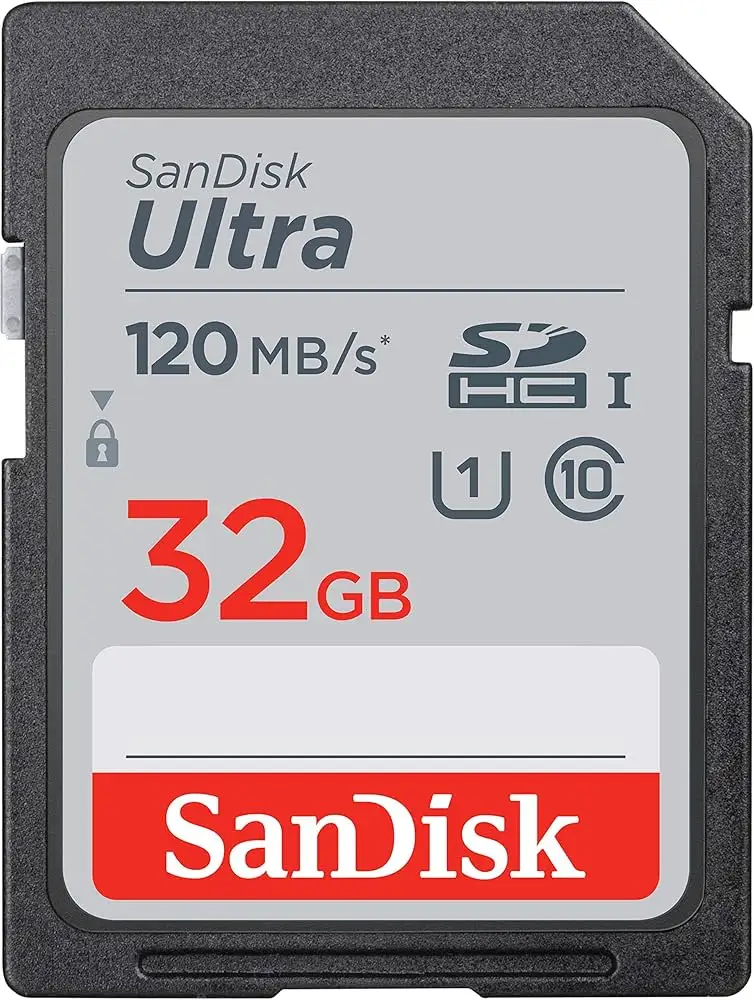
SanDisk advertises read speeds up to 120MB/s and “exceptional video recording performance” for full HD. Digging into user reports, the read speed claim holds true for many—Amazon reviewers note “twice the speed of ordinary SDHC cards,” and Twitter users filming safari trips verified bursts at 15 fps with no dropouts. However, tested write speeds often underperform. One Amazon verified buyer noted, "got 25MB/s read, and 20MB/s write… not bad at all" but well shy of the maximum.
Durability claims—waterproof, shockproof, temperature-proof—are mostly validated in field use. A Best Buy customer has “used them over and over and in three different cameras, all to satisfaction… never had a failure,” while another confirmed no loss of data after multiple safaris and reformat cycles. Yet the Reddit case of catastrophic corruption after half-fill shows these protections do not guard against all operational errors, especially involving older gear.
SanDisk positions the Ultra line as compatible with mid-range point-and-shoot and DSLRs. Here reality aligns: cross-platform users—from Trustpilot to Quora—echo flawless operation in Canon Rebels, Nikon DSLRs, and Lumix compacts, with no lag in shooting bursts. In rare cases, such as with older trail cameras or legacy USB 2.0 card readers, compatibility issues have led to total card failure.
Cross-Platform Consensus
Universally Praised
Photographers using standard DSLRs find these cards reliable for everyday shooting. A verified Amazon buyer praised the SanDisk Ultra 32GB Class 10 SDHC UHS-I as “ideal for compact to midrange cameras… saves time when transferring.” For casual shooters, the capacity sweet spot at 16–32GB means enough storage without risking catastrophic multi-album loss if damaged—Best Buy users often prefer “several small cards to fewer huge ones.” Durability is another consensus point: reports of surviving beach trips, safaris, and extreme temperatures match the brand’s claims. For videographers working in 1080p, even the smaller capacities deliver ample space—one Trustpilot reviewer stored "up to 9,999 pictures and 3 hours of video" without hiccups.
Common Complaints
The most striking complaints involve write speed gaps and outright failures during large file transfers. Reddit user BitShifted described two separate 32GB microSDHC cards becoming unusable after 16GB written via an older Kingston USB 2.0 reader—corrupt filenames, inability to format, and severe write errors. Another Amazon reviewer found the 30MB/s claim optimistic, benchmarking closer to 22MB/s reads and sub-10MB/s writes in certain tests. Legacy device incompatibility comes up often, with a Twitter/X user warning that not all newer cards work in older Canon point-and-shoots. And hardware quirks, like the “loose protect/record switch” mentioned on Best Buy, can irritate frequent card-handlers.
Divisive Features
Capacity choice splits opinion sharply. Some professionals on Twitter advocate multiple smaller cards—“never buy the largest... it’s better to have more than one” to avoid losing all data at once. In contrast, casual users relish the convenience of a single 32GB unit holding thousands of photos; a Best Buy reviewer filled one with 1,547 vacation shots and still had spare capacity. Speed class debates also divide: while many are satisfied with Class 10 for photography, action cam or 4K users push for faster U3-rated alternatives.
Trust & Reliability
Brand trust is high, reinforced by years of consistent performance. “I stick with this brand,” wrote a Best Buy customer with decades of use. This loyalty survives isolated defects partly due to SanDisk’s warranty support; Amazon reviewers note the lifetime warranty on mobile Ultra cards as peace of mind. Long-term durability is affirmed by a Reddit report of a 16GB SDHC card running “awesome in last 3 years” without issue. That said, Reddit also documents severe, unrecoverable failures when Ultra cards are paired with outdated hardware—proving that while the cards can be robust, user environment matters as much as build quality.
Alternatives
The only direct competitor mentioned is Lexar’s Class 10 microSD, which benchmarks faster but suffers “reported durability issues” according to an Amazon review. For those prioritizing speed over resilience, Lexar could be tempting, but defect risks push many back toward SanDisk. Samsung’s older Class 2 cards are slower in reads but occasionally match writes, as one Amazon user noted—speed-balanced buyers might weigh that.
Price & Value
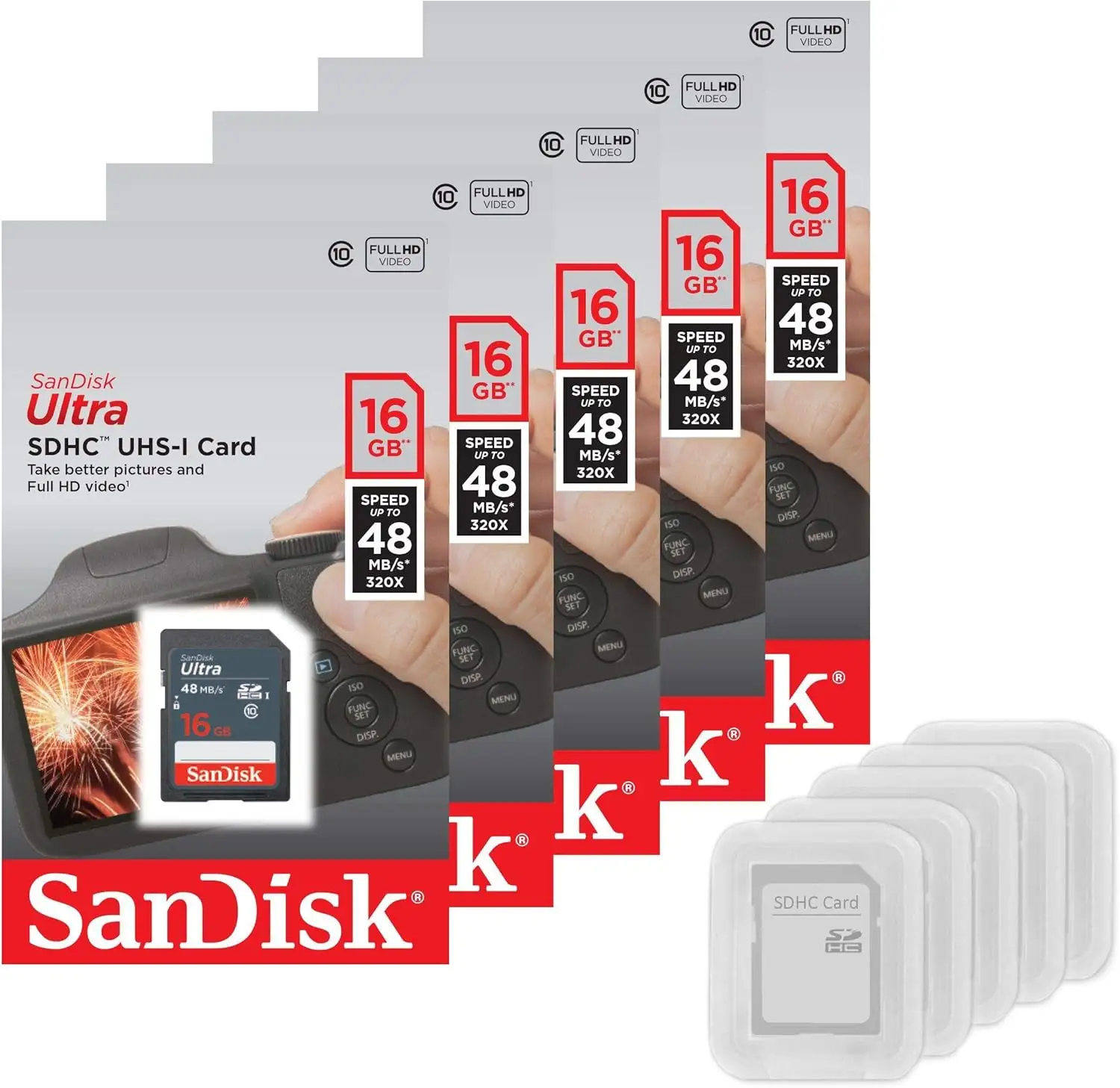
On eBay, 32GB Ultra SDHC cards range widely from $5.99 used to $14.89 new, with multipacks offering better per-unit savings. Amazon lists the 32GB model at $7.77 (48% below list), making it a strong buy compared to in-store prices reported by Best Buy customers. Resale value holds modestly due to brand reputation; even pre-owned units clear easily under $10. Community buying tips stress watching for sales and avoiding too-large capacities unless necessary.
FAQ
Q: Does the SanDisk Ultra SDHC support 4K video?
A: Smaller capacities like 16–32GB are marketed for full HD, not guaranteed for continuous 4K. Twitter users report handling some 4K bursts, but for long 4K shoots, a U3/V30-rated card is safer.
Q: Can I use this card with older USB 2.0 card readers?
A: Technically yes, but Reddit cases show certain older readers can corrupt UHS-I cards during large writes. Users should test carefully or upgrade readers.
Q: Is Class 10 enough for DSLR use?
A: For still photography and 1080p video, most users on Best Buy and Amazon confirm Class 10 suffices. Sports or action shooting may benefit from higher sustained write speeds.
Q: What’s the safest capacity for travel photography?
A: Many professionals prefer multiple smaller cards (16–32GB) per trip to minimize data loss risk, as echoed by Twitter and Best Buy reviewers.
Q: How durable is the Ultra line?
A: User reports across Amazon, Trustpilot, and Reddit confirm resistance to water, temperature extremes, and shocks, though compatibility issues can still cause failures.
Final Verdict: Buy if you’re a DSLR or point-and-shoot user seeking dependable HD storage with modest capacity at a fair price. Avoid if your workflow relies on legacy card readers or requires sustained large-file writes. Pro tip from the community: keep multiple smaller cards instead of one large, and test hardware compatibility before a major shoot.





