Nakamichi Dragon 11.4.6 Review: Ultimate Home Cinema Verdict
When enthusiasts compare home theater packages to supercars, you know something’s unusual. One Twitter reaction captured the mood perfectly: “Calling this thing a soundbar is like calling the Bugatti Veyron a car.” The Nakamichi Dragon 11.4.6 Home Surround Sound System earns a rare 9.6/10 in user satisfaction, consistently described as "otherworldly" for movies, bass, and immersive surround.
Quick Verdict: Yes – if you want uncompromising home cinema without AVR wiring nightmares
| Pros | Cons |
|---|---|
| Titanic bass response with quad or dual sub options | Heavy, difficult to install without help |
| 360° surround bubble with convincing height effects | Manual firmware updates via USB can be inconvenient |
| Dialogue clarity praised across platforms | Mixed customer service experiences |
| Comparable to $20K AVR setups | Occasional audio source switching delays |
| Plug‑and‑play simplicity with premium build | Music performance slightly less impressive than movie playback |
| Flexible subwoofer control for different times | One-year warranty limits post-purchase support |
| Dolby Atmos & DTS:X Pro support beyond rivals | Requires careful speaker positioning for best results |
Claims vs Reality
Marketing for the Dragon 11.4.6 boasts “industry’s first quad 12" subwoofers” capable of seismic bass at 19Hz, and “perfect height mechanism” to optimize vertical effects. Digging deeper into user reports, those lofty claims stand up in some areas but reveal nuance elsewhere.
For bass, Reddit user Jason recounted: “I have over 20k invested in an AVR Klipsch/Emotiva 5.1, and the Dragon will compete at that level… the two 12s sub are no joke.” Others, like Thang Vu from the Naka-Tribe feature, noted the bass was “very responsive… tight… better for movies than music.” While officially rated at peak SPL up to 131dB, some buyers opt to disable a few subs late at night via remote – proving control matters as much as raw output.
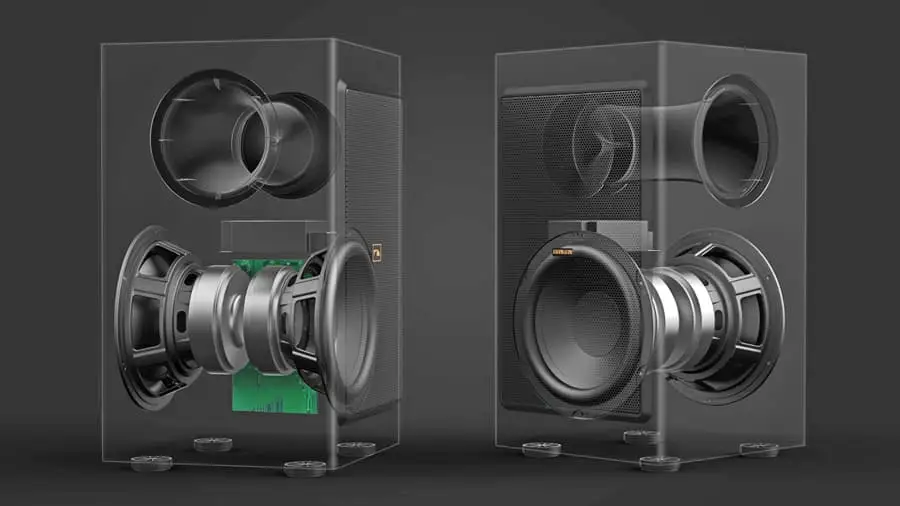
Height effects marketing leans on its six upfiring drivers and adaptive dispersion. Duane Cloutier tested it against brands like Vizio and Bose, finding Dragon “so much fuller… you can pinpoint sound you feel you can see.” Yet Thang Vu, with high ceilings, felt it could “be improved a bit to be more precise.” The tech works, but room acoustics still shape results.
Cross-Platform Consensus
Universally Praised
The surround immersion is the standout. Verified buyers repeatedly describe an enveloping “bubble” of sound. Brian Hamm wrote: “Sounds like a room full of speakers. Thank you for this amazing sound system Nakamichi.” This is particularly valuable for users in open floor plans; William D urged “If you want punchy bass, and clear dialog this system is for you.” Gamers report striking benefits – Brent Burzycki explained Dragon “really shined” in video games, with audible detail in all directions.
Dialogue clarity gets exceptional marks from Duane Cloutier: “Voices are incredible, clear and cut right through other sounds… due to the AMT tweeters.” This clarity isn’t just academic – subtitled content or complex soundtracks benefit, keeping speech intelligible.
Plug-and-play simplicity resonates. JT, after installing in his basement, emphasized the lack of traditional system hassle: “Authentic home theater experience without installing a traditional system.” For apartment dwellers or those wary of AVR complexity, this is transformative.
Common Complaints
Weight and setup can be daunting: ShopSavvy’s TLDR review warned that installation “can make it challenging, recommending two people for setup.” The main unit is 58" stainless steel and over 30 lbs, with subs reaching 80 lbs each. Shipping damage occurs – Brent Burzycki’s unit arrived damaged but was replaced after “possibly the best customer service” he’d experienced; others encounter less responsive support.
Firmware updates by USB frustrate owners, especially with wall-mounted units. ShopSavvy noted this remains a point of friction despite sound improvements in latest updates. Source-switch delays occasionally interrupt fluid use, affecting those with multiple consoles or streamers. Duane Cloutier found music playback outstanding but admitted “music is darn close [to high end], just not high end” – so purist audiophiles may still prefer dedicated stereo setups.
Divisive Features
Bass control divides opinion. Many relish the quad-sub “earthquake” mode, calling it superior to local cinemas, but Thang Vu expressed a “crave for a bit of low grunt” in music playback, preferring movies for sub impact. Height channel realism sees similar split – some call it “otherworldly” while high-ceiling owners find it less defined. Adaptive dispersion improves localization, but physical room size and shape remain key variables.
Trust & Reliability
Scam concerns are minimal given Nakamichi’s direct sales channels and active concierge service, but Trustpilot entries reveal a pattern: while some report “amazing” support, others label it “non-existent.” High-value buyers want consistent experiences to match the price.
Long-term Reddit posts show durability – Rehan Z kept his Dragon a full year and still called it “the best soundbar… superior surround performance.” Alan Davis praised seamless connections with varied equipment, implying stability over months of mixed use. Signs suggest mechanical robustness; cosmetic wear is the bigger risk with large stainless steel chassis.
Alternatives
The only relevant competition mentioned is the Sennheiser Ambeo. Duane Cloutier ranked it firmly in second place, saying “No sound bar comes close to the Dragon… Sennheiser Ambeo is #2.” Sonos Arc entered comparison via an Amazon customer, rated “better with live music” but inferior in home theatre immersion. Shockwafe Ultra 9.2.4, also by Nakamichi, shares much DNA but is priced lower with fewer height channels – Jay noted it’s “unbelievably impressive” but those chasing the absolute maximum count will be swayed by Dragon’s 11.4.6.
Price & Value
Community wisdom stresses buying direct during promotional periods. Multiple Amazon entries list Prime Day savings up to $2000, with quad 12" models hitting $6,499 from $8,499. eBay resale holds 70–80% value shortly after purchase, as seen in a $7,800 open-box “World Premiere Edition.”
Ben Millus, selling his set, admitted shipping was costly but “I understand the crazy value the Dragon system offers compared to much more expensive systems.” Given it rivals $20K AVR setups for some users, value perception hinges on use case – movie-centric households get maximum return.
FAQ
Q: Does the Dragon require an AVR or wired speakers?
A: No. It’s a fully wireless plug‑and‑play system, replacing complex AVR setups while maintaining comparable channel counts and output.
Q: How hard is installation?
A: Large components mean two people are recommended for setup. Wireless pairing is quick, but physical placement and weight are the challenge.
Q: Can I adjust bass for night use?
A: Yes. The remote allows disabling some subwoofers, letting owners reduce impact for late-night sessions without complex menu diving.
Q: Is it good for music?
A: Strong, clear playback with rich lows and crisp highs, but several users note it’s optimized for cinematic immersion over audiophile stereo purity.
Q: How does it compare to top rivals?
A: Many place it above all competitors in home cinema immersion, with only Sennheiser Ambeo approaching its surround realism.
Final Verdict: Buy if you want maximum cinematic immersion, explosive bass, and AVR-level performance without the wiring maze. Avoid if your priority is pure stereo music refinement or you have extremely high ceilings without acoustic treatment. Pro tip from the community: wait for major sale events for $1,500–$2,000 savings and update firmware right after installation for best results.