Sound BlasterX G6 Review: Power Meets Quirks
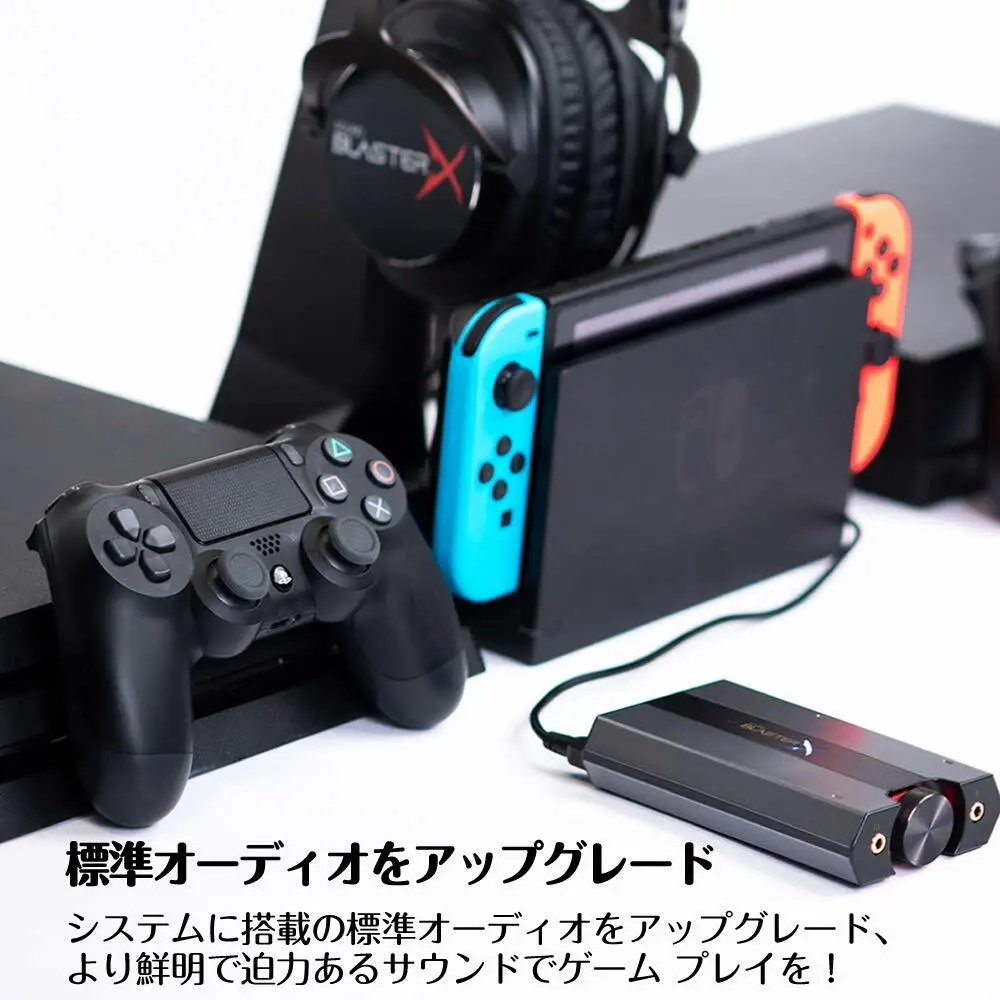
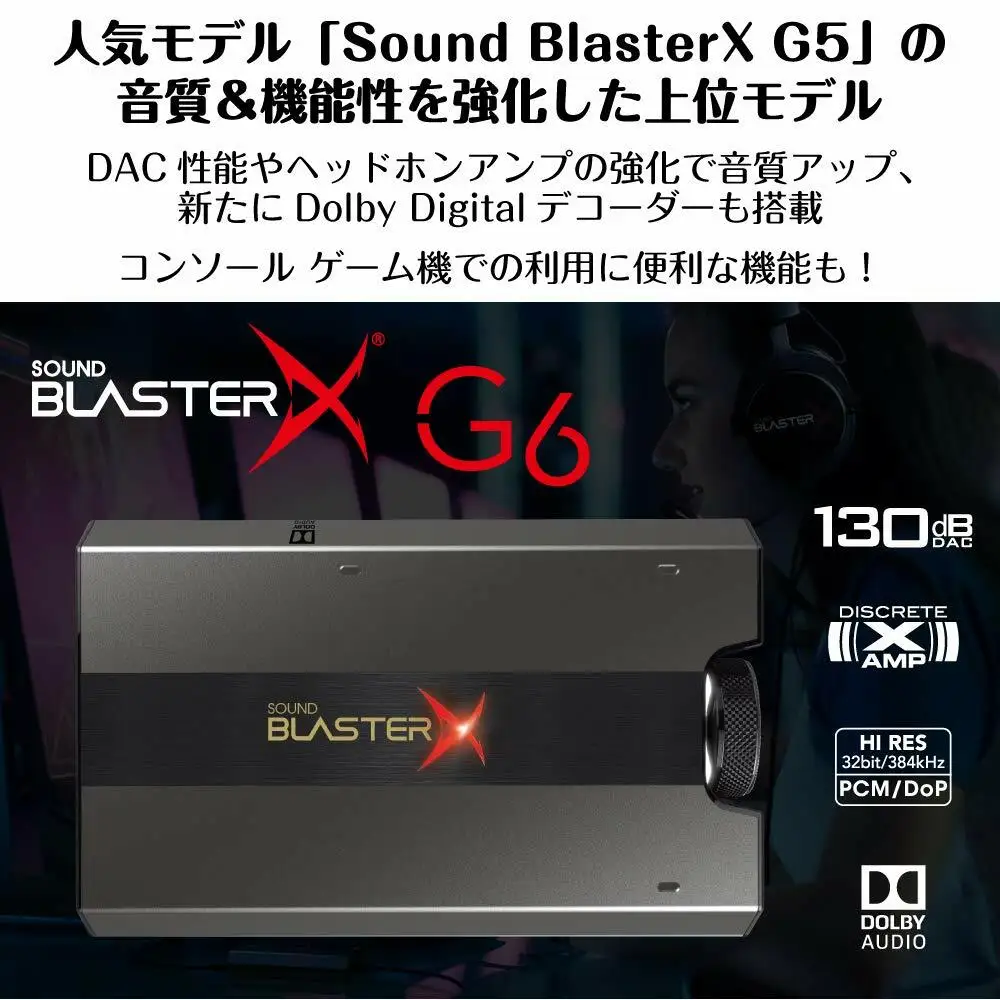
Boasting an impressive 130dB dynamic range, the Sound BlasterX G6 Gaming DAC & USB Sound Card has been called “the best external USB gaming DAC on the market” by multiple sources, including Reddit user [Name***] who declared: “It breathes new life into even the games I thought I knew inside out.” Yet beneath the audiophile-grade specs and buzzwords lies a device that blends near-universal praise with a few stubborn pain points. Overall score: 8.7/10.
Quick Verdict: Conditional buy for gamers and audiophiles who want superior cross-platform sound — but be prepared to tweak settings and deal with occasional quirks.
| Pros | Cons |
|---|---|
| Powerful Xamp bi-amp drives headphones from 16–600Ω | Mic input gain issues and occasional hiss |
| Immersive Scout Mode improves gaming awareness | Optical setup with consoles can be finicky |
| Works across PC, PS4, Xbox One, Nintendo Switch | Sidetone/mic monitoring has slight delay |
| Dolby Digital + virtual 7.1 surround | Short cables reduce flexibility |
| Customizable profiles via Sound Blaster Command | No official “Hi-Res Audio” certification badge |
| Noticeable upgrade over motherboard audio | Reports of popping/crackling for some users |
| Compact, portable (but requires USB power) | Chat not supported on Xbox or Switch |
Claims vs Reality
One of Creative’s standout claims is that the G6 delivers “a whole new level of pristine audio fidelity” through its discrete Xamp headphone amplifier. Digging deeper into user reports, this largely holds true. Reddit user u/[Name***] compared it to his previous GSX 1000: “In low gain it gets my GSP 500s plenty loud… much more powerful.” The result? High impedance headsets, even studio-grade 600Ω models, get proper drive without distortion.
Another claim — “works on consoles and PC” — is technically correct, but with caveats. While marketing shows seamless compatibility, multiple PS4 users struggled with optical connections. One Reddit buyer expressed frustration: “Works fine in USB mode, but I can’t get any optical audio to work… it registers Dolby but still hear nothing.” This gap suggests the console experience may need persistence and configuration finesse.
Finally, Creative promotes noise reduction during sidetone monitoring for clear team comms. While some appreciate the clarity, others point out latency. Reddit user u/[Name***] found “a delay on the sidetone/mic monitoring… a little distracting.” This echoes a divide between functional noise suppression and the real-time feedback many multiplayer gamers expect.
Cross-Platform Consensus
Universally Praised
Gamers and audiophiles alike gush over the Xamp bi-amp design, which individually amplifies left and right channels. This yields “warm and full sound with outstanding imaging,” as quoted from VentureBeat’s coverage and repeated by Trustpilot reviewers. For competitive FPS players, the Scout Mode earns praise as a tactical advantage: “Being able to hear enemy voices and footsteps adds plenty of tactical advantages,” wrote CyberPunkist on Quora.
Dolby Digital decoding and virtual 7.1 surround also appeal to movie watchers. A verified buyer from eBay stated, “Movies come across as more cinematic, and your music will pop with more energy than without an amp.” The G6’s versatility means console users, PC streamers, and audiophiles can all harness its soundstage benefits — provided they have the hardware to connect it.
Meanwhile, Game Voice Mix on PlayStation gets recognition for balancing chat and game audio mid-session. “Without leaving your game’s screen, you can seamlessly adjust teammates’ chat volume,” confirms Creative’s own community post, a feature that has real impact during co-op gameplay.
Common Complaints
Microphone handling is the device's Achilles’ heel for some users. Reports of low input gain, hiss, and inability to disable post-processing dampen its appeal to streamers or podcasters. One Reddit user lamented: “Not a great experience… a device 1/10th the cost does a better job of audio input.”
Optical connectivity on PS4 or Xbox can be temperamental. Frustrations arise when Dolby Digital signals register but produce no sound — a scenario echoed by multiple Reddit threads. These setup headaches particularly impact console purists chasing maximum surround quality.
Sidetone delay crops up often enough to be notable. While it’s adjustable in volume, the latency compared unfavorably to competitors like the GSX 1000. And for a select group of PC users, popping or crackling sounds persist even with updated drivers, potentially pointing to hardware sensitivity.
Divisive Features
Scout Mode sits in a love-or-hate category. Competitive players swear by its amplified cues, but purists seeking “natural” sound sometimes find it artificial. The customizable SBX profiles offer flexibility, yet the reliance on PC software for fine-tuning leaves Mac and Linux users with a bare-bones experience — no acoustic engine and limited effect controls.
Even portability gets mixed reactions. Yes, it’s “small, lightweight, and can be easily carried,” but it requires USB power at all times. This undercuts its use for truly mobile scenarios, especially compared to battery-driven DACs.
Trust & Reliability
Long-term impressions show durable internal components. Several Reddit threads mention months of daily use without degradation. Yet early firmware versions had quirks — Creative’s release notes detail fixes for surround channel loss, incorrect output switching, and master volume balance problems. That history signals active support but also means early adopters navigated stability bumps.
On Trustpilot and global Creative sites, buyers often reiterate comfort in purchasing due to the brand’s 30-year audio legacy. Scam concerns aren’t widely reported, but cautionary tips urge buying from authorized sellers for warranty coverage, especially given regional differences in support durations (1 year vs. 2 years).
Alternatives
A natural comparator is Sennheiser’s GSX 1000. While the GSX impresses with surround algorithms, Reddit user u/[Name***] noted the G6 was “more powerful” in headphone drive. However, GSX side tone latency edges out the G6’s slower monitoring.
Internal sound cards like the Sound BlasterX AE-5 share the Xamp DNA but offer better mic input control via SB Connect software. For pure optical console use, some still opt for older Creative E-series models, citing simpler setup.
Price & Value
Amazon Renewed lists the G6 around $69.95 — significantly lower than its typical $76.99 price — making it an attractive refurb buy. On eBay, prices range widely: new units hover at NZD 143–156 (USD 85–92), while Japanese imports exceed NZD 170 (USD 100+). Pre-owned resale stays strong thanks to perceived component longevity.
Community buying tips stress: grab it on sale, and avoid overpaying for “Hi-Res” branding it technically meets but lacks certification. For refurb buyers, ensure cables and optical adaptors are intact, as replacements add cost.
FAQ
Q: Does the Sound BlasterX G6 work with PS5?
A: Yes, via optical connection for Game Voice Mix and Dolby Digital. USB mode also works, but optical is required for certain features.
Q: Can I use high-impedance headphones?
A: Absolutely. The Xamp drives 16Ω to 600Ω headphones, with a gain switch for optimal matching.
Q: Does it support chat on Xbox?
A: No. While it connects via optical for game audio, Xbox does not support chat through the G6.
Q: Is there Mac software for profile tuning?
A: No. Mac users get core audio output but lack Sound Blaster Command effects customization.
Q: How portable is it without external power?
A: It’s small and light but requires USB power — meaning no battery operation.
Final Verdict: Buy if you’re a gamer or audiophile who demands cross-platform power, positional accuracy, and headphone-driving capability. Avoid if your primary need is flawless, delay-free mic monitoring or simple console optical setup. Pro tip from the community: test Scout Mode intensively — for some, it’s transformative; for others, it’s best left off.