Makita 18V LXT Tool-Only Circular Saw: 8.3/10 Verdict
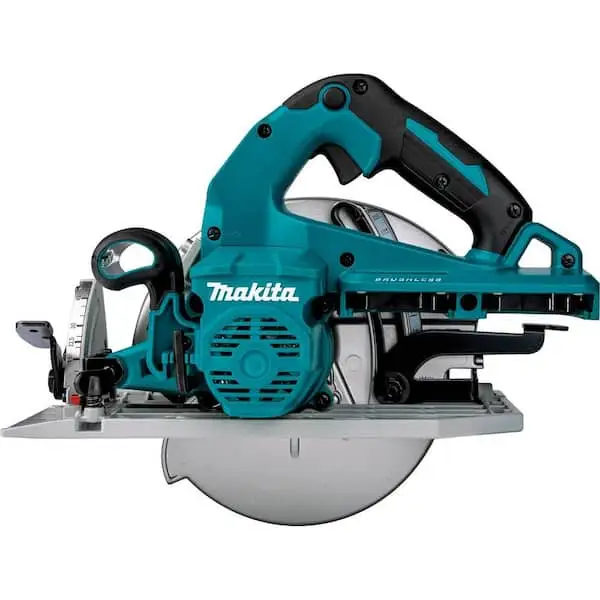
Makita 18V LXT cordless circular saws have a reputation for being the tool you grab before you even bother uncoiling an extension cord. One Amazon reviewer put that instinct into plain language: “I really do love the saw and find myself grabbing it first.” For anyone shopping “tool only,” that convenience comes with trade-offs—mostly around power expectations, included accessories, and what “cordless” really means when batteries aren’t in the box.
Makita 18V LXT Cordless Circular Saw, Tool Only verdict: a strong 8.3/10 for homeowners and pros who already own LXT batteries, but conditional if you expect corded-level torque or a ready-to-run kit.
Quick Verdict
For the typical “tool only” buyer—someone already invested in Makita’s LXT batteries—the Makita 18V LXT Cordless Circular Saw, Tool Only is a Yes (Conditional). The recurring theme across platforms is portability and easy handling, with repeated reminders that it won’t fully replace a corded 7-1/4" framing saw for heavy ripping or bind-prone cuts.
| Decision Point | What users say (with source) | Implication |
|---|---|---|
| Lightweight handling | “Very nice saw and light weight…” (Home Depot reviews) | Great for DIYers and overhead/awkward cuts |
| Cord-free convenience | “Makes projects easier when not restricted… by the cord.” (Home Depot reviews) | Faster setup for quick jobs |
| Power on 2x stock | “It breazes it’s way through doug fir 2x4’s with ease…” (Amazon verified purchase reviews for Makita BSS611Z) | Solid for framing cuts, decking, plywood |
| Not a corded replacement | “It just doesn't have the torque of a corded saw…” (Amazon verified purchase reviews for Makita BSS611Z) | Expect slowdowns in binds, thick/treated stock |
| Battery not included surprises | “Many people ended up being disappointed… because the tool isn’t ready to go right out of the box.” (ToolNerds XSS02Z review) | Budget for batteries/charger if you don’t own them |
| Occasional QC/maintenance issues | “Parts started to fall off… the blade can't be removed… the tool is ruined.” (Home Depot reviews) | Risk for daily jobsite abuse; warranty/service may matter |
Claims vs Reality
Makita’s official messaging around its cordless saws leans heavily on corded-like performance, efficiency, and reduced downtime—especially on newer brushless models and higher-voltage setups. Digging deeper into user reports, the “reality” depends sharply on which 18V LXT saw you buy and what kind of cutting you expect.
One major marketing-style claim across Makita’s ecosystem is that modern cordless saws can meet corded demands. A Makita press release quotes a tester saying the brushless model “flat-out gets the absolute most cuts per charge… we almost ran out of wood before the xsh03 ran out of power” (Makita U.S.A. press release about XSH03M testing). That story speaks to runtime, but everyday owners often draw a firmer line on torque: an Amazon verified buyer reviewing the Makita BSS611Z said, “it just doesn't have the torque of a corded saw and will choke in a slight bind while cutting plywood sheets or pressure treated 4x stock where the blade's burried.” For remodelers and deck builders, that gap matters most when the blade binds, the cut isn’t perfectly straight, or the material is wet/treated.
Another consistent claim in product descriptions is convenience through battery platform compatibility and fast charging. That generally aligns with user experience when the buyer already owns batteries. One Amazon reviewer emphasized the advantage of existing packs: “I already had… plenty of batteries to use… the battery life has been better than expected… they charge quickly in the 30 minute range.” But the same ecosystem creates a “tool-only sticker shock” for first-time buyers. ToolNerds described the downside bluntly: “many people ended up being disappointed… because the tool isn’t ready to go right out of the box.” For newcomers, the “cordless convenience” can turn into an unexpected second purchase.
Finally, Makita and resellers frequently highlight durability and professional readiness. Many long-time brand loyalists echo that sentiment in broad strokes—Home Depot reviewers say things like “I’ve had Makita tools for 35 years… and I love it!” and “the first one lasted 10 years.” Still, there are sharp outliers: one Home Depot reviewer warned, “parts started to fall off easily… the adjusted setting does not stay in place… the blade can't be removed…” That contradiction shows the difference between a long-lived sample and a bad unit that can sour the experience fast.
Cross-Platform Consensus
Universally Praised
A recurring pattern emerged: people love these 18V LXT circular saws most when the job is “normal homeowner and light-to-medium carpentry” and the buyer already has batteries. The story isn’t about bragging rights; it’s about grabbing the saw and getting a cut done before you’d even find a cord. One Amazon reviewer called it “a great cordless saw that will tackle most homeowner chores,” explaining the core value: “There is no cord to wind up and no need to search for my extension cord and a plug.” For new homeowners doing weekend projects, that’s the difference between starting the cut now versus procrastinating until you have “time to set up.”
Handling and weight come up repeatedly, especially for smaller saw formats in the LXT line. Home Depot reviews summarize the feeling in short, confident phrases: “easy to handle!” and “well balanced!” That matters for users who are cutting plywood in a cramped garage, trimming furring strips, or doing quick crosscuts where control beats brute force. One Amazon owner framed the experience as reach-and-control: “I found the ergonomics to fit my admittedly small hands very well. I had no problems using the saw single handed.” For DIYers, especially those newer to power tools, ergonomics can be the hidden feature that makes them actually use the saw instead of avoiding it.
Cut quality—within the saw’s comfort zone—also gets a lot of praise. An Amazon verified buyer described results on framing and sheet goods: “next some 3/4 ply - no problem at all and the blade left a nice edge.” Even when acknowledging it’s not a framing beast, users still talk about accuracy and smoothness. One long-term Makita owner said the saw is “sure handy, light and maneuverable, and crosscuts and rips 2x very smoothly and quite quickly.” For homeowners building decks, pergolas, and sheds, those “smooth and accurate” cuts are the practical win.
There’s also a strong “platform loyalty” benefit: people who already own Makita LXT tools describe the saw as a natural extension. A Home Depot reviewer said, “LXT line has worked well for me,” and another wrote, “so far works great have other 18v tools in this line up.” In real terms, that means fewer chargers, shared batteries, and a more justifiable “tool only” purchase.
- Most-cited strengths: lightweight feel, portability, easy handling, good performance on 2x and plywood (Amazon/Home Depot)
- Best-fit users: homeowners, trim/deck projects, pros needing a secondary saw (Amazon)
Common Complaints
Digging deeper into the negative experiences, the most consistent complaint is simple: don’t expect corded-saw torque, especially when binding happens. One Amazon verified buyer loved the saw but drew a hard boundary: “if it's your only saw, you'll be sorry… it just doesn't have the torque of a corded saw and will choke in a slight bind…” That’s a warning aimed at anyone trying to make a single 18V tool do full-time framing and heavy ripping. For roofers, framers, and anyone ripping long sheets, the saw can bog down when the cut isn’t perfect or the material pinches the blade.
Some users describe the saw as “good, but slower than hoped.” A Home Depot reviewer summed up that mild disappointment with humor: “its a little slow… super handy to have for the odd cut but its not as good as i hoped it would be.” That type of feedback tends to come from buyers who wanted one saw to cover every scenario—from quick crosscuts to demanding cuts in thicker stock.
Accessories and “what’s included” is another friction point, especially with tool-only buying. ToolNerds flagged a common emotional reaction: “many people ended up being disappointed… because the tool isn’t ready to go right out of the box.” Amazon reviewers echo this as a purchasing lesson rather than a performance flaw, with one noting that expecting a battery in a “tool only” listing is a mistake if you don’t read carefully. The practical impact is budgeting: the saw might be a great deal only if you already own batteries and a charger.
There are also sharper quality-control complaints, though they appear less common than “power vs corded” issues. One Home Depot reviewer described a worst-case scenario: “parts started to fall off easily… the adjusted setting does not stay in place… the blade can't be removed… the tool is ruined.” For contractors buying “dozens of tools a year,” that kind of failure is especially frustrating because downtime is costly and dealing with service is its own job.
- Most-cited complaints: less torque than corded, bogging in binds, tool-only confusion, occasional QC failures (Amazon/Home Depot/ToolNerds)
- Most-affected users: framers, heavy-duty deck builders, anyone relying on one saw for everything (Amazon)
Divisive Features
Some features split users based on expectations and experience level. One example is safety/ergonomics controls like trigger interlocks. An Amazon reviewer found it “aggravating” and even criticized the reach: “ergonomically, it’s in the wrong place for a comfortable grip.” But that same reviewer also acknowledged why it exists on battery tools stored with packs installed. For jobsite pros who prioritize fast one-handed starts, interlocks can feel like friction; for cautious DIY users, they may feel reassuring—or at least acceptable.
Dust management is another divider. One homeowner loved the convenience but complained about being blasted by sawdust: “You will get showered with sawdust while using this tool if you are a right handed user like myself.” In contrast, Makita’s official product messaging highlights dust blowers and attachments on certain models, but user stories show that the lived experience varies depending on setup, accessories included, and whether the user hooks up a vacuum.
Finally, blade quality and calibration expectations can split opinions. Some users are satisfied out of the box; others immediately upgrade. One Amazon reviewer recommended swapping the blade: “I replaced it with a freud diablo… and it performed perfectly.” Another pointed out a setup check: “mine came out of the box with the 45 a little off - so make sure you check…” For experienced users, that’s normal tuning; for first-time circular saw owners, it can feel like a defect.
- Divisive topics: trigger interlock comfort, dust direction, stock blade quality, out-of-box calibration (Amazon)
Trust & Reliability
Trust issues in the provided data don’t come from a large pattern of verified “scam” reports; instead, they show up as seller and packaging complaints. One Amazon review focused less on the tool and more on the buying experience: “advertised this saw as brand new, but I received it wrapped with newspaper without the Makita box and no warranty cards… evidence of use.” That user contrasted it with a follow-up purchase: “this time the seller was Amazon.com… original Makita box… warranty cards… worked flawlessly.” The implication for tool-only buyers is simple: the product may be fine, but the seller can change the experience dramatically.
Durability stories skew positive when users talk about Makita as a brand and about long ownership windows. Home Depot reviewers mention longevity with lines like “the first one lasted 10 years,” and brand commitment like “I’ve had Makita tools for 35 years…” On Amazon, one reviewer framed the saw as a “secondary/supplementary” tool rather than a main framer: “for those times when there is no convenient power, this is the saw.” That positioning—secondary saw, not a full replacement—seems to correlate with satisfaction and long-term contentment.
Where reliability anxiety spikes is when a user encounters a “bad unit” or a mechanical issue that stops work. The Home Depot complaint about parts falling off and a stuck blade is the kind of story that makes contractors wary, because it turns a time-saver into downtime. That’s also why many owners emphasize having multiple batteries and backup tools—one Amazon reviewer described rotating packs and staying productive: “I changed batteries twice and the battery was recharged well before the one in use died.”
Alternatives
Only a few competitors are directly mentioned in the provided data, and they show up mostly in comparisons from users and Makita’s own press materials. Makita’s 2015 press release compares runtime tests against Milwaukee and Ridgid: “m18 fuel 7-1/4” circular saw…” and “ridgid gen5x 7-1/4” circular saw…” with Makita claiming more cuts per charge in that specific testing scenario. That’s not a user review, but it’s a clear framing: if runtime per charge is the priority, Makita positions itself aggressively.
From actual user perspective, Ryobi and DeWalt appear as real-world reference points. One Amazon verified buyer described moving from a Ryobi kit saw to Makita as an upgrade: “It was limited, but very handy… I upgraded to the Makita… could not believe how much better it was.” Another compared control and smoothness: “compared to the ryobi and dewalt models i’ve tried, it is much easier to control for smooth, accurate cuts.” For buyers choosing among battery platforms, that suggests the Makita appeal isn’t only raw power—it’s also feel, control, and predictability on typical cuts.
For users who already own Makita batteries but need more power, the community itself points to “going up” within Makita rather than switching brands. A Home Depot reviewer who experienced bogging said they step up to a bigger Makita saw: “…it bogging down so i use the makita 36v 7in circular saw which eats it up…” That’s the most practical “alternative” in the data: stay in the ecosystem, but buy the higher-power variant for heavy work.
Price & Value
Price perception depends on whether you’re already in the LXT ecosystem. One Amazon reviewer said it plainly: “this is a great deal for the money if you already have the batteries and charger.” That’s the core value proposition of “tool only”—a cheaper entry for existing owners, a potentially expensive surprise for new buyers.
Market pricing snapshots in the data show wide ranges depending on condition and seller. On eBay, listings include “Makita 18V cordless LXT… $79.69 new… $57.99 used” and a refurbished Makita listing for a higher-voltage model at “$79.00,” but also show high shipping costs in some cases. That spread reinforces a practical buying tip: a “cheap tool-only” can become less cheap after shipping or after adding batteries/charger.
Community buying advice also shows up indirectly through complaints: people stress reading listings and understanding “tool only.” ToolNerds described disappointed buyers who expected the tool to be ready immediately, and Amazon reviewers echoed the idea that the price itself should signal whether batteries are included. The value calculation becomes: if you already own two good packs and a charger, this is a fast way to add a capable cordless saw; if you don’t, you may be better served by a kit or by budgeting honestly for the battery ecosystem.
FAQ
Q: Will the Makita 18V LXT tool-only circular saw replace a corded saw?
A: Not for everyone. An Amazon verified buyer loved it but warned, “if it's your only saw, you'll be sorry… it just doesn't have the torque of a corded saw.” Many owners treat it as a go-to for quick cuts, while keeping a corded saw for heavy ripping or bind-prone stock.
Q: Is it strong enough to cut 2x lumber and plywood?
A: Yes, for typical homeowner and light jobsite work. One Amazon verified buyer wrote, “It breazes it’s way through doug fir 2x4’s with ease,” and another said “3/4 ply - no problem at all.” Users also caution it can bog down if the cut binds or gets pushed too hard.
Q: Do I need extra batteries to avoid downtime?
A: Most users recommend it. An Amazon reviewer described working continuously by rotating packs: “I changed batteries twice and the battery was recharged well before the one in use died.” If you’re already in the LXT line, having at least two batteries makes cordless much more practical.
Q: What’s the biggest “tool only” gotcha?
A: Expecting a ready-to-run kit. ToolNerds observed that “many people ended up being disappointed… because the tool isn’t ready to go right out of the box.” Buyers without Makita LXT batteries and a charger should factor those costs in before deciding it’s a bargain.
Q: Are there reliability or quality issues reported?
A: Most feedback is positive, but there are serious outliers. A Home Depot reviewer claimed “parts started to fall off… the blade can't be removed… the tool is ruined.” Another Amazon reviewer described problems with a third-party seller shipping a used tool as new, but said buying from Amazon directly delivered a “really brand new” saw.
Final Verdict
Makita 18V LXT Cordless Circular Saw, Tool Only: Buy if you’re a homeowner, DIYer, or pro already on Makita LXT who wants a lightweight, quick-setup saw for crosscuts, plywood, and routine 2x work—because as one Amazon reviewer said, “I really do love the saw and find myself grabbing it first.” Avoid if you need corded-level torque for frequent long rips, pressure-treated binds, or heavy framing, where users warn it can “choke in a slight bind.”
Pro tip from the community: upgrade the blade and treat it as a smart secondary saw—one user reported better results after swapping to Diablo blades: “it performed perfectly.”