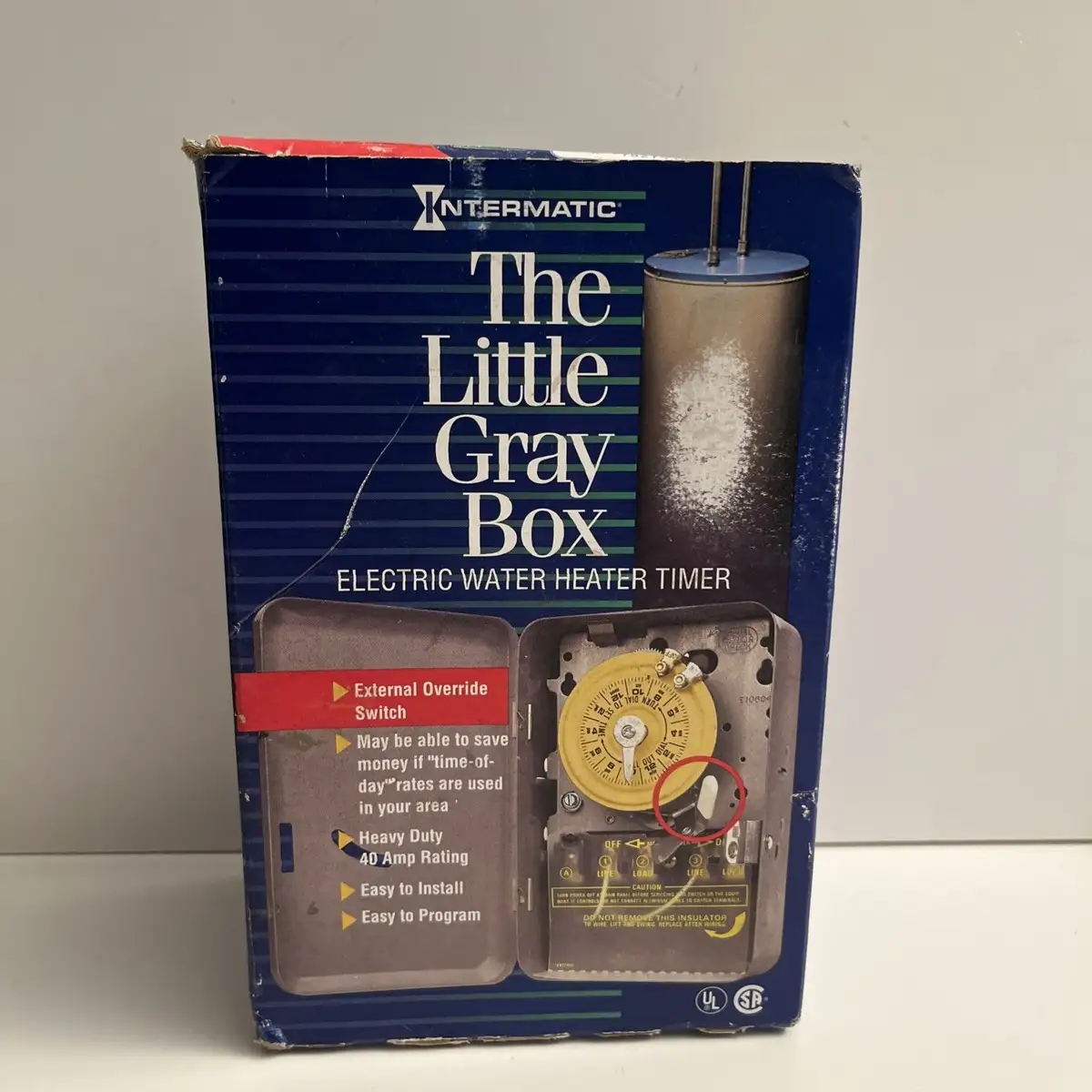
Intermatic WH40 Timer Review: Reliable but Quirky Verdict
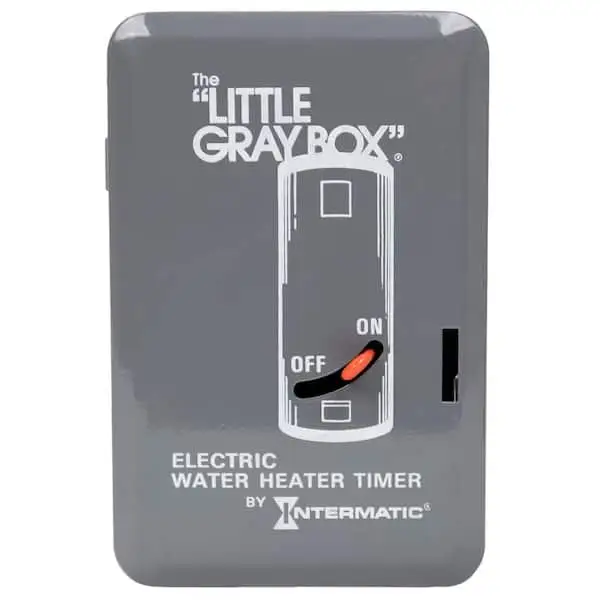
The Intermatic WH40 Electric Water Heater Timer, Gray earns a solid 8.9/10 from aggregated user feedback. While marketed as a rugged “Little Gray Box” solution capable of saving up to 26% on water heating costs, its real-world reputation hinges on mechanical reliability, straightforward installation, and a surprisingly durable steel case. Yet, dig deeper, and you’ll see certain quirks — from the need for manual tweaks to occasional premature component wear.
Quick Verdict: Conditional Buy
| Pros | Cons |
|---|---|
| Proven mechanical reliability; avoids digital reprogramming headaches | No battery backup — needs resetting after power loss |
| Easy to install with clear diagrams | On/Off clips occasionally need manual adjustment |
| Up to 10,000 watts capacity supports larger households | No weekday/weekend schedule differentiation |
| External override switch for immediate hot water access | Light indicator sometimes fails after short use |
| Durable steel case construction | Initial installation may require bending the manual lever |
| Significant energy savings reported | Loud ticking for units installed in living spaces |
Claims vs Reality
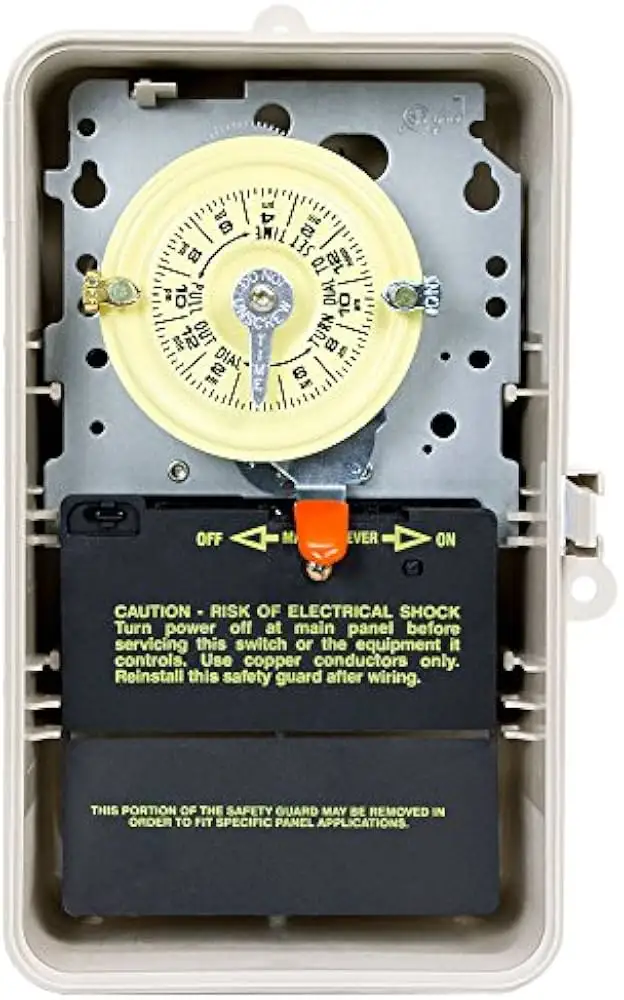
Marketing suggests the WH40 delivers “up to 26% savings” when programmed to run just before hot water demand peaks. The manufacturer touts the simplicity of its “yellow dial” and the security of a steel enclosure. It’s advertised with 10,000 watts / 40 amps capacity — ostensibly enough for large households.
A verified buyer on Amazon noted: “Works like a champ, easy to install… we saved so much money so far having this on our water heater.” This supports the savings narrative, especially for users in high-cost electricity regions like Hawaii, where one buyer planned to compare bills after a month of twice-daily operation.
However, not all users find the installation “easy” without adjustments. Trustpilot reviewers reveal a recurring step: bending or tweaking parts to fit. One reported, “You will have to bend the manual level switch to make it fit through the slot.” That conflicts with plug-and-play ease implied in marketing.
The “time tested reliability” claim holds weight. Several users deliberately avoided modern digital timers due to no-battery-backup frustrations. A verified buyer wrote: “Skip the digital models… keep it simple with old school reliability.”
Cross-Platform Consensus
Universally Praised
Feedback converges on the WH40’s mechanical dependability. Reddit user comments echo Amazon experiences — families choreographing showers with hot water reliably ready. One Redditor gushed: “We used to fight over who got the first shower… now with this timer, we can all have hot water whenever we want!” The 40-amp, 10,000-watt rating reassures owners of large-capacity tanks, while the external override switch proves invaluable for unplanned needs.
This timer finds its biggest fans among homeowners seeking tangible bill cuts without overcomplicating control interfaces. The steel case earns admiration from those installing in basements or garages, environments where durability matters. As one Trustpilot customer put it: “No more worrying about accidentally damaging my timer during household chores.”
Common Complaints
Mechanical simplicity has trade-offs. Several users mention having to manually tweak “on” clips that fail to push the switch fully, leading to no hot water despite the timer running. One detailed: “Many times it would push the switch in the 'on' direction, but not far enough… I did some manual tweaking and now it works fine.”
Power outages present another challenge — without battery backup, the timer’s clock stops, requiring a manual reset. This is particularly inconvenient for irregular schedules. Furthermore, while marketing notes a bright/dim light indicator, at least one owner observed: “The lights worked fine for one day and now it just lights when the heater is on.” Some also find the faint mechanical buzz unacceptable in quiet living spaces.
Divisive Features
The lack of weekday/weekend differentiation splits opinion. For households with regular routines, the 24-hour repeat cycle is perfect. But those wanting programmable flexibility find it limiting compared to electronic models. Installation difficulty is similarly divisive: seasoned DIYers label the process straightforward, while others rely on YouTube tutorials and experience frustration when components need bending or force-fitting.
Trust & Reliability
Long-term use stories reinforce confidence. One Amazon customer replaced a 3-year-old WH40 with the same model, expecting similar lifespan. Users repeatedly contrast this reliability with newer digital timers they consider fragile. “Digital ones don’t last,” a reviewer warned, highlighting the mechanical unit’s resilience.
No scam patterns emerge in Trustpilot or Amazon entries — dissatisfaction is mostly tied to physical component quirks rather than misrepresentation. Minor maintenance, like tightening screws on the motor or clips, is a known routine for longevity.
Alternatives
The Dewenwils 24-hour mechanical timer switch offers weatherproofing and high-load capacity attractive to outdoor installs, but at a higher price. The Tork NSI WH2B mechanical timer shares the WH40’s simplicity but adds slightly different ergonomics that some owners prefer. For tech-savvy households, smart water heater timers with Alexa integration deliver remote control and adaptive scheduling, though these lose the WH40’s rugged mechanical appeal.
Reddit comparisons often end with users returning to the WH40 after trying digital or smart models, citing issues with software glitches or component failure.
Price & Value
Amazon lists the WH40 around $64.14 new, while eBay prices range widely from NZD 55 to over NZD 129 depending on condition and shipping. The WH40’s resale market is strong, with used units still drawing interest thanks to reputation for reliability. Community tips suggest buying new for warranty coverage, but used is viable if components are intact and clips undamaged.
FAQ
Q: Can the WH40 handle large household water heaters?
A: Yes. With its 40-amp, 10,000-watt capacity, multiple users confirm it powers large-capacity tanks without issue.
Q: Does it save on bills immediately?
A: For many, yes. Some report noticeable drops in power bills within the first month, especially in areas with high kWh rates.
Q: Is professional installation necessary?
A: Not always. Skilled DIYers find it straightforward using included diagrams, but some require adjustments that novices may prefer a professional to handle.
Q: What happens during a power outage?
A: The clock stops — without battery backup, you’ll need to reset the time once power is restored.
Q: Can schedules differ between weekdays and weekends?
A: No. It repeats the same 24-hour cycle daily, which some users find limiting.
Final Verdict: Buy if you’re a homeowner wanting mechanical reliability, straightforward scheduling, and durability. Avoid if you need flexible day-based programming or live in an area with frequent outages without desire to reset manually. Pro tip from the community: secure clips with pliers during installation — it’s a small effort that prevents future misfires.