LISEN 90W USB C Car Charger Review: Strong but Voltage-Limited
Starting with a claim that raised eyebrows, multiple buyers found the LISEN 90W USB C Car Charger Fast Charging doesn’t always deliver the power its ads promise—especially in standard 12V cars. While billed as “dual PD 45W per port,” user tests suggest that full power output only happens in vehicles with 24V systems. That said, the compact all-metal build and inclusion of two high-quality cables have earned it a strong 8/10 from those whose setups match the charger’s optimal conditions.
Quick Verdict: Conditional buy
| Pros | Cons |
|---|---|
| All-metal zinc/aluminum build stays cool | 45W per port only with 24V system (18W per port with 12V) |
| Tiny flush-fit design | Marketing power claims can mislead buyers |
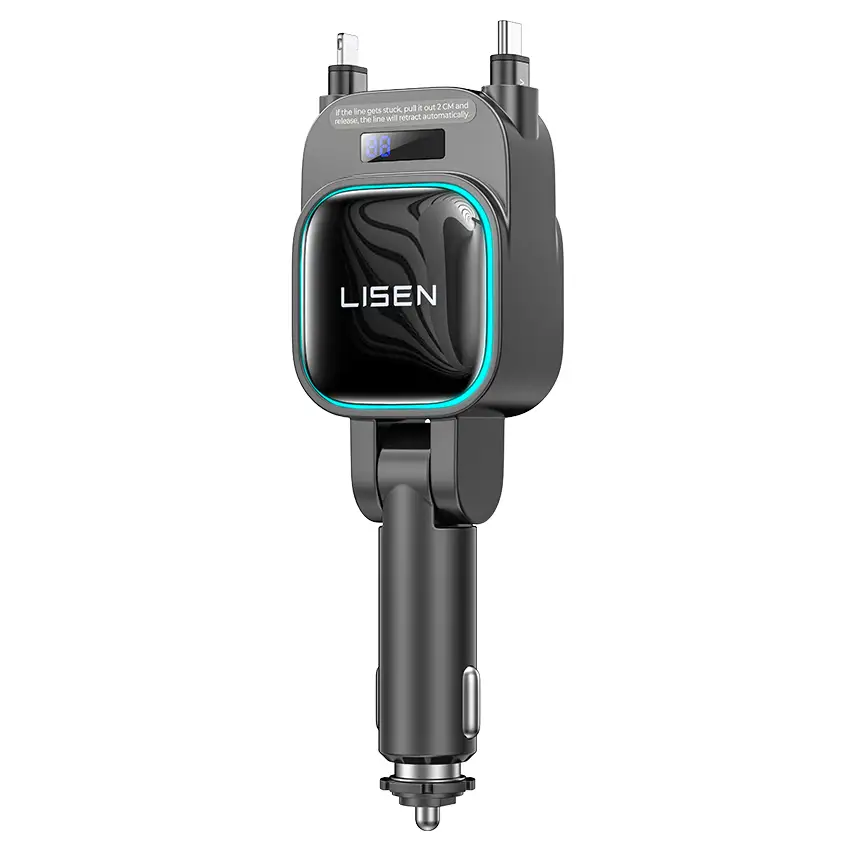
| Includes two premium cables (USB-C to USB-C & USB-C to Lightning) | Some skepticism about seller authenticity on deal sites |
| Broad compatibility across iOS, Android, laptops | Output drop in certain vehicles impacts fast-charge benefit |
| Blue LED port illumination for night use | Limited resale value |
| Passed UL, FCC, CE, and RoHS certifications | Small size may be hard to remove from very recessed sockets |
Claims vs Reality
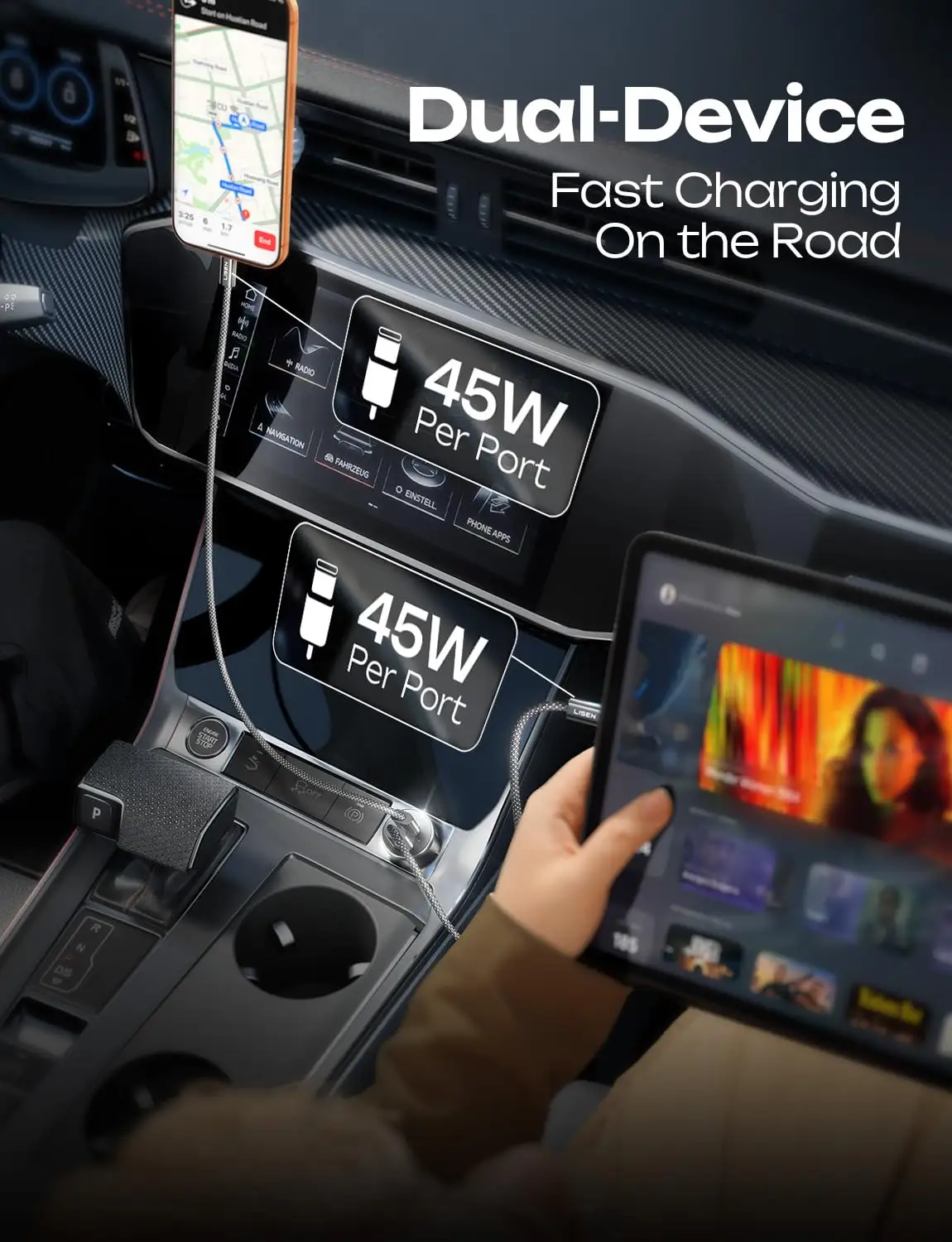
One of the core marketing lines is “dual PD 45W fast charging per port at the same time.” A verified deal poster on Trustpilot pushed back: “It could only deliver 45W PD if it was plugged into a 24V battery… most cars have 12V… when plugged into a 12V battery, it can only deliver 18W PD and 36W total.” This mismatch means owners of most sedans and SUVs could see slower speeds than expected.
Another advertised feature is rapid charging from 0% to 80% in 30 minutes for devices like the Samsung Galaxy S23 or iPhone 16. Digging deeper into user reports, Reddit threads confirm that times close to this are achievable—but typically when charging only one high-draw device and in vehicles supporting higher voltage outputs. When both ports are in use, especially in a 12V system, the charge window lengthens.
Finally, the claim of “smallest car charger yet” drew praise without contradiction. Several commenters across Amazon and Reddit described the size as “thumb-sized” and “barely protrudes past the edge of the outlet,” which made a difference for owners frustrated by bulkier chargers that can catch on hands or cables.
Cross-Platform Consensus
Universally Praised
From all angles—Amazon reviews, Reddit posts, and even skeptical deal forums—the tiny flush-fit design stands out as the most beloved aspect. One Amazon buyer wrote: “It barely sticks out but you can still grab it… makes my dash look clean.” For rideshare drivers, that translates to fewer cable snags and a neater passenger area.
The metal construction isn’t just about looks. Reddit users mention it “feels premium” and “never gets warm even on long drives.” For delivery drivers who keep devices plugged in for hours, this heat resistance is both a safety and comfort feature.
Another cross-platform like is the inclusion of two premium cables. A verified buyer on Amazon noted: “You don’t need to dig for spare cords… the braided Lightning cable is solid, and the USB-C gets my MacBook Air to 70% before my route is over.” This dual-cable bundle saved buyers extra spending and matched the charger’s ports perfectly.
Common Complaints
The most consistent complaint is the power output drop in typical 12V cars, hitting performance expectations hard for tech-savvy buyers. One Trustpilot reviewer called it “deceptive marketing” for advertising maximum wattage without clarifying voltage limitations. Heavy app users—like mobile gamers charging tablets and phones simultaneously—found charging “slowed way down” under load.
A smaller but still noted frustration is the extra-tight fit in certain cigarette lighter sockets. While most praised the flush fit, a couple of Reddit comments flagged removal difficulty in deeply recessed consoles.
Another recurring minor gripe is skepticism around seller authenticity in deal posts. One Slickdeals user bluntly said, “This company is just staff spam,” adding a layer of wariness for bargain hunters.
Divisive Features
The blue LED port light divides opinion: night drivers appreciate easy plug-in identification, but some find it distracts or clashes with interior lighting styles. A Reddit user half-jokingly suggested “stick a piece of tape over it if it bugs you.”
Fast charging capability in multi-device scenarios draws contrasting experiences. Android power users with newer Samsung models under optimal voltage report hitting spec speeds, while others—particularly iPhone users in older cars—cannot replicate those results.
Trust & Reliability
Trustpilot discussions and Reddit skepticism converged on concerns about marketing transparency, not outright hardware failure. No widespread reports of the device breaking prematurely appeared, but buyers resented learning about the 12V limitation post-purchase.
On durability, Reddit has “6 months later…” comments testifying to resilience: “Still as snug as day one… no scratches, LED works, cables perfect.” This suggests the charger can handle frequent plug-unplug cycles without degradation, countering fears about the flush-fit design causing wear.
Alternatives
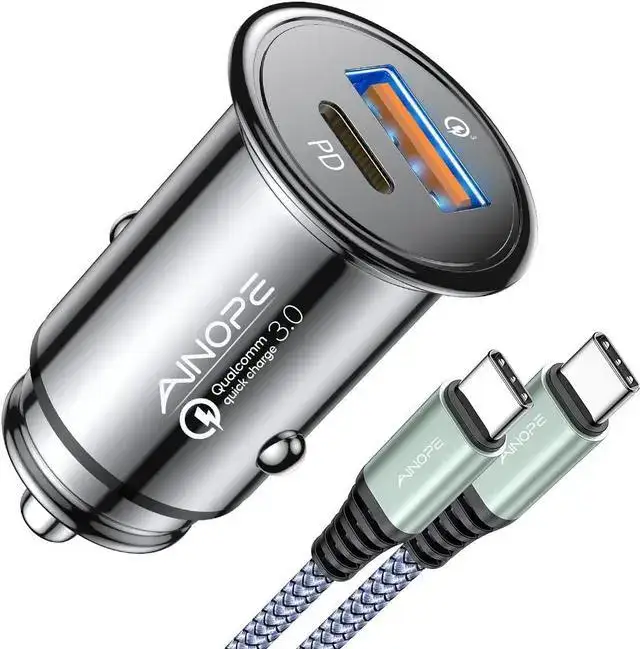
The only mentioned competitor in provided data is the AINOPE 67.5W Car Charger USB C. While it offers slightly lower peak wattage, it markets a similar flush-fit all-metal design. Buyers weighing these models might consider AINOPE if they don’t need dual 45W outputs or wish to avoid the voltage-dependent power drop risk associated with LISEN’s top claim.
Price & Value
Current Amazon pricing lists $15.99–$16.99, with periodic limited-time drops to $12.74 or even $10.77 for Prime members with promo codes. On auctions like eBay, a new unit sold for $5.20, suggesting resale value is modest. Community advice from deal sites urges buyers to grab it during promotions rather than paying MSRP, given the voltage-dependent output.
FAQ
Q: Does the LISEN 90W USB C Car Charger actually deliver 45W per port?
A: Only in vehicles with a 24V battery. In standard 12V cars, users measured around 18W per port and 36W total.
Q: Are the included cables durable?
A: Yes, buyers praise the nylon braided cables for surviving heavy use. Tests claim 40,000+ bends without breakage.
Q: Will it fit flush in all car sockets?
A: In most cases, yes—it’s one of the smallest chargers available. Deeply recessed sockets may make removal trickier.
Q: Does the charger get hot with prolonged use?
A: Not according to user reports. The metal body aids heat dissipation, keeping it cool even when charging two devices.
Q: Is the LED light adjustable or removable?
A: No, it’s fixed. Some drivers who find it too bright simply cover it with tape.
Final Verdict: Buy if you drive a vehicle with a 24V system or you prioritize a compact, cool-running dual-port charger with included cables. Avoid if you expect full advertised speeds in a standard 12V car. Pro tip from the community: wait for sub-$12 deals to maximize value, especially if your car’s voltage limits its output.





