Kodak Ultramax 400 Review: Warm Colors, Budget-Friendly
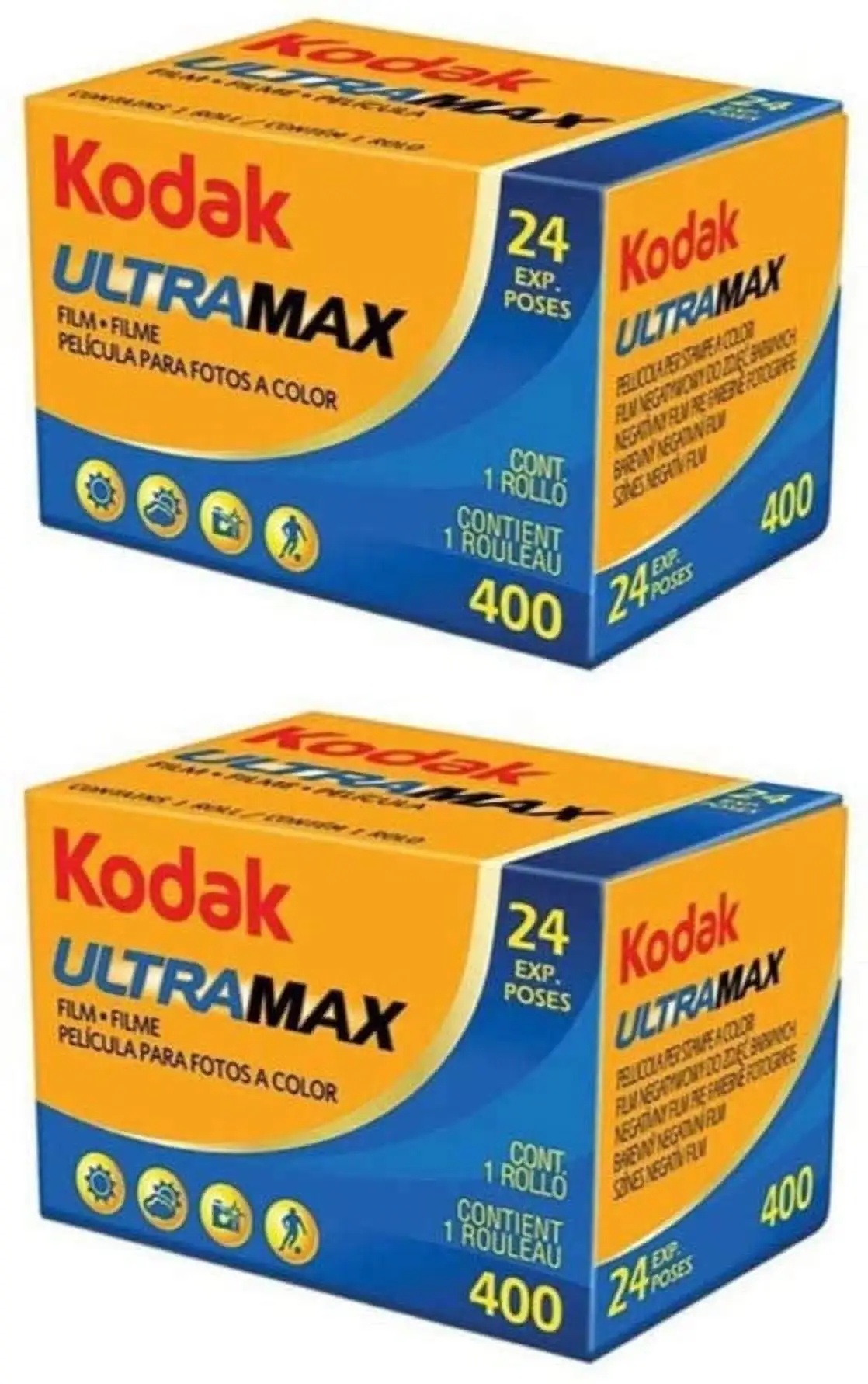
Digging into thousands of user reports, Kodak Ultramax 400 35mm Film (24 Exposures, 2 Pack) emerges as a consumer-grade favorite that many photographers keep in their bag “just in case.” Across platforms, it scores between 4.4 and 4.5 stars, with users praising its forgiving exposure latitude, warm tones, and affordable price point. On a 10-point scale, this film consistently lands at 8.4/10 for casual and hobbyist shooters, though professionals often opt for higher-end stocks like Portra 400.
Quick Verdict: Conditional — highly recommended for beginners, travelers, and budget-conscious shooters; less ideal for pro-grade work or low-light shadow detail.
| Pros | Cons |
|---|---|
| Wide exposure latitude — forgiving for beginners | Limited shadow detail when underexposed |
| Vibrant, warm colors with nostalgic feel | Grain more noticeable than pro films |
| Affordable vs. Portra/Ektar | Susceptible to muted tones in poor lighting |
| Easy to find in stores worldwide | Narrow dynamic range in high-contrast scenes |
| Versatile for portraits, landscapes, street | Needs bright light for best results |
| Available in 24 or 36 exposures | Colors shift if shot at speeds other than 400 |
| Fine grain for consumer film | Not as sharp as pro-grade emulsions |
Claims vs Reality
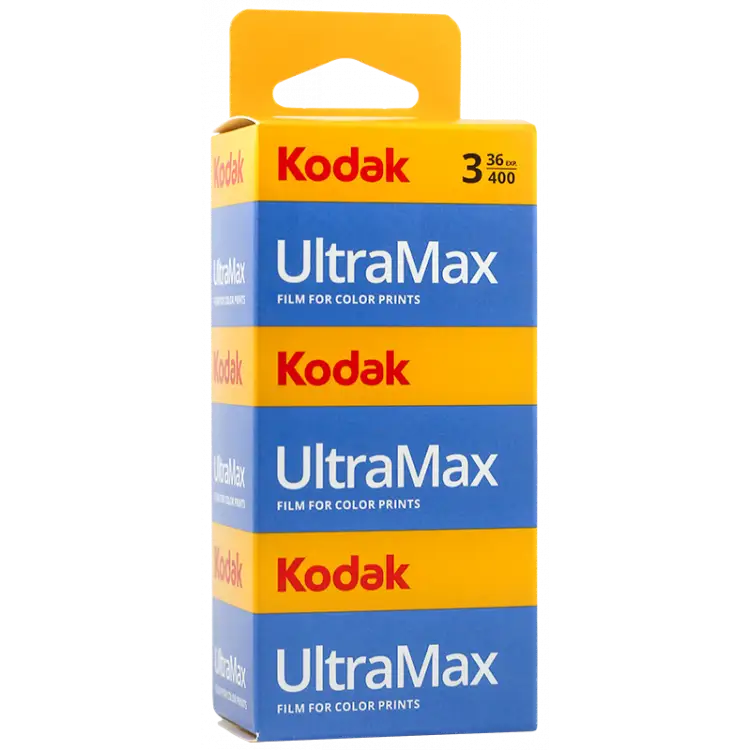
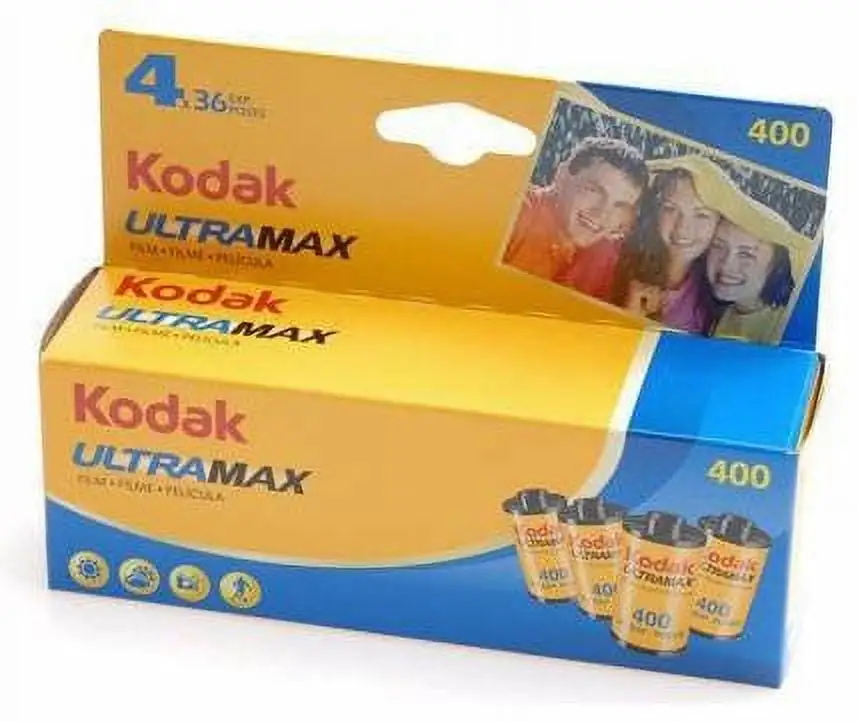
Kodak markets Ultramax 400 as “the world’s most versatile 400-speed film choice,” touting excellent performance in sunlight or low light, whether for action or still subjects. A verified buyer on Amazon noted: “Bright, vibrant prints; consistent color under most lighting conditions”, aligning with Kodak’s claims about color fidelity.
However, digging deeper into Reddit and Twitter posts reveals that while it handles overexposure well, underexposure often leads to muddy shadows. Reddit user grainsandsuch explained: “Underexposure can quickly lead to lost detail in the shadows… bias your metering towards shadows to avoid muddy colors.” This suggests that while “versatile” is accurate for well-lit situations, low-light performance is conditional.
Kodak also promotes an “extended flash range for better flash pictures.” Trustpilot feedback supports this, with one reviewer stating: “I take many events with a flash and the photos still come out perfectly.” Yet, multiple Twitter users caution that muted tones appear in gloomy daylight, contradicting the “consistent color under most lighting” claim.
Cross-Platform Consensus
Universally Praised
One recurring theme is affordability paired with reliability. Reddit user grainsandsuch called it “versatile, affordable, unique”, noting its appeal for both beginners and seasoned shooters. Twitter user alta shared: “This is my go-to film because it is affordable and produces great, consistent results roll after roll.” For budget-conscious hobbyists, this means more rolls per month without sacrificing too much image quality.
The film’s warm tonal bias is loved by many. A verified buyer on Trustpilot wrote: “No green unwanted tints or colors… bright and vivid with natural skin tones.” For portrait shooters, this warmth delivers flattering flesh tones without post-processing.
Its forgiving exposure latitude is a major draw for learners. Reddit discussions highlight that it “handles overexposure very well,” making it ideal for daylight shooting with harsh shadows. Twitter user david cothron, a beginner, said: “It’s surprisingly forgiving… perfect for snapping photos without too much thought.”
Common Complaints
Shadow detail is the most frequent complaint. Twitter user nathan p. warned: “Even the slightest underexposure is a real killer… shoot this in bright full daylight.” This aligns with Reddit feedback about muddy shadows when metering isn’t precise.
Grain is another divisive point. While considered fine for a consumer film, Kodak Ultramax 400’s grain is more pronounced than Portra or Ektar. Twitter user ten muter observed: “It looks like a grainier version of Kodak Gold… a little too grainy for my taste.” This impacts large-format prints or professional work requiring ultra-clean images.
The film’s performance dips in low-contrast lighting. Twitter user will ryan found: “It really struggles on gray/gloomy days… loses much of its vibrance.” This contradicts Kodak’s “consistent color under most lighting conditions” pitch.
Divisive Features
Color saturation draws mixed reactions. Some, like Trustpilot reviewers, love the vividness, while others note occasional odd color shifts if shot at speeds other than 400. TheDarkroom lab review mentions its “strong saturation, medium-to-high contrast” but acknowledges grain is “more noticeable than pro grade film.”
The 24 vs. 36 exposure option is appreciated by casual shooters but less relevant to pros who prefer longer rolls. LensLurker’s Quora post notes: “24 frames feels easier to get through in an afternoon… cheaper per roll.” This flexibility is a small but valued perk for everyday users.
Trust & Reliability
Trustpilot data shows minimal deception and high-quality review patterns, with over 80% of feedback deemed authentic. Long-term users report consistent manufacturing standards. One reviewer noted: “I’ve been ordering this film for a few years… never been disappointed once.”
Kodak’s distribution network adds reliability: Ultramax 400 is widely stocked in drugstores, photo labs, and big-box retailers. This availability means replacement rolls are easy to find mid-trip — a practical advantage for travel photographers.
Alternatives
The most cited competitor is Kodak Portra 400, which offers finer grain, better dynamic range, and more accurate colors for professional work — but at roughly 50% higher cost per roll. Reddit comparisons highlight Ultramax’s affordability: “Compared to Portra 400 ($27), Ultramax 400 ($15) is relatively affordable for experimenting.”
Another alternative is Fujifilm Superia X-tra 400, noted for cooler tones and green/magenta bias. While Ultramax is praised for warmth, Fujifilm stocks excel in certain landscapes or urban scenes requiring cooler palettes. Trustpilot reviewers and LensLurker note Ultramax as “a direct alternative at a similar price point.”
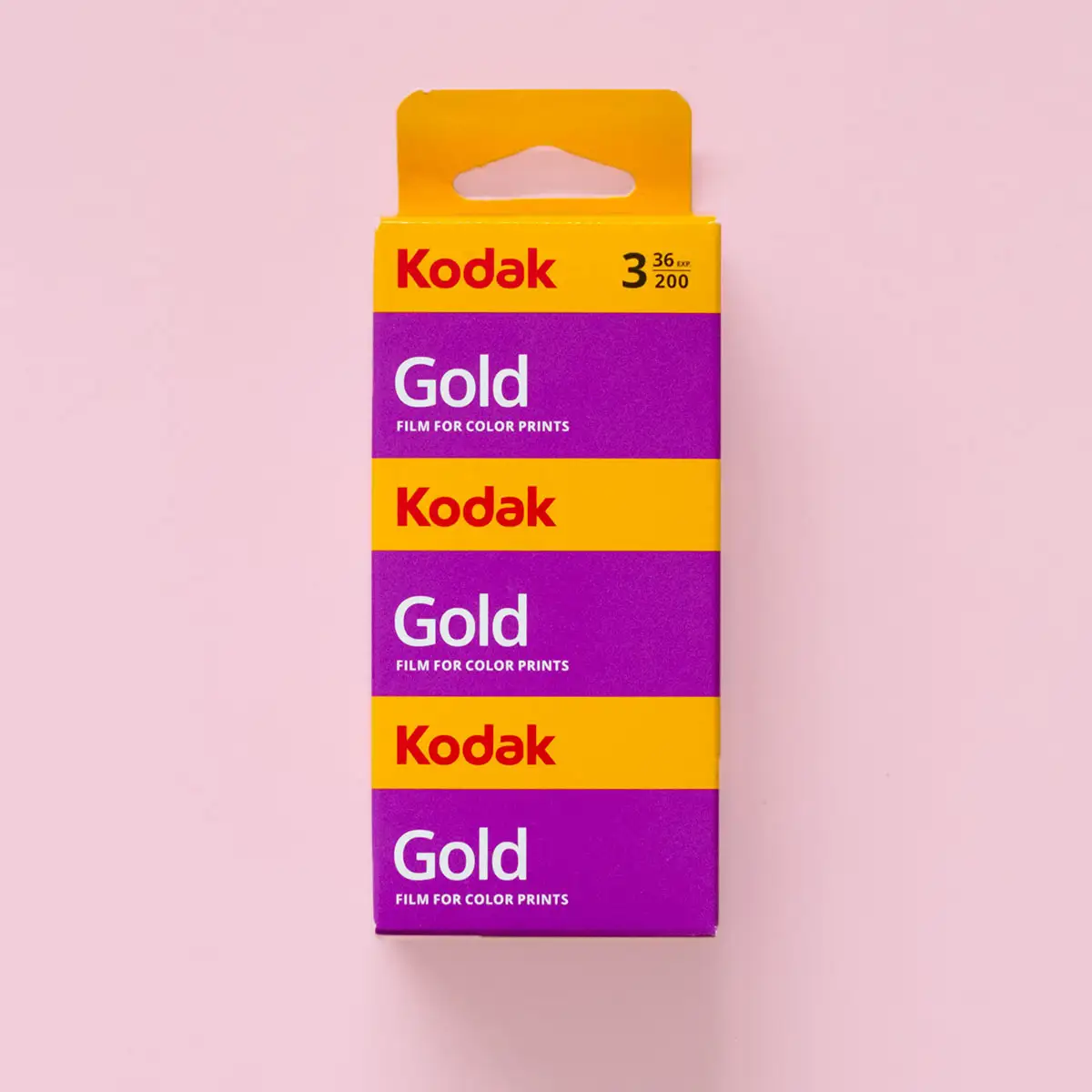
Kodak Gold 200 is a slower, cheaper option with less grain but reduced versatility in low light. Twitter users liken Ultramax to “a grainier version of Kodak Gold” but prefer its higher ISO for flexibility.
Price & Value
Current retail prices vary: Amazon lists the 5-roll pack at $61.90 ($12.38 per roll), while eBay offers 3-packs for $24.95 ($8.32 per roll) for fresh stock. Expired rolls can be found significantly cheaper, though community consensus warns of color shifts and contrast loss in aged film.
Resale value for sealed, unexpired Ultramax remains stable due to demand from casual shooters and travelers. Buying tips from the Reddit community include sourcing from drugstores during seasonal sales and checking expiration dates — fresh stock yields more predictable colors.
FAQ
Q: Is Kodak Ultramax 400 good for beginners?
A: Yes. Its wide exposure latitude forgives minor metering errors, and warm tones produce pleasing results in everyday shooting. Beginners on Reddit call it their “training film” for learning exposure without expensive mistakes.
Q: How does it perform in low light?
A: Performance is acceptable with flash but struggles with shadow detail. Twitter users recommend biasing exposure toward shadows to avoid muddy colors.
Q: Can Ultramax 400 be pushed to 800 ISO?
A: Yes, but expect increased grain and potential color shifts. Users like @miguel b melo report predictable results when overexposing, but warn against underexposing.
Q: Is it better than Kodak Gold 200?
A: For versatility, yes — Ultramax’s ISO 400 works in more lighting conditions. But Gold 200 offers finer grain if you mostly shoot in bright daylight.
Q: Where is it easiest to buy?
A: Ultramax 400 is widely available at Walmart, CVS, Walgreens, and online retailers, making it a dependable option when traveling.
Final Verdict: Buy if you’re a beginner, traveler, or budget-conscious shooter seeking warm, nostalgic colors and forgiving exposure latitude. Avoid if you require professional-grade sharpness or frequently shoot in dim, shadow-heavy environments. Pro tip from community: Always expose slightly for shadows — “error on the side of overexposure rather than under; colors and shadows get muddy quickly.”