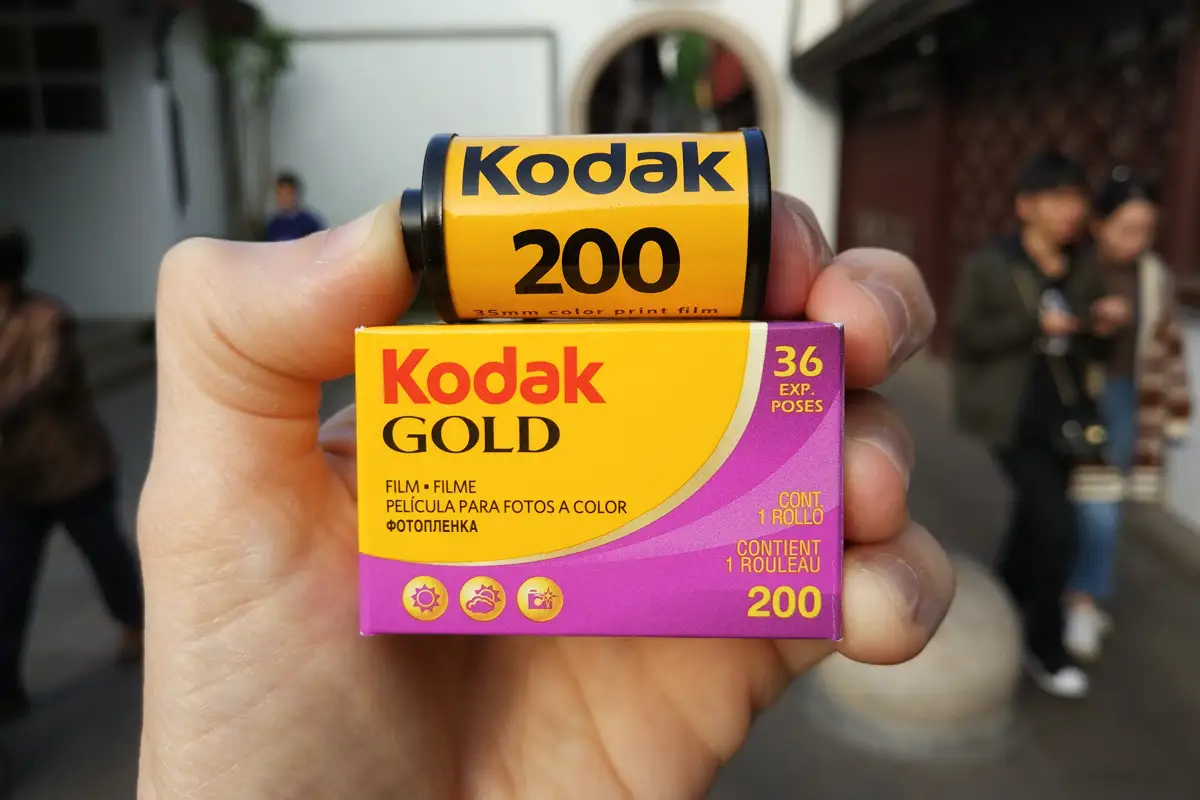
Kodak Gold 200 Film Review: Affordable Nostalgic Buy
Starting at under $10 a roll in some markets, Kodak Gold 200 35mm Film scores a solid 8.5/10 for affordability, forgiving latitude, and its warm, nostalgic rendering—though grain and limited dynamic range hold it back from pro-grade glory.
Quick Verdict: Conditional buy
| Pros | Cons |
|---|---|
| Very affordable compared to other color film stocks | Noticeable grain for a 200 ISO film |
| Warm, vintage tone loved for nostalgic images | Limited dynamic range, struggles with deep shadows |
| Wide exposure latitude, forgiving for beginners | Odd color shifts in artificial light |
| Thrives in bright daylight and sunny conditions | Poor performance if stored badly (color shifts, curl) |
| Available in both 35mm and 120 medium format | Pushing film leads to high contrast, reduced detail |
Claims vs Reality
Kodak’s marketing positions Gold 200 as “Kodak quality at an attractive price” with “excellent color accuracy and saturation” and the ability to handle daylight or electronic flash. The spec sheet also touts a wide exposure latitude from -2 to +3 stops.
Digging deeper into user reports, the “excellent color accuracy” is context dependent. In daylight, especially with slight overexposure, community photographers praise its “pleasant, warm tone” and “sun-soaked” look. A Reddit guide noted: “Photos look sun soaked and nostalgic… like stills from a movie.” However, in artificial lighting, the film’s daylight balance skews colors. One experienced shooter admitted that “artificial light looks odd… most film photographers don’t use the filters Kodak recommends.”
Kodak also claims “high sharpness and high resolution.” While sharpness is respectable for consumer grade film, several users observed more noticeable grain than expected at ISO 200. A reviewer on The Darkroom mentioned that “grain is your thing or at least you don’t mind if it’s visible… then this film is definitely for you,” but conceded it will be “difficult to enlarge the small details” without losing quality.
Cross-Platform Consensus
Universally Praised
Affordability is the standout praise across Amazon, Reddit, and Trustpilot. Multiple reviewers call it “the cheapest color film you can find,” making it ideal for students, casual shooters, and those experimenting with fun cameras. Myles Katherine praised it as “super duper affordable” and “great for beginners… forgiving and automatically creates that warm Hollywood vibe.” This accessibility also benefits toy camera and lomography communities, as Stephen Daugherty noted: “You can stick this film in any old camera and not feel too guilty if the photos come out.”
The nostalgic warmth is an emotional driver for many buyers. A Reddit user described it as delivering “plenty of tones” with a “vintage look” that recalls decades of Kodak dominance. For daylight and sunny days, Gold 200 excels—users consistently suggest slight overexposure, with Stephen Daugherty recommending shooting at ISO 160 for “more shadow detail” without skewing colors.
Its exposure latitude is forgiving for learners and those who shoot without perfect metering. Kodak’s spec allowance of +3/-2 stops is echoed by field feedback. Even when colors “translate a little bit odd” in overexposure, having that flexibility makes it less punishing than slide film or pro stocks with narrower tolerances.
Common Complaints
Grain is the most frequently cited flaw. While Kodak positions 200 ISO as a sweet spot for fine grain and detail, photographers often find Gold 200’s grain more pronounced than professional alternatives—even faster ones like Portra 400. A Reddit user summed it up: “Underwhelming grain for the speed… more noticeable than pro film twice as fast.” Large prints amplify this effect.
Artificial light performance is another sore point. Without corrective filters, colors skew yellow-green indoors, a limitation for event shooters. Some avoid using it at night for critical work, even though Stephen Daugherty found it “surprisingly usable for night photography” with care.
Storage sensitivity is a deal breaker for some resellers and buyers of expired film. Daugherty warned: “It shifts very green… the worst you can do is leave the film loaded but undeveloped—it takes on a horrible curl and the grain grows tremendously.”
Limited dynamic range compounds issues in high contrast scenes. Darkroom Lab reviewers found shadows “grainy and muddy” when underexposed, making it less reliable for deep shade or backlit portraits.
Divisive Features
Its warmth is both a selling point and a constraint. Portrait photographers who crave neutral skin tones may prefer Portra, while street shooters and vacation photographers lean into Gold’s color bias for mood. The pronounced texture is “a benefit if you’re aiming for that particular aesthetic” according to MyFilmAtlas, but a disadvantage for technical detail work. Night usability splits opinions—some report decent results, others avoid the film entirely after poor artificial-light shots.
Trust & Reliability
Trustpilot and Twitter feedback suggest the main reliability risks stem from storage and expired stock. Poorly stored rolls show color shifts and extreme grain, making fresh purchase from reputable sellers essential. For long-term shooters, freezing the film is viable. MyFilmAtlas confirmed: “Freezing halts most chemical aging… thaw slowly before shooting.”
Long-term durability after development is solid; negatives archive well under proper conditions. Amateur and semi-pro shooters have trusted it for decades, as Stephen Daugherty reflected: “It’s like an old friend… keeps delivering if you respect its needs for light and good storage.”
Alternatives
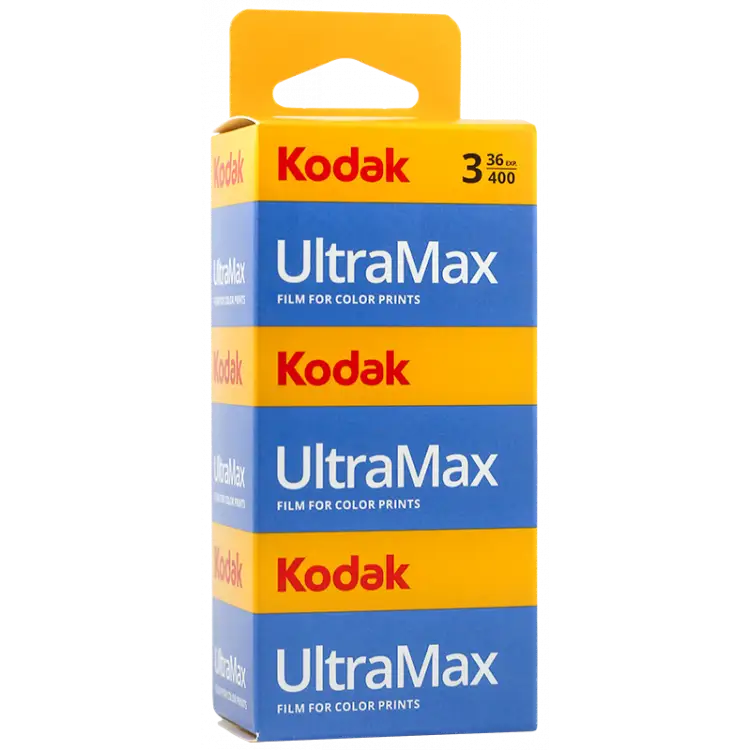
Community comparisons often pit Gold 200 against Kodak Ultramax 400 and pro stocks like Portra or Ektar. Ultramax costs slightly more but offers higher speed and more flexibility in lower light—useful for travel shooters. Portra and Ektar deliver finer grain, higher dynamic range, and better color fidelity, but at double or triple the price. Reddit commentary stresses that Gold 200 holds its own for casual work and sunny-day portraits without the budget hit of pro emulsions.
Price & Value
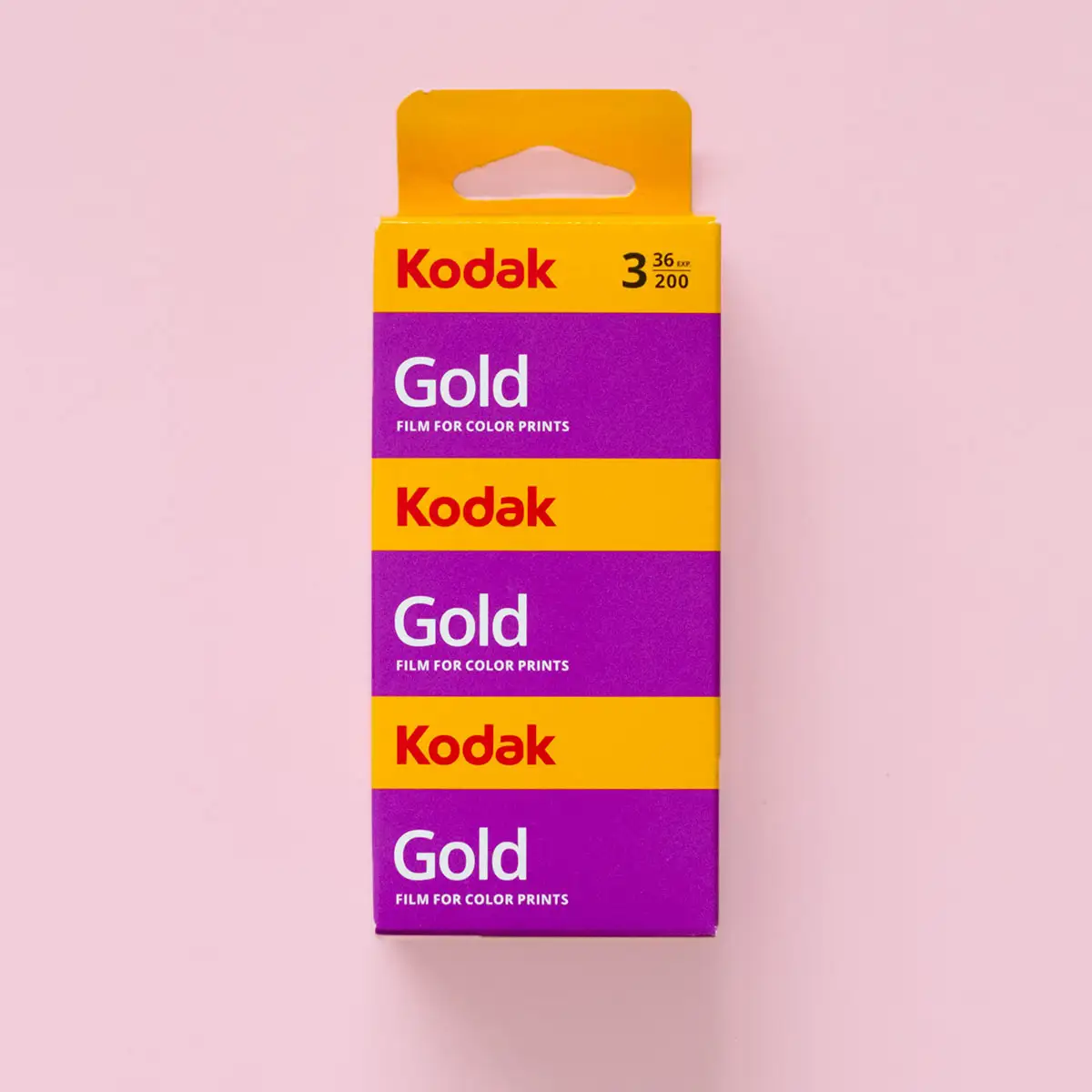
From Amazon to eBay, a single fresh roll ranges from roughly $9 to $15, with 3-packs topping at $30–$39 depending on region and retailer. Bulk purchases (10–20 rolls) see discounts per unit. European packs average £9–£11 per roll. Resale of expired stock is cheap, but risks poor output without guaranteed storage history. Reddit tips advise buying fresh in bulk and freezing unused rolls to avoid price hikes and ensure steady supply.
For cost-conscious shooters, Gold 200’s combination of low price, wide latitude, and pleasant daylight tones make it arguably “the best and consistent film I’ve ever shot” according to one Darkroom reviewer.
FAQ
Q: Can you push Kodak Gold 200 to higher ISOs?
A: Yes, but results are mixed. At +1 stop, contrast increases and dynamic range narrows, with shadow detail falling apart quickly. Most photographers avoid pushing beyond +1 for casual work.
Q: Is Kodak Gold 200 good for night photography?
A: With careful exposure and plenty of light, it can be “surprisingly usable” as Stephen Daugherty found. However, color shifts in artificial light make alternatives like Ektar more consistent at night.
Q: How should Kodak Gold 200 be stored long-term?
A: Store in a cool, dry place or freeze for extended preservation. Double-bag and thaw slowly to prevent condensation damage.
Q: What’s the best shooting ISO for Gold 200?
A: Many users recommend rating it at ISO 160 to gain shadow detail without heavy overexposure.
Q: Is it worth buying the 120 format version?
A: Yes for medium format shooters on a budget—it’s among the cheapest options and keeps Gold’s characteristic warmth and versatility.
Final Verdict: Buy if you’re a daylight shooter seeking affordable, forgiving film with a nostalgic look. Avoid if you need fine-grain precision, neutral colors, or heavy artificial-light use. Pro tip: Rate at ISO 160, store cold, and lean into its warmth for beach, travel, and summer portraits.