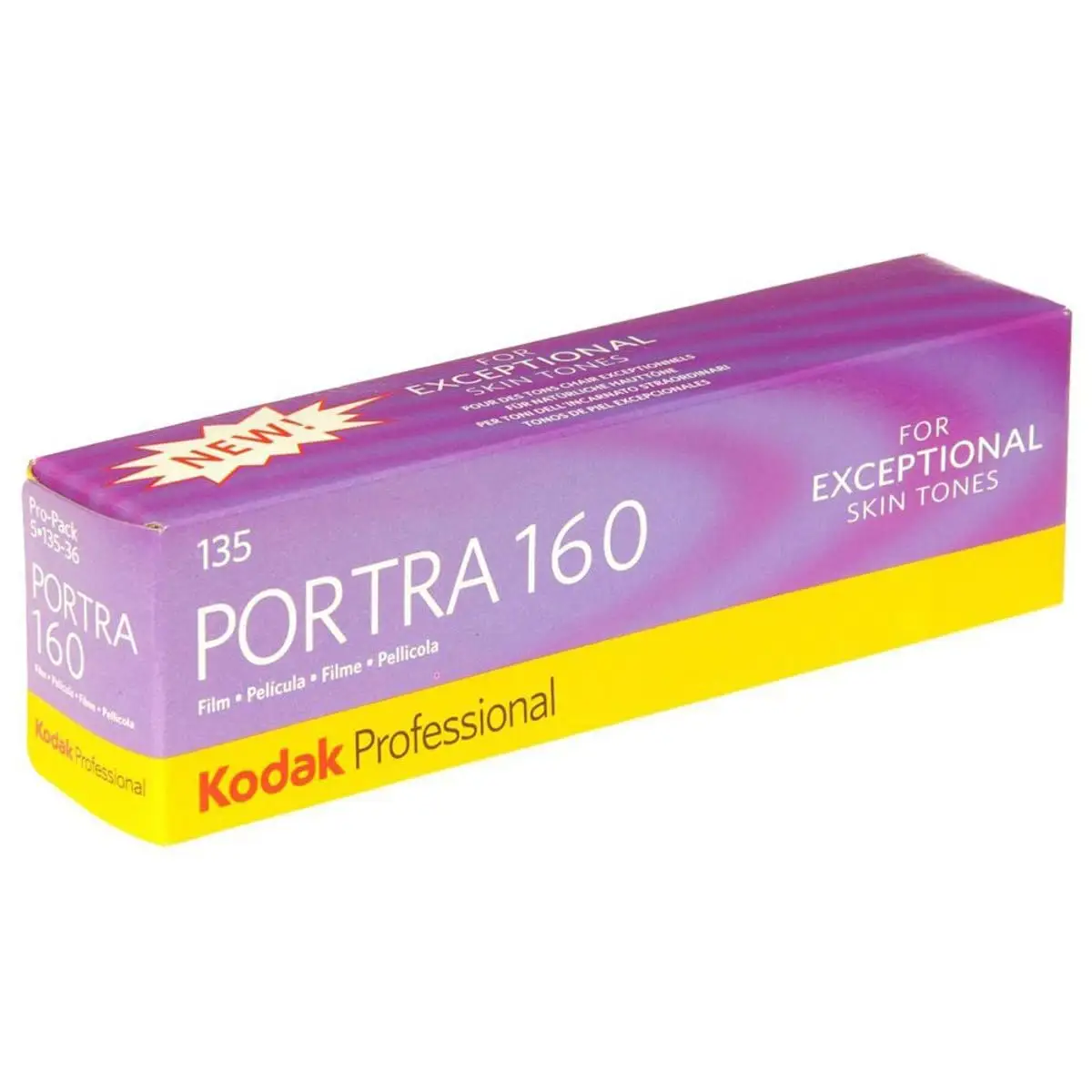
KODAK Portra 160 Film Review: Fine Grain, Warm Tone Verdict
Some photographers swear this film is “the best skin tones, sharpness and detail available from any analog color negative film,” while others see it as less versatile than its siblings. KODAK Portra 35mm Color Film (ISO 160) garners an average score around 9/10 across platforms, driven by praise for its fine grain and natural rendering but tempered by its daylight-centric limitations.
Quick Verdict: Conditional — excellent for daylight portrait and commercial work, less suited for low-light or high-contrast scenes.
| Pros | Cons |
|---|---|
| Exceptionally fine grain — ideal for large prints and scanning | Less versatile in varied light compared to Portra 400 |
| Smooth, natural skin tone reproduction | Muted color palette may feel flat for those seeking punchy saturation |
| Strong performance in harsh daylight | Low ISO limits indoor and evening shooting without extra lighting |
| Wide exposure latitude, especially for overexposure | Can skew warm, requires adjustment for cooler tones |
| Handles mixed lighting better than many digital workflows | Not consistently reliable in changing natural light |
| Balanced medium saturation and low contrast suited to professional use | May lack depth and contrast unless metered carefully |
Claims vs Reality
Kodak’s marketing highlights Portra 160’s “significantly finer grain structure” and “natural color across the entire spectrum.” Amazon lists it as capable of “beautiful portraits at any moment… with good shadow and highlight detail.” Digging deeper into user reports, many confirm the fine grain claim, especially wedding and commercial photographers who rely on large prints and scans. A verified buyer on Amazon noted: “I shot my brother’s wedding on Portra 160… every image has the fine grain quality you want from a professional film.”
However, while Kodak promotes versatility “under a wide variety of lighting,” Reddit photographers caution its limitations. Reddit user Greg*** commented: “Portra 160 might not be quite as versatile as Portra 400… under bright and shiny days, it allows you to shoot at 2.8. In low light, slow down the shutter speed.”
Kodak also claims accurate skin tones, which is widely validated. The Phoblographer review points out: “Those with green undertones look neutral while folks with red undertones look natural.” Yet, those same sources acknowledge a natural skew toward warm tones, which some users mitigate with reflectors for cooler treatments.
Cross-Platform Consensus
Universally Praised: The fine grain is the headline feature. For medium and large prints, professionals value its micro-structure optimized T-grain emulsion. As The Darkroom Photo Lab writes: “Portra 160 is the finest grain of the three Portras… its low ISO makes it great for daylight shooting.” This directly benefits fashion shooters needing expansive enlargements without visible grain.
Skin tone rendering remains a strong point in every community. A Trustpilot reviewer emphasized: “Portra… making clean, proper skin tones always take priority with Kodak.” Wedding shooters in particular appreciate the film’s smoothness under both studio strobes and natural window light. The Phoblographer notes that under mixed lighting, “significantly better than anything digital,” the film keeps undertones accurate.
The exposure latitude draws praise from street and landscape shooters who tend to overexpose slightly. Reddit user Greg*** shared: “I’m setting my light meter to 100 ISO and develop the film as 160. Overexposing… gives me more depth.”
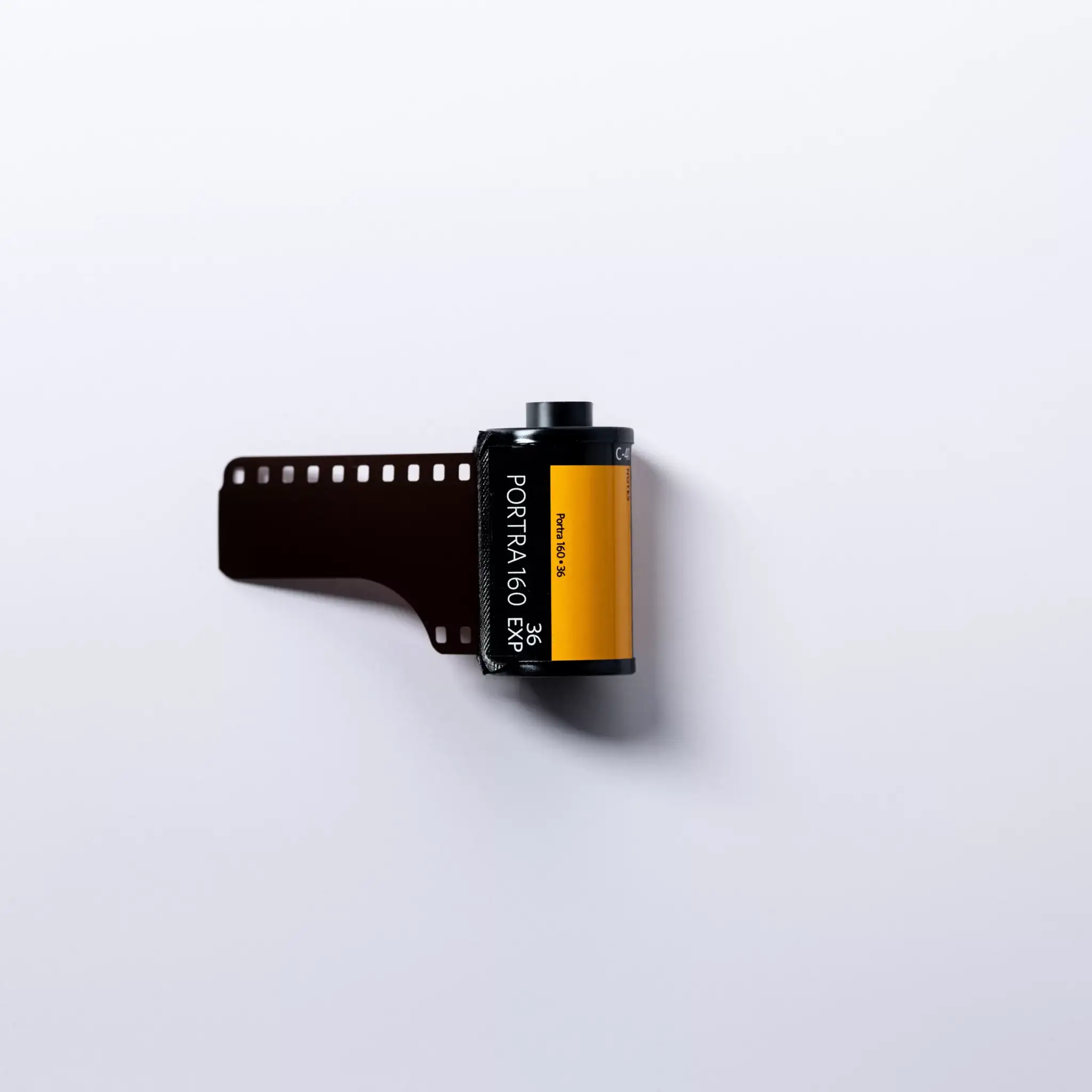
Common Complaints: The most recurring frustration is its low-light performance. Several sources emphasize that ISO 160 can be limiting, particularly indoors or at dusk. Parallax Photographic observed: “Some people find the 160 ISO limiting in certain light conditions… we found it okay for daylight shooting outdoors.” This affects event photographers without full control over lighting, forcing slower shutter speeds or added flash.
Another complaint is its muted color palette in less direct light. The Phoblographer concludes, “Not a single color is punchy and the film lacks contrast — it’s a look that’s mimicked by filters but not always desired.” Landscape shooters sometimes seek more saturation, turning instead to Ektar 100.
Consistency also divides opinion. While it excels in controlled environments, natural light shooters find varying results depending on time of day and weather. “I’ve felt it isn’t giving me as consistent results as Portra 400,” writes one experienced reviewer.
Divisive Features: The warmth in overall color balance is embraced by some, avoided by others. Portrait specialists often see warm tones as flattering, while product and architectural photographers might prefer cooler accuracy. Overexposure can either deepen the aesthetic or push images toward a flatter look depending on taste.
Grain transparency in scans, while often praised, sparks disagreement — some feel the extreme smoothness loses “film personality,” preferring slightly more texture.
Trust & Reliability
On Trustpilot and specialist forums, there’s little evidence of scam patterns. Instead, trust builds from decades-long professional use. The Brownie Camera Guy’s testimonial stands out: “I’ve used Portra film literally thousands of times… offers the best skin tones, sharpness and detail available.” Longevity appears strong; Reddit discussions rarely report expired stock issues when sourcing from reputable channels.
Several users, however, caution that expired Portra 160, often found on eBay, can drastically alter colors if improperly stored, urging buyers to confirm cold storage history.
Alternatives
Within Kodak’s lineup, Portra 400 offers more versatility at a higher price. The Phoblographer notes: “If you want something cooler toned, Lomography Color Negative 100 is what you want… otherwise consider Portra 400 and pulling/exposing it at 160.” Ektar 100 offers punchier saturation but harsher skin tone fidelity, making it better suited for landscapes.
With Fujifilm Pro 160 NS discontinued, Lomography CN 100 remains one of the few cooler alternatives in similar ISO, albeit with different grain characteristics.
Price & Value
Current Amazon listings hover around $15–$21 per single roll; 5-packs run $69–$80, consistent with eBay’s trending price of $70–$75 for bulk. Professionals perceive value in its scanning capability and print quality, while casual shooters may balk at the cost-per-roll given ISO limitations.
Resale values for expired but cold-stored Portra 160 maintain surprising strength among collectors, reflecting brand reputation.
Buying tips from the community include sourcing from pro labs or trusted retailers to avoid poorly stored stock. Many advise testing a single roll before investing in multi-packs if shooting style leans beyond daylight work.
FAQ
Q: Is Portra 160 good for low-light shooting?
A: Not ideally. Multiple reviewers stress its limitations indoors or at dusk without supplemental lighting, due to its ISO 160 speed.
Q: How does Portra 160 compare to Portra 400 for portraits?
A: Portra 160 provides finer grain and slightly warmer tones but is less versatile. Portra 400 offers more flexibility in changing light.
Q: Can I overexpose Portra 160 for better results?
A: Yes, overexposing by 1/3 to a full stop is common, improving depth and maintaining smooth tonality, especially in portraits.
Q: How well does Portra 160 scan?
A: Exceptionally well. Its T-grain emulsion is optimized for scanning, yielding sharp, detailed digital files with minimal noise.
Q: Does Portra 160 work in mixed lighting?
A: Yes, often better than digital in maintaining accurate skin undertones, though overall warmth remains.
Final Verdict: Buy if you’re a daylight portrait or fashion photographer seeking ultra-fine grain and flattering skin tones. Avoid if you rely heavily on low-light or need high contrast. Pro tip from community: Meter at ISO 100 and develop at 160 for richer colors and more depth in bright conditions.