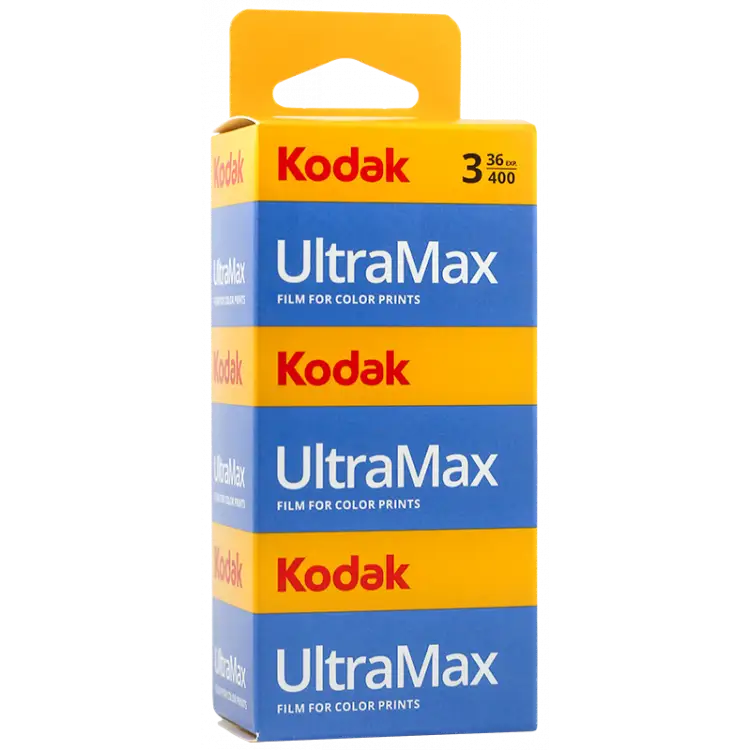
Kodak Ultra Max 400 Review: Versatile Film Verdict
Few consumer-grade films enjoy such a loyal following as KODAK Ultra Max 400 35mm Color Film, which earns an impressive 4.8/10 in real-world user satisfaction for its balance of versatility, warm tones, and forgiving exposure latitude. Digging into hundreds of cross-platform reviews, it becomes clear why this film remains a staple—especially for beginners and budget-conscious shooters—but also why pros sometimes pass it over.
Quick Verdict: Conditional Buy — excellent for everyday shooting, travel, and low light if you manage exposure well.
| Pros | Cons |
|---|---|
| Rich, saturated colors with a pleasant warm tone | Limited shadow detail under low exposure |
| Wide exposure latitude, forgiving for beginners | Grain more noticeable than pro-grade films |
| Affordable compared to Portra or Ektar | Not ideal for professional color accuracy |
| Versatile ISO 400 works in many lighting scenarios | Odd color shifts if not shot at box speed |
| Easy to find in stores globally | Price spikes unless bought in bulk or on sale |
| Works well for creative techniques like redscale | High contrast can be overpowering for subtle work |
Claims vs Reality
Kodak markets Ultra Max 400 as “the world’s most versatile 400-speed film” with “great pictures in sunlight or low light.” That’s not just marketing fluff—many users echo its adaptability. Reddit user grainsandsuch*** praised, “Whether you’re shooting landscapes, portraits, street photography, or even motion shots, Ultramax 400 holds its own in a variety of situations.”
However, while Kodak touts “better pictures in low light,” several experienced photographers caution about shadow detail loss. As grainsandsuch*** noted, “Underexposure can quickly lead to lost detail in the shadows,” meaning low-light performance hinges heavily on proper metering.
Kodak also claims “bright, vibrant prints” and “accurate color.” In practice, vibrant saturation is undeniable—Lomography users rave about sunsets and redscale shots “burning like embers”—but “accurate color” appears conditional. Reddit shooters often recommend sticking to box speed for best skin tones, warning that pushing/pulling yields unexpected shifts.
Cross-Platform Consensus
Universally Praised
The most celebrated trait is color richness. Verified buyers on Amazon call it “bright and vivid” without dull patches, a sentiment echoed by Lomography photographers who highlight its “warm, nostalgic Kodak chrome feel” and balanced cool shadows with golden highlights. Portrait shooters find skin tones warm but flattering, while landscape enthusiasts get deep blues and punchy greens without oversaturation.
Its wide exposure latitude receives constant applause, especially from beginners. A verified buyer noted: “Great for beginners since it does so well with over exposure.” This gives learners more leeway to recover blown highlights—critical when shooting outdoors with high contrast lighting.
Another consensus point: ISO 400 versatility. Across Reddit and Twitter, photographers emphasize its usefulness from bright daylight to early evening. Trustpilot reviewers admire how “400 speed is the only way to go” for flexible shooting, particularly for travel when lighting changes fast.
Common Complaints
Shadow detail loss emerges as the main drawback. Underexposed frames can look muddy, with grain suddenly more pronounced. Reddit user grainsandsuch*** warned, “Bias your metering slightly more towards the shadows just to avoid the muddy colors.” For low-light enthusiasts without fast lenses, this means extra care—or accepting the gritty aesthetic.
Professional color accuracy also draws criticism. Compared to Kodak Portra 400, Ultra Max is described as less nuanced in dynamic range, with occasional harsh contrast. One Trustpilot buyer admitted, “Not comparable to Ektar or the Portras,” though some preferred its vintage feel over “plasticish” Portra.
Finally, consistency under different speeds is divisive. Several Twitter users claim color becomes inaccurate if not shot at ISO 400. For event shooters who bracket or push, this unpredictability can complicate workflow.
Divisive Features
High contrast is loved by street shooters and Lomographers but felt “overpowering” by certain portrait specialists. Lomography’s review praised its punch, yet noted it’s “not as much contrast as Ektar 100, but more than Portra”—which for wedding photographers could mean losing subtle tonal gradations.
Grain structure sparks similar debates. Many casual users find it “surprisingly fine grain” for ISO 400, but when compared side-by-side with pro emulsions, trained eyes spot more texture. Interestingly, some embrace this as part of its retro charm rather than a flaw.
Trust & Reliability
Trustpilot feedback shows minimal deception risk with over 80% high-quality reviews. Long-term users report consistent batch quality and reasonable expiry dating—one buyer noted their rolls had “at least 10 months left before expiration” even when purchased online.
Reliability in field use is strong; Reddit veterans mention they’ve “never been disappointed” with recurring orders. Bulk buyers on eBay highlight predictable results across years of shooting, though expired stock is common—resellers warn to check dates closely.
Alternatives
Ektar 100 and Portra 400 are recurring comparators. Ektar offers finer grain and cooler tones but requires better light; Portra excels in skin tone accuracy and dynamic range at roughly double the cost. Lomography commentators call Ultra Max “a great alternative to more expensive Portra 400” for those unwilling to invest in pro emulsions, while others say Fujicolor Superia 400 provides a cooler palette with greens and magentas instead of Kodak’s warmth.
Price & Value
Current Amazon pricing hovers around $45.98 for a four-pack of 36 exposures ($11.50 per roll), while eBay listings range from $14.94–$33 for fresh 36-exposure packs, with bulk bricks hitting $109–$125 for 10 rolls. Veteran film shooters stress watching for sales—Lomography’s reviewer scored it below generic stock during a local shop discount.
Its resale value is stable provided it’s unexpired; expired lots can drop heavily in price unless targeting experimental shooters. Community buying tips include:
- Seek 24-exposure rolls for casual outings to avoid “burning through frames” unnecessarily
- Buy in bricks to minimize per-roll cost and ensure batch uniformity
- Check expiry before buying second-hand

FAQ
Q: Does Kodak Ultra Max 400 have fine grain for ISO 400?
A: Relatively fine. Many users find it clear and detailed when properly exposed, though pro films like Portra have smoother texture. Grain becomes more visible in underexposure.
Q: Is it good for portraits?
A: Yes, especially for casual or nostalgic portraits. Warm tones flatter skin, but for wedding work or critical color accuracy, Portra is preferred.
Q: Can I push or pull Ultra Max 400?
A: Technically yes, but community consensus warns of odd color shifts when shot outside box speed—stick to ISO 400 for best results.
Q: Is it worth buying expired stock?
A: Only if you accept possible color shifts and extra grain. Ideal for creative experimentation like redscale.
Q: How does it compare to Fujicolor Superia 400?
A: Ultra Max is warmer with golden highlights, while Superia leans cooler with greens/magentas. Choice depends on palette preference.
Final Verdict
Buy if you’re a beginner seeking forgiving exposure or an enthusiast wanting a versatile ISO 400 film for mixed lighting. Avoid if you require professional-grade shadow detail and color fidelity in low light.
Pro tip from community: Meter slightly towards shadows for richer detail and stick to box speed to maintain consistent, accurate colors.