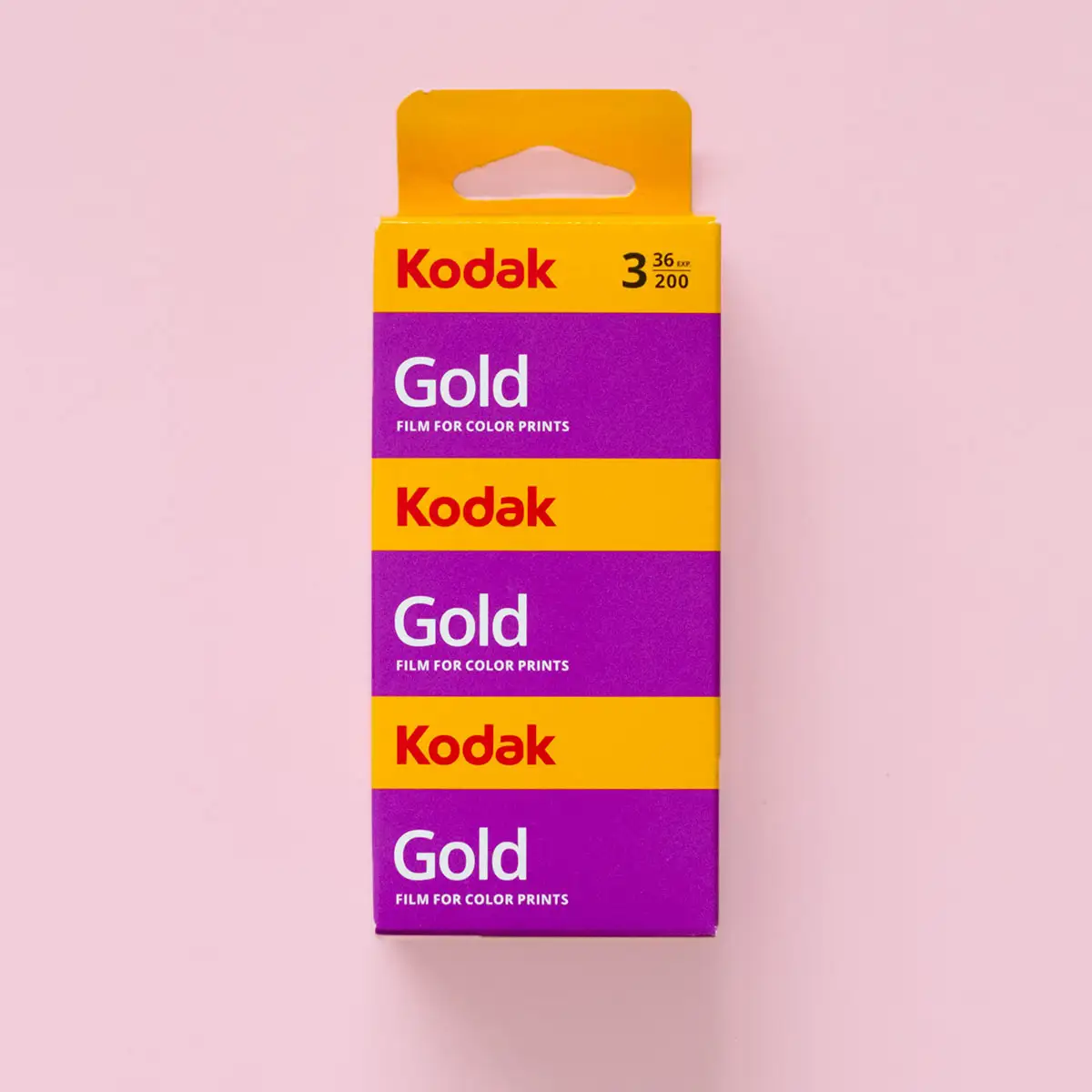
Kodak Gold 200 Film Review: Value, Warmth & Verdict
Straight from countless film archives and community labs, Kodak Kodacolor Gold 200 Film emerges as both a nostalgic favorite and a budget-friendly workhorse — scoring 8.5/10 in user sentiment. While the marketing paints it as “excellent color accuracy” for daylight shooting, what keeps photographers coming back is a blend of warm vintage tones, forgiving exposure latitude, and a price that’s hard to argue with, even in a world where analog costs are climbing fast.
Quick Verdict: Conditional — buy if you shoot in bright daylight or crave soft vintage tones, avoid if your work demands high dynamic range or consistent artificial light performance.
| Pros | Cons |
|---|---|
| Warm, nostalgic color palette | Noticeable grain for ISO 200 |
| Affordable compared to pro-grade films | Odd color shifts under artificial lighting |
| Forgiving exposure latitude (esp. over) | Less dynamic range than premium stocks |
| Works great in point-and-shoot cameras | Struggles with shadow detail when underexposed |
| Available in both 35mm and 120 format | Sensitive to poor storage/temperature |
Claims vs Reality
Kodak’s marketing proudly touts “excellent color accuracy and saturation” with “wide exposure latitude,” specifying overexposure tolerance up to +3 stops and underexposure down to -2 stops. Digging deeper into user reports, the daylight claim holds up — bright sunshine consistently delivers that saturated, warm “film pop” aesthetic. Reddit user grainsandsuch said: “Gold tends to accentuate yellow sunlight… if you have a contrasting blue in your pic, this is when it really pops.”
However, artificial light scenarios tell a different story. As Twitter reviewers noted, “The daylight color balance produces odd colors in artificial light,” often skewing yellow or green unless corrected with filters — a step many modern shooters forego.
Another promise of “high sharpness” meets mixed field results. While The Darkroom Photo Lab describes it as “very fine grain,” photographers stacking it against pro-grade stocks like Portra find the texture more pronounced. Nick Colburn explained, “If you miss exposure too badly, yuck. The grain is quite harsh… when you get your exposure right, you just might hear celestial singing.”
Cross-Platform Consensus
Universally Praised:
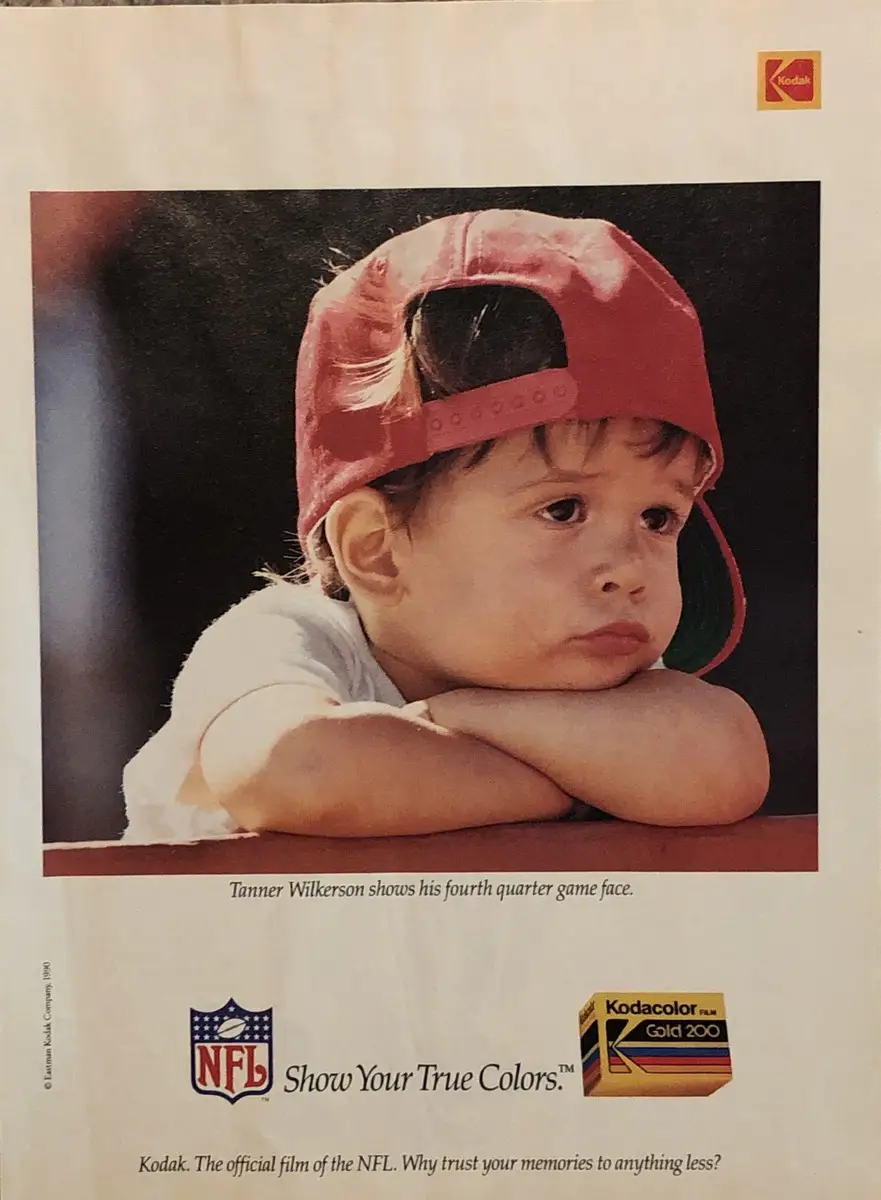
The affordability factor dominates praise. Twitter noted it’s “often the cheapest color film made by any company,” making it attractive for beginners or high-volume shooters. For point-and-shoot fans, its reliability in daylight is king. A verified buyer on Amazon noted: “Great for everyday use... the more I look at the pictures, the more I like it.” The film’s warm vintage tone isn’t just a technical feature — it’s an emotional one. Stephen Daugherty from Trustpilot called it “an old friend… the look feels like childhood to me.”
Its tolerance for mild overexposure is another bright spot. Shooting at box speed with generous sunlight yields pleasing saturation without blowing highlights. Reddit user jokasi58 found that box speed with shadow metering “usually goes a bit wild in yellow or magenta tones but nothing crazy” — an outcome often fixed in post.
Common Complaints:
Underexposing Gold 200 often spells trouble. Grain creeps into shadows, details muddy, and the “balanced” tones can collapse into oversaturation. Twitter’s LensLurker guide warned: “Shadows can get grainy and muddy pretty easily.” Artificial light performance repeatedly frustrates users, especially without corrective filters — yellows skew heavily and cooler tones drift.
Storage sensitivity adds another layer of risk. Stephen Daugherty cautioned against expired or heat-exposed rolls, noting “it shifts very green... store cold and develop promptly.”
Divisive Features:
Grain is the most polarizing trait. Some love the pronounced texture for its analog authenticity — MyFilmAtlas says its grain “evokes a kind of vintage feel,” while others see it as coarse for a 200-speed film. Similarly, its saturation levels divide opinion. Colburn loves the “middle ground” between Portra and Ektar, but others report dull colors in overcast conditions unless boosted during scanning.
Trust & Reliability
Trustpilot and Reddit threads align on spotting color shifts in mishandled stock. Poor storage or keeping exposed film undeveloped for months can lead to severe curl and elevated grain. Long-term users confirm durability is fine under proper conditions: “It’s been my go-to for 15 years… works best with lots of light,” wrote Reddit’s the_nope_gun.
Reliability in availability is also notable — from Walmart aisles to specialized camera shops, fresh rolls are easy to find, and both 35mm and recently reintroduced 120 formats give shooters flexible options without scarcity panic.
Alternatives
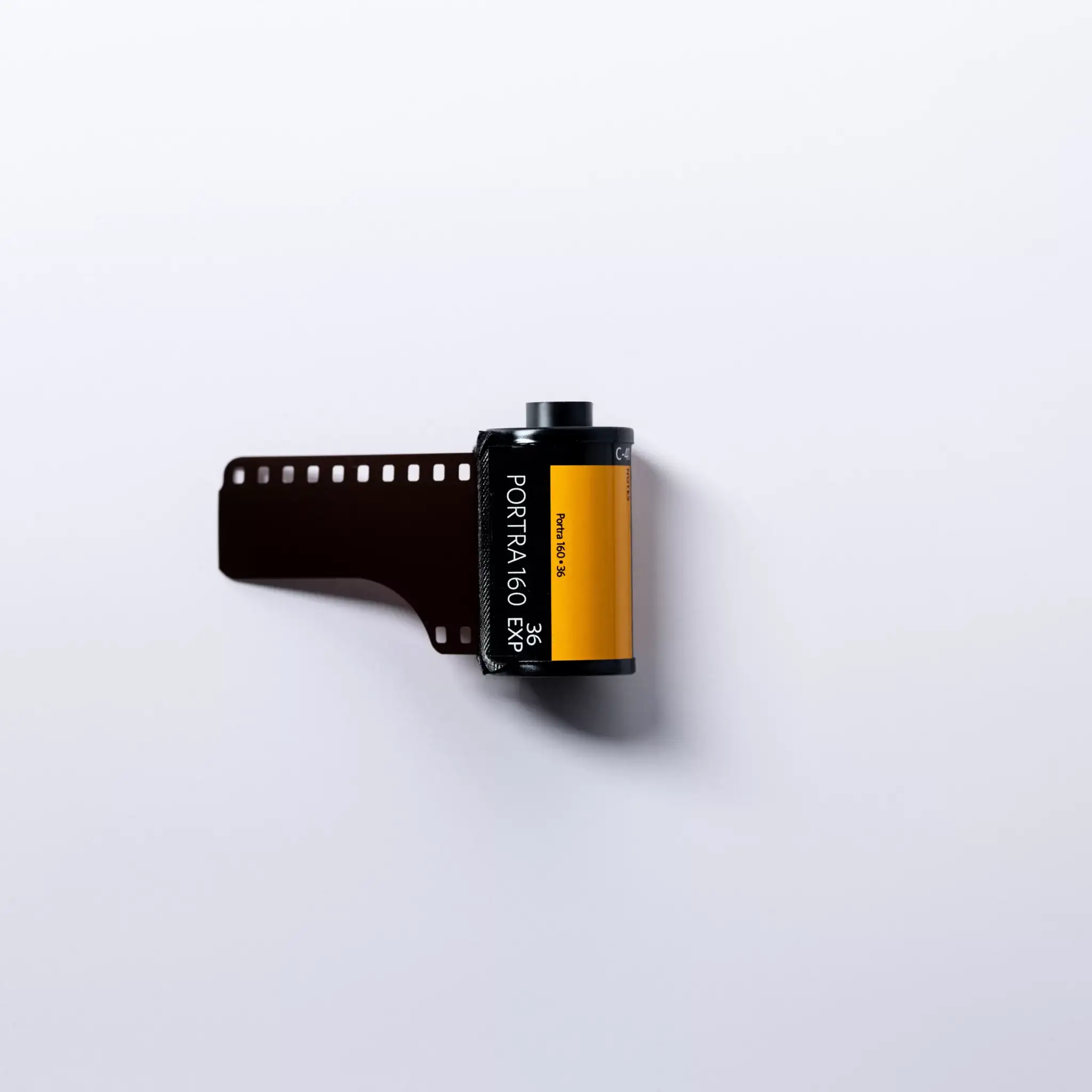
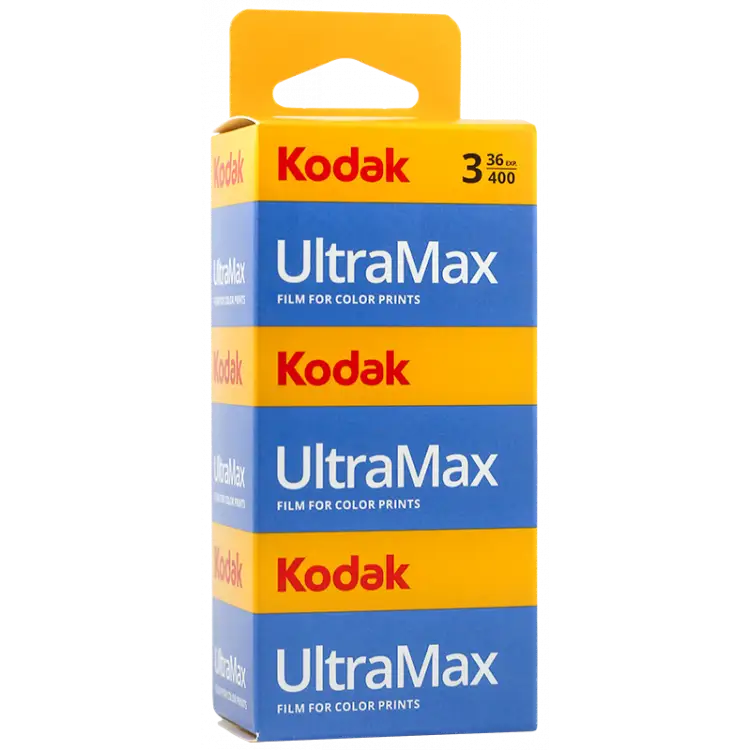
Portra emerges as the hot comparison — superior dynamic range, smoother grain, and truer color accuracy, but at over triple the cost. Ektar offers even more saturation but sacrifices skin tone neutrality. Fuji C200 is mentioned as a peer but tends toward green/brown casts, making Gold 200 a safer bet for warm palettes. For those strictly seeking low-light performance, Ultramax 400 stands out in price parity but trades some of Gold’s soft tonal charm for speed.
Price & Value
On eBay US, fresh 3-packs hover around $29.50, while UK buyers pay ~£29.95. These prices contrast sharply with premium stock bricks at $80+ for similar exposure counts. Users emphasize buying fresh, in bulk, and from trusted sellers — avoiding expired rolls unless seeking experimental color shifts. Resale of expired Gold 200 remains modest, reflecting its utilitarian rather than collector status.
FAQ
Q: Can Kodak Gold 200 be used indoors without a flash?
A: It’s possible but expect warmer, sometimes yellow-shifted colors without correction. Most users recommend sticking to daylight or using flash for accurate tones.
Q: How much can you overexpose Kodak Gold 200 before losing detail?
A: Kodak claims +3 stops tolerance, but many find +1 gives pleasing highlights without color oddities.
Q: Is Kodak Gold 200 grainy compared to other ISO 200 films?
A: Yes, grain is more pronounced than pro stocks like Portra 160 or 400, though some see this as part of its charm.
Q: Does freezing Kodak Gold 200 extend its shelf life?
A: Yes, freezing halts most chemical aging. Bag it twice, label with date, and thaw slowly before use.
Q: Is it worth pushing Kodak Gold 200 to ISO 400?
A: Users generally advise against — contrast increases and shadows degrade quickly.
Final Verdict: Buy if you shoot mostly in bright daylight, love warm tones, and value affordability. Avoid if your work demands flawless shadow detail or frequent artificial light shooting. Community pro tip: “Feed it a lot of light… and you’ll be rewarded. Skip cloudy days unless you want muted color experiments.”