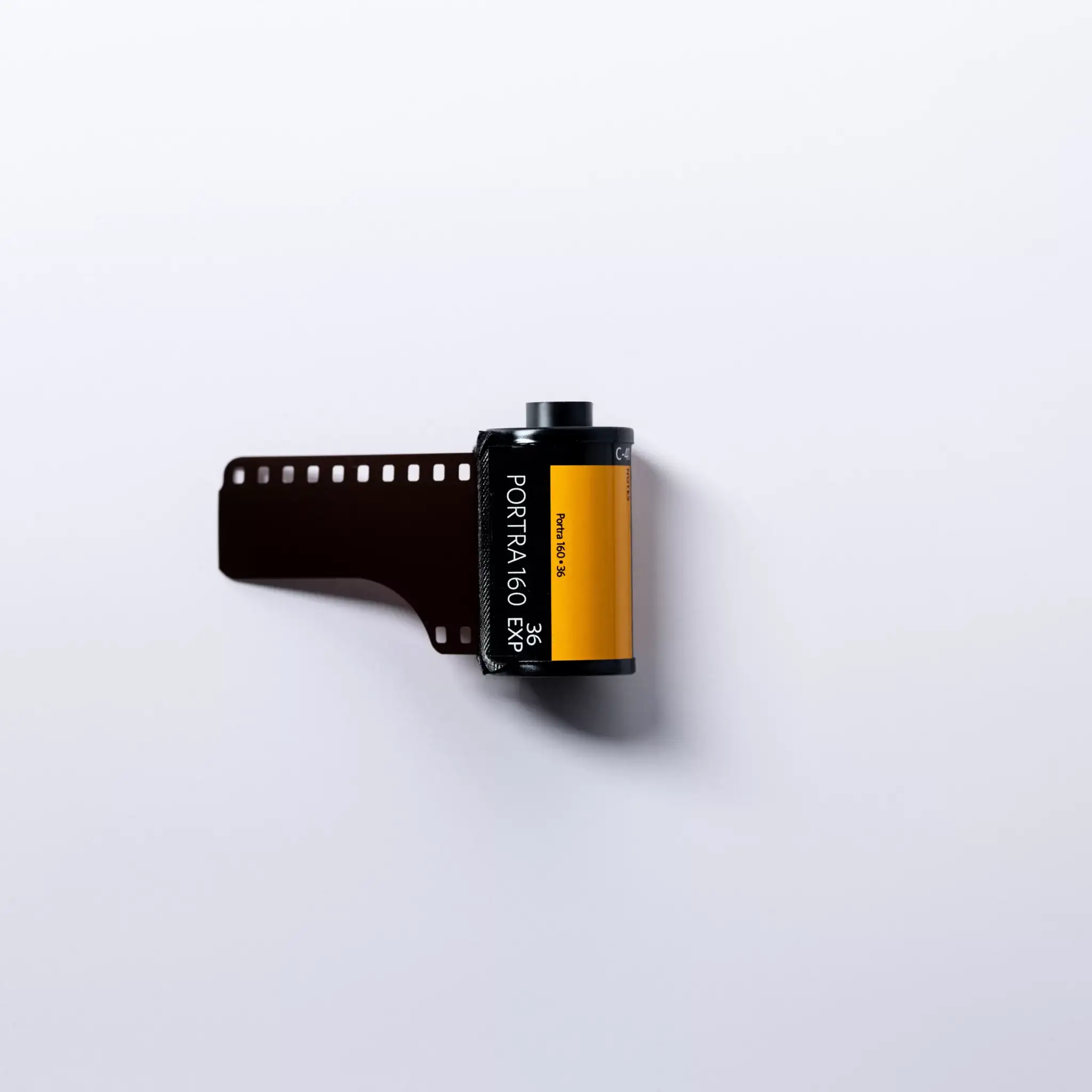
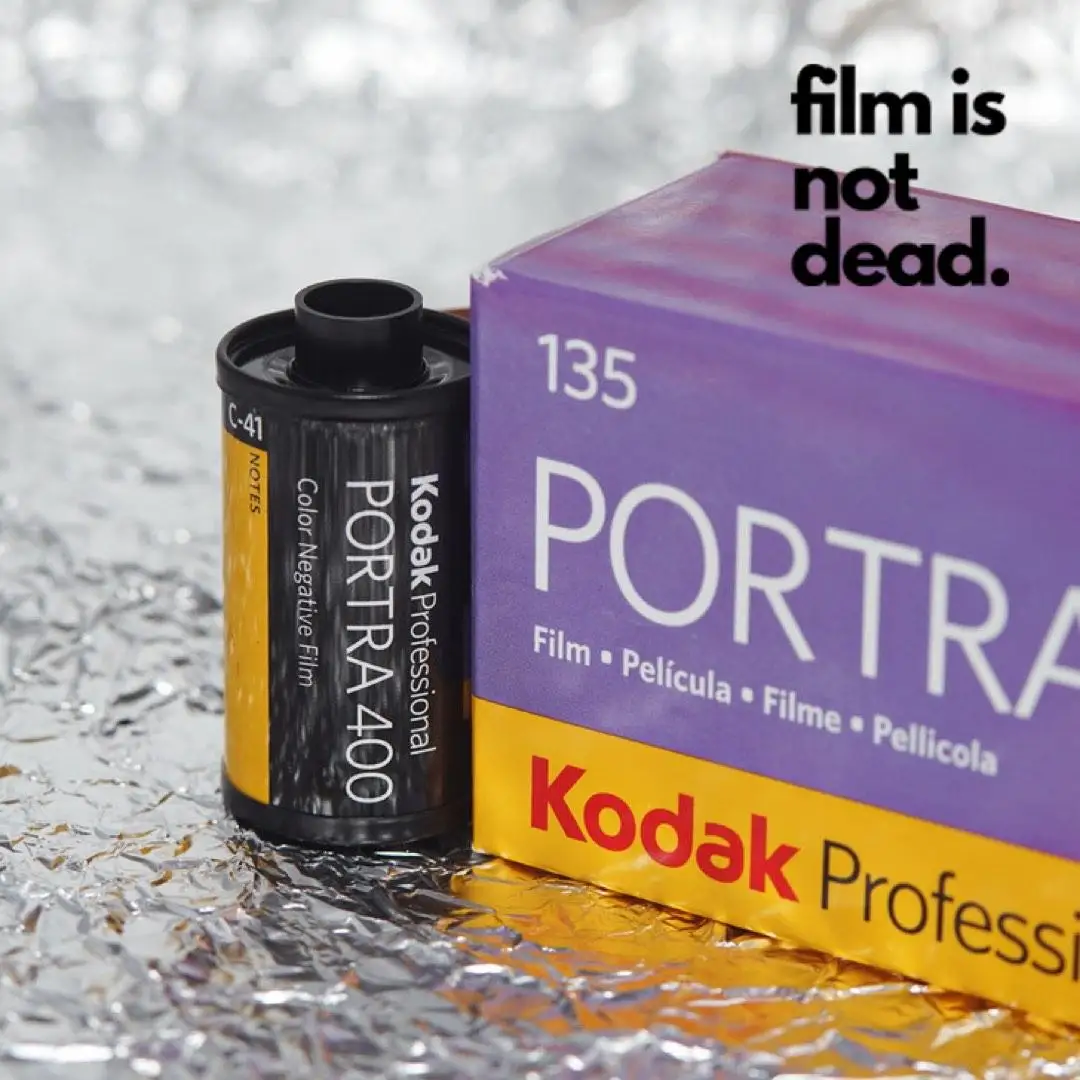
Kodak Portra 400 Review: Warm Tones with Caveats
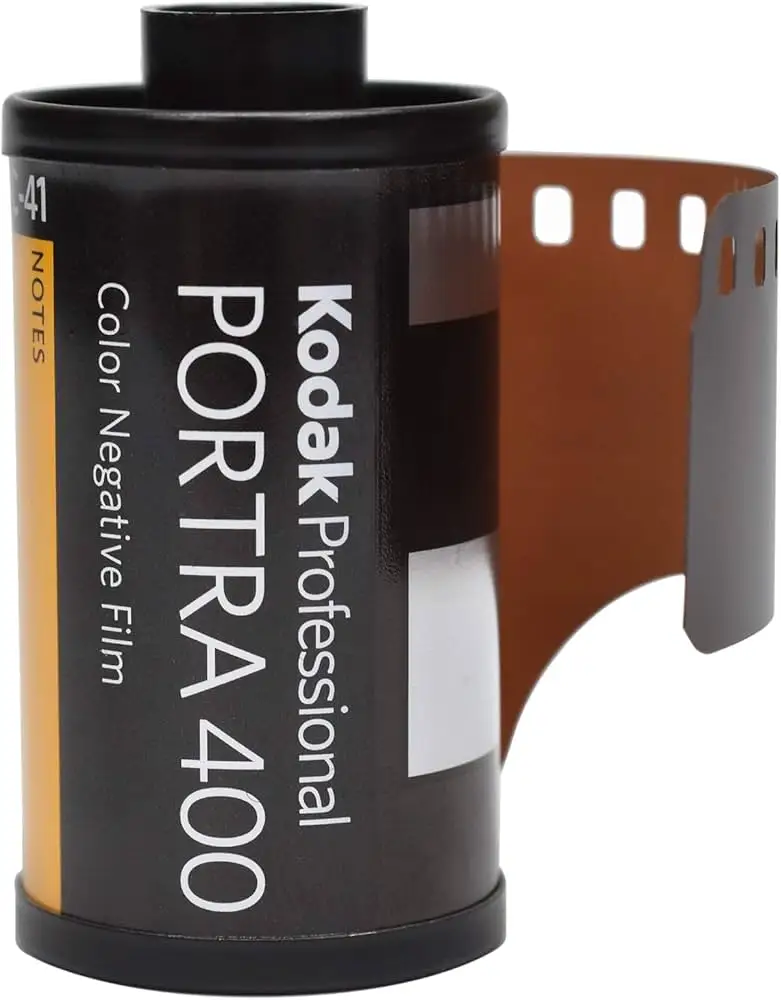
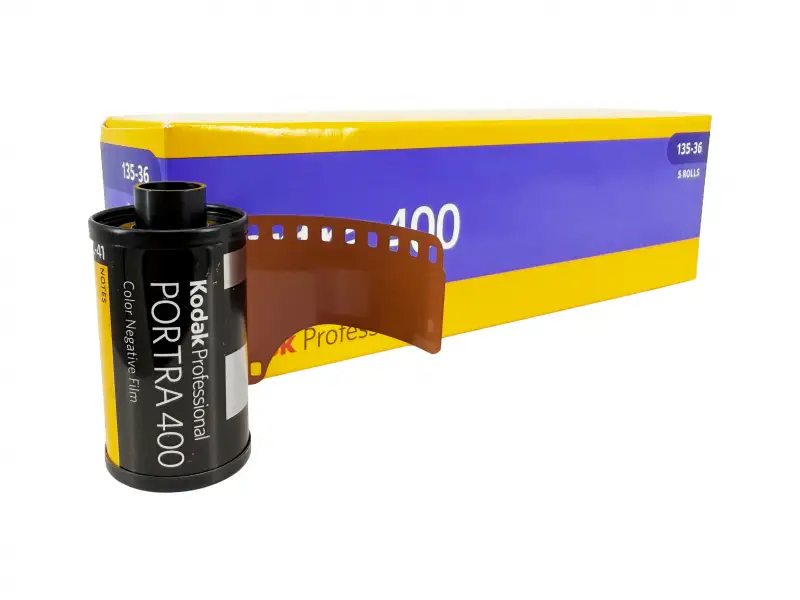
Starting with a surprising insight from community reports: KODAK Portra 400 Professional 35mm Color Negative Film (5 Roll Pack) consistently earns near-perfect ratings, with a 4.8/5 average across Amazon and Trustpilot, yet even loyal users admit occasional quality control quirks. Based on aggregated feedback, the verdict lands at 9.3/10, praised for its versatility, fine grain, and skin tone rendering, but docked slightly for packaging issues and price hikes.
Quick Verdict: Conditional — exceptional for both professionals and hobbyists who value exposure latitude and warm tones, but budget-conscious shooters may balk at rising costs.
| Pros | Cons |
|---|---|
| Exceptional skin tone reproduction | Rising price across all markets |
| Wide exposure latitude | Occasional poor packaging on delivery |
| Fine grain for ISO 400 | Rare rewind resistance issues |
| Versatile in various lighting conditions | Can feel “too safe” for creative risk-takers |
| Ideal for scanning and enlargement | Push processing can increase grain noticeably |
| Consistent results across batches | Limited local availability in some regions |
Claims vs Reality
Kodak markets Portra 400 as “daylight-balanced, professional color negative film with smooth, natural color palette, vivid saturation, and low contrast for accurate skin tones.” On paper, it’s positioned as a do-it-all stock for portraits, weddings, and travel.
Digging deeper into user reports, these claims hold up remarkably well. A verified buyer on Amazon noted: “The colors are just insane… I actually love the way it looks. I took a leap on using this expensive film and am well pleased.” This matches Kodak’s promise of color fidelity, especially for skin tones.
However, while Kodak touts “very fine grain” for a high-speed film, some users find pushed processing breaks this promise. Reddit discussions reveal photographers pushing Portra to ISO 800 or beyond often see “grainy and oddly saturated” results. Reddit user feedback highlights that overexposure is well-tolerated, but underexposure leads to “way less detail and definitely grainy” frames, which contrasts with the impression of an all-conditions film.
Cross-Platform Consensus
Universally Praised
Across Amazon, Reddit, and Trustpilot, Portra 400’s exposure latitude emerges as its defining strength. The Darkroom Photo Lab review captures the sentiment: “Portra has incredible exposure latitude… it does well with overexposure and pushes well.” This forgiving nature benefits beginners and pros alike — wedding photographers praise its ability to retain highlight detail even in unpredictable lighting, while travel shooters enjoy freedom from perfect metering.
Skin tone reproduction is another near-universal praise point. The Brownie Camera Guy on Twitter/X stated: “Portra film offers the best skin tones, sharpness and detail available from any analog color negative film.” Editorial photographers on Reddit echo this, often choosing Portra 400 over Fuji Pro 400H for warmer undertones.
Its fine grain for ISO 400 is seen as a major advantage. Lomography reviewers describe it as “silky smooth” with “almost no detectable grain,” even in large prints. This makes it attractive for scanning workflows — users emphasize Kodak’s optimization for digital scanning as a key selling point.
Common Complaints
The most consistent gripe is price. Moment’s feature calls it “pricey, but worth it,” a phrase repeated across platforms. Amazon buyers express frustration at paying “more than I wanted to” but concede it’s reasonable given current film market trends. eBay resale prices show steady inflation, with fresh 5-packs often exceeding $100.
Packaging issues appear sporadically but notable: one Amazon customer reported “films good but it was very poorly packaged and came damaged”, which undermines the premium positioning. Another described “super stubborn” rewind resistance across multiple rolls, resulting in stretched negatives — a rare but concerning mechanical flaw for analog shooters.
Divisive Features
Portra 400’s “safe” look divides opinion. While many adore its consistent warmth and low contrast, some Moment contributors feel it’s “a little too safe” for experimental work, preferring higher-contrast or more saturated stocks like Kodak Ektar 100 or slide films. Push processing also polarizes — some admire the moody, grainy aesthetic at 3200 ISO, as seen in Lomography articles, while others avoid it due to degraded image quality.
Trust & Reliability
Trustpilot and Amazon reviews suggest strong long-term reliability. Several buyers mention purchasing for years “without a dud,” reinforcing confidence in Kodak’s manufacturing consistency. However, the rewind resistance issue, though rare, raises questions about occasional mechanical QC lapses.
No widespread scam concerns emerged, but packaging damage during shipping appears more than once. International buyers note fast delivery from Amazon, with one in Manila calling it “the best way to get Portra 400” despite inevitable price hikes.
Alternatives
The most frequently mentioned rival is Fuji Pro 400H, which offers cooler tones. Reddit comparisons describe Portra as warmer, with orange/yellow undertones, while Fuji leans green-blue. For vivid landscapes, users suggest Kodak Ektar 100 — sharper and more saturated, but harsher on skin tones. Lomography reviewers note Portra 400’s latitude outperforms both in forgiving exposure mistakes, making it more versatile for casual shooting.
Price & Value
Current pricing on eBay ranges $75–$103 for fresh 5-packs, with expired variants selling lower. Amazon lists at $74.95 but fluctuates with stock. Resale values hold strong; unopened packs maintain near-retail pricing years after release, reflecting collector and professional demand. Community buying tips include bulk purchasing before price increases and sourcing from international sellers to offset local shortages.
FAQ
Q: Is Portra 400 good for beginners?
A: Yes. As Samy’s Camera notes, it’s forgiving of exposure mistakes and works in diverse lighting. Beginners benefit from its wide latitude and consistent color reproduction.
Q: How does it handle overexposure?
A: Exceptionally well. Reddit photographers often rate it at ISO 200 to protect shadows, yielding bright, colorful results without losing detail.
Q: Can it be pushed to higher ISOs?
A: Yes, but expect more grain and saturation shifts. Lomography reports pushing to ISO 3200 with “almost no grain” in some cases, though others find quality drops.
Q: Is it worth the premium price?
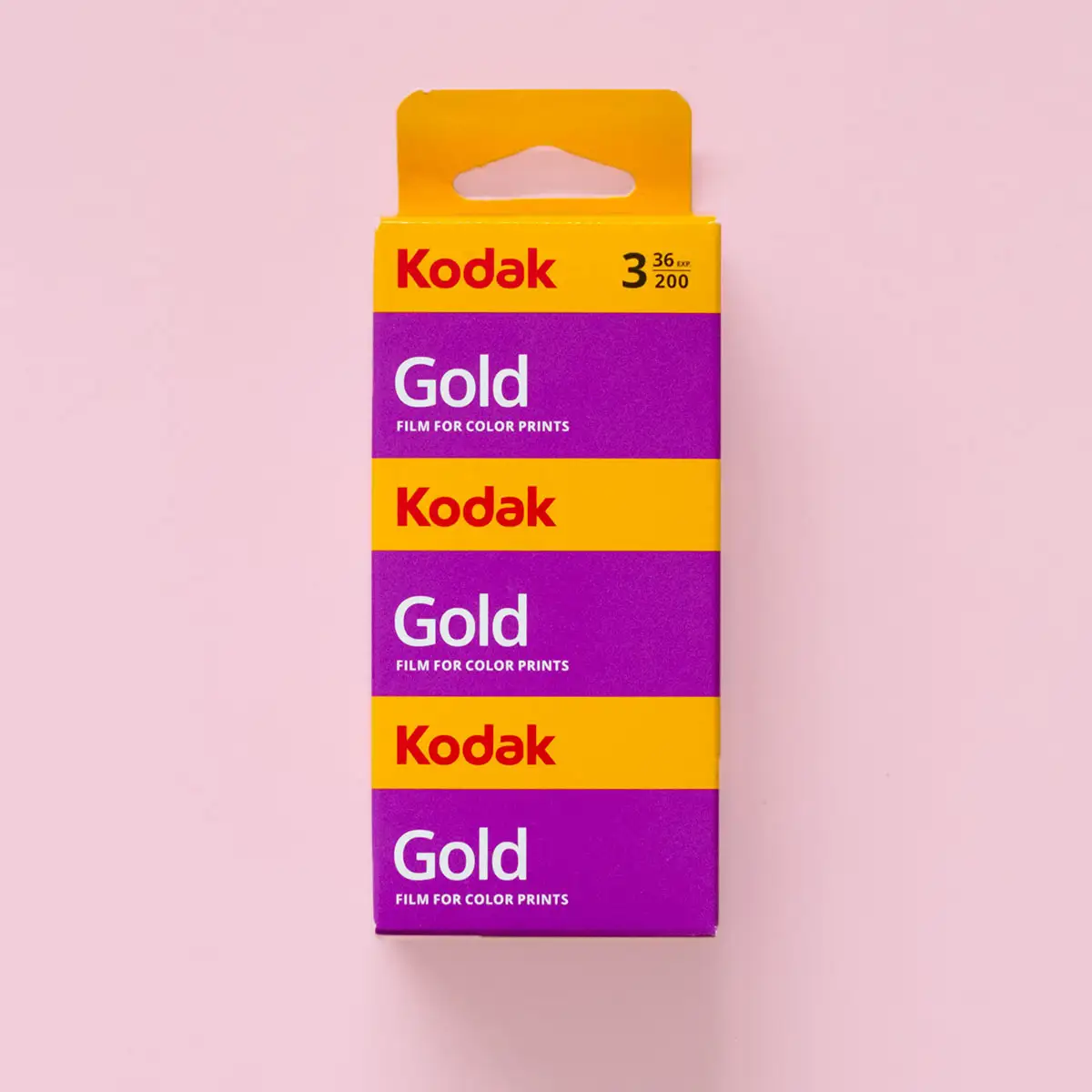
A: Most experienced users say yes, especially for portraits and editorial work. However, budget-conscious shooters may prefer Kodak Gold 200 or ColorPlus for casual use.
Q: Does it work well for scanning?
A: Absolutely. Kodak’s Vision Film technology optimizes Portra for digital scanning, producing sharp, low-noise files for post-processing.
Final Verdict: Buy if you’re a portrait, wedding, or travel photographer seeking warm tones, forgiving exposure, and fine grain. Avoid if you want ultra-saturated, high-contrast images or if budget is your primary concern. Pro tip from the community: rate at ISO 200 for optimal shadow detail and highlight retention.