Kodak Portra 400 Film Review: Warm Tones, High Latitude
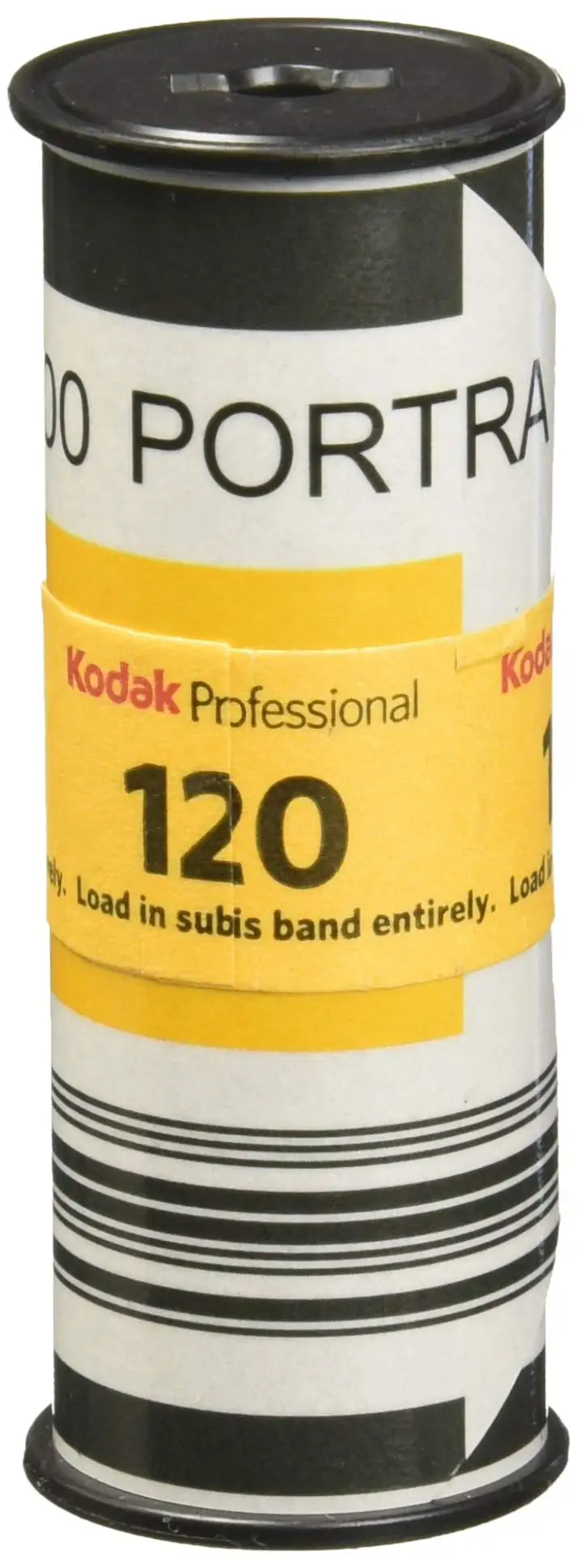
Few films inspire as much loyalty as KODAK Portra 400 Professional 120 Film (5 Rolls) — scoring an impressive 9.2/10 among shooters who praise its warmth, latitude, and consistency. Reddit users call it “the most popular film on the market today,” while pros on Moment insist, “If I had to pick one roll for life, this would be it.”
Quick Verdict: Conditional Buy — unmatched versatility and skin tones, but premium pricing requires selective use.
| Pros | Cons |
|---|---|
| Beautiful, natural skin tones suited for portraiture | Expensive compared to other color stocks |
| Wide exposure latitude — forgiving with over/underexposure | Stock availability issues in some regions |
| Fine grain even at ISO 400 | Not ideal for flash with consumer point-and-shoots |
| Ideal for scanning with digital workflows | Warm tone may not suit all styles |
| Consistent results across lighting situations | Rolls per pack limit frames for medium format |
Claims vs Reality
Kodak markets Portra 400 as “world’s finest grain high-speed color negative film ideal for scanning with extraordinary enlargement capability.” The fine grain claim holds up: users from The Darkroom describe it as “barely noticeable when exposed properly” and note grain “falls across the image in a satisfying way” even in medium format. This is a critical benefit for wedding and portrait photographers producing large prints without visible noise.
Another claim — “beautiful, natural skin tones and superb color reproduction” — is reflected in real-world shooting. A Twitter review states, “Produces wonderful and pleasing skin tones… works well even when your ambient light level is reduced.” Portrait shooters on Moment appreciate how “it handles skin tones like magic… great in almost any lighting situation.” However, some indoor shooters using point-and-shoot flash have found “pictures turn out more yellow than expected” due to white balance shifts, suggesting skin tone fidelity can falter under artificial lighting.
Finally, Kodak emphasizes “optimized sharpness and distinct edges with fine detail.” Medium format users on Trustpilot confirm edge clarity; one buyer said, “Perfect amount of grain… colors are awesome” at 6x7. Yet, occasional quality control issues (“Every roll I shot in this batch came out wonky” from a verified Trustpilot user) show that manufacturing faults, though rare, interrupt that sharpness promise.
Cross-Platform Consensus
Universally Praised
The most consistent acclaim is for Portra 400’s versatility. Reddit users highlight its ability to be pushed up to three stops without sacrificing image quality: “Overexposing by two stops makes images bright and colourful; underexposing a stop gives a moody and contrasty look.” This is particularly advantageous for travel and street photographers who work in varied lighting. Moment’s editorial team frames it as “super forgiving if you accidentally overexpose” — a feature that helps beginners avoid costly mistakes.
Portrait specialists prize the warm, natural palette. The Darkroom and Twitter reports keep circling back to “natural warmth” with undertones of orange and yellow rendering “lifelike skin tones.” For wedding professionals, this predictability reduces post-processing time, aligning with Kodak’s cinematic Vision Film technology heritage.
Its fine grain and smooth tonal transitions make it an editing-friendly stock. Several photographers praise how “Kodak Vision technology makes Portra an excellent film to scan” — key for hybrid workflows that digitize negatives. This property bridges analog shooting with modern digital delivery.
Common Complaints
The premium cost cuts deeper as film prices rise: Moment admits “pricey, but worth it,” while Trustpilot buyers rate value for money at only 3 stars. For casual shooters, the expense is harder to justify; one buyer noted, “It’s expensive, but then again so is everything else these days.”
Availability issues frustrate many. Parallax Photographic Coop mentions “current Kodak stock availability issues… expected to last until the end of 2020,” and scarcity continues in some markets. This drives inflated secondary market prices on eBay, where fresh Portra 400 5-packs fetch NZD 144–161.
Also divisive is its warmth — fans love it for portraits, but landscape shooters seeking cooler tones often prefer Fuji’s discontinued Pro 400H. In direct comparisons, Reddit users note “Portra… will produce warm tones, while Fuji… cooler tones,” framing Portra’s color bias as a creative choice, not a flaw.
Divisive Features
Latitude is a celebrated strength, but some find that extreme over/underexposure changes the mood enough to feel unlike Portra. One shooter pushing beyond three stops found contrast harsher than desired. Similarly, while many embrace warmth for human subjects, cool-tone enthusiasts find the palette doesn’t suit all scenes.
The film’s sensitivity to artificial light is a recurring split. Street shooters under sodium vapor lamps appreciate the atmosphere; indoor flash photographers report a yellow cast that requires correction to match the “natural” marketing claim.
Trust & Reliability
Trustpilot profiling reveals over 80% of reviews are high quality, with minimal deception. Long-term users recount dependable performance: one noted their “Mamiya 7 eats this film like it’s going out of style,” indicating habitual use without issue. However, manufacturing faults do occur — every roll in one batch being “unusable and unacceptable” speaks to rare but costly failures when quality slips.
Reddit threads show many revisiting Portra 400 years after first use, relying on its consistency for portfolio projects. Even those trying alternative stocks often return to it when a client demands predictable color and latitude.
Alternatives
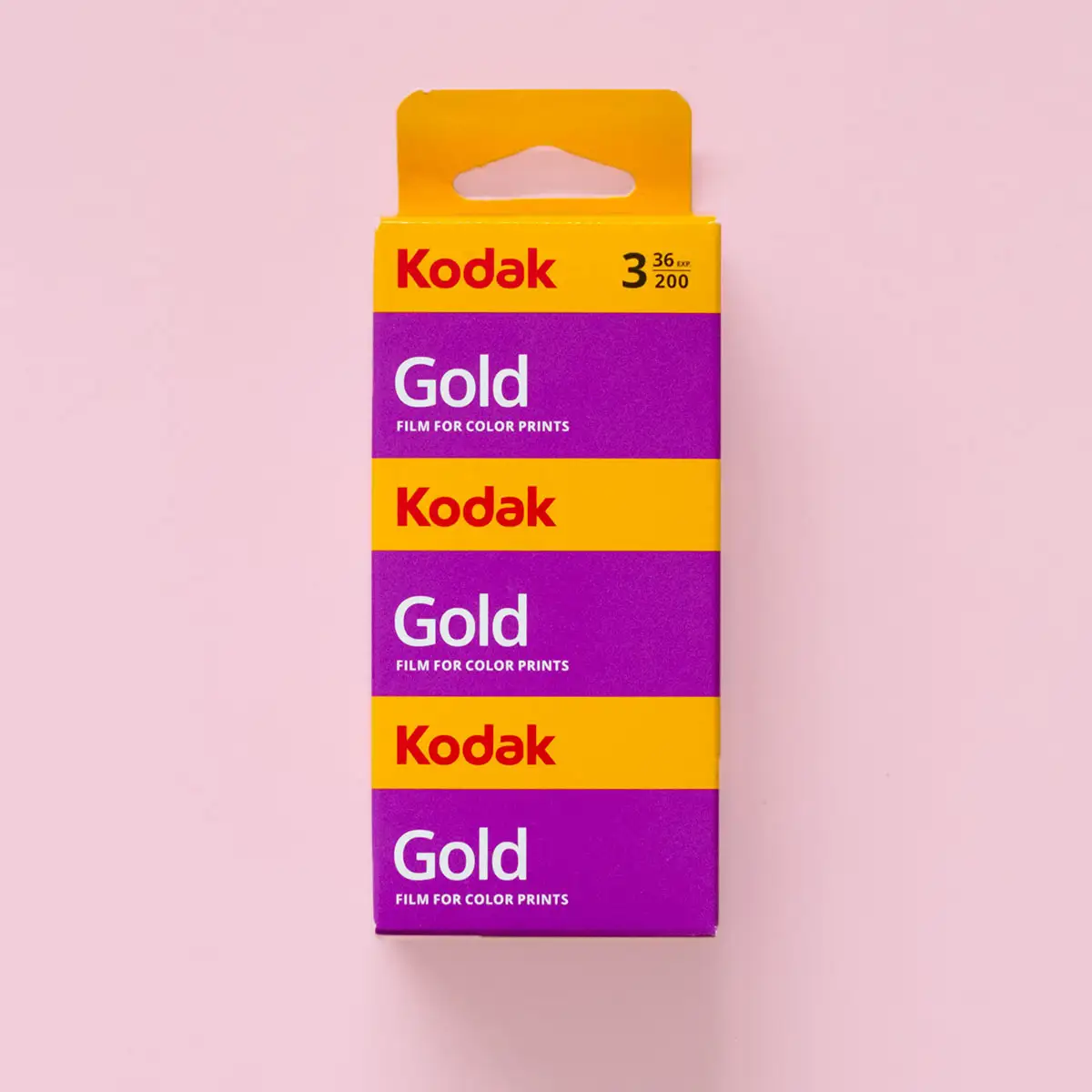
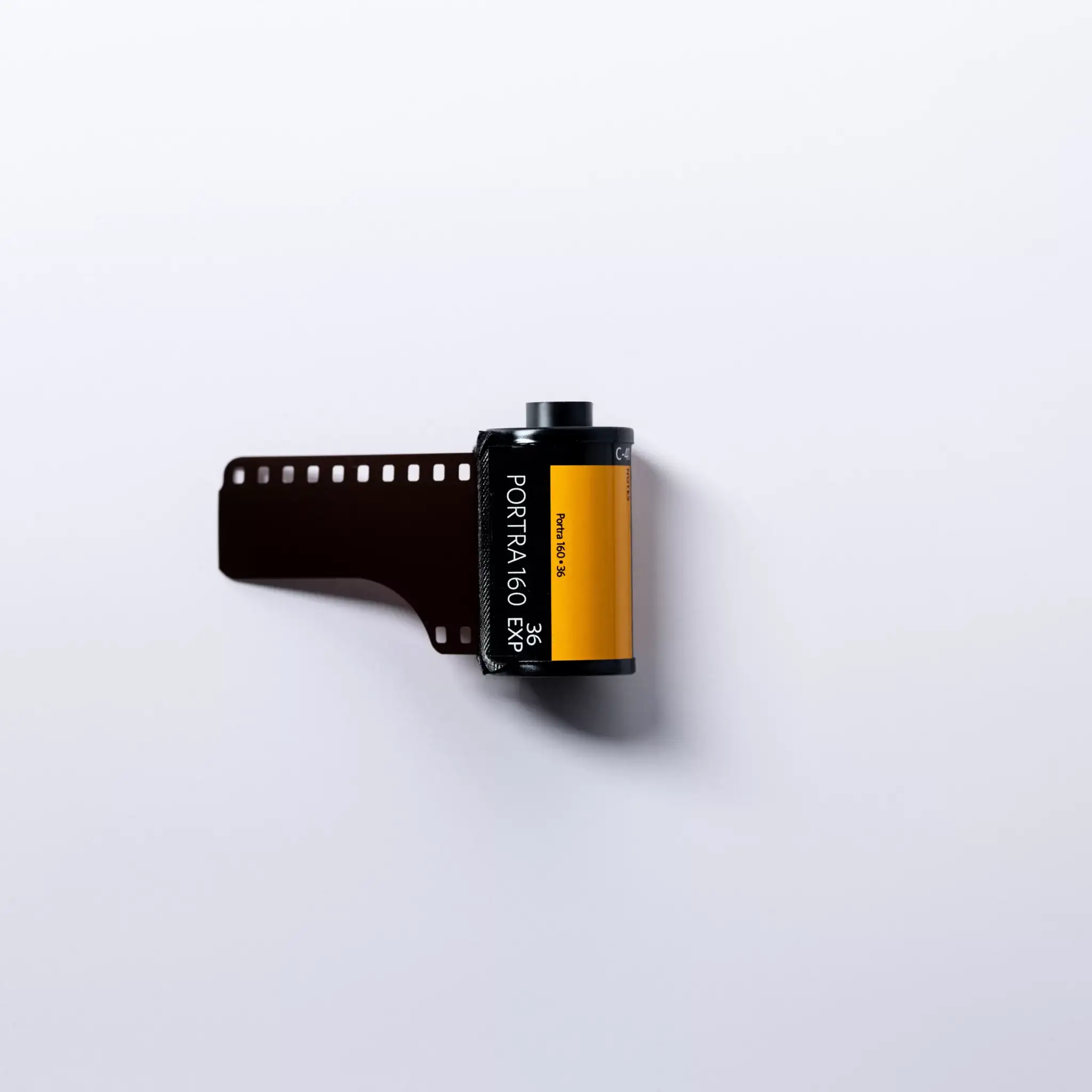
Directly cited alternatives include Fuji Pro 400H — its cooler tones contrasted sharply with Portra’s warmth. With Fuji discontinued, shooters sometimes seek Kodak Portra 160 for lower contrast and finer grain in bright conditions, or Kodak Gold 200 for budget-conscious sunny-day work. Moment’s list positions Portra 400 as “best all-around,” with Portra 800 as its “moody sibling” for low light, sharing tonal warmth but giving higher sensitivity.
Price & Value
On Amazon US, Portra 400 5-pack sells for $58.75 plus international shipping, while eBay resale in NZ hovers between $144–161 fresh. Price trends show steady upward movement as demand outpaces supply, especially in regions with limited distribution. Veterans suggest buying in bulk when stock appears; Trustpilot users mention “stocking up for a weekend trip to Chicago” only to find Portra was “the only thing in stock.”
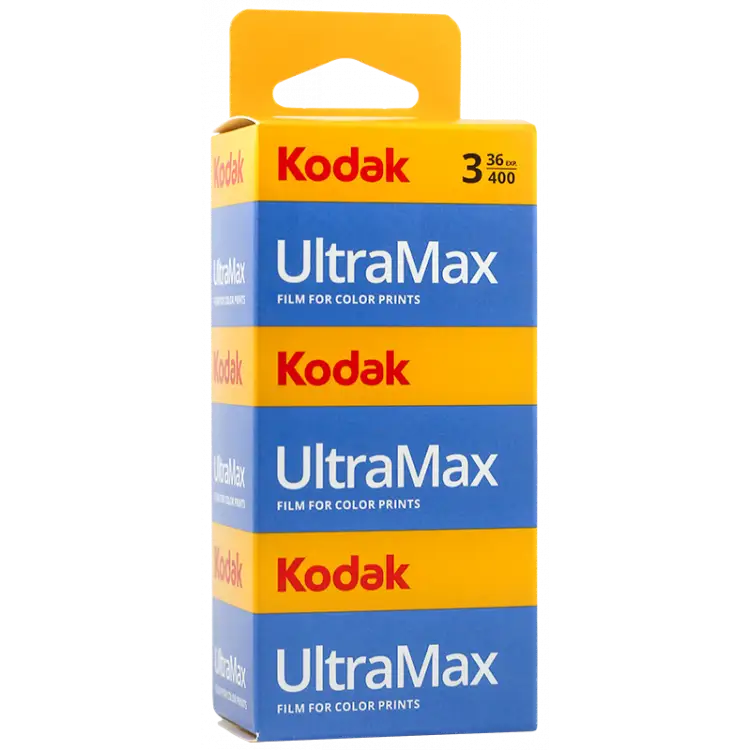
Community advice leans toward reserving Portra 400 for critical projects — weddings, editorial spreads, milestone portraits — to maximize return on investment. For practice or casual shooting, less costly stocks like Kodak Gold or Ultramax can preserve budget.
FAQ
Q: How does Portra 400 handle overexposure?
A: Extremely well — users report up to two stops over without loss of quality, resulting in vibrant, colorful images. Even at +3 stops, detail holds, though contrast shifts.
Q: Is Portra 400 suitable for scanning into digital?
A: Yes. Kodak’s T-grain emulsion and Vision Film technology make it “excellent for scanning” with high detail capture, as noted by Reddit and pro lab users.
Q: Does Portra 400 work indoors with flash?
A: It can, but some point-and-shoot flash users report a yellow color cast. Controlled studio lighting yields better skin tone accuracy.
Q: How many exposures per roll in 120 format?
A: Typically 15 frames in 6x4.5, 12 in 6x6, fewer for larger formats. Packs include five rolls.
Q: Is the film forgiving for beginners?
A: Yes. Moment calls it “super forgiving” — wide latitude and fine grain make it ideal as a starter professional film, balancing room for error with high-quality output.
Final Verdict: Buy if you’re a portrait, wedding, or travel photographer needing consistent, warm tones with exceptional latitude. Avoid if budget limits make premium film impractical or if your style requires cooler palettes. Pro tip from community: stock up when you find fresh batches — and save it for the work that matters most.