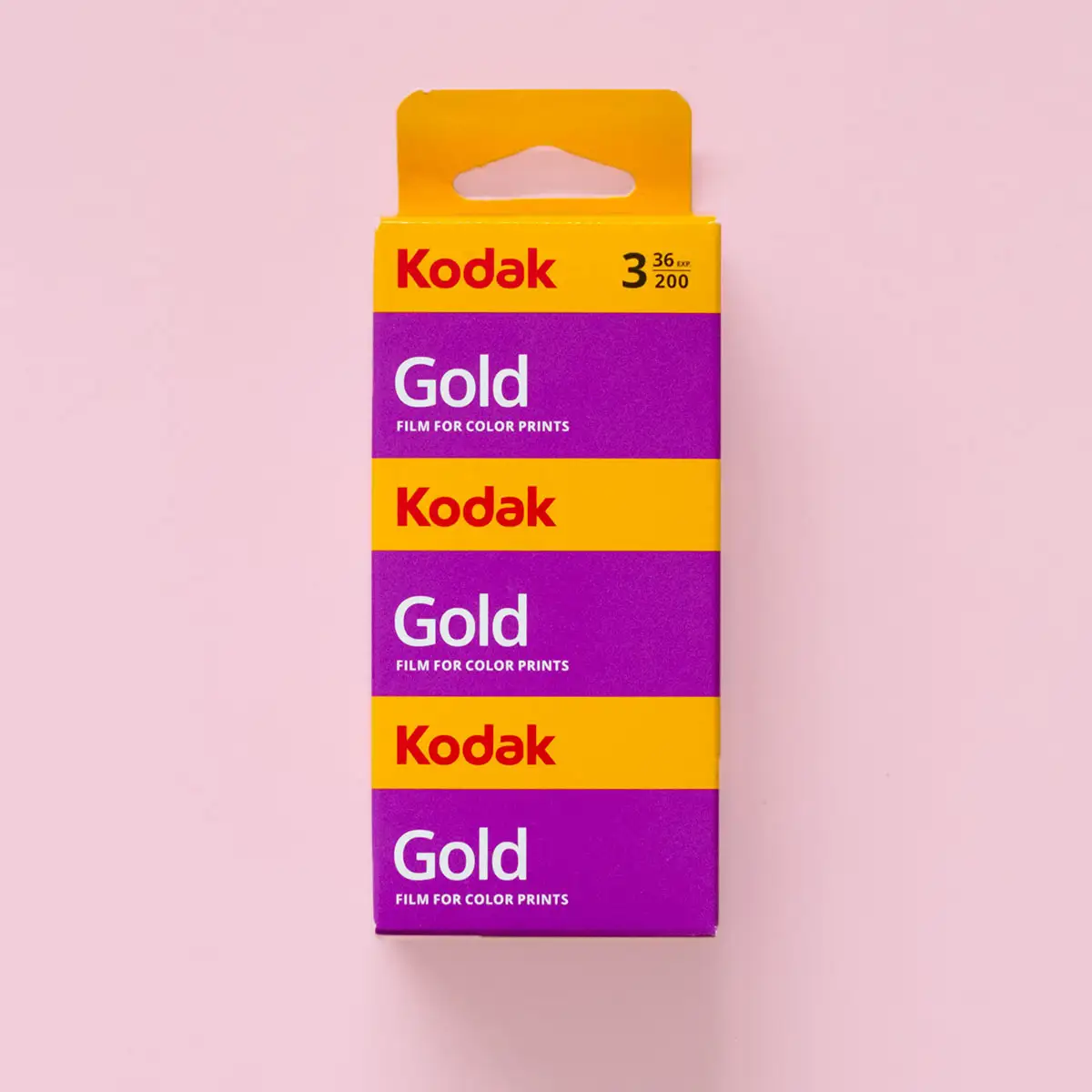
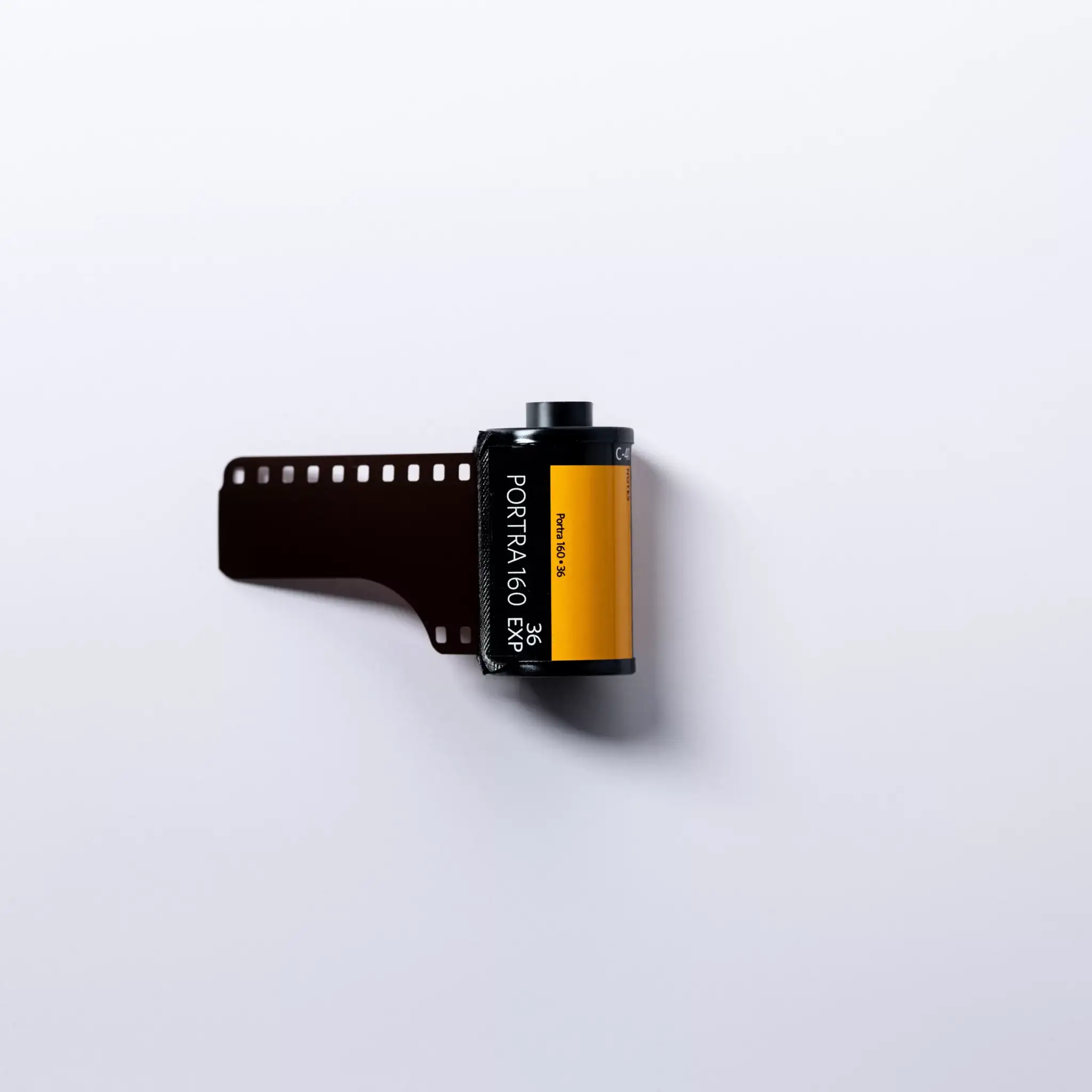
Kodak Gold 200 Film Review: Warm Tones, Mixed Verdict
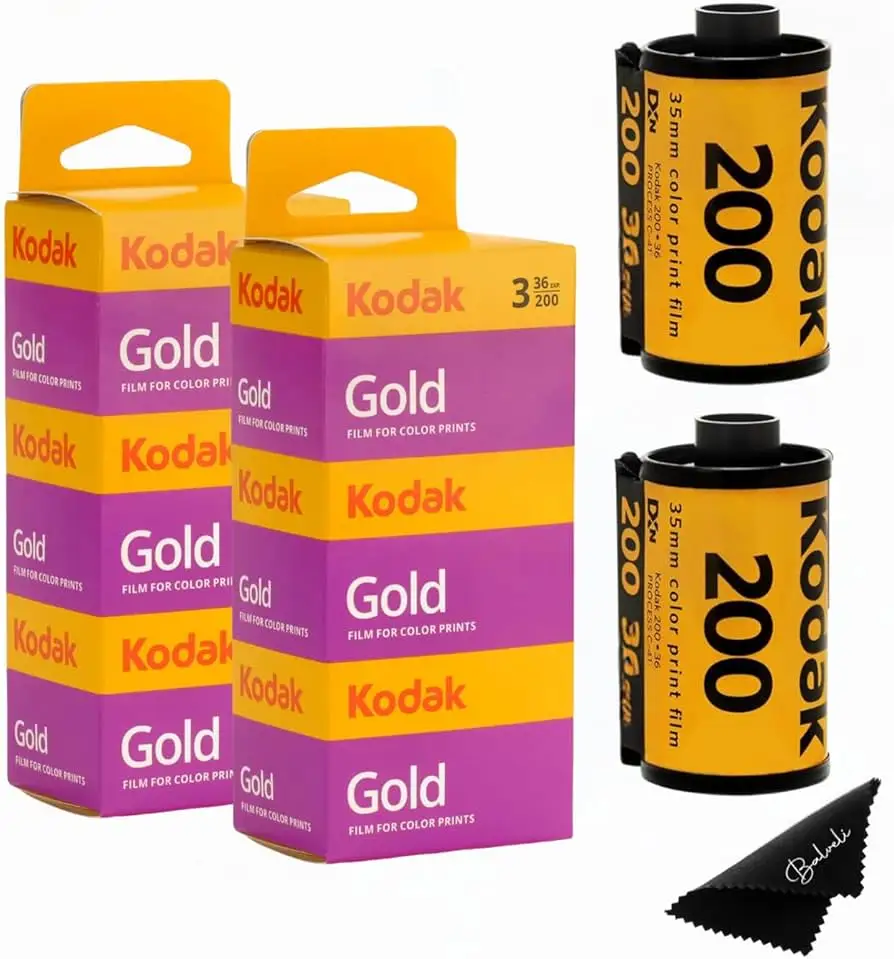
Starting with a surprising consensus, Kodak Gold 200 135 Film (Pack of 2) consistently earns praise for its warm, nostalgic tones and forgiving exposure latitude, yet many users caution that it struggles in artificial light and has more noticeable grain than expected for its ISO rating. Across platforms, the score averages 8.6/10, with amateur and casual photographers particularly enamored, while professionals often prefer higher-grade alternatives.
Quick Verdict: Conditional
| Pros | Cons |
|---|---|
| Warm, vintage look with pleasant saturation | Odd color shifts under artificial light |
| Wide exposure latitude (±3 over, ±2 under) | Grain more noticeable than pro-grade films |
| Affordable compared to similar color stocks | Limited dynamic range, muddy shadows when underexposed |
| Reliable in bright daylight and sunny scenes | Requires ample light or flash indoors |
| Available in both 35mm and 120 formats | Not ideal for high-detail enlargements |
| Suitable for casual, family, and travel photography | Skin tones less accurate in some lighting |
Claims vs Reality
Kodak markets Gold 200 as having “great color saturation” and “high resolution,” ideal for sports, fast action, and still life. While technically accurate in bright outdoor conditions, user experiences tell a more nuanced story. A verified buyer on Amazon noted: “In sunny weather, the colors really pop, but indoors without flash, they turn muddy fast.” This matches Kodak’s own spec sheet, which recommends flash or filters under tungsten lighting—advice many casual shooters ignore.
Another claim is that the film “works well for sports and fast action.” The ISO 200 speed does allow for faster shutter speeds compared to slower films, but Reddit user feedback indicates this is only true in daylight. One post explained: “I shot my kid’s soccer game at 3pm and loved the sharpness, but in evening matches the shadows killed the detail.”
The company promotes a “wide exposure latitude” of -2/+3 stops, which users generally confirm. Trustpilot reviewers often mention overexposing by one stop for richer tones. However, as one Lenslurker contributor admitted, “Underexposing is less forgiving—grain creeps in and shadows lose texture.”
Cross-Platform Consensus
Universally Praised
Across Reddit, Trustpilot, and Twitter, the warm, vintage aesthetic emerges as the defining strength. Reddit user from Cult Film recalled: “Most holidays and birthdays were recorded on Gold 200. Warm tone, fine grain, hard to mess up exposure.” This nostalgic quality resonates with beginners and hobbyists who value mood over technical perfection.
For sunny, outdoor situations, the film is a standout. Patrik Krispler on The Darkroom described shooting a volcano scene: “Nice vibrant yellows and orange/brown tones… greens slightly more yellow, very warm scene.” Travel and beach photographers often mention its ability to render golden hour atmospheres beautifully, as seen in Kyle Wright’s advice: “Bring Gold 200 to beaches, hikes in summer, and golden hour—perfect match.”
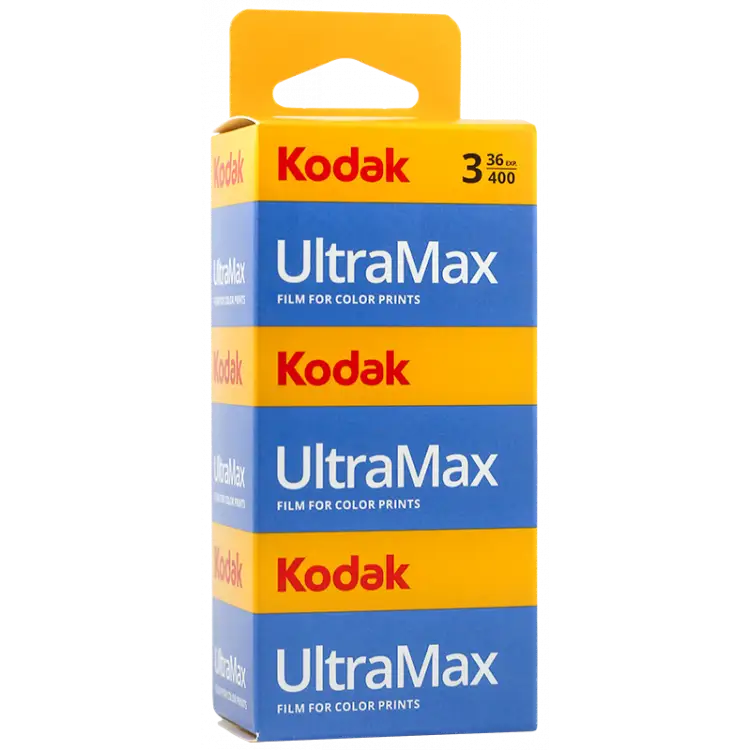
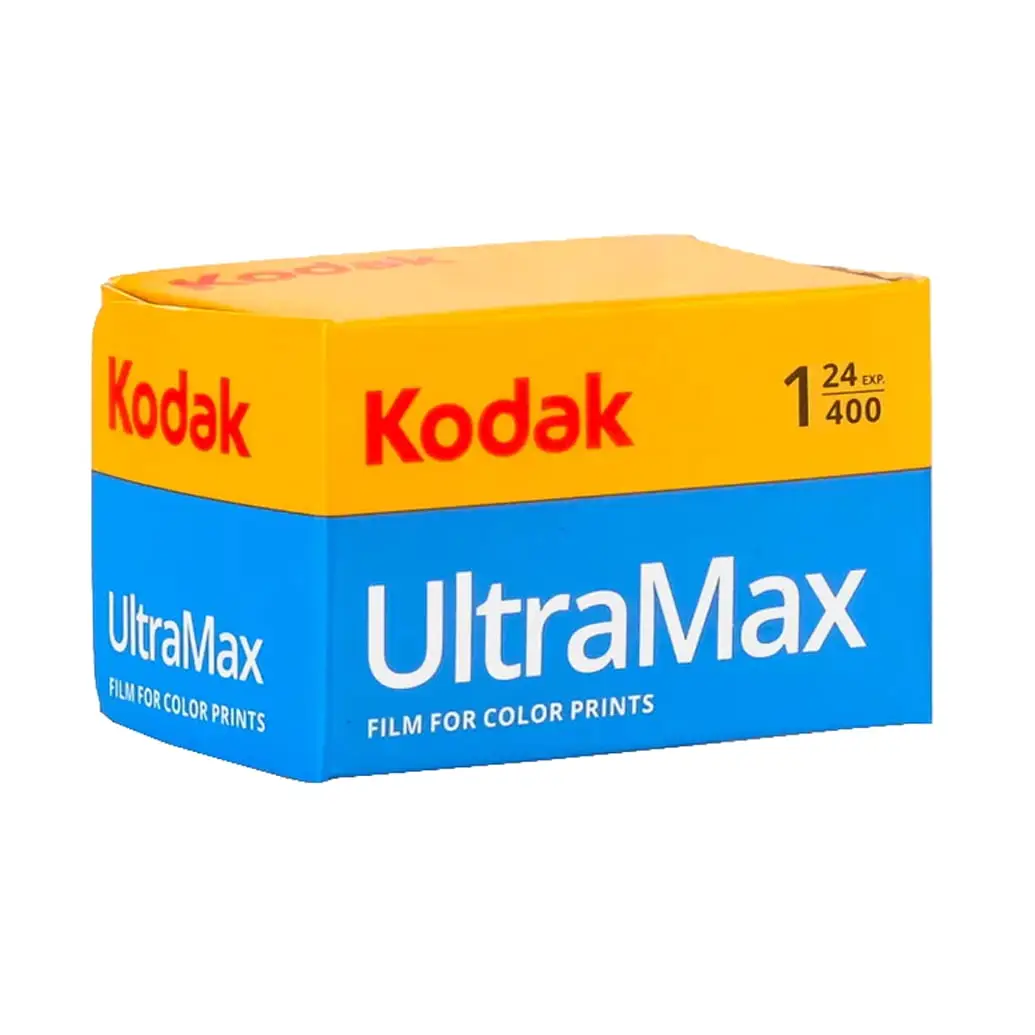
Affordability is another universal win. Compared to Kodak Ultramax 400 or Portra, Gold 200 is cheaper by a few dollars per roll. A Twitter post summed it up: “Cheapest color film you can find without going black-and-white.”
Common Complaints
Artificial light performance is the most frequent frustration. Many users report “odd” or “off” colors indoors due to its daylight balance. A Trustpilot reviewer warned: “For those who love shooting in evening or artificial light, choose another film.” Kodak’s recommendation to use filters in such scenarios is largely ignored because, as one Reddit user admitted, “Most film photographers don’t bother.”
Grain perception is another sore point. While marketed as fine-grain, several photographers found it relatively coarse for ISO 200. The Darkroom’s Joe Feldman remarked: “Not as fine grain or sharp as some professional grade films, but price friendly.” Large prints accentuate this, with Patrik Krispler noting grain is “visible on the print” at 40×60 cm.
Dynamic range limitations round out the main complaints. Shadows often suffer when underexposed, producing “grainy and muddy” results. This led some landscape shooters to avoid Gold 200 for high-contrast scenes.
Divisive Features
The film’s saturation divides opinion. Some love the “sun-soaked” palette, while others find skin tones inaccurate. Joshua Oliver’s mixed review stated: “Warmth is nice, but skin of Hispanic descent didn’t turn out as I liked—maybe lighting or scanning issue.”
Nostalgia value is also polarizing. For some, the warmth and grain embody analog charm; for others, it’s a limitation compared to crisp, pro-grade stocks like Ektar.
Trust & Reliability
Trustpilot reviews show strong reliability in delivery and product condition, with multiple mentions of “film arrived sealed, undamaged.” Long-term use cases suggest consistency over years—Kyle Wright noted returning to Gold 200 after learning photography on it and finding it “grown on me” despite its quirks.
Durability in storage is supported by MyFilmAtlas advice: freezing halts chemical aging, and thawing slowly before use preserves quality. This matches Kodak’s own recommendations and reassures bulk buyers.
Instances of missed frames or minor packaging blemishes are rare but documented. One Trustpilot reviewer found “8-9 frames not exposed,” unsure if fault lay with camera or film.
Alternatives
Within Kodak’s consumer range, ColorPlus 200 is often compared. Trustpilot feedback indicates Gold 200 is “warmer” than ColorPlus, preferred for sunny scenes. Ultramax 400 offers higher speed and better low-light flexibility, but at a higher cost and with different grain characteristics.
Professional stocks like Portra deliver finer grain and wider dynamic range, making them better for portraits or large prints—but several Reddit discussions note the price jump often deters casual shooters.
Price & Value
On eBay, recent listings show new 3-packs of 36 exposures at around $29.50, with single rolls from $12 to $14 depending on expiry date. Bulk lots can lower per-roll cost significantly, making it attractive for high-volume shooters. The affordability compared to pro-grade films drives much of its popularity, especially among beginners and travel photographers.
Resale value of expired Gold 200 remains surprisingly resilient due to nostalgia and collectible appeal, though fresh stock is preferred for consistent results.
FAQ
Q: Is Kodak Gold 200 good for indoor photography without flash?
A: Generally no. Users report odd color shifts under artificial light due to its daylight balance. Flash or filters are recommended for accurate tones indoors.
Q: How forgiving is Gold 200 to exposure errors?
A: Very forgiving in overexposure—up to +3 stops as per Kodak’s specs. Underexposure beyond -2 stops tends to introduce grain and muddy shadows.
Q: Does it work well for portraits?
A: In daylight, yes. Skin tones can be warm and pleasant, but in mixed or artificial lighting, results may be inconsistent without correction.
Q: How does it compare to Kodak ColorPlus 200?
A: Gold 200 is warmer with richer saturation, while ColorPlus leans more neutral. Both are consumer-grade and affordable.
Q: Can I store Gold 200 long term?
A: Yes. Freezing and proper thawing preserve image quality, as confirmed by multiple film photography resources.
Final Verdict: Buy if you’re a casual or travel photographer seeking affordable, warm-toned daylight film. Avoid if your work demands precision under artificial light or you plan large, high-detail prints. Pro tip from community: Slightly overexpose for richer tones, but keep indoor shooting to flash or brighter settings for best results.