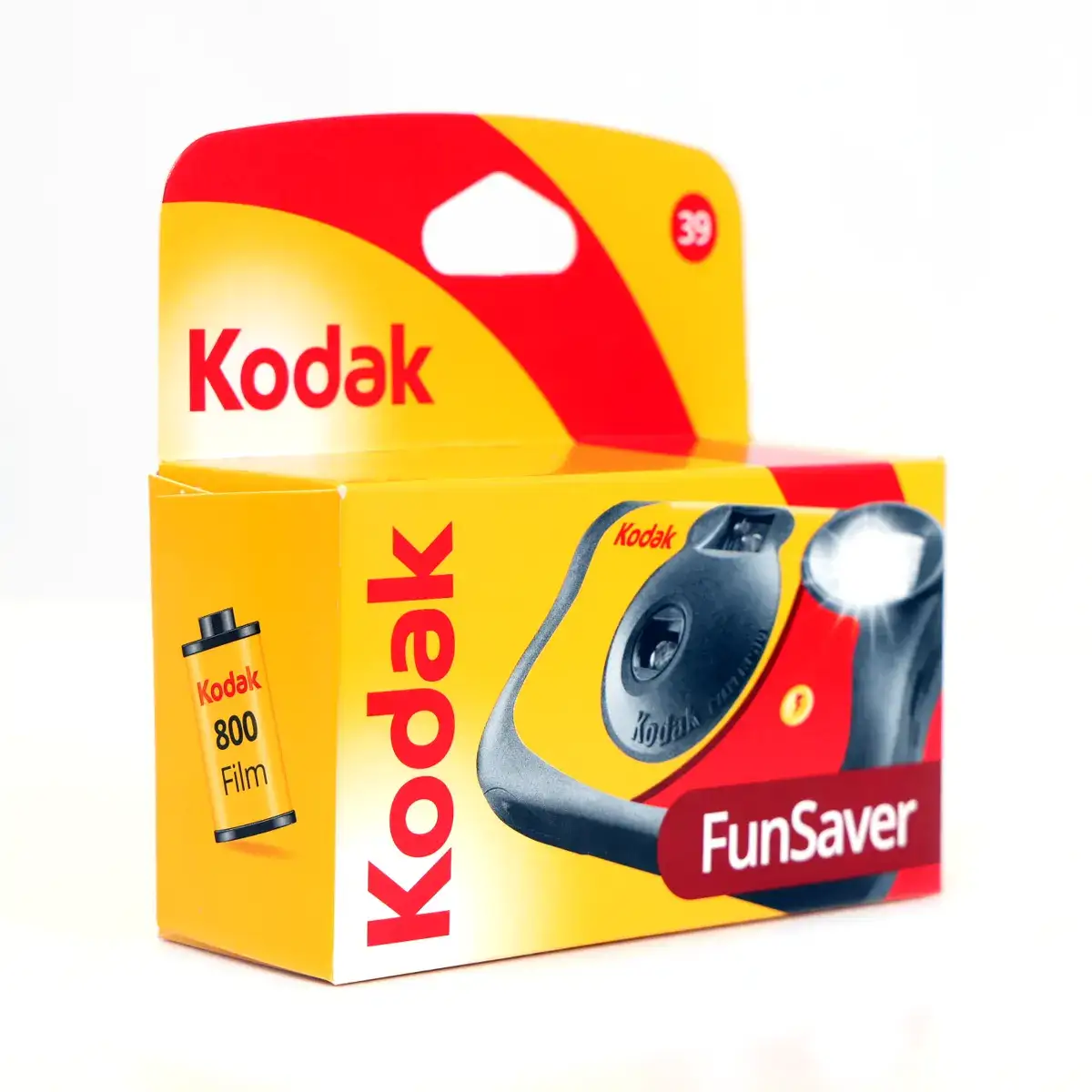
KODAK FunSaver 35mm Single Use Camera Review: Conditional
“Most of the pictures were very dark or no image at all.” That one line keeps popping up even alongside a sea of high star ratings—capturing the core tension around the KODAK FunSaver 35mm Single Use Camera. Verdict: a nostalgic, genuinely convenient disposable film camera that can still disappoint hard if lighting and flash use don’t line up. Score: 7.6/10.
Quick Verdict
Conditional — Yes if you want simple, nostalgic snapshots for events/travel and you’ll use flash correctly; No if you expect consistent, phone-like reliability or hate paying for film processing.
| What buyers care about | What feedback suggests | Evidence (platform) |
|---|---|---|
| Ease of use | Very easy, “take it everywhere” simple | Amazon reviews |
| “Retro” look | Delivers grainy/nostalgic vibe | Amazon reviews; Influenster |
| Low-light performance | Works with flash, but many report dark/blank shots | Amazon reviews; Digital Camera World |
| Image sharpness | Adequate for snapshots; not “high detail” | Digital Camera World; Amazon reviews |
| Value | Convenience praised; cost criticized once developing is added | Amazon reviews; Digital Camera World |
| Durability | Mixed; some call it “not very durable” | Influenster |
Claims vs Reality
Kodak’s marketing and retail descriptions repeatedly position the KODAK FunSaver 35mm Single Use Camera as “ideal for indoor and outdoor use” with a “built-in flash” and ISO 800 film (Kodak listing; Amazon specs). Digging deeper into user reports, the “ideal indoors” part often hinges on one very specific behavior: actually charging and using the flash correctly and staying within its effective range. Digital Camera World emphasizes that “flash is all but essential when shooting indoors,” calling sharpness “adequate for snapshots at best” and warning “don’t expect too much in the way of image quality” (Digital Camera World).
That gap shows up most clearly in outcomes after development. An Amazon reviewer described being “disappointed when I had the film developed as most of the pictures were very dark or no image at all,” adding, “I made sure to use the flash setting when necessary” (Amazon customer reviews). Another echoed a harsher version of the same experience: “the film quality was so bad… a lot of photos were blank,” speculating “maybe the film was too old” (Amazon customer reviews). In other words: the official promise of versatility is real for some people, but it’s fragile—especially for indoor party shots where users assume the camera will “just work.”
A second claim centers on film quality—ISO 800 “bright, vibrant colors,” “fine grain,” and “accurate skin tones” (Kodak listing; Amazon specs). Review-style sources like The Darkroom call the camera “the best disposable camera we tested,” praising “great exposure latitude,” “very subtle” grain, and “pleasant warm tones,” even saying it “seemed to be sharper than the rest” among disposables (The Darkroom). But everyday buyers don’t always see that; one Amazon reviewer warned: “don’t expect super great photo quality… most were dark,” even while still calling it “fun” for a wedding (Amazon customer reviews). The recurring pattern: when it hits, it hits—when it misses, it can miss catastrophically.
Cross-Platform Consensus
A recurring pattern emerged across platforms: people buy the KODAK FunSaver 35mm Single Use Camera less for technical perfection and more for the social ritual—hand it around at weddings, pack it for trips, or send it with a kid to camp. Crystal M. on Influenster framed the core use case: “great to leave… at weddings for guests to capture pictures, or for a trip” (Influenster). On Amazon, one reviewer summed the same motivation more simply: “good for memories… when i go out to fun places” (Amazon customer reviews). For event hosts and travelers, that “grab-and-go” nature is the product.
Universally Praised
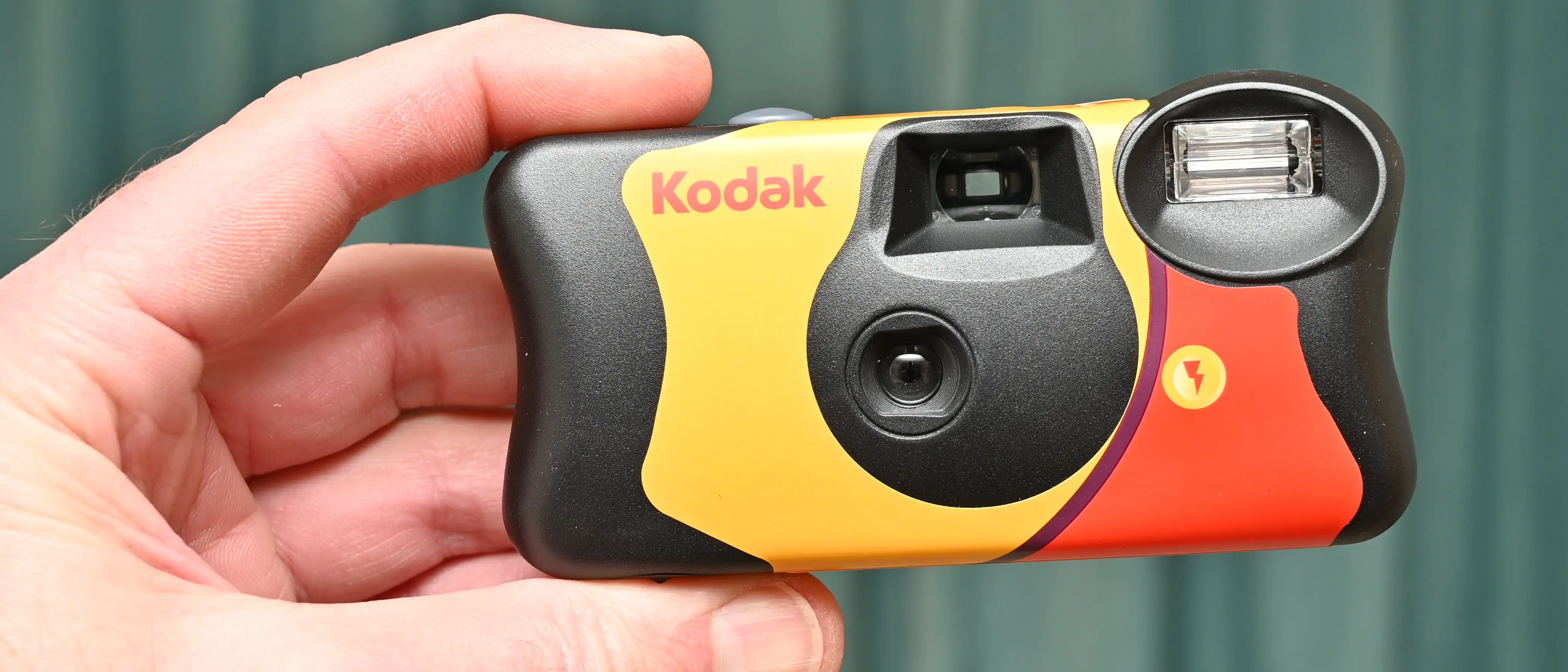
Convenience is the loudest applause line. Multiple Amazon reviewers describe it as “very practical and easy to use,” with one adding: “i take it with me everywhere i go” (Amazon customer reviews). Digital Camera World reinforces that the appeal is frictionless: “pre-loaded with film and battery… ready to use as soon as you take it out of the packaging,” with instructions printed on the camera (Digital Camera World). For users who don’t own a film camera (or don’t want to risk one), that simplicity is the whole point.
There’s also strong agreement on the “retro images” payoff—especially among people intentionally chasing imperfection. Sally T. on Influenster called it a “joy to use,” saying “we love the retro images” and “are having fun experimenting” (Influenster). An Amazon reviewer framed expectations as the deciding factor: “good product nostalgic of my childhood,” adding, “if you are looking for the vintage grainy… look this is a great option” (Amazon customer reviews). For nostalgia-driven buyers, the aesthetic isn’t a flaw; it’s the deliverable.
When it comes to versatility, review-oriented sources argue the ISO 800 film gives real latitude. The Darkroom wrote that it could “shoot in open sunlight without blowing out the highlights but also did very well in low light,” praising “pleasant warm tones” and subtle grain (The Darkroom). Digital Camera World similarly described enough “headroom to cover bright sunny scenes” while coping with shade, given the fixed exposure setup (Digital Camera World). For travelers moving between street sun and indoor dinners, this is the best-case scenario people hope for.
After those narratives, the praise tends to condense into a few repeatable themes:
- “Easy to use” and “practical” (Amazon customer reviews)
- Nostalgic, “retro images” and “vintage grainy” look (Influenster; Amazon customer reviews)
- Good enough for “snapshots” and events (Digital Camera World; Influenster)
Common Complaints
The most painful complaints aren’t about “softness” or “grain”—they’re about frames coming back empty or unusably dark. One Amazon reviewer said: “most of the pictures were very dark or no image at all,” despite trying to use flash (Amazon customer reviews). Another wrote: “a lot of photos were blank and others had no fine detail,” wondering if “the film was too old” (Amazon customer reviews). For once-in-a-lifetime events (weddings, trips), that kind of failure isn’t just disappointing; it erases moments.
Low-light expectations are a recurring trap. Digital Camera World states plainly that indoors, “flash is all but essential,” which aligns with the user reports that indoor shots without the right flash behavior can fail (Digital Camera World). The Darkroom even spells out the ritual: “charge manual flash before every picture,” and lists a practical flash distance of about “4′ to 11.5′” (The Darkroom). For casual users who don’t read closely—or kids at camp snapping quickly—this requirement can turn into underexposed negatives.
Cost is the other consistent complaint, especially once development enters the equation. One Amazon reviewer called it “a little pricey when you consider the cost of the camera and the cost of having the film developed,” even while still calling it “a great convenience for a child off to camp” (Amazon customer reviews). Digital Camera World labels processing “the usual sting in the tail,” warning it “can cost as much or more than the camera itself” (Digital Camera World). For budget shoppers, the real price is the total analog workflow.
After those stories, the most repeated downsides look like this:
- Dark or blank photos after developing (Amazon customer reviews)
- Indoor shooting demands correct flash use and distance (The Darkroom; Digital Camera World)
- Value concerns once processing costs are included (Amazon customer reviews; Digital Camera World)
Divisive Features
Image quality is where opinions split based on intent. Some buyers want “high quality pictures,” like Cari W. on Influenster: “produces high quality pictures… not very durable, but gets the job done” (Influenster). Others preemptively lower the bar and enjoy it more: an Amazon reviewer said it’s a “fun keepsake” but “don’t expect super great photo quality” (Amazon customer reviews). Digital Camera World lands closer to the skeptics, arguing “picture quality falls way short” of a modern phone and calling sharpness merely “adequate” (Digital Camera World). The same camera becomes either “great quality” or “lackluster” depending on whether you’re chasing nostalgia or expecting clarity.
Even pricing looks different depending on whether you’re buying it as a “prop” for memories or a cost-per-photo tool. The Kodak Pro listing shows $14.99 in one place, while Amazon listings in the dataset show prices in the $20s, and eBay has everything from cheap expired units to marked-up lots (Kodak listing; Amazon specs; eBay). That spread fuels opposite reactions: “kind of pricey” on Amazon versus “decent value” in a review context that treats it as a one-time experience (Amazon customer reviews; Digital Camera World).
Trust & Reliability
Digging deeper into reliability, the most consequential trust issue isn’t scams—it’s consistency. The harshest Amazon complaints revolve around outcomes that feel like defects: “blank” frames, “no image at all,” and suspicion that “the film was too old” (Amazon customer reviews). Those statements don’t prove a systemic problem, but they do show that some buyers perceive the failure as beyond normal disposable-camera limitations.
On longer-term confidence, Digital Camera World notes the camera’s plastic build feels “pretty tough,” but also underscores that it’s “not reloadable” and that processing is separate—meaning reliability is a chain: camera handling, flash use, lab processing, and scanning/prints (Digital Camera World). The Darkroom adds a separate trust signal around end-of-life handling: “The Darkroom recycles all single use cameras,” citing recycling rates “more than 70 percent” in the US (The Darkroom). That doesn’t fix misfires, but it addresses a different kind of concern people have about disposables.
Alternatives
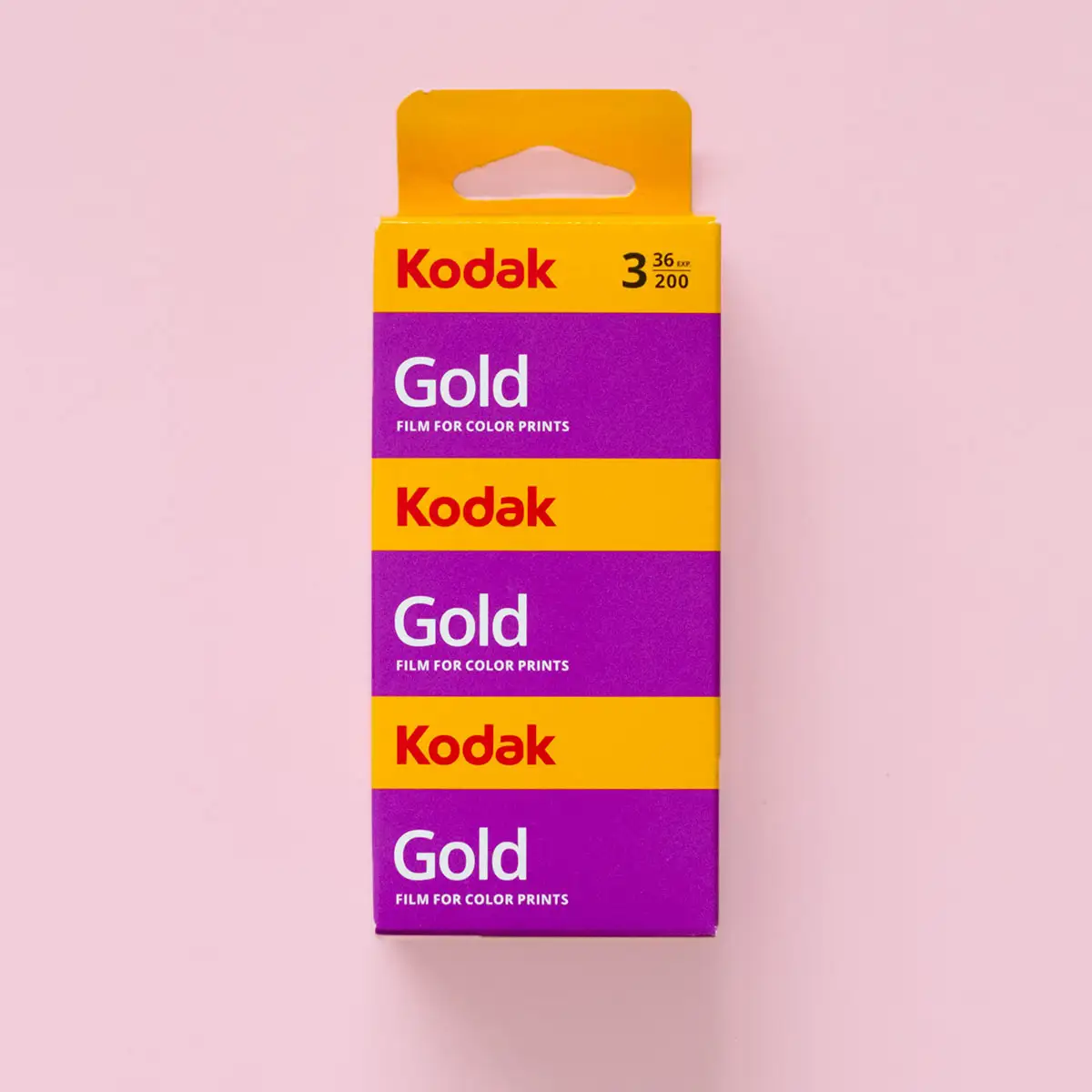
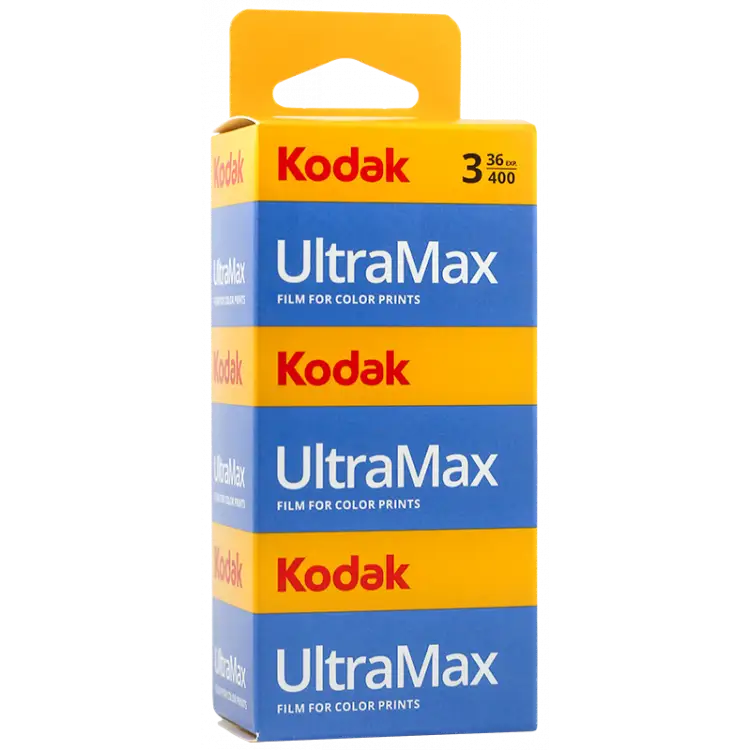
Only a few direct alternatives appear in the provided data, and they’re mostly other Kodak single-use models rather than competing brands. Amazon specs include a Kodak Fun Saver variant described as pre-loaded with “Kodak Gold ISO-400 speed film,” positioning it differently from the ISO 800 versions elsewhere in the dataset (Amazon specs). While officially one listing highlights ISO 400, multiple other sources frame the FunSaver experience around ISO 800 film (Kodak listing; The Darkroom; Digital Camera World). If you’re comparing versions, that mismatch matters because many complaints (dark frames) cluster around indoor/low-light expectations.
eBay listings also surface Kodak underwater/waterproof single-use models (e.g., “sport - underwater / waterproof”), which may appeal to travelers who want disposable film but expect rough handling near water (eBay). The tradeoff implied by the market: specialized shells and scarcity can increase price, and many units are explicitly “expired,” which ties back to user anxieties about “old” film (eBay; Amazon customer reviews).
Price & Value
The KODAK FunSaver 35mm Single Use Camera lives in a price environment that swings widely depending on seller and freshness. The dataset shows Amazon listings around the mid-to-high $20s for certain bundles, while the Kodak Pro listing shows $14.99 (Amazon specs; Kodak listing). eBay adds an even more chaotic picture: single cameras, multi-packs, “wedding edition,” and many explicitly expired units—sometimes cheap, sometimes surprisingly expensive once shipping is included (eBay). For buyers chasing nostalgia, that volatility can feel like paying a premium for a simple plastic camera.
Value, in user language, often includes processing costs. An Amazon reviewer called it “a little pricey” once you factor in “the cost of having the film developed” (Amazon customer reviews). Digital Camera World expands on the same point: the camera can be “decent value” by itself, but processing “can cost as much or more than the camera itself” (Digital Camera World). In practice, the “real” value proposition is convenience plus aesthetic—not thrift.
Buying tips implied by community patterns in the data:
- Avoid expired listings if you’re risk-averse about blanks/dark frames (eBay; Amazon customer reviews).
- Treat it as an “event experience” purchase, not a cheap-camera replacement (Influenster; Digital Camera World).
- Budget for development/scans upfront so the total doesn’t surprise you (Amazon customer reviews; Digital Camera World).
FAQ
Q: Is the KODAK FunSaver actually easy to use?
A: Yes. Multiple buyers describe it as “very practical and easy to use” and say they “take it… everywhere” (Amazon customer reviews). Digital Camera World also highlights that it’s pre-loaded with film and battery and has printed instructions, making it straightforward for trips and events (Digital Camera World).
Q: Why do some people get dark or blank photos?
A: The most common frustration is “very dark or no image at all” after development (Amazon customer reviews). Review sources stress that indoors, “flash is all but essential,” and the flash must be charged and used within range (Digital Camera World; The Darkroom). Missteps there can ruin frames.
Q: Is it good for weddings or parties?
A: Yes—especially as a table camera. Crystal M. said they were “great to leave… at weddings for guests to capture pictures” (Influenster). Another Amazon reviewer used it at a wedding “for fun extra photos,” calling it a “fun keepsake,” but warned not to expect “super great photo quality” (Amazon customer reviews).
Q: Is the image quality “high quality” or more nostalgic?
A: Expectations split. One Influenster reviewer said it “produces high quality pictures” (Influenster), while Digital Camera World calls sharpness “adequate for snapshots” and says results fall short of a phone (Digital Camera World). An Amazon reviewer recommended it for a “vintage grainy” look, not saturated perfection (Amazon customer reviews).
Q: Is it expensive once you add film processing?
A: Often, yes. An Amazon reviewer called it “a little pricey” when you add development costs (Amazon customer reviews). Digital Camera World echoes that processing/scans can cost “as much or more than the camera itself,” which is the main value complaint even among people who like the experience (Digital Camera World).
Final Verdict
Buy the KODAK FunSaver 35mm Single Use Camera if you’re an event host who wants table cameras, a traveler chasing “retro images,” or a parent sending a kid to camp—people who prioritize convenience and vibe over precision. Avoid it if you need reliable indoor results without thinking about flash technique, or if blank frames would be unacceptable.
Pro tip from the community: treat flash as mandatory indoors—The Darkroom’s guidance to “charge manual flash before every picture” and stay within roughly “4′ to 11.5′” is the difference between “good for memories” and “no image at all” (The Darkroom; Amazon customer reviews).