Intermatic T103 Timer Review: Durable but Not Precise
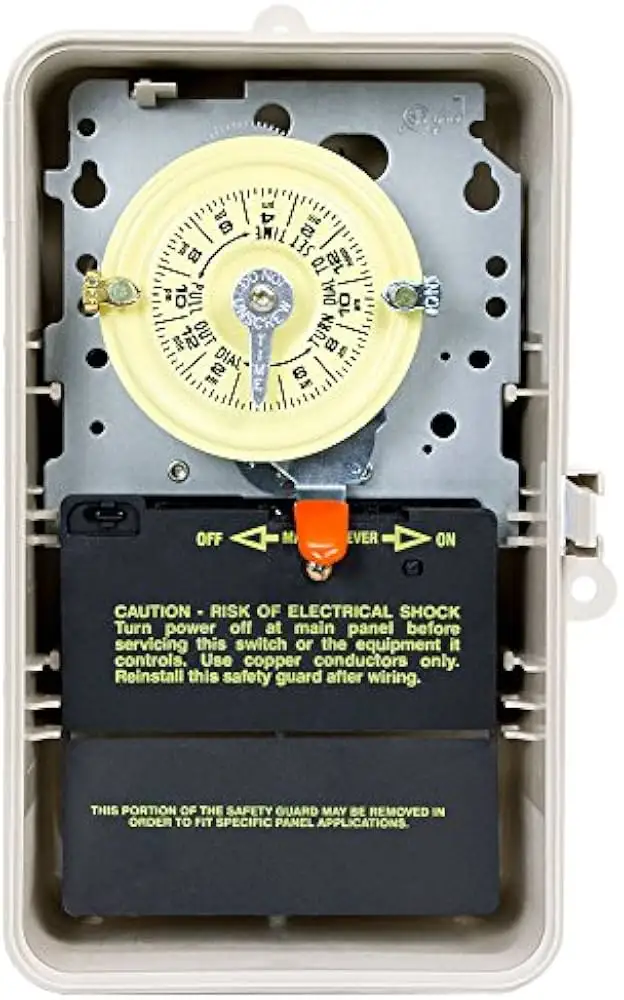
Few mechanical timer switches get decades-long loyalty from commercial, industrial, and residential users—but the Intermatic T103 24-Hour Mechanical Timer Switch earns it. With a 4.5/5 average Amazon rating and years of service reported by veteran installers, it clocks in at a solid 8.4/10 for overall performance. While praised for reliability and interchangeability, its precision and occasional quality control issues drew note.
Quick Verdict: Conditional Buy
| Pros | Cons |
|---|---|
| Proven durability with decades-long use reported | Mechanical accuracy limited to +/- 5–15 minutes |
| Easy to swap mechanism without removing enclosure | Some units shipped with defective timing motors |
| Handles heavy-duty loads up to 40 amps | Susceptible to rust in outdoor use unless weatherproof enclosure used |
| Manual override for quick control | Confusing hookup instructions frustrate first-time installers |
| Works across broad applications (pumps, lighting, signage) | Price range higher than big-box store digital timers |
| Readily available replacement parts (trippers, gearboxes) | Full unit replacement required when certain internal parts wear out |
Claims vs Reality
The marketing promise of “highest motor load ratings in the industry” combined with up to 12 on/off operations per day is backed by diverse real-world reports. Owners of poultry farms, pool systems, and large aquariums confirm smooth handling of demanding loads. A verified buyer on Amazon noted: "We use many of these on our poultry farm and they're the easiest type we use. Durable!"
Yet, accuracy claims meet mixed reception. While officially offering consistent timed control, several Reddit users found mechanical tolerances loose. One remarked: "You are lucky to get plus or minus 15 minutes of what you want start or end time to be"—a gap compared to digital timers.
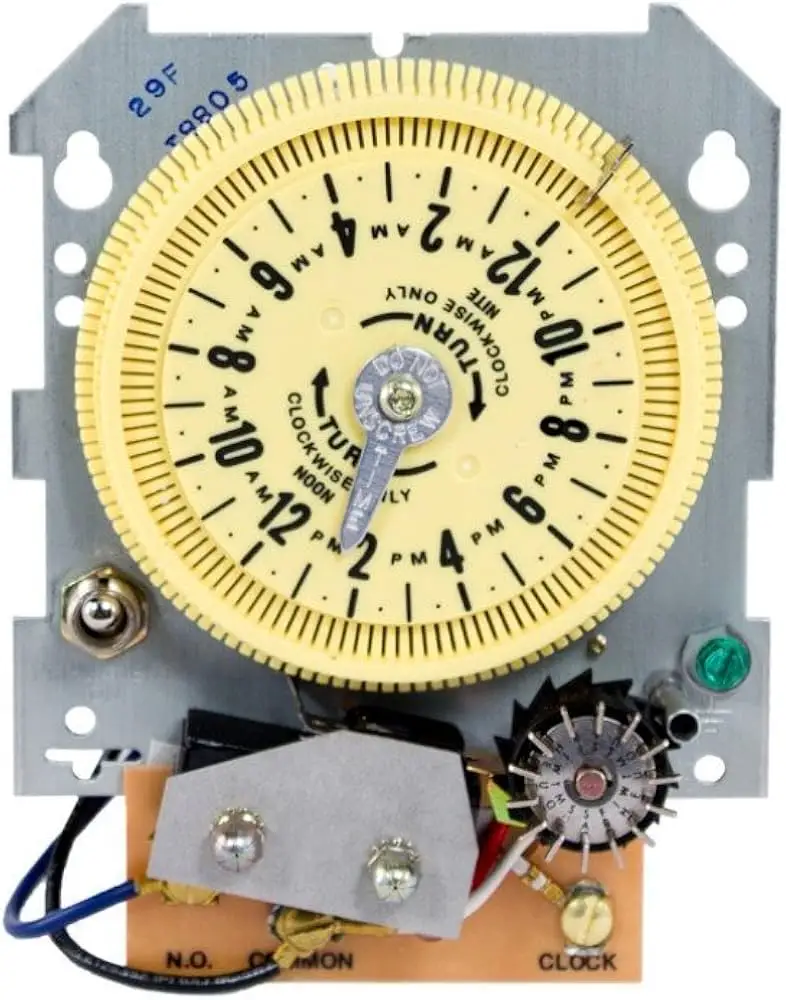
Installation “simplicity” is another claim where reality diverges. The manufacturer touts manual override and snap-out mechanisms, and many users agree. One Reddit user explained: "The old one just snaps out and the new one snaps in. Reattaching the wiring was easy." However, others described poor documentation. A verified buyer admitted: "Hookup was very confusing. Service dept help didn’t work either—finally figured it out with a meter."
Cross-Platform Consensus
Universally Praised
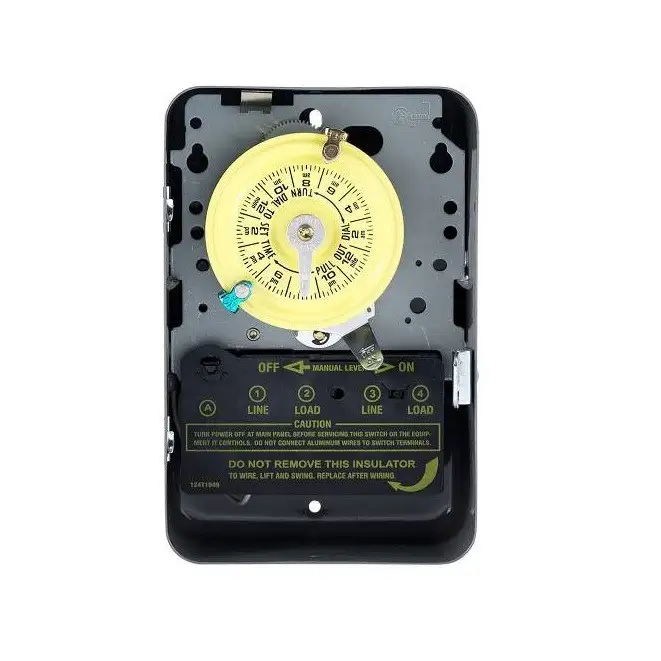
For industrial electricians and experienced DIY homeowners, the Intermatic T103 earns unqualified praise for interchangeability. Multiple Amazon reviewers emphasized how swapping the mechanical guts into an existing enclosure saves hours. One recalled: "It is an exact replacement, so you can simply remove the mechanism from the new unit and replace the broken one without pulling out the entire box."
Heavy-duty performance is also celebrated. Pool maintenance techs report flawless operation for pumps and heaters. A longtime Reddit contributor stated: "I've used this series of timers for over 20 years, both indoors and outdoors... I've never had a failure due to the timers." For rural applications, it has exceeded expectations running electric fences and poultry systems.
The simplicity of manual adjustment is another win. Those frustrated with complex digital interfaces champion its near-instant adjustment capability. As one Amazon review put it: "Old school simple. A digital timer was a nightmare to set... This mechanical one takes seconds to adjust once installed."
Common Complaints
Some installations have stumbled on precision. Users accustomed to second-by-second control find the minute drift irritating. The +/- 5 to 15 minute variance especially affects lighting automation where exact timing is important. One Amazon buyer criticized: "Mechanical; things wear out and the timing is very imprecise."
Quality control mismatches emerge in rare but costly failures. An electrician recounted buying a direct replacement only to find: "The timer was running 4 to 5 times faster than it should have... they wouldn’t take it back once wired." This issue amplified cost due to buying an additional timer mechanism.
Weather resistance is another sticking point. While marketed for indoor type 1 enclosures, many deploy outdoors without protection, leading to rust. A long-term user admitted: "First one rusted out... either buy the weatherproof version or put it in a large waterproof box."
Divisive Features
The mechanical nature itself splits opinion. Enthusiasts prize longevity over microsecond accuracy, while critics see it as outdated. For example, an Amazon customer noted the ruggedness but wished "the small part costing 25 cents was replaceable instead of replacing the whole timer."
Manual override features are loved by users who want quick bypass control during maintenance, but for those seeking automation integration with smart home systems, the feature feels antiquated.
Trust & Reliability
Long-term operation is the strongest trust signal. Reddit accounts detail usage exceeding 15 years before replacement, sometimes after minor gearbox repairs under $10. The phrase “stand the test of time” from manufacturer documentation aligns well with these independent endorsements.
However, there’s caution over purchase returns and post-install support. One electrician’s inability to return a defective, wired unit raises concerns about vendor policies more than product design. Trustpilot-like selling pages note second-hand units in “used but functional” states, suggesting even aged versions retain operational value—with many sold through surplus channels.
Alternatives
Competitors appear mostly in user recollections: “big box store” timers are often called “junque” in comparison, lacking the same load capacity or mechanical resilience. Digital models win on accuracy but frustrate those who dislike programming complexity.
For pool and lighting systems needing tighter time control, some lean to smart controls, yet these cost more and may fail faster under heavy inductive loads. Mechanical durability remains the Intermatic’s core comparative advantage.
Price & Value
Pricing spans from $42.99 on eBay for lightly used to $147.58 at specialty distributors. Amazon recent sale shows $62.99, down from a typical $67.25. Replacement mechanisms (no enclosure) cost notably less, a popular tip from the Reddit community: "Save time by swapping mechanisms instead of redoing the box wiring."
Resale listings reveal strong demand for operational used units, implying they retain market value. Those buying for outdoor installation should factor in weatherproofing costs to protect longevity.
FAQ
Q: Can I install the Intermatic T103 outdoors?
A: Officially, it comes in a Type 1 indoor steel enclosure. Users report outdoor operation if placed in a weatherproof box, which prevents rust and prolongs life.
Q: How precise is the timing compared to digital options?
A: Expect +/- 5–15 minutes accuracy. Many pool and lighting users find this sufficient, but critical timing applications may need digital control.
Q: Is it hard to replace an existing T103?
A: For experienced installers, it’s straightforward—snap out the old mechanism and wire in the new. Several users warn that wiring diagrams can be confusing to novices.
Q: What’s the typical lifespan?
A: Reports show operational life over a decade, with occasional small part or gearbox replacement before full unit swap.
Q: Does it support smart home integration?
A: No—this is a purely mechanical timer without WiFi or smart protocols. It suits manual and scheduled heavy-load switching.
Final Verdict
Buy if you’re an electrician, facility manager, or DIYer managing high-amperage loads with low maintenance needs. Avoid if you require highly precise timing or smart automation features. Community pro tip: If replacing an existing T103, swap the mechanism into your old enclosure to save wiring time. For reliability over decades and ease of physical repair, the Intermatic T103 delivers heavy-duty scheduling without digital headaches.