Intermatic AG3000 Review: Reliable HVAC Surge Protection
Digging into user feedback, the Intermatic AG3000 HVAC Surge Protective Device earns a strong verdict of 9/10 for delivering reliable HVAC-specific surge protection at a fraction of pro-install prices. Across platforms, buyers praise its ease of installation, build quality, and added warranty coverage, while noting its “self-sacrificing” design means it must be replaced after a major surge.
Quick Verdict: Conditional — Highly recommended for homeowners seeking affordable, dedicated HVAC surge protection, but requires periodic monitoring after storms.
| Pros | Cons |
|---|---|
| Easy DIY installation with basic tools | Must be replaced after a surge event |
| Protects expensive HVAC components | No replaceable MOV option |
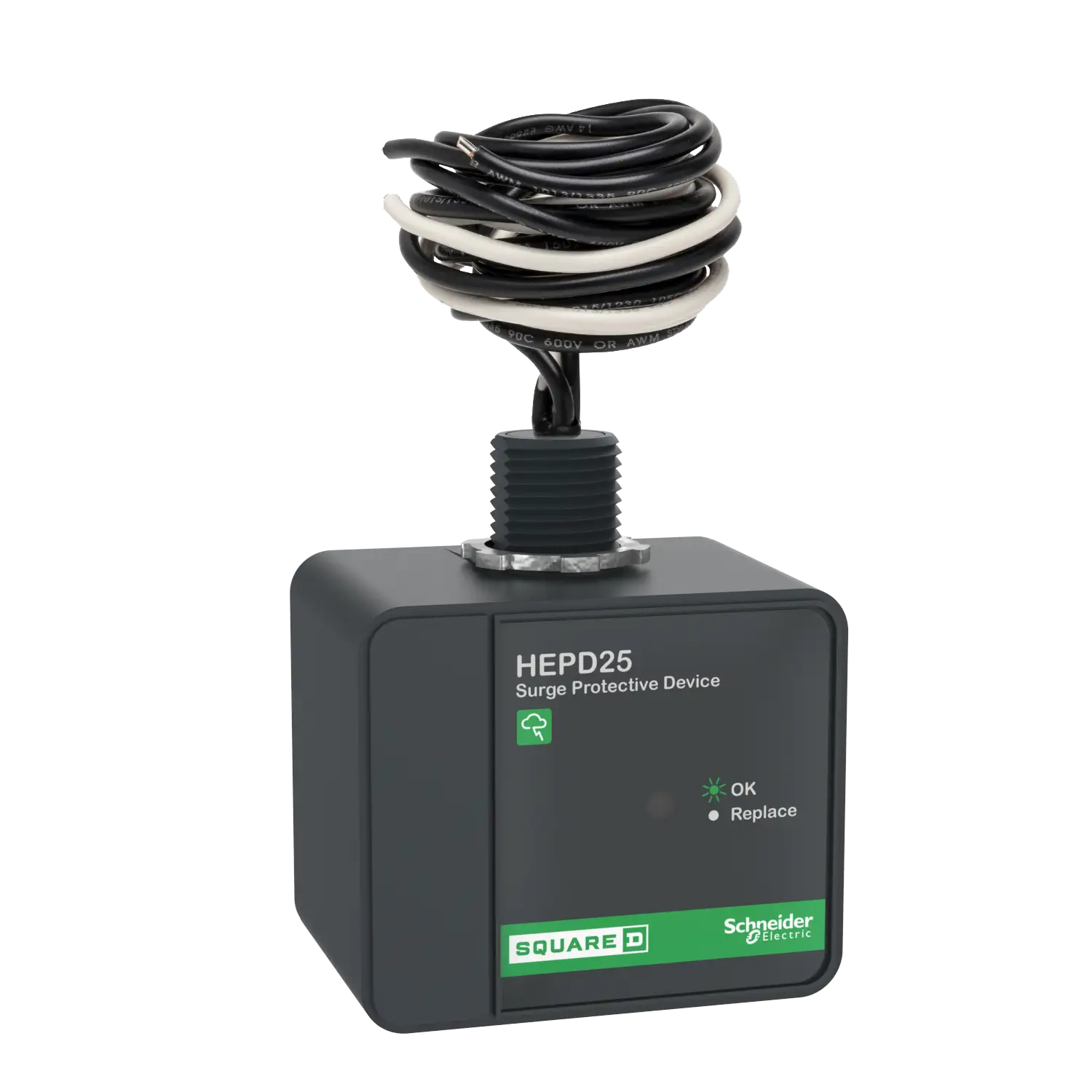
| Green LED status indicator | Larger than some expected |
| $7,500 connected equipment warranty | Requires checking after grid events |
| UL listed, Type 1 or Type 2 use | Not a whole-house solution |
| Durable NEMA 4X enclosure | |
| Saves significant labor costs vs HVAC company install |
Claims vs Reality
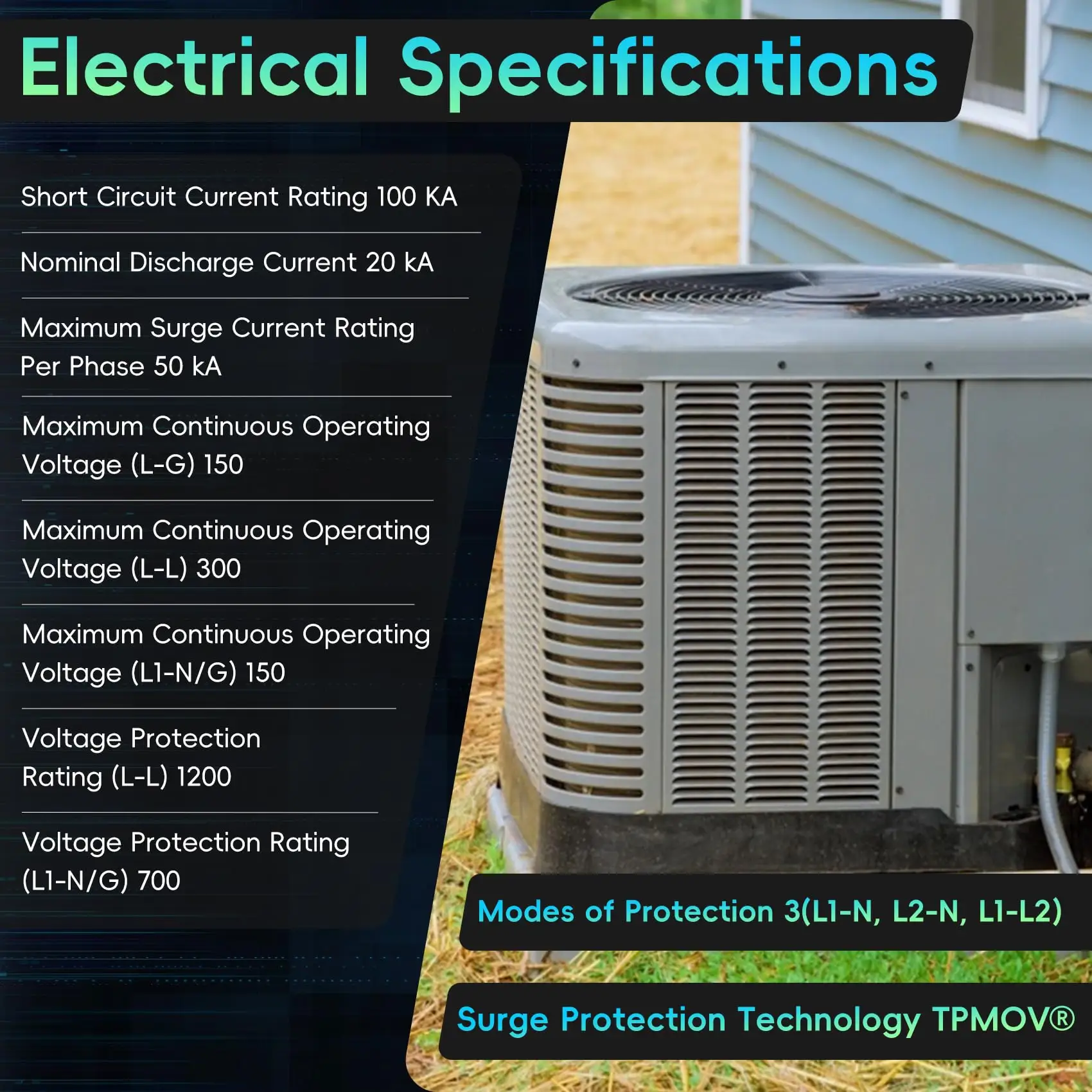
Marketing emphasizes “unmatched protection from surges, brownouts, and system short cycling” with TPMOV technology and a green LED indicator. While the specs list a maximum surge current rating of 50 kA per phase and a versatile Type 1 or Type 2 application, users consistently focus on its HVAC-specific role rather than whole-home coverage.
A verified buyer on Amazon noted: “Easy to install, needed it to protect a new HVAC system to meet the warranty requirements.” For many, the device’s value lies in meeting manufacturer surge protection clauses without paying inflated contractor rates. One Reddit user explained: “My HVAC co wanted to charge me $383 for a 15 min install... I saved about $800 doing it myself.”
However, while marketing claims continuous protection, several users clarify it’s a “self-sacrificing unit.” As one Amazon reviewer warned: “After a hit the green light will go out and it will continue to pass electricity to the device. Check it periodically especially after thunderstorms or grid events.”
Cross-Platform Consensus
Universally Praised
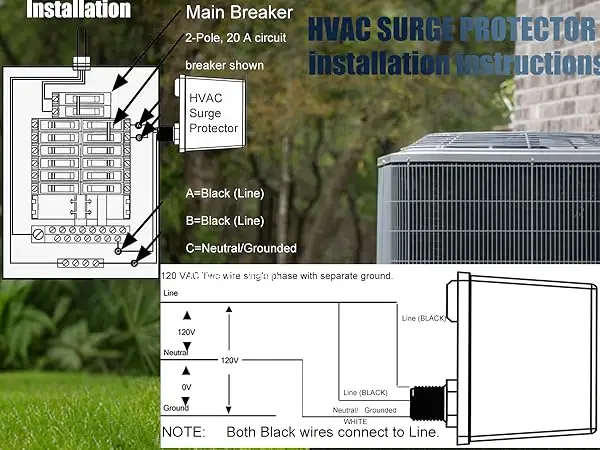
Ease of installation dominates positive feedback. Even non-electricians report success by following YouTube tutorials. A verified buyer on Trustpilot remarked: “Extremely easy to install, and I am not an electrician. Just make sure you have the power off both in the electrical box and the outside electrical box.” This accessibility makes it appealing to DIY-minded homeowners in storm-prone areas.
Protection performance also earns strong praise. Multiple users credit the AG3000 with preventing expensive repairs. One Amazon reviewer shared: “Got tired of changing the capacitors and contact switches... it’s great protection for HVAC units.” For Florida residents, this “double protection” alongside whole-house surge units offers peace of mind.
Cost savings are another universal highlight. A Reddit user recounted: “For $60, about an hour’s total time... I saved about $800.” This sentiment is echoed across eBay and Quora listings, where buyers see the AG3000 as a way to bypass steep service fees.
Common Complaints
The most repeated concern is the one-time-use nature of the device. After a major surge, the TPMOV design sacrifices itself, requiring replacement. This frustrates users who wish for a replaceable module. As one Amazon buyer put it: “I would like it if you could either replace the MOV after a strike or send it in for a replacement.”
Size and wiring challenges also emerge. Some find it “bigger than expected” and require “larger wing nut connectors to fit 2-14 AWG and 2-10 AWG wires.” While not a deal-breaker, it adds minor complexity for compact installations.
Divisive Features
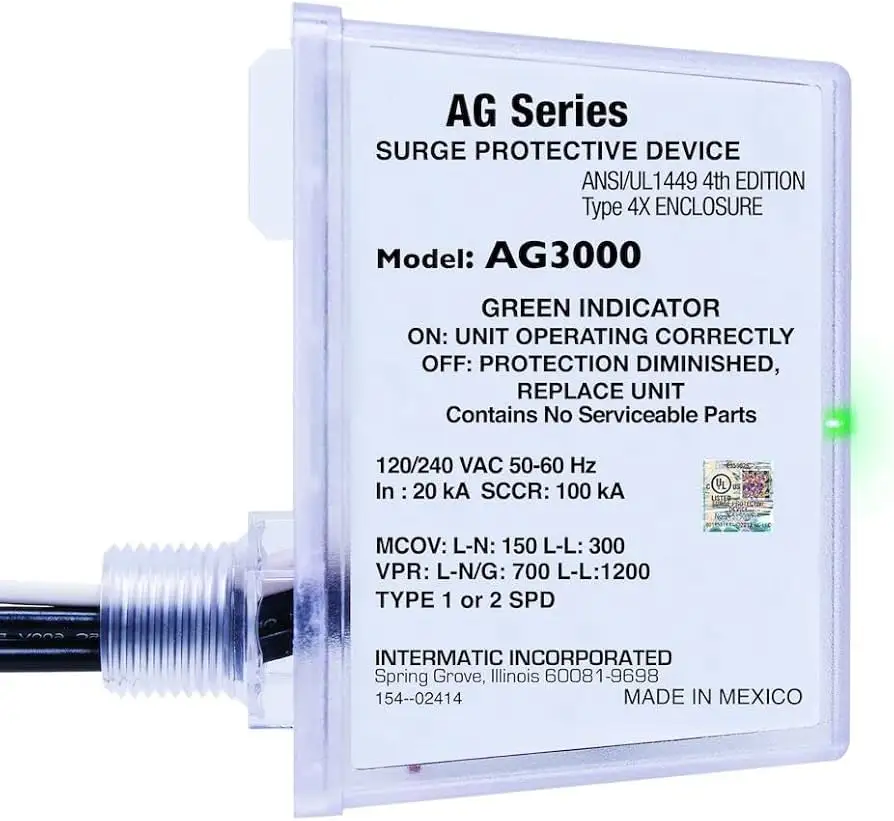
The green LED indicator is valued by many as a quick visual check, but others note it’s not foolproof. A teardown posted on Jay’s Technical Talk revealed the LED could fail even if the MOVs remain functional. That means relying solely on the light might be misleading for long-term monitoring.
While officially marketed as suitable for both line-to-neutral and line-to-line configurations, a few users question whether they needed the full 120/240V version for single-voltage setups. One Amazon reviewer mused: “Probably could have gone with just a 120 volt version, but these are highly rated.”
Trust & Reliability
On Trustpilot and Reddit, there’s little evidence of scam concerns. Intermatic’s long-standing reputation reassures buyers. Several mention the brand’s history as a reason for choosing the AG3000 over lesser-known alternatives.
Long-term durability stories are limited but encouraging. One teardown revealed the TPMOV internals were intact despite the LED failing, suggesting the protective elements may outlast the indicator light. This underscores the need for occasional inspection beyond visual cues.
Alternatives
Within the data, the main comparison is to recalled models like the Supco SCM150, which one user replaced with the AG3000 after learning of its fire hazard risk. In that case, the AG3000 matched the old unit’s form factor and offered a $7,500 connected equipment warranty. HVAC contractors’ “band-aid” packages often include similar devices but at several times the price.
Price & Value
Amazon currently lists the AG3000 at around $73.76, while eBay sellers range from $52 to $88.95 for new units. Community advice consistently leans toward self-purchase and DIY install to avoid contractor markups of $300–$800. Resale value isn’t a major factor given the product’s consumable nature after a surge event.
Tips from buyers emphasize:
- Buy a spare to avoid downtime after a surge.
- Check the LED after storms and grid events.
- Compare prices across platforms for the best deal.
FAQ
Q: Does the AG3000 protect the whole house?
A: No, it’s designed for HVAC-specific protection. Users often pair it with a whole-house surge protector for broader coverage.
Q: Can I replace the MOV inside after a surge?
A: No, the unit is sealed and intended to be replaced entirely. Several users wish for a replaceable module option.
Q: How do I know if it’s still working?
A: The green LED is the primary indicator, but some suggest periodic checks after storms as the LED can fail independently.
Q: Is it worth installing myself?
A: Many users report easy DIY installs with basic tools, saving hundreds in labor costs compared to HVAC company quotes.
Q: Will it meet my HVAC manufacturer’s warranty requirements?
A: Yes, several buyers installed it specifically to satisfy surge protection clauses in new system warranties.
Final Verdict: Buy if you’re a homeowner looking to protect a high-value HVAC system from surges without paying inflated installation fees. Avoid if you expect a reusable or whole-house solution. Pro tip from the community: Keep a spare unit on hand and check its status after severe weather to ensure uninterrupted protection.