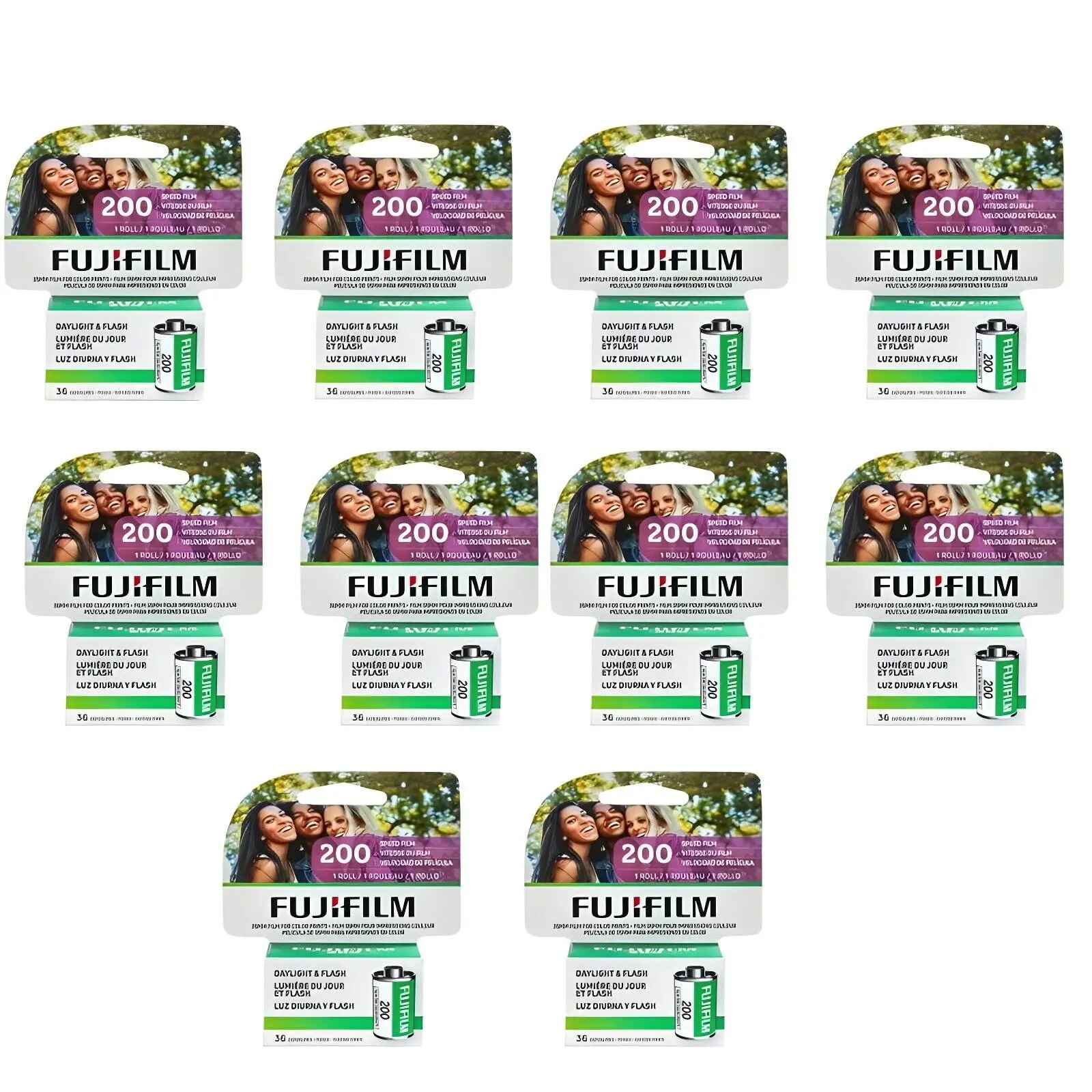
Fujifilm Fujicolor 200 (35mm) Review: Daylight Win
A film that’s “amazing in day light” can also turn “mucky green” the moment clouds roll in—Fujifilm Fujicolor 200 Color Negative Film (35mm) earns a conditional verdict at 7.6/10 based on how consistently it rewards bright, well-lit shooting and how often users warn about its quirks in shade.
Quick Verdict
Conditional — Yes for daylight travel, casual portraits, and point‑and‑shoot shooters; No if you often shoot in overcast, deep shade, or low light.
| What the data suggests | Pros (from user feedback) | Cons (from user feedback) |
|---|---|---|
| Daylight performance is the headline | “crisp and colorful” in bright light | “mucky green cast” in cloudy/shadowy scenes |
| Beginner-friendly latitude (within reason) | “forgiving for beginners” | “not adaptable” on mixed/flat light days |
| Color look is a draw | “greens and reds in heaps” | Green shift can feel unwanted without filtering |
| Grain and sharpness | “fine and unobtrusive” grain | Limited flexibility because “it is only 200 speed” |
| Price/value narrative varies by era/market | Often framed as “reasonably priced” | Some listings now show higher multi‑pack pricing |
Claims vs Reality
Fujifilm’s own positioning leans hard into vivid color, sharpness, and exposure versatility. The product page language emphasizes “high sharpness and high resolution,” “vibrant colors with pleasing skin tones,” and “wide exposure latitude” for “a variety of conditions” (Amazon listing and Fujifilm product copy). Digging deeper into user reports, that promise often holds—especially when the conditions are exactly what ISO 200 daylight film prefers.
Where the gap opens up is in what “variety of conditions” really means in practice. A reviewer writing up field results from travel described it as “a versatile beginner film… great for shooting in sunny conditions,” praising “vibrant yet natural color rendition” and saying “greens and blues are particularly vivid” with “pleasing warmth” in skin tones (FilmProcessing.co.uk). But the same reviewer also wrote that in Japan’s mixed April weather, “some days there was gorgeous blue skies, and others… grey overcast and we found that fujifilm 200 was just not adaptable to those less than forgiving conditions.”
The most pointed contradiction shows up around color accuracy under challenging light. While official copy highlights balanced, pleasing color and even suggests strong performance across lighting types, one Darkroom user review warns: “this emulsion’s mucky green cast is no good for cloudy or shadowy conditions, unless mucky green is what you’re after… don’t forget your warming filter!” (The Darkroom Photo Lab). For photographers who expect consistent neutrality across overcast street scenes or wooded shade, that’s not a small footnote—it’s the defining tradeoff.
Cross-Platform Consensus
Universally Praised
“Blue skies” are where this film’s reputation becomes hard to argue with. A recurring pattern emerged across review-style writeups and user snippets: in bright daylight, shooters describe the negatives as clean, punchy, and pleasantly “Fuji” in character. One Darkroom community snippet sums it up bluntly: “film is amazing in day light” (The Darkroom Photo Lab). For travelers and casual shooters using a point‑and‑shoot, that often translates to fewer exposure disasters and more keepers when the sun is cooperating.
Color is the second pillar of praise, particularly the way greens and blues render outdoors. A photographer reviewing their rolls called out “vibrant yet natural color rendition” and wrote that “greens and blues are particularly vivid,” framing it as a strong fit for outdoor photography where “nature’s hues can truly shine” (FilmProcessing.co.uk). Another Darkroom user review, speaking as someone who likes the brand’s signature palette, said: “c200 gives you the fuji greens and reds in heaps,” and claimed it delivered “lower grain and clearer image than superia has given me” (The Darkroom Photo Lab). For landscape shooters, park walkers, and everyday summer documentation, that “greens and reds” pull is exactly what they’re buying.
Grain and sharpness also come through as steady positives when exposure is on target. The travel reviewer described the grain as “fine and unobtrusive,” adding that it gives “that quintessential film look without detracting from detail,” and even suggested it can be “a great option for enlargements and prints” (FilmProcessing.co.uk). That’s echoed in the more general praise from The Darkroom’s summary tone, which calls it “a great all around film for everyday shooting” with “relatively fine grain” and “great exposure latitude,” recommending it for point‑and‑shoot cameras (The Darkroom Photo Lab). For beginners learning film—especially those shooting daytime vacations—this combination of tolerable grain and decent sharpness is the safety net they keep mentioning.
- Best-fit use cases users keep circling: bright daylight travel, outdoor portraits, nature/parks, point‑and‑shoot snapshots.
- Most repeated strengths in stories: vivid “Fuji” greens/reds, crisp detail in sun, fine grain that doesn’t overwhelm prints.
Common Complaints
Overcast and shadow are the recurring trouble spots, and the language is unusually consistent for film discussion: green cast, muddiness, and limited adaptability. The Darkroom user review “watch your shadows” lays out the complaint as a conditional: “Images in bright daylight or with flash are crisp and colorful, but this emulsion’s mucky green cast is no good for cloudy or shadowy conditions” (The Darkroom Photo Lab). That’s not just a minor preference—it's a warning that the film’s look can swing from lively to unpleasant depending on weather and contrast.
Low-light constraints show up as the practical, non-negotiable drawback of ISO 200. Even users who love the palette call out that speed ceiling. One five-star Darkroom reviewer still lists the limitation: “The only downside is that it is only 200 speed, so your options will get more limited in lower lighting conditions” (The Darkroom Photo Lab). The travel reviewer echoes the lived reality: learning “what a lower iso truly means,” they found it works “best in sunny, fair lighting conditions,” and said their mixed-weather shooting proved it “was just not adaptable” on gray days (FilmProcessing.co.uk). For indoor events without flash, evening street photography, or heavily shaded scenes, the consistent message is that the film is possible—but it asks more of your camera and your technique.
The complaint isn’t simply “it’s slow,” but what the slowness does to the kinds of photos people want. Beginners hoping for one roll that covers daytime sightseeing and nighttime restaurants can end up disappointed. Even the same reviewer who loved the “grain effect” in some overcast frames frames those as compromises—memories they still enjoy, but not proof of adaptability (FilmProcessing.co.uk). For parents documenting kids indoors, or city shooters chasing twilight, the feedback reads like a gentle but firm “choose a faster stock.”
- Conditions most associated with disappointment: cloudy daylight, deep shade, shadow-heavy scenes, low light without flash.
- Specific workaround mentioned by users: “don’t forget your warming filter!” for cloudy shooting (The Darkroom Photo Lab).
Divisive Features
The “Fuji look” itself is divisive—especially the way greens come through. Some photographers actively chase that signature color. One Darkroom reviewer calls it “hands down my favorite!” specifically because it delivers “fuji greens and reds in heaps” (The Darkroom Photo Lab). For fans of that aesthetic, the palette isn’t a flaw; it’s the point.
Others interpret the same tendency as a cast that needs correction in the wrong conditions. The “mucky green” complaint is not framed as subtle—it’s framed as a dealbreaker for cloudy/shadowy work unless you want that look (The Darkroom Photo Lab). Digging deeper into these two sides, the split seems less about the film being inconsistent and more about photographers expecting it to behave like a more neutral or more forgiving stock in bad light. For summer landscapes and golden-hour portraits, the “Fuji greens” are celebrated; for winter streets and shaded scenes, the same greens become the complaint.
Trust & Reliability
Across the provided sources, there isn’t meaningful scam-pattern evidence or long-term “six months later” durability storytelling from community threads; most of what appears under community/Trustpilot headings is manufacturer-style copy or reposted review content rather than verified, time-stamped ownership narratives. That absence limits how far reliability can be assessed beyond the repeated experiential patterns: the film behaves predictably in bright conditions and predictably struggles in overcast/shadow.
What does come through as a form of reliability is repeatable behavior. Users repeatedly describe the same “crisp and colorful” results when the scene is bright, and repeatedly mention greenish results when it’s cloudy. For photographers who can plan around light—vacation shooters, outdoor portrait takers, and point‑and‑shoot users staying in daytime lanes—that predictability itself is the reliability story.
Alternatives
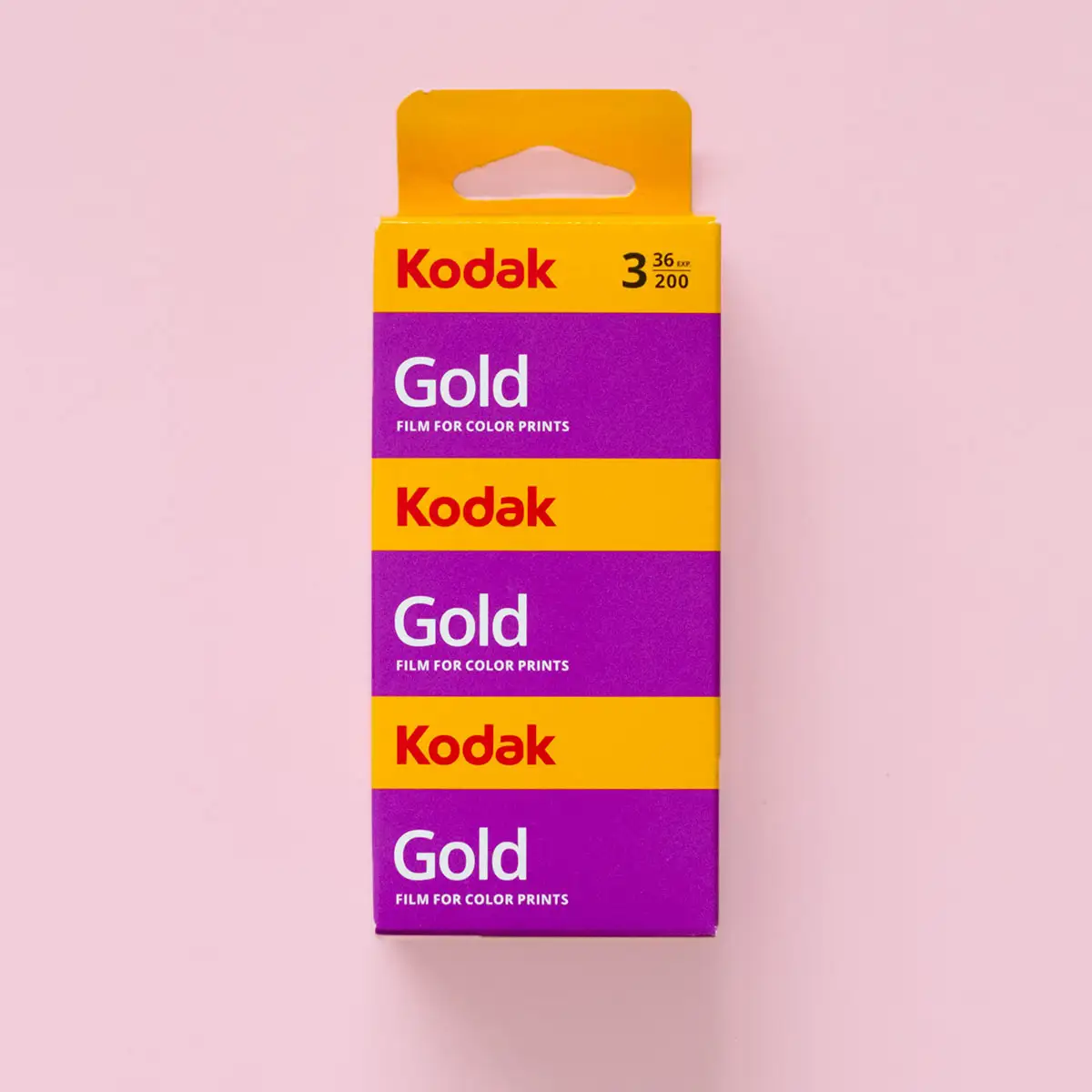
Only competitors explicitly mentioned in the data are treated as true alternatives. Market listings frequently pair it alongside Kodak Gold 200 and Kodak ColorPlus 200 (eBay). That framing suggests shoppers cross-shop within the same ISO 200 category rather than treating Fujicolor 200 as a specialty stock.
The strongest “alternative” argument in the feedback is implicit: if you like this film for daylight but dislike its cloudy behavior, you may be the type of shooter who should pick a different roll for shade-heavy days. The Darkroom reviewer who warns about the “mucky green cast” even offers a behavioral alternative—use a warming filter if you insist on shooting cloudy scenes (The Darkroom Photo Lab). In other words, the alternative isn’t always another film; it’s either a different stock choice on cloudy days or adding filtration to steer the palette back toward what you want.
Price & Value
Affordability is part of Fujicolor 200’s legend, but the value story now depends on where and when you buy. The Darkroom page describes it as “reasonably priced with good availability,” and even frames it as a “great inexpensive color negative film” (The Darkroom Photo Lab). A travel reviewer similarly calls out “affordability,” noting it’s “often priced lower than other premium films” (FilmProcessing.co.uk).
Resale/market snapshots on eBay show multi-pack listings commonly in the low‑$20s range for 3‑packs (with many variations), and single-roll listings that can vary widely depending on freshness, shipping, and whether the listing is expired/vintage (eBay). For budget-minded shooters, that variability matters: the film’s “great all around” reputation is strongest when it’s actually priced like a consumer stock, not when it drifts into premium pricing territory.
Buying tips suggested by the data are practical rather than hype-driven: stick to fresh-dated listings when possible, and plan your use around daylight to maximize keepers. If your style includes overcast street photography, the “warming filter” suggestion becomes a value tactic—spending a bit on filtration may reduce the number of disappointing frames (The Darkroom Photo Lab).
FAQ
Q: What is Fujifilm Fujicolor 200 (35mm) best for?
A: Bright daylight shooting—travel, outdoor portraits, and nature scenes. A Darkroom reviewer said “film is amazing in day light,” and another noted daylight/flash results are “crisp and colorful” (The Darkroom Photo Lab). A travel reviewer also praised “greens and blues” and “pleasing warmth” in skin tones (FilmProcessing.co.uk).
Q: Does it work in cloudy or shadowy conditions?
A: It can, but multiple users warn about color shifts. One Darkroom review says its “mucky green cast is no good for cloudy or shadowy conditions,” adding “don’t forget your warming filter!” if you must shoot cloudy scenes (The Darkroom Photo Lab). A travel shooter also found it “not adaptable” on gray days (FilmProcessing.co.uk).
Q: How noticeable is the grain on Fujicolor 200?
A: Many describe it as relatively fine when exposed well. A reviewer wrote the grain is “fine and unobtrusive,” giving texture without killing detail, and suggested it can work for prints (FilmProcessing.co.uk). The Darkroom’s overview similarly frames it as “relatively fine grain” (The Darkroom Photo Lab).
Q: Is ISO 200 limiting for everyday photography?
A: It depends on your lighting. A fan of the film still cautioned: “it is only 200 speed, so your options will get more limited in lower lighting conditions” (The Darkroom Photo Lab). For indoor or evening scenes without flash, users imply you’ll need steadier hands, wider apertures, or different film.
Q: Is it a good beginner film stock?
A: Many sources frame it that way—especially for learning exposure in daylight. A travel reviewer called it “a great one to start with,” while also noting it taught them “what a lower iso truly means” in mixed light (FilmProcessing.co.uk). The Darkroom also recommends it for point‑and‑shoot cameras (The Darkroom Photo Lab).
Final Verdict
Buy if you’re a daylight-first shooter—travelers, outdoor portrait takers, and point‑and‑shoot users who want “crisp and colorful” frames when the sun is out (The Darkroom Photo Lab). Avoid if your typical scenes are overcast streets, deep shade, or indoor low light, where users warn about a “mucky green cast” and limited flexibility at “only 200 speed” (The Darkroom Photo Lab). Pro tip from the community: if you insist on cloudy shooting, “don’t forget your warming filter!” (The Darkroom Photo Lab).