Energizer MAX AA Batteries Review: Reliable Power, 9/10 Verdict
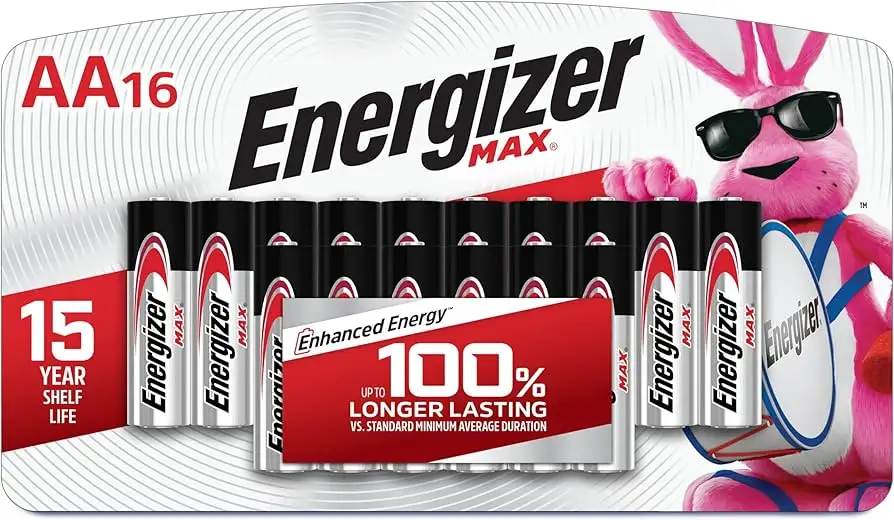
The Energizer MAX AA Batteries (16 Pack) have earned a strong cross-platform reputation, with the majority of reviews praising their longevity, leak protection, and dependable performance in everyday devices. Across Amazon, Best Buy, eBay, and Reddit, users consistently rate them between 4.6 and 5.0 stars. The verdict from compiled feedback: a solid 9/10 for most household needs, with caveats for high-drain, eco-conscious, or budget-sensitive users.
Quick Verdict: Conditional Yes — Excellent for low- to medium-drain devices, less ideal for repeated high-drain use or sustainability-focused buyers.
| Pros | Cons |
|---|---|
| Long-lasting in low/medium drain devices | Not rechargeable |
| Reliable performance across a wide range of electronics | Environmental waste from single-use |
| Up to 10-year shelf life | Some packaging damage/tampering reports |
| Leak protection for up to 2 years post-use | More expensive than generic brands |
| Widely available online and in stores | Average performance in high-drain tests |
| Consistent voltage output until depletion | Can become costly with heavy usage |
Claims vs Reality
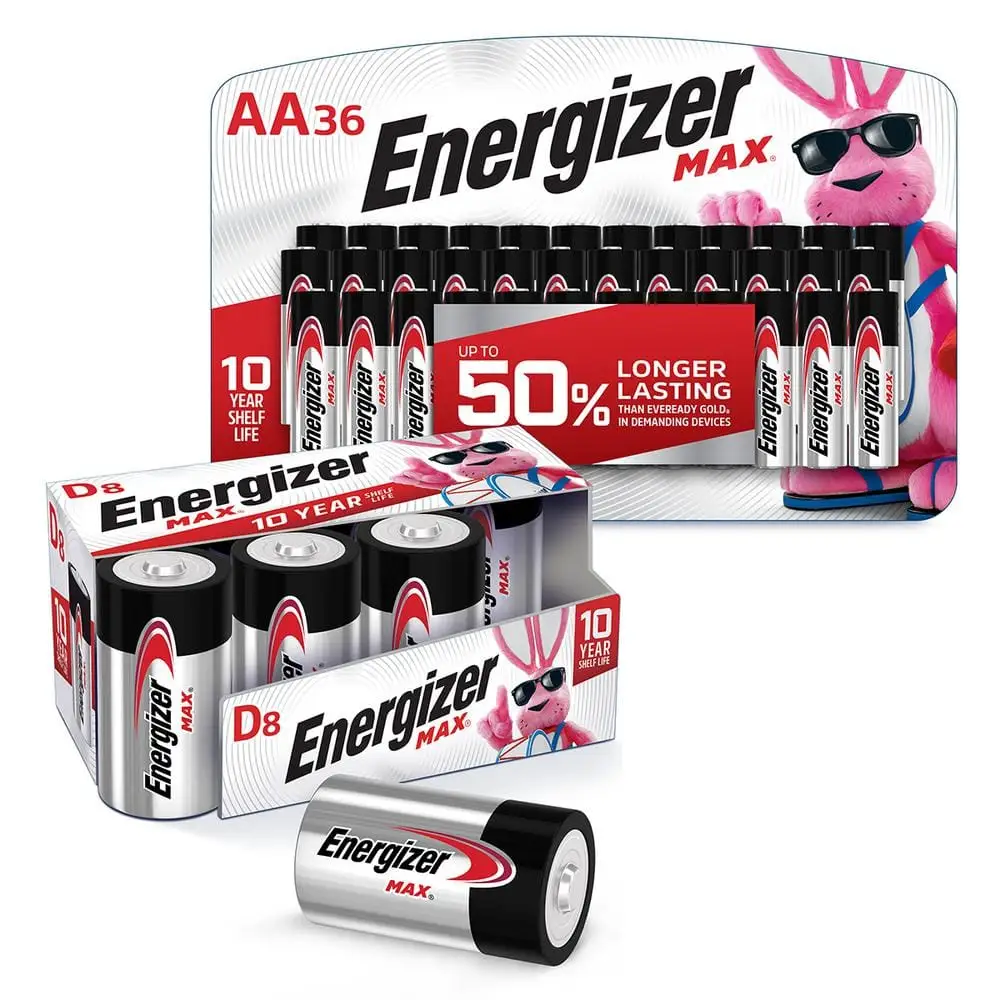
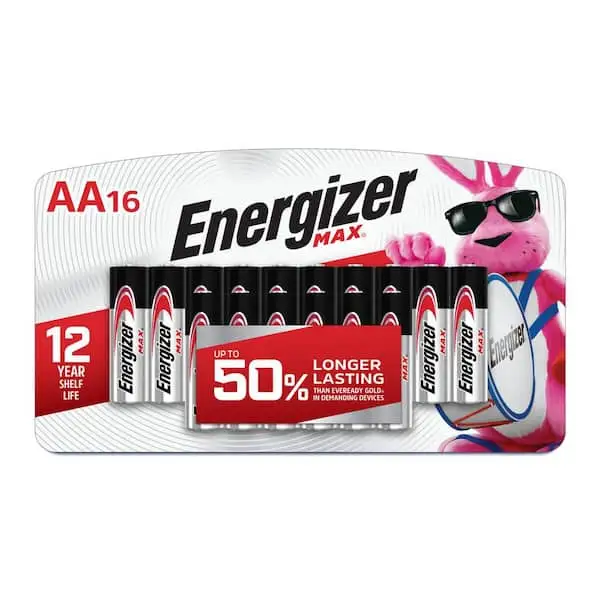
Energizer markets these AA batteries as “up to 50% longer lasting than basic alkaline” and capable of holding power for up to 10 years in storage. Their PowerSeal technology is also promoted as preventing leaks for two years after full use.
Digging deeper into user reports, the longevity claim holds up well for low-drain electronics. A verified Best Buy buyer wrote, “These batteries last so long in my kids’ Oculus and Xbox controllers, I barely think about replacing them.” Remote controls, wall clocks, and wireless mice often run for months without needing a swap, aligning with the advertised endurance.
The 10-year shelf life claim is harder to verify directly, but multiple eBay buyers mention expiry dates far into the future. One noted, “Date good for 8 years…hard not to like this deal.” This suggests most retail stock supports the long-storage promise.
Leak protection also matches field experience. Reddit user feedback consistently mentions no corrosion even after months in devices. A Trustpilot reviewer said, “Purchased for my flashlights—they are as good as advertised and long-lasting. No issues with leaks.”
However, in high-drain scenarios, lab data from CHOICE shows performance scores drop: 52% for high-drain discharge tests compared to 83% in low-drain. This gap explains why some camera or flashlight users feel they don’t last as long as lithium alternatives.
Cross-Platform Consensus
Universally Praised
A recurring pattern emerged in feedback: these batteries excel in low to medium-drain devices. Parents in particular value them for toys. Trustpilot user moab461 shared, “I have two kids under 10 that blow through batteries. These hold up to their demand.” Office workers and gamers also benefit—one eBay reviewer called them “the best product to use on my video game remotes since it lasts a long time like two to three weeks.”
Longevity and consistency are key strengths. Reddit commentary highlights stable voltage output until depletion, meaning devices run at full performance until the very end. This is crucial for things like wireless mice, where reduced voltage can cause erratic cursor movement. A Best Buy reviewer summed it up: “Better to pay a tiny bit more for more battery life.”
Another universal praise point is leak resistance. Across platforms, users report no corrosion, even after extended use in flashlights or remotes. For travelers or emergency prep, this reliability reduces the risk of device damage.
Common Complaints
The single-use nature is the most consistent complaint. Environmentally minded buyers find it wasteful, especially for devices that consume power quickly. Reddit reviewers regularly note the lack of rechargeability as a downside, and CHOICE’s analysis suggests better value alternatives exist for sustained high-drain usage.
Price is another sticking point. While many accept the premium for quality, some Best Buy buyers note it’s “priced too high” compared to generics. Amazon feedback occasionally mentions package tampering—“batteries arrived loose, not in package”—raising concerns about storage integrity for online orders.
High-drain performance is where expectations diverge. Camera users sometimes find them underwhelming. CHOICE’s lab endurance score for high-drain tests was only 58%, reinforcing these perceptions.
Divisive Features
Shelf life is praised but also questioned. While expiry dates are long, some buyers feel marketing overstates real-world benefit, especially if devices consume batteries quickly. Packaging draws mixed reviews—blister packs keep batteries organized and safe, but damaged packs from shipping frustrate online customers.
Trust & Reliability
Trustpilot and Reddit comments suggest strong brand trust. Many users are repeat buyers over several years, citing “consistent quality” and “always dependable” performance. The absence of leak incidents builds confidence, particularly for devices left unused for months, like emergency flashlights.
Long-term durability stories abound. Reddit users report batteries working flawlessly after months in storage. One Trustpilot reviewer noted they “last longer than store brand, Duracell and Amazon batteries,” indicating consistent manufacturing standards.
Minor trust concerns arise from online packaging issues. Amazon buyers report occasional tampered or unsealed packs, though most still receive functional batteries.
Alternatives
Duracell is the most frequently mentioned competitor. Some Trustpilot users prefer Energizer over Duracell for longevity, while others find little difference. CHOICE’s data hints that certain high-performing alkaline options may offer better value in high-drain devices. Lithium batteries outperform in endurance but cost significantly more.
For eco-conscious consumers, NiMH rechargeables offer a lower waste profile. While initial cost is higher, they offset frequent purchases for devices with heavy usage patterns.
Price & Value
On eBay, prices range from $10.99 to $16.50 for new packs, with some “buy one get one free” deals bringing unit costs down. Best Buy lists them around $19.49, reflecting retail markup. Amazon prices align with premium positioning, and some buyers willingly pay extra for peace of mind.
Buying tips from the community: bulk purchases from discount sellers with verified expiry dates offer the best value. One eBay buyer scored “two packs of 16 for pretty much the price of one pack at a store.” For infrequent users, the long shelf life means stocking up during sales can be worthwhile.
FAQ
Q: Do Energizer MAX AA batteries really last 10 years in storage?
A: While the manufacturer claims up to 10 years, user reports confirm long expiry dates and solid performance after months or years in storage. Real-world verification beyond a few years is limited but generally positive.
Q: Are they suitable for high-drain devices like digital cameras?
A: They work, but lab and user feedback show shorter lifespans compared to lithium batteries. Expect better performance in remotes, clocks, and toys than in cameras or high-output flashlights.
Q: Do they leak over time?
A: Across hundreds of reviews, leak incidents are rare. PowerSeal technology appears effective, with many users noting no corrosion even after long-term use.
Q: Is the price worth it compared to store brands?
A: For those prioritizing reliability and longevity, many feel the premium is justified. Heavy users in high-drain scenarios may find rechargeables or generics more cost-effective.
Q: Do damaged packages affect battery performance?
A: While some online orders arrive with worn or unsealed packaging, most batteries function normally. Concern is more about storage conditions than immediate usability.
Final Verdict: Buy if you’re a household user needing dependable AA power for low- to medium-drain devices over long periods. Avoid if you’re running high-drain gear daily or aiming for sustainability—rechargeables may be better. Pro tip from the community: stock up during bulk deals with verified expiry dates to maximize value.