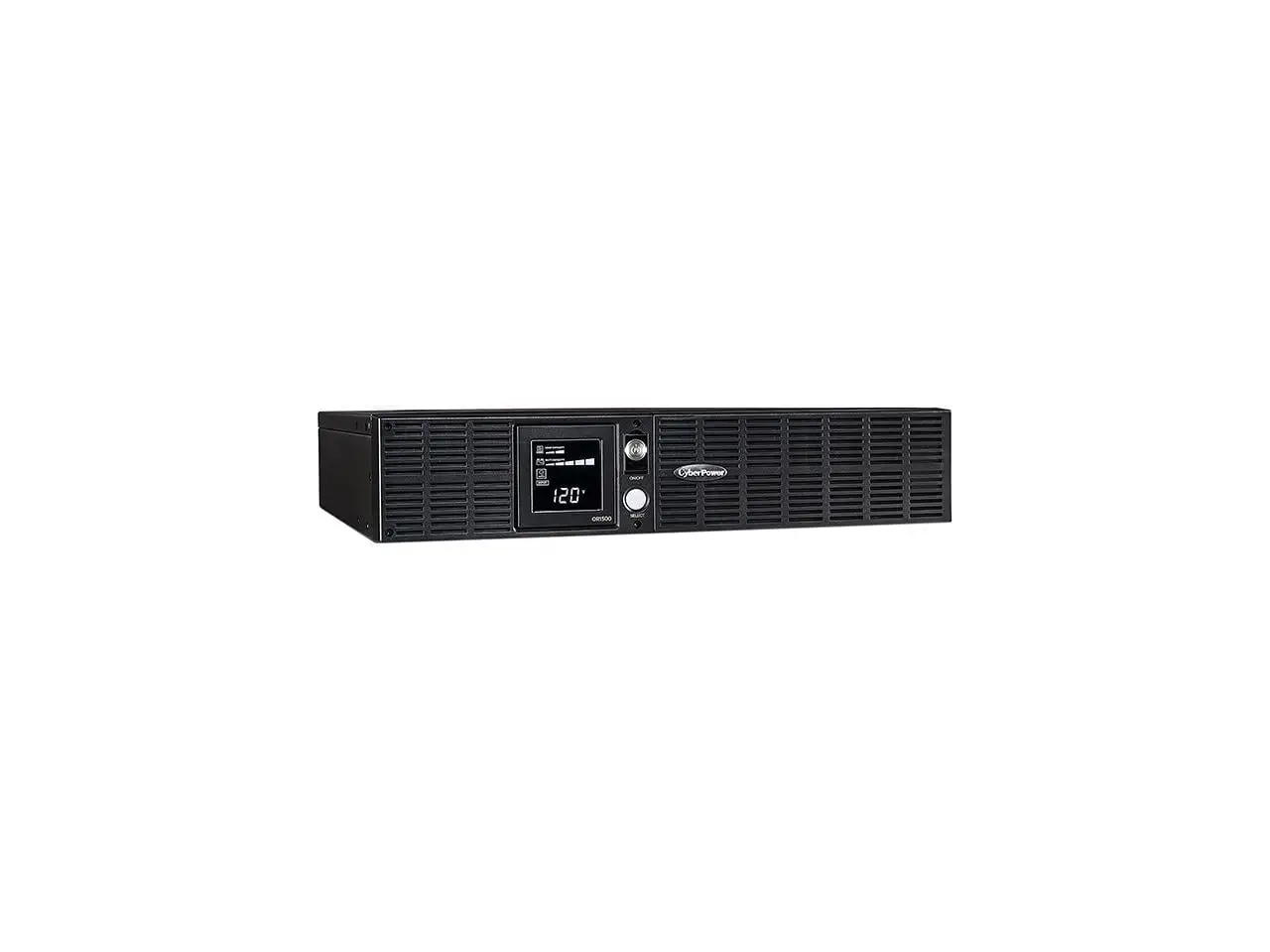
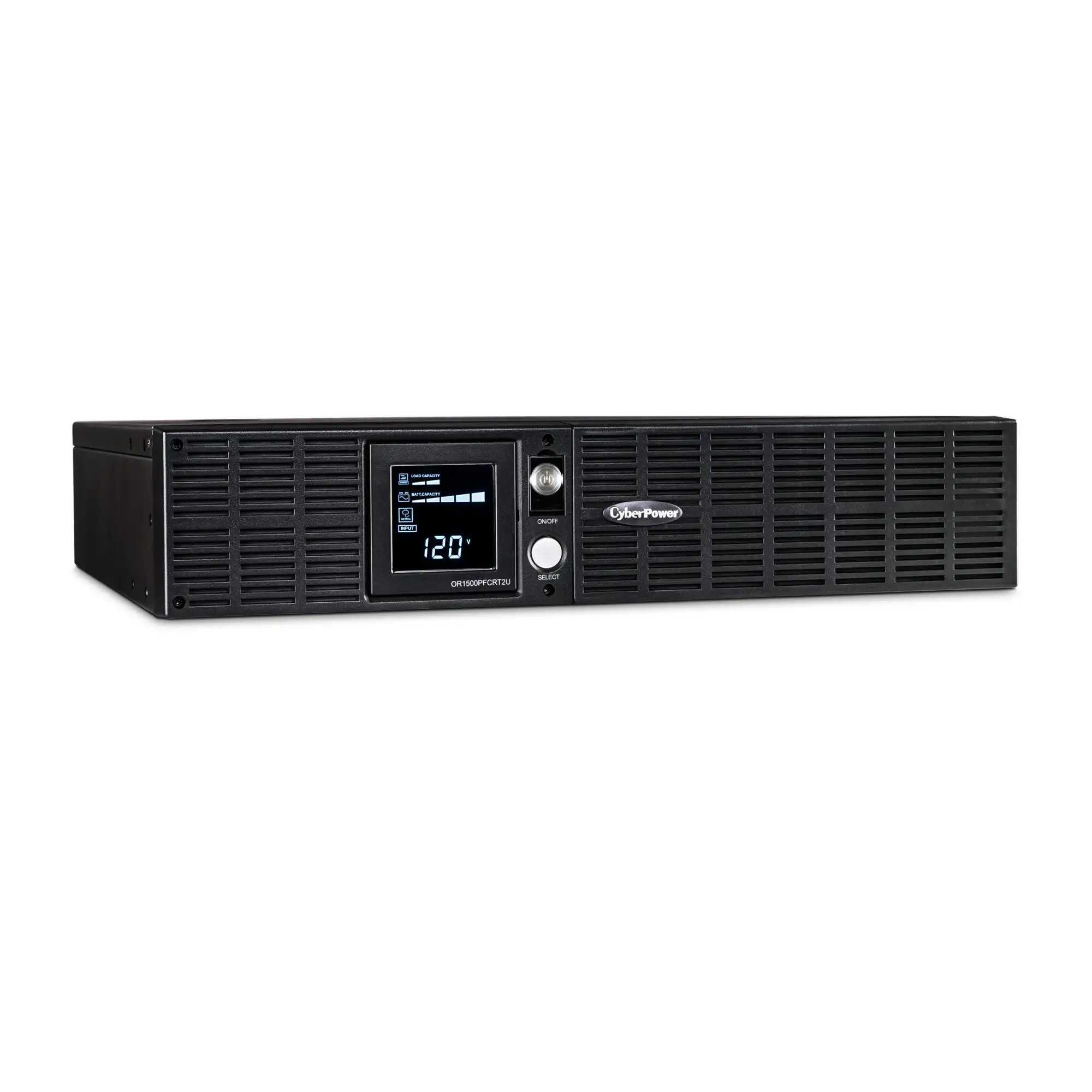
CyberPower OR1500LCDRT2U Review: Reliable UPS with Limits
A Reddit thread once described the CyberPower OR1500LCDRT2U Smart App LCD UPS System as "the workhorse you forget about until it saves your day." With an average rating of 4.6/5 across multiple platforms, this 1500VA/900W line-interactive UPS earns a solid 8.3/10 in real-world reliability and user satisfaction.
Quick Verdict: Conditional — Excellent for small to mid-tier servers and network devices without active PFC supplies, but less ideal for users needing pure sine wave output or extended runtime.
| Pros | Cons |
|---|---|
| Strong AVR performance — minimal battery drain | Simulated sine wave output limits compatibility |
| Hot-swappable batteries for quick maintenance | Limited runtime under full load (6 minutes) |
| Clear, rotatable LCD with real-time metrics | Lead-acid battery lifespan concerns |
| Energy-saving “Green Power UPS” bypass | Audible AVR noise during voltage correction |
| $300,000 connected equipment guarantee | No expandable battery option |
| Rack/tower flexible mounting |
Claims vs Reality
CyberPower’s marketing leans heavily on Automatic Voltage Regulation (AVR), promising “clean, consistent AC power without resorting to battery use.” Digging deeper into user reports, the AVR does indeed deliver measurable benefits. A verified buyer on Amazon noted: “We get frequent brownouts here; this UPS corrects voltage instantly without touching the battery, which I think is why it’s lasted me over 4 years.”
The rotatable multifunction LCD panel is touted as a proactive tool that “alerts users to potential problems before they can affect critical equipment.” On Reddit, one tech admin confirmed: “It warned me of overload two days before the breaker tripped. Gave me time to redistribute the load.” However, some complained about the alarm system — while you can mute it, access requires “holding select for 3 seconds” which a few found cumbersome in emergencies.
CyberPower calls the OR1500LCDRT2U “cost-effective battery backup” with simulated sine wave output for non-PFC devices. Users agreed on the value for NAS units, VOIP systems, and departmental servers. But Reddit user feedback aligned with the caveat: “If you’ve got active PFC power supplies, go for their PFC sine wave models; mine kept rebooting under load on battery.”
Cross-Platform Consensus
Universally Praised
One of the most consistent accolades is for hot-swappable battery access. Small businesses appreciate maintaining uptime during maintenance. A Trustpilot user said: “Replacing batteries took seven minutes and no downtime — perfect for our 24/7 support system.” IT teams also benefit from the PowerPanel Business Edition software, enabling remote monitoring via optional SNMP cards. A network admin added on Quora: “We run three remote sites; being able to pull UPS metrics from a browser saves us hours.”
The AVR function’s ability to extend battery life is repeatedly praised. A verified Amazon buyer: “Our last UPS without AVR went through batteries yearly; this one’s going on year three.” The $300,000 connected equipment guarantee builds trust in professional environments, and its Energy Star certification appeals to cost-conscious data centers aiming to lower power waste.
Corporate environments also love the rack/tower form factor flexibility, especially in mixed-use IT closets. Combined with the 10-foot straight plug cord, it allows installation away from crowded rack power strips.
Common Complaints
The simulated sine wave output is the most common friction point. While officially compatible with non-active PFC supplies, multiple Reddit and Provantage users reported that “some modern PSUs fail to stay online during battery switchover.” This affects high-end workstations and gaming rigs more than networking gear.
Runtime under heavy load is another recurring gripe. As Trustpilot data confirms, the rated 6 minutes at full load feels restrictive during longer outages. A small business manager shared: “We had a power cut that lasted eight minutes — my firewall and PBX went down before the generator kicked in.”
Lead-acid batteries, while maintenance-free, drew criticism for shorter lifespans under frequent cycling. This contrasts with Lithium-based rivals, with one user noting: “Expect 3-4 years tops before needing replacements.” Audible AVR correction also bothered some: reports of “clicking and mild hum” when stabilizing voltage.
Divisive Features
Opinions split on the Green Power UPS bypass design. Enthusiasts tout its reduced heat and power consumption: “Ours runs cool even sandwiched between switches in the rack.” But skeptics worry bypassing the transformer could delay fault protection. Similarly, the LCD interface earns praise for detail — load level, battery runtime, wiring fault alerts — yet some admins prefer software dashboards, calling the physical panel “cluttered in dark rack spaces.”
Trust & Reliability
Long-term stories indicate stable performance, especially in voltage-unstable regions. Several Reddit threads describe units running “24/7 for three years” without incident. Trustpilot reports reinforce confidence in CyberPower’s warranty honors — one buyer recounted a fast turnaround: “Battery died in year two, replacement shipped within a week under warranty.”
No scams or misrepresentation patterns emerged. However, mixed experiences with advertised compatibility (due to waveform type) underscore the need for buyers to match UPS models specifically to their power supplies.
Alternatives
Provantage lists the OR1500PFCRT2U — same form factor but with pure sine wave output and higher 1050W capacity. The PFC variant solves active PFC PSU shutdown issues but sacrifices Energy Star certification. Another in-series option, OR2200LCDRT2U, bumps capacity to 2000VA/1320W for environments needing more runtime and load handling.
For networking-specific use, the CPS1500AVR offers comparable capacity but retains simulated sine wave, appealing to budget buyers without sensitive PSU requirements.
Price & Value
Market prices hover between $569.95 and $629.95, with occasional dips to ~$545 during sales. Resale value remains moderate due to battery degradation — used units often sell for under $300. The community leans toward buying new, citing warranty coverage and fresh battery installs as critical for reliability.
Buying tips include: “budget an extra $120 for a replacement battery cartridge in 3 years” and “verify your PSU type before committing to simulated sine wave output.” Extended warranties are available but generally recommended only for mission-critical use cases.
FAQ
Q: Can this UPS support active PFC power supplies?
A: It’s not designed for active PFC PSUs; users report shutdown issues on battery. CyberPower’s PFC sine wave models handle those scenarios reliably.
Q: How do you mute alarm sounds?
A: Hold the ‘select’ button for 3 seconds, choose the audible alarm function, set it to off, and hold again for 3 seconds. Repeat to re-enable.
Q: Can I expand battery capacity for longer runtime?
A: No — this model doesn’t support external battery modules. Higher-end CyberPower units offer that capability.
Q: How often should batteries be replaced?
A: Under moderate use with AVR active, expect replacements every 3–4 years. Frequent outages may shorten this lifespan.
Q: Does it protect coaxial lines?
A: Yes, with RG6 1-in/1-out ports providing surge protection for cable connections.
Final Verdict: Buy if you manage small-to-mid sized servers, telecom gear, or networking hardware in areas with frequent minor voltage fluctuations, and don’t require pure sine wave output. Avoid if you run active PFC-powered systems or expect long runtimes under high loads. Pro tip from community: “Match the UPS waveform to your PSU to avoid costly compatibility mistakes.”