Eaton CHSPT2SURGE Review: Worth It If Installed Right
A “no-brainer” is how one owner summed it up—yet another was left wondering why a “50 amp breaker is designed to clamp a wire…double the gauge size of the wires on this device.” That tension defines the Eaton CHSPT2SURGE Whole Home Surge Protector: widely seen as cheap insurance, but with install details that can trip up DIYers. Verdict: a strong pick for most homeowners who’ll install it correctly. Score: 8.6/10.
Quick Verdict
For many households, a Type 2 whole-house surge protector is the “sleep better at night” upgrade after losing electronics to a surge. In community discussions, people frame this Eaton as a practical layer at the breaker panel—especially for homes with sensitive electronics, smart switches, and expensive HVAC boards.
But the confidence often comes paired with caution. Multiple user comments stress that panel work is inherently dangerous, and that this device’s breaker/wiring expectations can surprise buyers.
| Verdict | Pros (from user feedback) | Cons (from user feedback) |
|---|---|---|
| Conditional | “easy to install” for experienced installers | Requires a dedicated “50 amp, 2-pole breaker” (extra cost/complexity) |
| Conditional | Clear guidance: “installation instructions are thorough and well laid out” | Wire length/gauge complaints: “comes with only 14 awg wire” |
| Yes (if professionally installed) | Peace-of-mind value vs repairs: “repairs in excess of 2000” | Packaging issues reported: “box came crushed” |
| Yes (for protection layering) | Helps after prior losses: “before…i lost a tv…haven’t had any issues since” | Visibility/mounting tradeoffs: “can’t see the indicator lights” |
Claims vs Reality
Eaton’s positioning—both in listings and spec sheets—leans on broad compatibility, straightforward mounting, and meaningful surge suppression at the service entrance. Digging deeper into user reports, those themes mostly hold, but the “simple” part depends heavily on your electrical comfort and panel constraints.
One recurring marketing promise is broad panel compatibility: the Amazon listing says it “universally connects to any manufacturer’s load center (breaker box)” and highlights “quick connect design — easy to mount.” In the real world, users generally agree it can be mounted cleanly, but they repeatedly remind others to pair it with the right breaker for their existing panel brand. In a community comparison, one commenter cautioned: “it is a violation of electrical code to use another brand breaker than you already have installed.” Another echoed the shopping hassle: “also make sure you buy a 50a breaker that is the same brand as your existing breakers i had to do some research to find…a compatible breaker for my load center.”
A second claim is “easy to install,” supported by many short, confident testimonials—often with an important qualifier. A verified-review snippet (via TheReviewIndex) warned: “if you do not know electrical you should not be doing this installation yourself…hire a professional as you can get seriously hurt.” That theme repeats in other aggregated excerpts: “if you are not extremely comfortable working with electrical panels and potentially fatal voltages please do not attempt to install this yourself hire a professional electrician.” So while “easy” is true for the right user, it’s not a casual DIY add-on.
The third “reality check” centers on wiring and placement details. The listing suggests flexible mounting (“can be attached to the outside”), but one complaint argues external mounting can become tricky without modifications: “mounting this outside the panel without splicing is unlikely but splicing the wires is advised against.” Another pointed directly at conductor sizing: “this unit comes with only 14 awg wire that will not work with a 50 amp breaker.” These comments don’t necessarily indict the device’s protection performance—but they do show that install constraints, not surge specs, are what frustrate owners most.
Cross-Platform Consensus
Universally Praised
“Cheap compared to buying new refrigerators microwaves etc” is the kind of value logic that shows up repeatedly in owner narratives. The device’s appeal isn’t glamour; it’s about preventing one ugly event from wiping out costly boards and appliances. A user story captured the stakes bluntly: “in 2022 a surge destroyed 2 circuit boards in my acs with repairs in excess of 2000.” For homeowners staring down modern HVAC repair costs, that kind of experience reframes an $80–$100 device as a rational hedge.
A recurring pattern emerged around installation clarity. Even when users disagree about whether they should DIY, they frequently praise the instructions. One excerpt states: “installation instructions are thorough and well laid out,” and another verified-review snippet described that “the installation went easy, mounting the surge protector on the side of the panel and wiring it in to the breaker.” For experienced electricians—or confident, code-aware DIYers—this clarity appears to reduce friction.
People also praise the concept of whole-house protection as a complement to point-of-use strips. In the Inovelli community discussion, one homeowner said: “i’ve installed these in the last 3 houses i lived in…never lost any device due to surge from street or within the house.” Another framed it as the next logical step after adding smart gear: it “certainly won’t hurt.” That “layered defense” mindset—panel protection plus surge strips for sensitive electronics—shows up implicitly across platforms.
Finally, placement advice gets repeated like folk wisdom. One user recommended keeping the device close to the incoming feeds: “make sure it’s in the slots closest to the feeds coming in so it can grab any over-current before it can get to other circuits.” Even when phrasing isn’t perfectly technical, the practical takeaway is consistent: placement matters, and users think it affects performance.
Quick themes people consistently praise
- Practical protection ROI: “cheap compared to” replacement costs
- Install documentation: “thorough and well laid out”
- “Worth it” whole-house coverage: “never lost any device”
- Compact/clean mounting (for many installs): “easy to install” (with experience)
Common Complaints
The loudest complaint isn’t about whether it “works,” but about what it takes to install correctly—especially the breaker requirement. Multiple excerpts emphasize the need for an additional breaker: “surge suppressor requires an additional 50 a, 2-pole breaker…you need a dedicated 50 amp breaker.” Another verified snippet repeats: “don’t forget to buy a dual 50 amp breaker to go with it for installation.” For budget-focused buyers, that can feel like a hidden cost if they expected an all-in-one package.
Wire gauge and length issues show up as the most specific technical gripe. A frustrated note claims: “this unit comes with only 14 awg wire that will not work with a 50 amp breaker,” and adds that certain mounting positions require “even more wire…to make the connections inside the panel.” A “helpful insights” excerpt sharpened the mismatch concern: “a 50 amp breaker is designed to clamp a wire that is more than double the gauge size of the wires on this device.” Whether or not every panel scenario triggers the problem, buyers clearly encounter situations where the included conductors don’t feel aligned with the breaker guidance.
Another complaint is about status light visibility when installed inside a panel. One buyer lamented: “ive seen too many of these installed inside the enclosure where you cant see the indicator lights without removing the dead front.” That’s not a deal-breaker, but it does affect how often you’ll realistically check device health. Some users even describe improvised monitoring solutions: “i drill two small holes in the panel so i can easily check the status lights…covered the holes with a couple of clear plastic bumpers.”
Packaging and shipping condition complaints also appear. One report is blunt: “box came crushed with product spilling out,” followed by “should do a much better job packaging for something that costs so much.” Not everyone sees this, but it’s a recurring enough story to flag—especially for buyers who want pristine enclosures and wiring accessories on arrival.
Most common pain points
- Breaker requirement surprises: “dedicated 50 amp, 2-pole breaker”
- Wire mismatch/extra wire needed: “only 14 awg wire”
- Status light visibility: “can’t see the indicator lights”
- Shipping damage: “box came crushed”
Divisive Features
The “easy install” narrative splits cleanly by user type. For hands-on homeowners and electricians, the project is described as straightforward. A verified-review excerpt said: “surge protector was easy to install,” and another: “installed easy if you know what your doing.” In contrast, those same threads carry stark warnings about hazard and competence: “if you do not know electrical you should not be doing this installation yourself…use a professional.”
The breaker guidance itself becomes a point of debate. One buyer admired Eaton for being explicit: “i was impressed that unlike other brands they specified a 50 amp breaker…indicate the device can handle a higher momentary inrush than other brands.” Yet others fixate on the practical mismatch: “i have no idea why this unit requires such a larger capacity breaker.” For homeowners trying to reconcile code, panel compatibility, and included wiring, this can be confusing enough to turn “simple upgrade” into “call an electrician.”
Trust & Reliability
On review-integrity signals, Fakespot’s page presents a mixed meta-narrative: it claims “minimal deception involved,” yet also says it detected that “amazon has altered, modified or removed reviews…approximate total reviews altered up to 111.” That doesn’t prove the product is bad, but it does suggest buyers should weigh patterns across sources rather than leaning on a single star rating.
Long-term reliability stories are often framed indirectly—surge protection is hard to “prove” until something bad happens. One excerpt captures that reality with a shrug: “ill have to wait for the house to be struck by lightning again to know how effective this unit might be.” Still, owners do share time-lapse outcomes after real events. A notable story described a severe utility fault: “years later during a storm a limb fell…broke only the neutral…caused the voltage on the 120 legs to rise considerably.” While the excerpt doesn’t explicitly attribute the final outcome to the Eaton unit in this dataset, it illustrates the kinds of scenarios buyers are trying to survive.
Community members also report longer-term peace of mind in everyday terms. In the Inovelli thread, one homeowner said they “lost a tv to a surge” before installing a panel SPD, and “haven’t had any issues since.” Another stated: “i’ve installed these in the last 3 houses…never lost any device due to surge.” These are not laboratory claims—but they are the kind of lived experience that drives adoption.

Alternatives
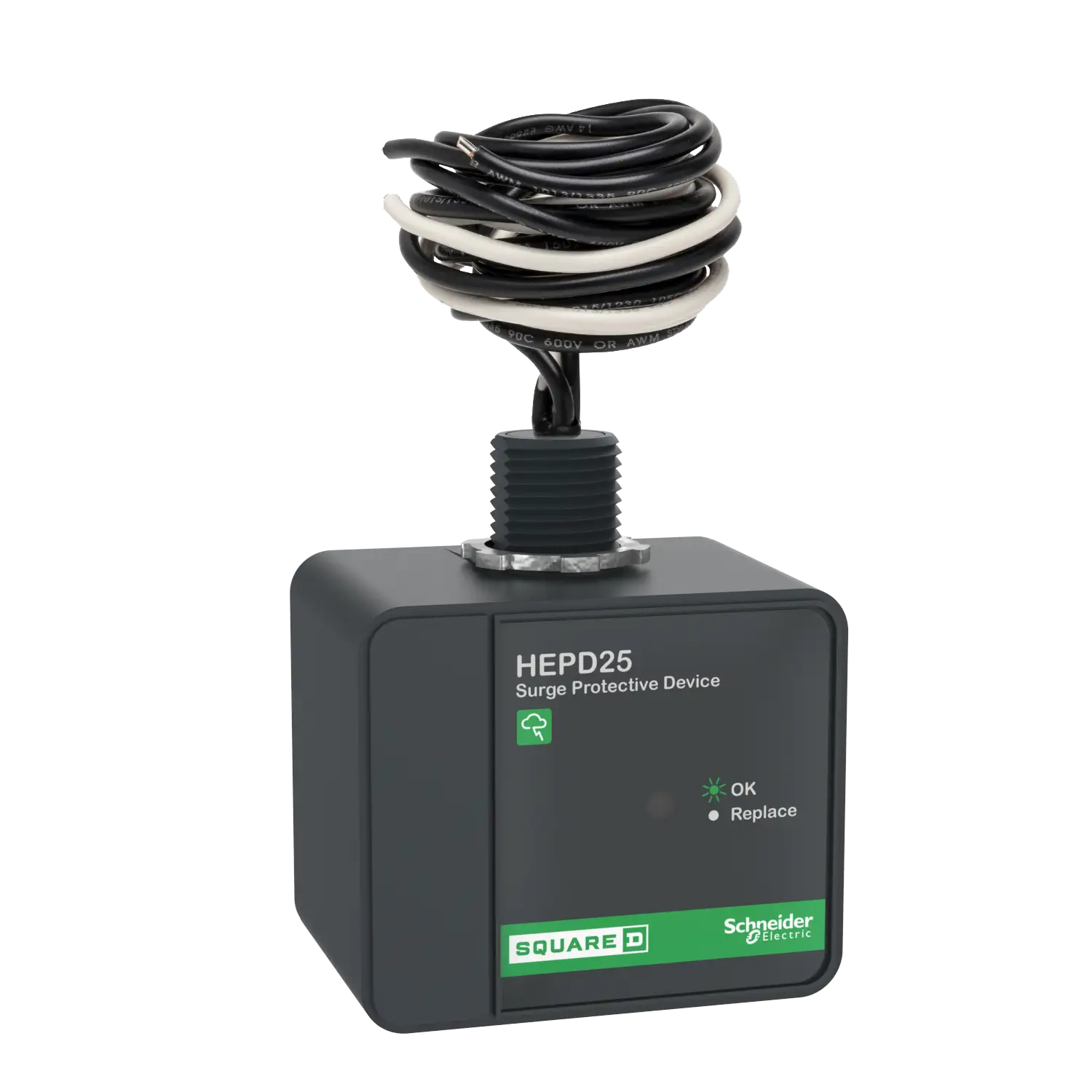
Only a few competitors are directly named in the provided data, but the comparisons are revealing because they’re grounded in install experience rather than marketing copy. One user contrasted against Square D: “in comparison the square d only mounts via its…threaded stud and offers a single green status led for both of its 120 v lines.” For buyers who care about status indication granularity or mounting flexibility, that comment frames Eaton as potentially more informative or adaptable—depending on your panel layout.
Siemens is mentioned as another “well regarded” option in the Inovelli discussion: “i’ve seen siemens and eaton products that seem to be well regarded.” But the same thread leans toward Eaton through repeated endorsements: “another upvote for eaton,” plus multiple people noting they’d still hire an electrician even if it “didn’t look that complicated.”
The practical alternative, implied rather than named, is doing nothing until you lose something. That’s a path at least one user regrets: “before i had it installed i lost a tv to a surge.” For homeowners with expensive electronics, HVAC control boards, or a history of storm-related issues, that story often becomes the deciding factor.
Price & Value
The Amazon listing places the Eaton CHSPT2SURGE Whole Home Surge Protector around $89.90 (with a strong star rating and hundreds of reviews), positioning it as a mid-priced upgrade rather than a luxury add-on. Value talk in user feedback is dominated by “repair bill math,” not specs: “repairs in excess of 2000,” versus paying a fraction of that upfront.
Resale and secondary-market prices (eBay listings in the dataset) show the device appearing used/open-box in the roughly $50–$120 range, suggesting steady demand and that buyers consider it a durable component rather than a disposable accessory. The presence of “open box” and “used…fully operational” listings also hints that some returns are likely installation-related—panel compatibility, breaker sourcing, or wiring constraints—rather than outright failure.
Community buying tips focus on hidden add-ons. The most repeated is the breaker: “don’t forget to buy a dual 50 amp breaker,” and “make sure you buy a 50a breaker that is the same brand as your existing breakers.” For homeowners budgeting the project, the SPD price is only part of the total—especially if you’re paying an electrician.
Practical buying tips from users
- Budget for the dedicated breaker: “50 amp, 2-pole”
- Match breaker brand to your panel: “same brand as your existing breakers”
- Plan for placement/visibility: “can’t see the indicator lights”
- Consider hiring a pro if unsure: “seriously hurt…working on your main panel”
FAQ
Q: Does the Eaton CHSPT2SURGE actually prevent expensive damage?
A: Many buyers treat it as insurance after costly repairs. One user shared: “in 2022 a surge destroyed 2 circuit boards in my acs with repairs in excess of 2000,” while another said after installing panel protection they “haven’t had any issues since.” It’s hardest to “prove” until a surge event occurs.
Q: Do I really need a dedicated 50A 2-pole breaker?
A: Multiple reviewers say yes, and they call it out as an extra requirement. One noted: “surge suppressor requires an additional 50 a, 2-pole breaker…dedicated 50 amp breaker,” and another warned: “don’t forget to buy a dual 50 amp breaker.” Buyers also stress matching breaker brand to your load center.
Q: Is it a DIY install or electrician-only?
A: Feedback splits by experience level. Some say it’s “easy to install” or “installed easy if you know what your doing,” but others strongly caution against DIY: “if you do not know electrical you should not be doing this installation yourself…use a professional,” and “potentially fatal voltages…hire a professional electrician.”
Q: Will it fix flickering or blinking lights in an old building?
A: A Reddit user investigating blinking LEDs wondered if a “level 2 surge protector…would…help with…light fluctuations due to varying circuit load.” The thread reflects that the issue may involve wiring/load interactions more than surges. The dataset doesn’t provide a confirmed success story tying this model directly to flicker elimination.
Q: What are the most common installation annoyances?
A: Wire and visibility complaints appear repeatedly. One user said: “comes with only 14 awg wire,” and another noted status checks can be awkward: “cant see the indicator lights without removing the dead front.” Packaging damage is also mentioned: “box came crushed with product spilling out.”
Final Verdict
Buy if you’re a homeowner with expensive appliances/HVAC electronics who wants panel-level surge protection and you’ll install it with the right breaker and placement—ideally via an electrician. Avoid if you expect a plug-and-play add-on or you can’t source the correct “50 amp, 2-pole” breaker for your specific load center.
Pro tip from the community: “make sure it’s in the slots closest to the feeds coming in,” and if you’re not truly comfortable in a live panel, “hire a professional electrician.”