ASURION Luggage Protection Plan Review: Conditional Buy (7.3/10)
A suitcase wheel snapping mid-trip can turn into a two-hour refund—or a five-month silence. That whiplash is the real story behind the ASURION Luggage Protection Plan. Verdict: Conditional buy, 7.3/10.
Quick Verdict
For travelers who want an Amazon-integrated extended warranty with fast reimbursements when claims go smoothly, ASURION Luggage Protection Plan often delivers. But user reports also flag confusing coverage boundaries (especially around “missing parts”) and occasional long, repetitive documentation loops that can make a claim feel like a second job.
| What the data suggests | Who it helps most | Evidence from users |
|---|---|---|
| Fast reimbursements are common | Frequent flyers, cruise travelers | A verified buyer on Amazon noted: “received my money back right away.” |
| Claim filing is often simple | People who want online-first support | A verified buyer on Amazon wrote: “claim was resolved the same day i filed it!” |
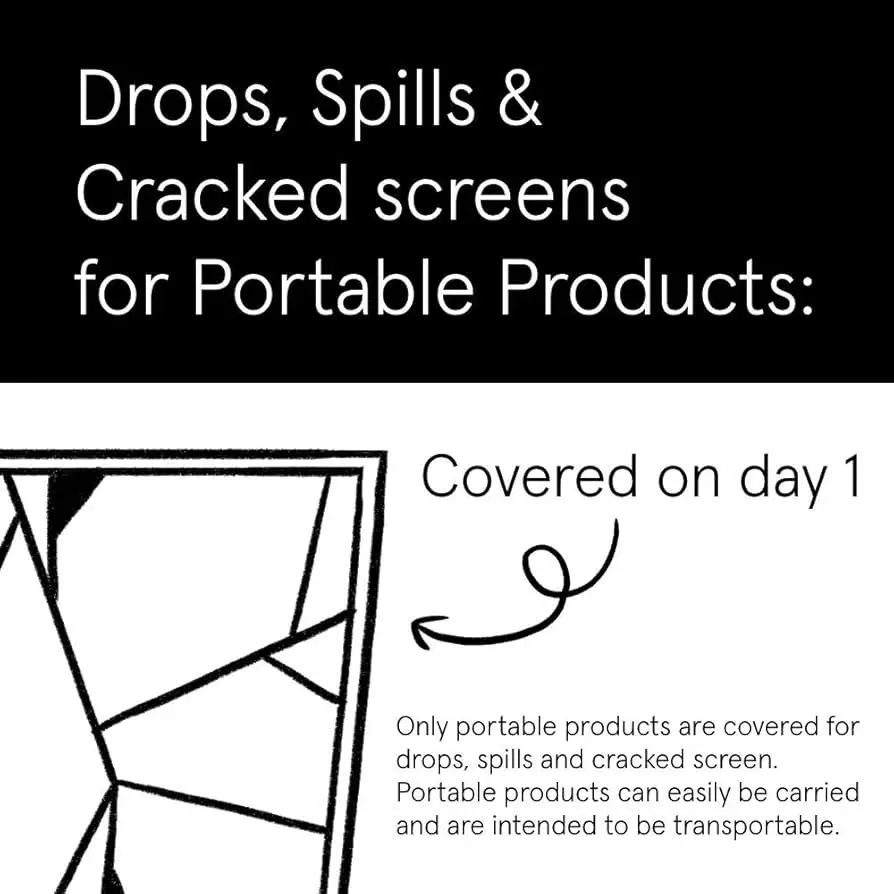
| Coverage boundaries can surprise | Anyone expecting “anything that breaks” | A verified buyer on Amazon warned: “covers accidental damage, but not missing parts.” |
| Customer service speed varies | People who need live help quickly | A verified buyer on Amazon reported: “it took 60 days from claim filing to reimbursement.” |
| Messaging/chat can backfire | Anyone relying on in-app messaging | A verified buyer on Amazon cautioned: “the messaging app here canceled my plan!” |
Claims vs Reality
Amazon’s plan description promises a lot of reassurance up front: “you pay nothing for repairs – parts, labor, and shipping included,” and an “easy claims process… most claims approved within minutes.” Digging deeper into user reports, many customers say that “approved within minutes” is not just marketing—it’s their lived experience when the issue fits the plan’s rules and documentation is straightforward.
A verified buyer on Amazon described a clean win: “one year later the wheel broke and i sent in a claim and received my money back right away.” Another called it “quick and easy claim adjudication,” reinforcing the idea that for common luggage failures (wheels, zippers, handles), the workflow can be fast and decisive—especially for travelers who just want reimbursement and to move on.
But the “coverage” language is where user narratives get prickly. While Amazon’s description emphasizes broad coverage—“stains, rips or tears and seam separation covered from day one”—some users say the details don’t match their expectations in edge cases. A verified buyer on Amazon recounted a long wait followed by a denial: “my claim was denied because the protection plan covers accidental damage, but not missing parts.” Their story is especially pointed because their “accidental damage” (a missing wheel after travel) is exactly the sort of scenario many buyers assume a luggage plan is for.
Finally, the “easy claims process” isn’t universal in execution. While many claims end quickly, others become documentation marathons. A verified buyer on Amazon wrote: “this process has been a nightmare! i have had to call countless times resubmit the same pictures and paperwork countless times.” Another user described cancellations and delays: “claim was canceled several times during the process… it took 60 days from claim filing to reimbursement.” For travelers who need quick closure (or who can’t babysit a claim), those reports paint a very different reality than “minutes.”

Cross-Platform Consensus
Universally Praised
Speed is the headline when things go right. A recurring pattern emerged across Amazon reviews: users who submit a clear issue—wheel failure, zipper failure, handle break—often see rapid approval and a straightforward reimbursement. A verified buyer on Amazon celebrated: “got my gift card in less than 2 hours,” framing the plan as something that can salvage a trip aftermath without weeks of back-and-forth. For business travelers or frequent flyers replacing luggage quickly, that turnaround matters more than repair logistics.
The “peace of mind” angle also shows up repeatedly, especially among travelers who believe airlines are rough on bags. One reviewer didn’t mince words about the use case: “worth the extra money the way the airlines throw around your luggage,” then added that their “claim was resolved in minutes!” That pairing—rough handling plus rapid resolution—captures why some buyers treat this plan as a predictable hedge against travel damage.
Users also frequently praise how embedded the plan feels in Amazon’s ecosystem. The appeal isn’t just coverage; it’s friction reduction. A verified buyer on Amazon described it as “readily accessible,” while another emphasized simplicity: “just needed to go to my amazon purchase, and follow directions from there.” For less tech-savvy customers, the plan can still feel approachable: one verified buyer on Amazon wrote that filing was “quick and easy with no hassles.”
After these narratives, the praised themes can be summarized plainly:
- Fast reimbursements (often same-day or within hours)
- Simple online submission for common damage (wheels, zippers, seams)
- Amazon-integrated workflow that reduces hunting for paperwork
- “Peace of mind” value for frequent travel and baggage handling risk
Common Complaints
The most serious complaint thread isn’t about whether Asurion pays—it’s about when it doesn’t, and how clearly it communicates the why. A verified buyer on Amazon described a long delay with no visibility: “today is 4/17 (over 5 months later) and they have not responded to my claim at all… they don't notify you.” For travelers who expect an insurance-like interaction (status updates, definitive timelines), that lack of closure becomes the real damage.
Another recurring frustration is repetitive documentation and multiple touchpoints. A verified buyer on Amazon said: “call countless times resubmit the same pictures and paperwork countless times,” while another noted that help can be slow when you need a human: “it can take some extra time to hear from a customer service rep if one needs to contact you.” This particularly affects customers who aren’t comfortable with digital portals—or who have complicated claims requiring clarifications.
Coverage interpretation also triggers anger when it clashes with common-sense expectations. The “missing parts” boundary is the sharpest example in this dataset. A verified buyer on Amazon concluded bluntly after denial: “so if you have accidental damage that results in a missing part, you have no recourse.” While that’s one user’s experience, it stands out because luggage damage often involves detached or lost components (wheels, bumpers, screws) after transit.
After those stories, the common complaint themes look like this:
- Confusing denials tied to specific definitions (e.g., “missing parts”)
- Status opacity and slow communication in worst cases
- Repetitive paperwork and “do it again” documentation loops
- Customer service responsiveness varies widely
Divisive Features
The claims experience itself is the most polarizing “feature.” Many users describe it as almost instant. A verified buyer on Amazon wrote: “issue was resolved quickly and i was very pleased with the handling of my claim.” Another described getting “my money back after sending some pics.” That makes the plan feel like a reliable shortcut to replacement funds.
But other users describe the same system as hostile or glitchy. One verified buyer on Amazon warned: “be very careful about using the customer service messaging here with asurion… the messaging app here canceled my plan!” Another called it a “total nightmare to get claim coverage.” For buyers who rely on chat, or who trigger some automated workflow problem, the “easy claims process” can flip into an administrative slog.
Trust & Reliability
Scam concerns appear in the data, but they’re less about “never pays” and more about inconsistency and confusing rules. One verified buyer on Amazon described a long gap and then a denial without timely notice, saying: “will never purchase again--i'd rather spend the money to replace it than to get fake protection.” That kind of language usually comes from customers who expected a broad safety net and instead encountered a narrow definition boundary.
At the same time, long-term and “it saved me” stories are common enough to counterbalance those fears. A verified buyer on Amazon said: “forgotten about it for over a year… smooth from there to the refund,” suggesting some claims still work even when filed later—if the issue is eligible and documentation is acceptable. Another traveler described near-real-time resolution: “submitted my claim and it was approved and resolved before i got on my flight!” For reliability, that’s a compelling narrative: the plan works fast when it works, but the floor is lower than many buyers expect when something falls outside the plan’s interpretation.
Alternatives
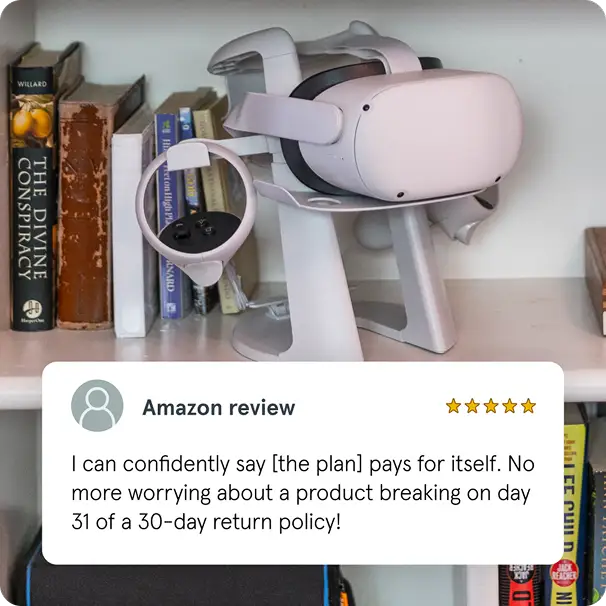
Only a few “alternatives” are explicitly present in the data, and they’re less competitor products than adjacent options. One repeated comparison is to manufacturer support. A verified buyer on Amazon described being bounced to the luggage brand first: “referred me to the luggage company’s helpline… asurion stepped in and took my claim, processing it immediately.” For travelers dealing with unresponsive manufacturers, the plan’s value can be that it becomes the backstop when the brand support channel fails.
Another alternative implied in user behavior is skipping the plan and self-insuring—saving the premium and replacing the bag yourself. That mindset shows up sharply in negative experiences where the plan didn’t match expectations. A verified buyer on Amazon said: “i'd rather spend the money to replace it than to get fake protection.” For low-cost luggage or travelers who rarely fly, that alternative may feel more predictable than navigating claims terms.
Price & Value
Across Amazon listings, the plan is sold in price tiers (for example, “$30 - $39.99,” “$70 - $79.99,” “$125 - $149.99,” “$150 - $174.99,” and higher tiers), with Amazon noting eligibility rules like buying the plan with the product or “within 30 days of the product purchase.” In practice, user value stories tend to spike when the luggage fails early or mid-life—wheel breaks, zipper pops, seam separation—because reimbursement can effectively fund a replacement quickly.
For budget travelers buying luggage with a reputation for failing fast, the plan can look like a rational add-on. A verified buyer on Amazon described a suitcase failing on the “2nd trip” and still felt the plan “loss was less than shipping to samsonite for a potential repair,” implying the plan sometimes beats repair logistics. For premium luggage buyers, the plan’s worth hinges on whether the claim process stays frictionless; when it doesn’t, the time cost becomes the hidden price.
Buying tips also emerge indirectly from user stories: document clearly and avoid chat pitfalls. One verified buyer on Amazon recommended avoiding messaging after their plan got canceled: “if you need anything from asurion call them. do not trust the messaging.” Another hinted that clear evidence speeds things up: “after sending some pics” they were refunded. For value, the plan seems to reward users who can submit clean documentation and who understand that exclusions can matter.
FAQ
Q: Does the ASURION Luggage Protection Plan really reimburse quickly?
A: Often, yes—many Amazon reviewers describe very fast outcomes. A verified buyer on Amazon said: “got my gift card in less than 2 hours,” and another wrote their claim was “resolved the same day i filed it!” But others report long delays, including one user who said it took “60 days.”
Q: What kinds of luggage problems do people successfully claim for?
A: Common wins include wheels, zippers, handles, and general breakage after travel. A verified buyer on Amazon shared: “one year later the wheel broke… received my money back right away,” and another wrote: “the zipper on my suitcase broke and asurion paid for a replacement immediately.”
Q: Are there coverage surprises buyers complain about?
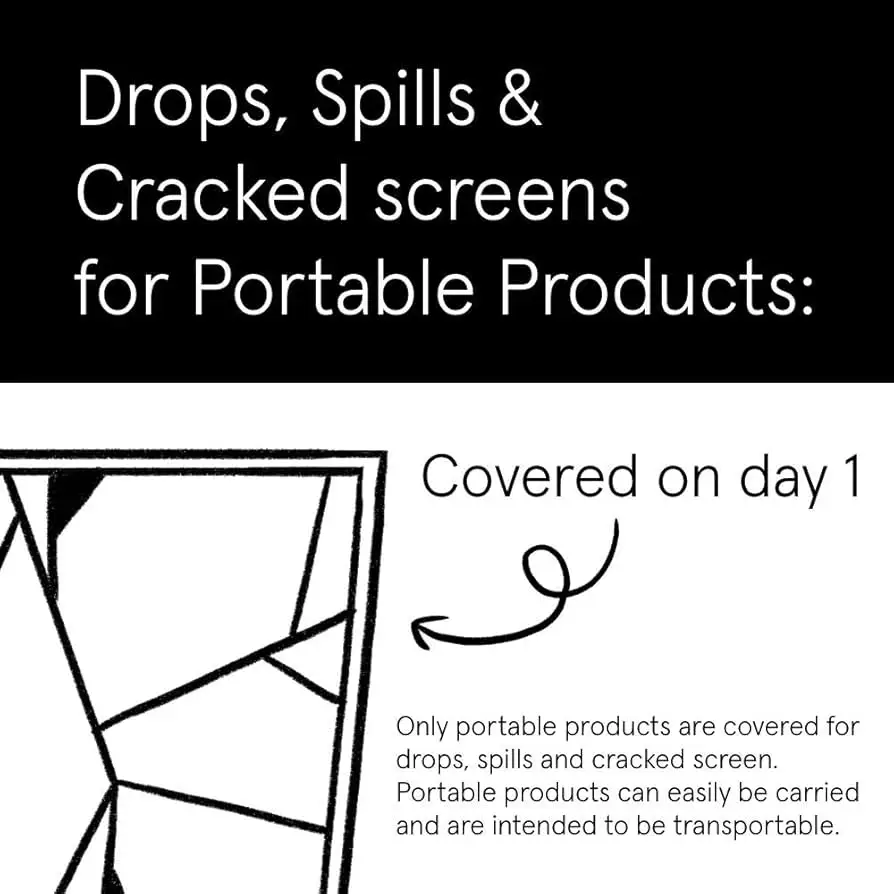
A: Yes—especially around how damage is categorized. One verified buyer on Amazon said their claim was denied because it “covers accidental damage, but not missing parts.” Their experience suggests that if damage results in a detached/lost component, coverage may not match expectations.
Q: Is filing a claim always easy online?
A: Not always. Many users call it simple, but some describe repeated paperwork and follow-ups. A verified buyer on Amazon wrote: “call countless times resubmit the same pictures and paperwork countless times.” Another warned that using messaging led to a cancellation: “the messaging app here canceled my plan!”
Final Verdict
Buy if you’re a frequent traveler who wants Amazon-integrated luggage coverage and can handle basic documentation—especially if you’d rather get reimbursed quickly than chase a manufacturer. A verified buyer on Amazon summed up the upside with: “claim was resolved in minutes!”
Avoid if you expect “anything that goes wrong is covered,” particularly for scenarios involving detached or lost components. The clearest warning comes from a verified buyer on Amazon: “covers accidental damage, but not missing parts.”
Pro tip from the community: if something feels off in chat workflows, switch channels. A verified buyer on Amazon advised: “if you need anything from asurion call them. do not trust the messaging.”