ASURION Lawn & Garden Plan Review: Conditional 7.8/10
“Most claims approved within minutes” is the promise—yet one verified buyer flatly countered: “the claims web site never seems to work.” That tension defines the ASURION Lawn & Garden Protection Plan: fast payouts when the workflow clicks, and real friction when it doesn’t. Verdict: Conditional, 7.8/10.
Quick Verdict
For shoppers buying failure-prone outdoor gear (hoses, pumps, washers), ASURION Lawn & Garden Protection Plan reads like “renting products” insurance: if it breaks, you often get reimbursed quickly—frequently as an Amazon gift card—so long as you can navigate the claims path. If you’re allergic to phone trees, slow back-and-forth, or gift-card-only reimbursement, user stories suggest you’ll feel the pain most.
| Decision | Evidence from user feedback | Best for | Risk |
|---|---|---|---|
| Conditional Yes | “my refund was received the day i dropped off the package.” (Amazon review) | People who want rapid reimbursement | Portal/claim friction |
| Yes (for high-failure items) | “expandable hose… high failure rates… immediately processed my claim/refund.” (Amazon review) | Hose/pump/power-washer buyers | Gift card payout |
| Conditional | “once you make it past these hurdles, the claims process is fairly quick” (Amazon verified purchase) | Patient claimants | Time cost, repeats |
| No (if you need speed in emergencies) | “you do not have a month to resolve” (Amazon verified purchase) | Pool owners mid-summer | Delays can compound costs |
| No (if you want paperwork clarity) | “where is it?” about plan email/link confusion (Amazon review) | People wanting simple documentation | Confusing confirmation access |
Claims vs Reality
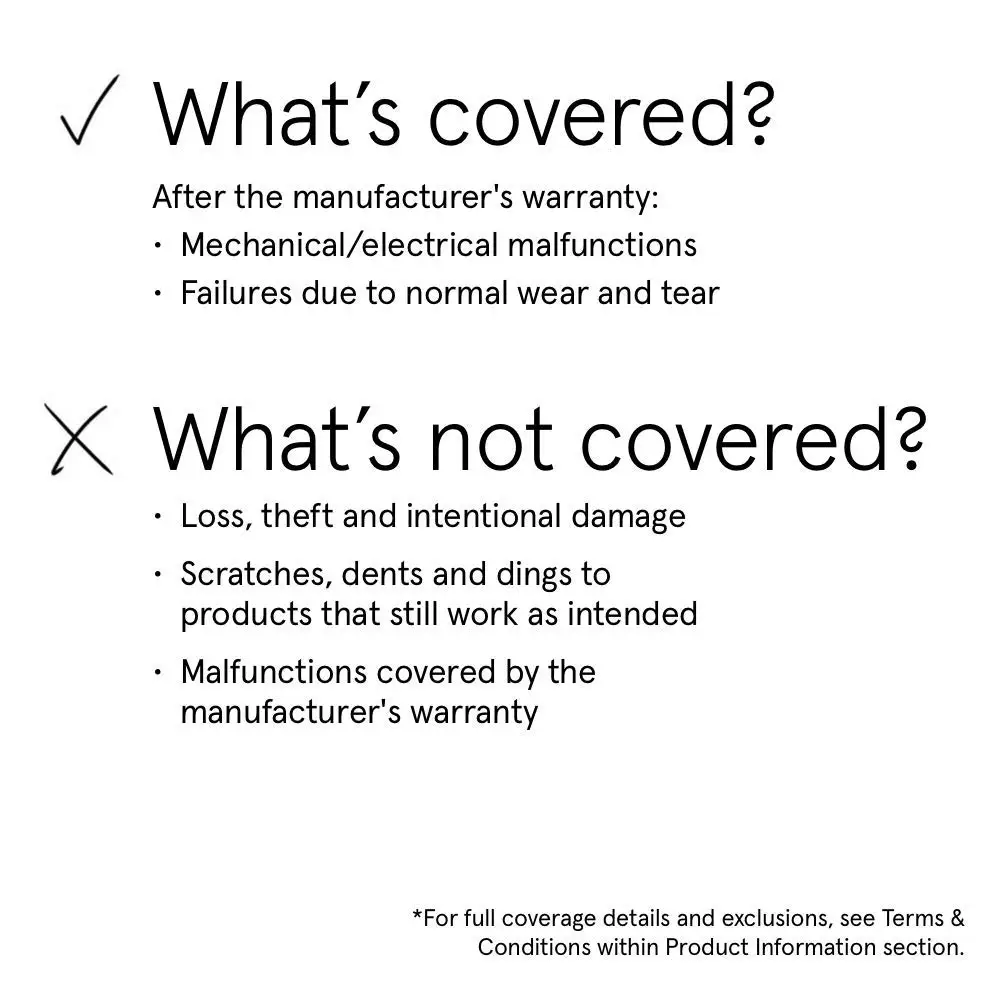
ASURION Lawn & Garden Protection Plan is marketed around “no additional cost” repairs and an “easy claims process,” including: “file a claim anytime online… most claims approved within minutes… if we can’t repair it, we’ll send you an Amazon.com gift card… or replace it.” On paper, it’s direct: parts, labor, and shipping included; malfunctions covered after the manufacturer warranty; and quick decisions.
Digging deeper into user reports on Amazon reviews, a recurring pattern emerged: when the claim pipeline behaves, it can feel almost shockingly fast. One reviewer celebrating the speed wrote: “the label arrived the day i reported the problem and my refund was received the day i dropped off the package.” Another echoed the same theme: “i was pleasantly surprised at how fast my claim was processed… they immediately processed my claim / refund.”
But the “easy” part appears situational. A verified purchaser described a very different reality: “their claims web site never seems to work… the chat feature sometimes works… using the phone number keeps you on hold for at least 15 minutes,” adding that the website “seems to be designed to force you to talk to a human eventually.” In other words, while marketing claims “online… approved within minutes,” at least some users report the online journey looping into chat/phone anyway.
A second gap shows up around payout expectations. Marketing language repeatedly frames reimbursement as an Amazon e-gift card. That matches multiple user accounts—fast, but not flexible. Fakespot-captured feedback noted: “it would be nice to have the option to get refunded back to my payment method… but thats not an option.” For shoppers who want cash-back to their card rather than store credit, that’s not a small detail—it’s the whole value proposition.
Cross-Platform Consensus
Universally Praised
The strongest consistent praise—across Amazon reviews and Asurion’s own Home+ testimonial page—is speed once a claim is accepted and processed. On Amazon, one buyer called the experience “worth it!” and described a tight timeline: “the label arrived the day i reported the problem and my refund was received the day i dropped off the package.” That kind of turnaround matters most for practical users: homeowners who can’t wait weeks to replace a leaking tank, a failed pump, or a broken hose mid-season.
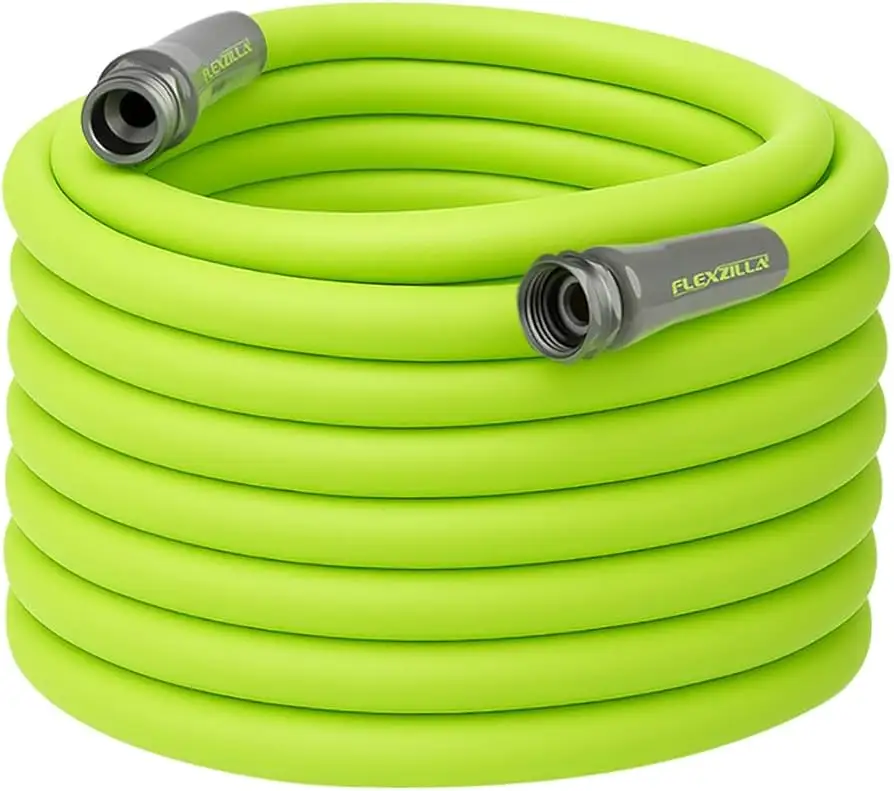
Another widely repeated theme is the feeling of “peace of mind,” especially for items with known failure rates. An Amazon reviewer tied the plan directly to a risky purchase: “i purchased an expandable hose which tend to have high failure rates… it was a pleasant customer experience.” For the buyer profile that churns through outdoor accessories—expandable hoses, battery packs, and seasonal tools—the plan is described less like “insurance” and more like a hedge against predictable failure.
Users also praise the simplicity when customer service handles the forms. One Amazon story about an expandable hose emphasized how the phone path reduced effort: “i contacted asurion by phone to file my claim… it was quickly approved… she sent me a prepaid mailing label.” Similarly, a verified buyer describing an outdoor fountain failure said: “i contacted asurion via the website and spoke with a customer service rep over chat… a claimed was filed within 10 min… resolution… the very next day.” For less tech-comfortable shoppers, that “someone just did it with me” experience appears to be the difference between loving and hating the process.
Even on Asurion’s own review page (Home+), the tone is consistent: “i filled out a claim form and literally the next day i had a new ipad,” and “started a claim… had a new tv all within the same week!” While those examples are for Home+, not strictly the Lawn & Garden plan, they mirror the same narrative arc users cite on Amazon: fast decisions, fast replacement or reimbursement, and service that feels unusually responsive when it works.
What people praise most (after the stories):
- Fast reimbursement timelines (“within minutes,” “within 48 hours,” “same day”)
- Prepaid shipping label and straightforward send-in flow
- Full purchase-price reimbursement in gift-card form
Common Complaints
The most detailed complaint thread centers on the claims website and the “friction tax” of re-entering information. A verified buyer summarized it bluntly: “the claims web site never seems to work,” then described a cycle where fields “never works,” leading the site to push them to “call or use the chat feature,” after which “you do it all over again.” For users who bought the plan specifically to avoid hassle, that repetition flips the experience from “easy claims” to a scavenger hunt.
Hold times and routing also show up as a concrete pain point. The same verified purchaser said “using the phone number keeps you on hold for at least 15 minutes,” and described navigating an “automated pick the correct number… insane game.” This affects a specific persona most: busy homeowners trying to resolve a failure during a narrow outdoor window (heat wave, pool season, lawncare weekend). They aren’t just annoyed—they’re losing time when the equipment failure is already disruptive.
Delays can become costly in time-sensitive cases. A verified buyer dealing with a pool pump wrote: “when a pool pump goes out during summer in florida, you do not have a month to resolve.” They described being bounced between coverage checks (“they wanted me to go to original vendor… was not”), waiting for a tech visit (“waited a week… no one showed”), then photos, then finally “a gift card for original purchase price.” Their frustration wasn’t only about the plan—it was the downstream cost: “meanwhile, pool is green… will spend several hundred dollars on chemicals.” For pool owners and anyone whose equipment failure triggers secondary damage, “eventual reimbursement” may not feel like success.
Another recurring complaint is confusion around plan documentation and access. One Amazon reviewer titled their experience: “where is it?” describing an email that referenced a webpage they “could not type or list… online,” until an Amazon rep instructed them to “just click on it.” That story reads like a solvable usability issue, but it’s still friction at the exact moment customers want reassurance.
Most common pain points (after narrative):
- Claims portal issues and forced escalation to chat/phone
- Repeating information across channels
- Time-to-resolution variability in complex cases
Divisive Features
The “gift card reimbursement” model is praised by some and disliked by others, depending on expectations. Many positive Amazon stories treat it as a clean reset: “sent a gift card for the full amount previously paid… was able to put that towards a new power washer.” For shoppers who already plan to rebuy on Amazon, this feels like a quick replacement fund.
But the same mechanism can be a negative for those who want a refund back to their original payment method. Fakespot-captured feedback articulated that plainly: “it would be nice to have the option to get refunded back to my payment method… but thats not an option.” For budget-conscious buyers who need liquidity—or who bought during a sale and now face higher replacement prices—gift-card-only can feel like being partially boxed in.
Another divisive element is how “easy” the claims process feels. Some Amazon reviewers describe near-instant approvals: “got my answer within seconds.” Others say it’s “just a little work required to get it honored,” implying it’s not effortless but ultimately successful. The split suggests the experience depends on product category, claim complexity, and whether you can complete the process online without being rerouted.
Trust & Reliability
Concerns about authenticity and trust show up indirectly through third-party meta-analysis rather than direct user accusations. Fakespot’s summary language for Asurion plan listings leans positive, stating its engine “has determined that there is minimal deception involved” and that “over 90% high quality reviews are present” on one listing, while another notes Amazon “has altered, modified or removed reviews” and “we approximate total reviews altered up to 361.” That doesn’t prove wrongdoing by buyers or the company, but it does signal that review ecosystems are noisy—and readers should weigh detailed, specific stories more heavily than vague praise.
On the durability and long-term angle, the most actionable “months later” feedback comes from people describing claims after extended use—often right after the manufacturer warranty expires. One verified buyer said their pool cleaner broke “just a couple of months after the manufacturer’s warranty expired,” and: “within 48 hours i was reimbursed!” Another reported a power washer failure “two years in” with a leaking tank and said Asurion “sent a gift card for the full amount previously paid.” These stories are the closest thing to real-world longevity evidence: users aren’t praising the plan on day one—they’re returning after a delayed failure, which is the entire point of extended coverage.
Alternatives
Only a few alternatives are explicitly referenced in the data, and they’re mostly “other companies” rather than named competitors. One Amazon reviewer contextualized Asurion among similar products: “i have several of these extended plans, from this company and other companies… and not one of the claims was ever denied.” That suggests the buyer sees this as a category decision—extended protection as a hedge—more than a brand-only decision.
The clearest alternative framing is actually behavioral: self-insure vs. buy the plan. Multiple users describe modern product quality as unreliable, making the plan feel worthwhile. One reviewer argued that with frequent failures, it’s “like renting products,” because you “get your money back… minus the service plan cost.” If you don’t share that worldview—if you buy premium tools expecting them to last—the plan may feel redundant unless you’re specifically covering high-risk items (expandable hoses, water-related gear, solar-powered devices).
Price & Value
Price and value discussions in the provided data tie less to a single dollar figure and more to outcome: how quickly you can turn a failed product into replacement purchasing power. Multiple Amazon narratives define value as full purchase-price reimbursement. One buyer dealing with a fountain pump failure called it “one of the best decisions i made,” while another described a “no hassle claim that was paid out immediately.”
Resale value isn’t a major thread in the user feedback, but market listings show the plan is segmented by the covered product’s price band (examples include “$80 - $89.99,” “$300 - $349.99,” and “$400 - $449.99”). The practical implication is that value scales with the likelihood of failure and the replacement cost. For items with “high failure rates” (as one hose buyer put it), users repeatedly describe the plan as “worth it.” For people who never make a claim, at least one reviewer shrugged: “too soon to know… have not needed it yet.”
Community-style buying tips show up as behavior patterns: buying coverage especially on “solar powered anything,” because “the solar panels always cloud over within a year,” or using it on water-related equipment where failure creates urgency. Meanwhile, the “gift card” payout model is a value lever: great if you’re staying in Amazon’s ecosystem, frustrating if you need cash flexibility—particularly when “price has gone up on same pump,” as the pool owner noted.
FAQ
Q: Is the ASURION Lawn & Garden Protection Plan actually easy to use for claims?
A: Conditional. Some Amazon reviewers said claims were “easy and took no time” and “resolved in minutes,” but a verified buyer warned “their claims web site never seems to work,” describing repeated data entry and being pushed to chat or phone after the online flow stalled.
Q: How fast do reimbursements happen in real user stories?
A: Often fast, but not always. One Amazon reviewer wrote: “my refund was received the day i dropped off the package,” and another said a claim was reimbursed “within 48 hours.” Yet a verified pool-pump buyer said resolution took too long: “you do not have a month to resolve.”
Q: Do you get cash back or an Amazon gift card?
A: Most user stories align with gift-card reimbursement. Multiple accounts mention receiving an “amazon gift card for the full amount” of the purchase price. A Fakespot-captured reviewer specifically wished for refunds to a card: “it would be nice… but thats not an option,” indicating limited payout flexibility.
Q: What kinds of products do people most often insure with it?
A: Outdoor and water-adjacent items show up repeatedly: “expandable hose,” “power washer,” “pool cleaner,” “pool pump,” and “outdoor fountain.” Several reviews frame the plan as especially worthwhile for gear with “high failure rates” or equipment that fails shortly after the manufacturer warranty ends.
Q: What’s the biggest frustration point if something goes wrong?
A: Process friction. A verified buyer complained the site “seems to be designed to force you to talk to a human,” citing holds and repeating information. Another buyer struggled just to access the plan, until someone advised them to “just click on it” in the email—small, but stressful when you need proof of coverage.
Final Verdict
Buy ASURION Lawn & Garden Protection Plan if you’re the type who keeps buying hoses, pumps, and outdoor gear that fails on schedule—and you’re fine being reimbursed via Amazon credit. Amazon reviewers repeatedly celebrate fast outcomes like: “the label arrived the day i reported the problem” and “they immediately processed my claim / refund.”
Avoid it if your use case is time-critical (like pool equipment mid-summer) or if you can’t tolerate a process that may shift from “online” to phone/chat with repeats. The harshest warning came from a verified buyer: “when a pool pump goes out during summer in florida, you do not have a month to resolve.”
Pro tip from the community mindset: treat it as a hedge for known-risk categories—one Amazon reviewer summed up the strategy as “like renting products,” because when failures happen, “with an extended service plan, at least you can recover most of the money spent.”