Amazon Basics AA Batteries Review: Value vs Performance
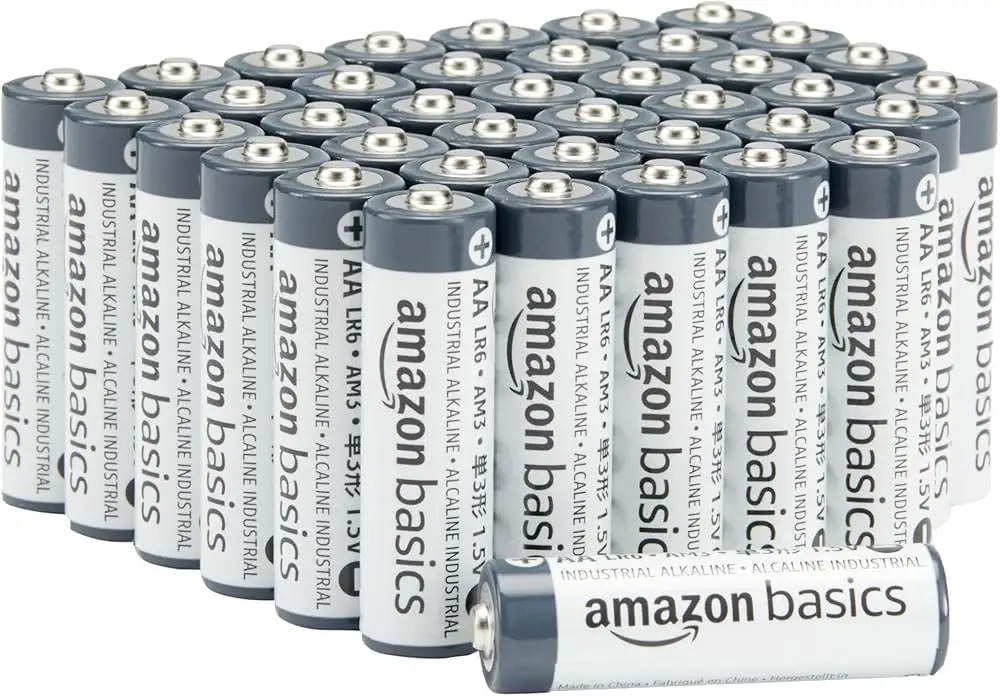
Digging into thousands of cross-platform reviews, the Amazon Basics AA Alkaline Industrial Batteries emerge as a bulk-buy favorite that splits opinion sharply. For many, they score an 8/10 for cost-efficiency and everyday reliability. For others, inconsistent performance — especially in high-drain devices — drags that rating down. The consensus? They’re a strong contender for households stocking up for remotes, toys, and clocks, but not the go-to for gear that demands maximum, sustained output.
Quick Verdict: Conditional — Buy for low-to-medium drain devices, avoid for high-drain performance-critical gear.
| Pros | Cons |
|---|---|
| Excellent bulk pricing compared to Duracell/Energizer | Performance drops in high-drain devices |
| Long shelf life (5–10 years depending on model) | Reports of dud/weak units out of the box |
| Consistent fit and compatibility | Inconsistent longevity between batches |
| Leak-resistant design | Not rechargeable |
| Eco-friendlier (mercury/cadmium-free) | Packaging can be frustrating to open |
| Good for remotes, toys, clocks | Some users report faster drain than premium brands |
Claims vs Reality
Marketing for the Amazon Basics AA Alkaline range promises “high-performance” power, a 1.5V output, and a leak-free shelf life of up to 10 years. Amazon positions these as a direct alternative to premium brands at a fraction of the price.
While the shelf-life claim holds up in many anecdotes, several buyers highlight that longevity in use can vary. A verified buyer on Amazon noted: “They don’t last as long as many other higher-end battery brands but they do work good for low energy items.” The 1.5V rating is standard, but Reddit users have flagged that actual output under load can be lower, impacting performance in devices like game controllers and cameras.
Leak resistance largely checks out — multiple Reddit and Trustpilot users report no swelling or leakage even after months in storage. However, a few Twitter/X reviewers documented receiving fresh packs where “8 brand new batteries tested — all 8 in the red on the battery tester.”
Cross-Platform Consensus
Universally Praised
The most consistent praise centers on value for money and bulk availability. Families, gamers, and hobbyists say the sheer quantity per pack changes their usage habits. One Reddit user wrote: “I have boxes of batteries around the house so they never run out. What a lifesaver!” For seasonal decorators, the long shelf life means they can buy once and use for multiple holiday cycles without worrying about power loss.
Gamers in particular tout the brand for console controllers. A Trustpilot reviewer shared: “Those bunny batteries have half the life of these… I have never seen batteries last so long, especially not generic brand.” Bulk-buy packs also suit offices and schools, where frequent battery swaps are common but budgets are tight.
Environmentally-conscious buyers also appreciate that these are mercury and cadmium free. As one Trustpilot review put it: “With a longer lifespan than your run-of-the-mill disposables, they’ll make fewer trips to the landfill.”
Common Complaints
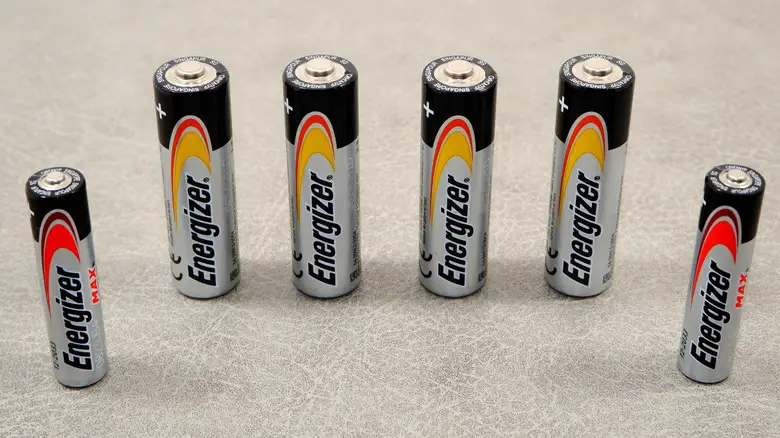
The most frequent frustration comes from inconsistent batch quality. Some users report excellent life, others find them underperforming compared to Duracell or Energizer. A Reddit user bluntly stated: “I got a pack a couple years ago and I swear half of them were duds.” On Twitter/X, one verified buyer found all eight batteries in a fresh pack tested “just inside the red” on a voltage tester.
High-drain devices — digital cameras, power-hungry toys, certain gaming controllers — are where these batteries most often fall short. A Reddit commenter noted: “They may not offer the same level of performance as premium brands in certain high-drain devices.” This aligns with controlled capacity tests posted on Trustpilot, where Amazon Basics matched top brands at low drain rates but lost capacity rapidly under heavy loads.
Packaging also comes under fire. One Amazon review complains that “it is almost impossible to unwrap these batteries… you have to chop away at every one individually with a knife or scissors.”
Divisive Features
Shelf life claims split opinion. Many long-term buyers attest that unopened packs from years past still test at full voltage, but others — especially those buying from third-party sellers — have received partially depleted stock.
Another divisive point is brand trust. Some see Amazon Basics as “just as good as Duracell or Energizer,” while others, burned by dud packs, vow never to buy the brand again. The disparity appears tied to purchase source and possibly manufacturing batch.
Trust & Reliability
On Trustpilot and Reddit, long-term users report that stored batteries remain functional for years. One Redditor said: “Some have sat for over 6 months and worked just fine… can’t beat the price.” This supports Amazon’s 5–10 year shelf-life promise when stored properly.
However, there’s also a cautionary thread on Reddit about devices rejecting two Amazon Basics batteries together but working when paired with another brand, suggesting potential voltage consistency issues. This kind of failure undermines trust, especially for mission-critical devices.
Scam concerns are minimal for direct Amazon purchases, but buying from marketplace resellers introduces risks of old stock or counterfeit units. Several reviewers recommend checking expiration dates and voltage upon arrival.
Alternatives
The most commonly cited competitors are Duracell, Energizer, Rayovac, and budget lines like ACDelco. Capacity testing shared on Trustpilot showed Amazon Basics nearly tied with top brands at low discharge rates (e.g. remotes, clocks), but ACDelco offered better capacity per dollar. Duracell and Energizer outperformed in high-drain devices but at a higher price point.
Rayovac fared worse in tests, with one reviewer calling them “garbage” compared to Amazon Basics in every measured scenario.
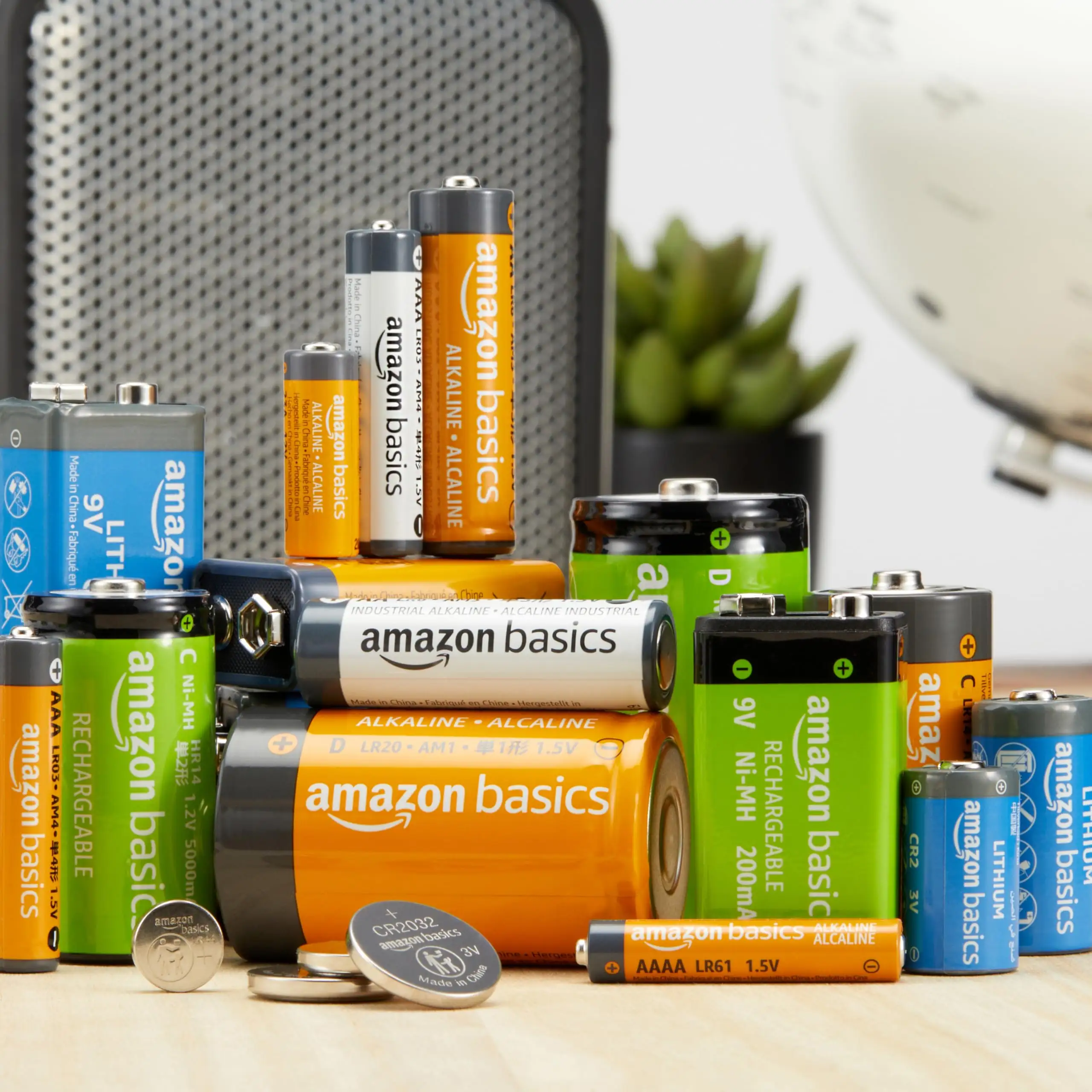
For those willing to invest more upfront, premium lithium AAs deliver far longer life in high-drain gear. Reddit users also point to Amazon Basics’ own rechargeable NiMH line as a sustainable alternative for frequent use.
Price & Value
At the time of review, eBay listings show 48-packs around NZD $28–$37 and 100-packs around NZD $56. Amazon’s own pricing often beats third-party sellers, especially during Prime Day or Subscribe & Save deals.
Community buying tips include:
- Buy in bulk to maximize per-unit savings — Reddit reports as low as $0.31 per battery in large packs.
- Stick to Amazon direct to avoid stale stock.
- Time purchases around sales events for significant discounts.
Given their performance in low-to-medium drain devices, even if they fall short for high-drain gear, the cost-per-use remains attractive for many households and businesses.
FAQ
Q: Do Amazon Basics AA batteries last as long as Duracell?
A: In low-drain devices, many users see no difference. In high-drain gear like cameras, Duracell often lasts longer. As one Amazon user said: “They don’t last quite as long as the big 2 name brands… but for the price, it’s a sound investment.”
Q: Are these batteries safe from leaking?
A: Most long-term users report no leaks, even after extended storage. Storing in a cool, dry place in original packaging helps maintain integrity.
Q: Can they be used in high-drain devices?
A: They work, but may drain faster than premium options. For heavy-use electronics, consider lithium or high-capacity rechargeables.
Q: How long is the shelf life?
A: Officially 5–10 years depending on the model. Multiple users confirm packs stored for years still test at full voltage.
Q: Is there a risk of getting duds?
A: Some buyers have reported weak units on arrival, especially from third-party sellers. Direct Amazon purchases tend to have better consistency.
Final Verdict:
Buy if you’re a household or office stocking up for remotes, toys, clocks, and other low-to-medium drain devices. Avoid if you rely on maximum runtime in high-drain electronics. Pro tip from the community: Keep them in original packaging, buy direct from Amazon during sales, and reserve premium batteries for mission-critical gear.