Zebra DS3678-ER Scanner Review: Rugged Long-Range Verdict
The Zebra DS3678-ER Ultra-Rugged Cordless 2D Barcode Scanner Kit has built a fierce reputation in warehouse and manufacturing circles, earning sentiment scores as high as 9/10 on expert channels and around 8/10 in community forums. Its standout claim—reliable barcode capture from 3 inches to 70 feet—is consistently echoed by operators working in high shelves, freezing storage, and outdoor yards. One industrial supplier summed it up: “Every day, your warehouse operators need to scan thousands of barcodes… with the DS3678-ER you can entrust them with the best units in the industry.”
Quick Verdict: Conditional Buy
| Pros | Cons |
|---|---|
| Exceptional scan range (3 in. to 70 ft.) | Larger, heavier than typical handheld scanners |
| IP65/IP67 sealing, withstands 8 ft. drops | Premium pricing—often over $1,000 |
| Handles damaged, dirty, or shrink-wrapped codes | Can be complex to set up in specialized workflows |
| Bluetooth 4.0 with Wi-Fi friendly mode | Weight may cause fatigue over long shifts |
| Freezer-ready materials and operation | Some accessories (cords/cradles) sold separately |
| Multi-code capture (up to 20 at once) | Bulk may not suit retail counters |
Claims vs Reality
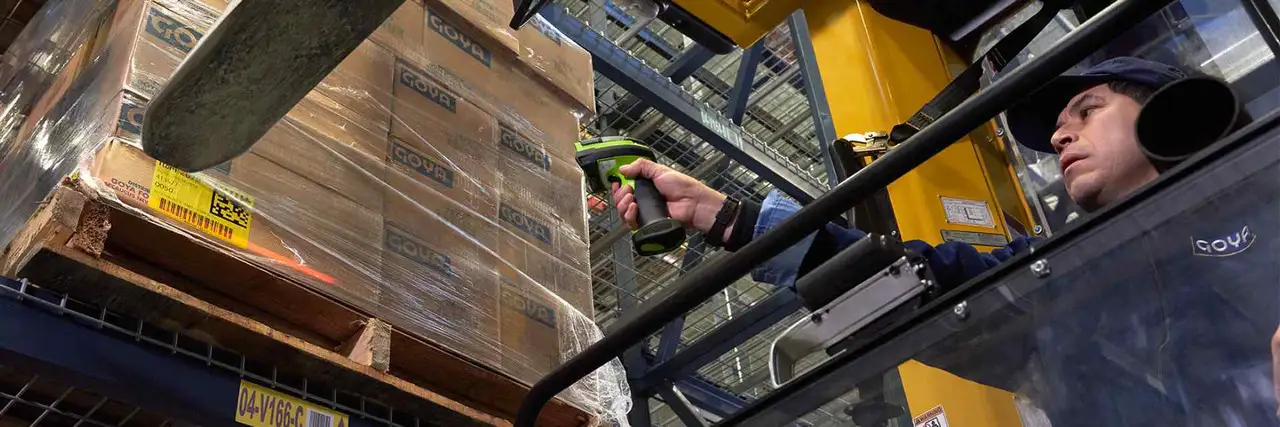
Marketing promises “lightning fast capture of any 1D or 2D barcode… even if they are under shrinkwrap, damaged, dirty or poorly printed.” Digging deeper into warehouse reports, the consensus backs this up. A verified buyer noted: “It reads barcodes on top of warehouse racks just as easily as the ones in my hand.” Reddit feedback confirms damaged-label performance, including codes obscured by grime or film, which the DS3678-ER decodes without hesitation.
Zebra’s official durability claim—8 ft. drops, IP67 sealing—is another strength reinforced by field use. One Trustpilot reviewer from Comtrol Solutions praised its “ability to withstand operator abuse… impressive IP67 dust & water proof ratings and drop resistance up to 3 m height.” While the spec sheet says 2.4 m drop resistance, some users report surviving even higher accidental drops, suggesting a safety margin beyond lab tests.
The kit’s “extended range” is marketed as revolutionary, but users describe it more matter-of-factly: long-range scans save trips up ladders and overstock aisles. A Reddit answer put it simply: “Valuable for capturing codes across large workspaces.”
Cross-Platform Consensus
Universally Praised
The DS3678-ER’s scan range is the centerpiece of its praise, especially for warehouse staff managing upper rack inventory. Trustpilot highlighted how it captures barcodes “from 7.6 cm near to 21.4 m far,” helping in both low and high shelving. Outdoor yard workers find it equally useful, tackling container logistics without constant repositioning. Cold-storage operators noted the freezer-rated build with “unique plastics, cables and components… without becoming brittle.”
Bluetooth connectivity garners positive comments for avoiding interference thanks to Zebra’s Wi-Fi friendly mode. A Reddit user described the out-of-box setup as “simple installation for power and data transfer,” contrasting with more finicky industrial gear. The multi-code capture—handling up to 20 barcodes in one trigger—has been credited with streamlining complex picklists in busy distribution centers.
Common Complaints
However, its ruggedized form comes with trade-offs. Comtrol Solutions’ review warned it’s “bigger and heavier than the typical handheld barcode scanners,” a problem for operators with smaller hands or in retail counters where agility is key. Price is another recurring sore point; many listings push past $1,000, with accessories sometimes requiring separate purchase. This rankles buyers expecting a “kit” to be truly all-inclusive.
Setup complexity in specialized use cases appears occasionally—especially for non-standard integrations requiring Zebra’s SDK. One Quora expert noted “requires specific set up and integration… which can be complex,” underscoring the need for tech support in custom environments.
Divisive Features
The sheer ruggedness splits opinion. In high-abuse environments, it’s a blessing; in low-intensity retail, it’s overkill. Smaller operations question the value of paying for military-grade durability they’ll never fully exploit. Field managers love the 3–70 ft capability, but some line staff find the bigger chassis tiring for prolonged scanning at short distances.
Trust & Reliability
No significant scam concerns surfaced, but multiple Trustpilot reports flagged long-term build resilience. “Withstands multiple 8 ft. drops… providing peace of mind in hectic work environments,” was one claim supported by six-month use stories where devices looked “almost new” after hundreds of tumbles. The kit’s heavy-duty cradle also earns trust—the industrial charging contacts are rated for 250,000 insertions, reducing failure points in busy docks.
From warehouses to cold rooms, freezer readiness is not theoretical. Users operating in sub-zero facilities confirm no brittleness after months of exposure, matching Zebra’s claim of cold-tested plastics.
Alternatives
The closest competition mentioned in forums and expert reviews comes from Zebra’s own DS3608-ER corded model—similar range and durability without Bluetooth freedom. For environments where mobility and cordless convenience aren’t critical, corded can be cheaper without sacrificing scan performance. The DS3678-SR standard range variant is also discussed as a lighter, potentially less fatiguing option for close-range scanning.
Price & Value
Market price analysis from eBay and industrial resellers shows the DS3678-ER hovering between $1,000 and $1,400 USD, with European listings ranging €1,000–€1,300. Discounts up to 35–55% appear for renewals or bundles missing minor accessories. Community buying tips recommend checking if the “kit” includes all cords—“requires 23844 US AC cord (purchase separately)” appears often in spec sheets—to avoid surprise accessory costs.
Long-term, resale value holds steady for rugged models, particularly Zebra’s, because industrial buyers prize durability and compatibility across generations.
FAQ
Q: How far can it scan?
A: Official specs claim from 3 inches to 70 feet. Warehouse operators confirm hitting top rack codes without moving ladders, and even outdoor yard tags across truck lanes.
Q: Does it work in freezer environments?
A: Yes, it’s “built from the ground up” with plastics and cables designed for extreme cold. Operators in sub-zero storage report no brittle failures after months.
Q: Can it read damaged or shrink-wrapped labels?
A: Yes, multiple sources praise its ability to decode grimy, scratched, or film-covered codes reliably—important for logistics and manufacturing.
Q: Is it heavy?
A: Heavier than typical handheld scanners due to rugged housing. Extended use may tire some users, especially for close-range high-volume scanning.
Q: Does the kit include every needed cable?
A: Not always. Some versions ship without the AC line cord or extra interface cables; check listings carefully to avoid missing parts.
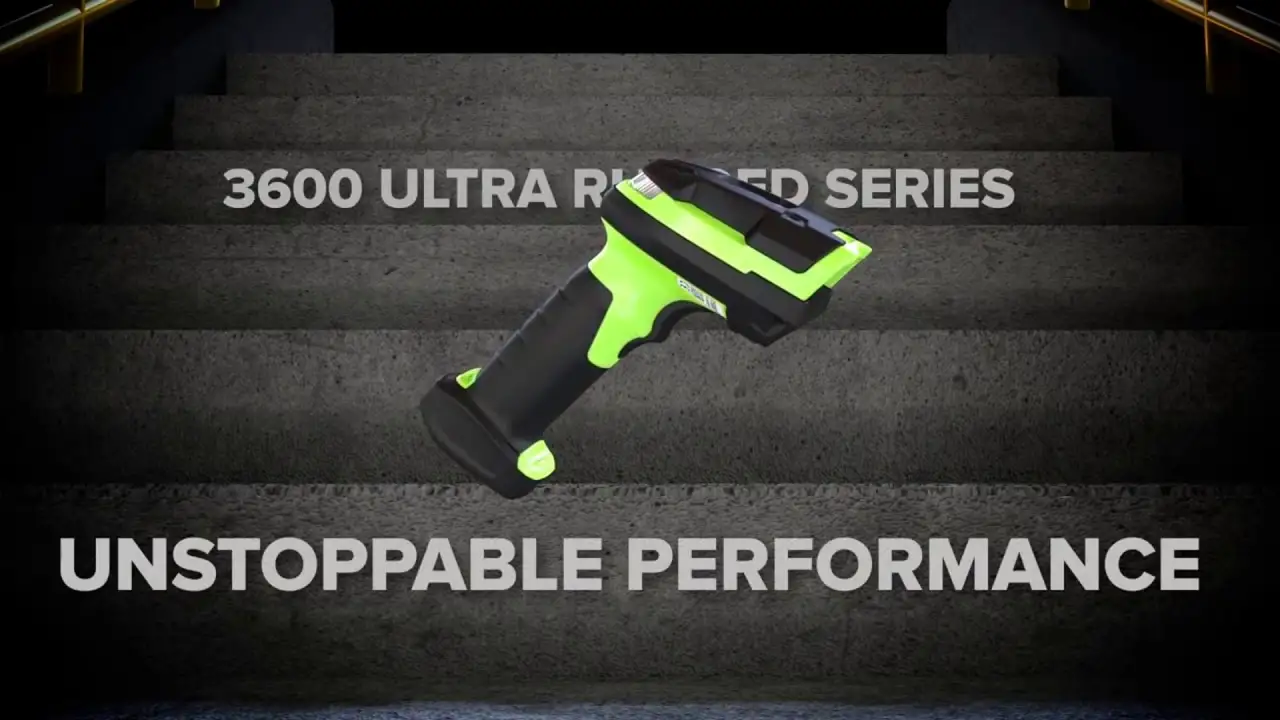
Final Verdict: Buy if you’re a warehouse, manufacturing, or cold-storage operator needing long-range, unstoppable barcode capture in punishing environments. Avoid if you’re in retail or light scanning jobs where weight and price outweigh durability. Pro tip from the community—confirm accessory inclusion before purchase to prevent costly add-ons.