ZAGG InvisibleShield Glass+ Review: Conditional 8.6/10
A screen protector that “shattered completely” so the phone didn’t have to—that’s the recurring bargain users think they’re paying for with ZAGG InvisibleShield Glass+ Screen Protector for iPhone 14 Plus/13 Pro Max. Across retailer reviews, the story is less about flawless glass and more about sacrificial protection plus a safety net of replacements. Verdict: Yes, conditionally — 8.6/10.
Quick Verdict
Conditional. If you value impact protection and a fast replacement experience, the feedback skews strongly positive. If you’re picky about “crystal clear” visuals or hate matte texture changes, some variants in this family get pushback.
| What buyers cared about | What they said (with source) | What it means |
|---|---|---|
| Drop protection | A Best Buy reviewer wrote: “the protector did it’s job and cracked itself but saved my screen.” (Best Buy) | The protector is often “sacrificial,” taking the hit first. |
| Warranty / replacement | A Best Buy reviewer said: “within 5 minutes they had a new screen protector on my phone for free.” (Best Buy) | Replacement convenience is a major value driver. |
| Installation | A Best Buy reviewer noted it came with “a frame… much harder to screw up with this!” (Best Buy) | Alignment tools reduce install anxiety. |
| Clarity / “invisible” look | A Best Buy reviewer said: “sometimes i forget it’s even on.” (Best Buy) | Many find it visually unobtrusive once applied. |
| Anti-glare tradeoff (variant-dependent) | An Amazon reviewer warned there’s “a trade-off… frostiness… not crystal clear.” (Amazon) | Matte/anti-glare versions can reduce perceived sharpness. |
| Quality control / wrong item | An Amazon reviewer alleged: “they sent the wrong screen protector… still the wrong product.” (Amazon) | Some buyers report fulfillment mismatches. |
Claims vs Reality
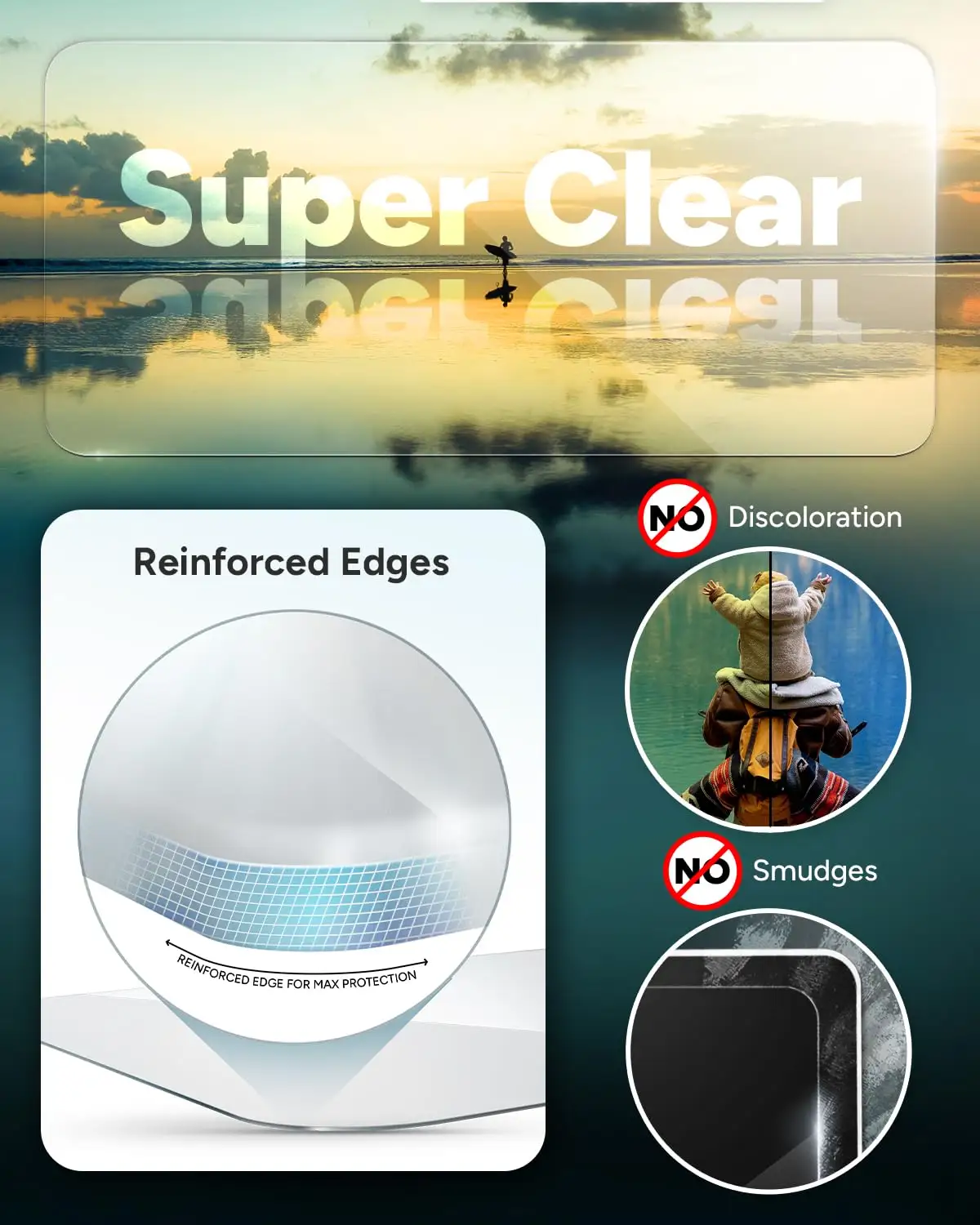
ZAGG’s marketing leans hard on strength, clarity, and ease: “5X shatter protection,” “anti-fingerprint,” and “easy to install” appear prominently on Amazon listings for the InvisibleShield Glass Elite Anti-Glare and related models. Digging deeper into user reports, the “strength” claim often holds up in a very specific way: users describe the protector cracking or shattering so the phone screen doesn’t. That’s still a win for many, but it’s also an admission that “strong” doesn’t mean “won’t break”—it can mean “breaks first.”
One Best Buy reviewer framed the value proposition bluntly: “about 1 week after buying… i dropped my phone… the protector did it’s job and cracked itself but saved my screen.” (Best Buy). Another went even further with an extreme incident: “my phone flew off my vehicle… the glass protector was completely shattered… the phone had no damage.” (Best Buy). While official messaging emphasizes impact protection, real-world stories suggest the practical outcome is often a cracked protector paired with an intact display.
The “easy install” claim also shows up repeatedly in user narratives, especially for buyers who fear bubbles or misalignment. A Best Buy customer admitted price hesitation but changed their mind after discovering “it came with a frame to hold the phone and place the glass.” (Best Buy). On Amazon (for ZAGG’s anti-glare variant), one reviewer praised the included guide: “This screen took me about 2 minutes to install… the template/guide… ensured that the screen was perfectly aligned.” (Amazon). Still, installation isn’t universally smooth—another Amazon reviewer described a persistent bubble “on the top left corner… wouldn’t go away.” (Amazon). The gap here isn’t that installation tools don’t help; it’s that some users still end up fighting edge bubbles or dust issues.
Then there’s the clarity and feel. Official copy can claim “100% clarity” alongside anti-glare benefits, but multiple users describe a tradeoff with matte/anti-glare finishes: “there’s like a frostiness… not crystal clear.” (Amazon). For sensory-sensitive users, the tactile change is even more decisive. One Amazon reviewer wrote: “it has a scratchy papery feeling when swiping… i can’t keep it.” (Amazon). So while the brand pitches premium glass feel, some users perceive certain finishes as fundamentally different from bare glass—good for glare control, bad for texture purists.
Cross-Platform Consensus
Universally Praised
“Peace of mind” is the emotional headline in Best Buy reviews, and the strongest stories come from people who treat screen protection as insurance against daily chaos. One Best Buy reviewer shrugged at the necessity but still valued the outcome: “Do I really need it? probably not. still it functions as stated and gives extra piece of mind.” (Best Buy). For cautious buyers—new iPhone owners, parents buying for teens, commuters—this kind of reassurance is the product.
A recurring pattern emerged around the protector taking catastrophic damage while the phone survives. For accident-prone users, these are the defining anecdotes: “the glass protector was completely shattered. fortunately the phone had no damage.” (Best Buy). Another user described repeated drops: “my son has dropped his apple 14 plus on several occasions and the screen has held up… the last time… the zagg screen protector cracked and had to be replaced.” (Best Buy). These stories suggest the protector is doing what many want most: absorbing the consequences of impact so the actual display doesn’t become an expensive repair.
Ease of installation—especially with alignment tools—also earns steady praise, which matters most for users who hate paying for in-store installs. “Was perturbed by the price until… it came with a frame… much harder to screw up with this!” one Best Buy reviewer wrote. (Best Buy). On Amazon’s anti-glare product reviews, another buyer highlighted speed and alignment: “about 2 minutes to install… perfectly aligned.” (Amazon). For the DIY crowd, the install tray/frame becomes part of the perceived premium value.
Finally, there’s an “invisible” quality many people chase: the protector shouldn’t announce itself visually or disrupt touch. Best Buy reviewers repeatedly describe it as unobtrusive: “sometimes i forget it’s even on.” (Best Buy) and “it even looks like it has nothing on.” (Best Buy). For users who love the iPhone’s display aesthetics and don’t want a thick edge or visible border, those comments signal the kind of seamless look buyers hope for.
Key takeaways (praised)
- Impact protection that “sacrifices” the protector to save the screen (Best Buy).
- Installation help (frame/tray) reduces bubbles and misalignment fears (Best Buy, Amazon).
- Many report a clean, nearly invisible look and normal touch sensitivity (Best Buy).
Common Complaints
The biggest complaint cluster isn’t always about protection—it’s about experience changes, especially with anti-glare/matte finishes that appear across ZAGG’s lineup. For users who prioritize display sharpness and the “glassy” feel, anti-glare can read like downgrade. An Amazon reviewer spelled out the surprise: “there’s a trade-off… compromises the clearness… a frostiness… not crystal clear.” (Amazon). For photographers, gamers, or anyone obsessed with OLED crispness, that “frostiness” is more than a minor quirk.
Texture is another recurring flashpoint, and it can be deal-breaking for sensory-sensitive users. One Amazon reviewer wrote: “it has a scratchy papery feeling when swiping… making my skin crawl.” (Amazon). That’s not a complaint you can smooth over with “you’ll get used to it.” For some people, the change in friction or glide is immediate and intolerable, even if installation and glare control are otherwise excellent.
Quality control and fulfillment issues also show up in Amazon reviews, affecting trust more than performance. One buyer claimed mismatch between listing and received item: “I ordered… 5x protection… the one i received… only 3x protection… still the wrong product… beware of that.” (Amazon). Another described receiving a product that seemed opened: “came clearly opened and used… missing applicator things.” (Amazon). These aren’t critiques of the protector’s engineering so much as warnings about the buying experience—especially for people paying premium pricing and expecting a pristine kit.
Key takeaways (complaints)
- Anti-glare/matte variants can reduce perceived clarity (“frostiness”) (Amazon).
- Some users dislike the feel; sensory-sensitive buyers may hate it (Amazon).
- Reports of wrong/used items undermine confidence in fulfillment (Amazon).
Divisive Features
Anti-glare is the classic split: for some users it’s the whole point, and for others it’s a compromise they regret. On Amazon, one reviewer celebrated it after an adjustment period: “anti-glare screen is the way to go… at first the touch is a little different… but i really like the anti-glare.” (Amazon). Another echoed that it “works great” even with a “slightly different feel.” (Amazon). These are likely people who use their phone outdoors, drive a lot, or work under harsh overhead lighting and want less reflection.
But those benefits collide with expectations set by “clarity” language. The same anti-glare effect that reduces reflections can also soften perceived sharpness, prompting disappointment like: “not crystal clear.” (Amazon). So the divisiveness isn’t random—it maps to user type. Outdoors-heavy users may accept the trade; display purists and texture-sensitive users may not.
Trust & Reliability
Warranty and replacement logistics are central to how users judge ZAGG’s trustworthiness—especially through Best Buy’s ecosystem. A Best Buy reviewer described an almost instant turnaround: “within 5 minutes they had a new screen protector on my phone for free.” (Best Buy). Another framed it as the reason it’s “a steal of a deal and a no-brainer.” (Best Buy). For buyers who dread dealing with mail-in claims, the in-store replacement story builds confidence that the “lifetime” promise can be practical, not just marketing.
At the same time, Amazon reviews raise a different trust issue: not whether ZAGG honors replacements, but whether the right item arrives new and as advertised. Complaints like “still the wrong product” (Amazon) and “came clearly opened and used” (Amazon) point to retailer-side variability that can make the purchase feel risky, especially when the listing says “Elite” strength but the buyer suspects an older version.
Long-term durability evidence in the provided data is limited, but some users offer time-based reassurance. An Amazon reviewer discussing ZAGG XTR2 reported: “6 months now… no scuffs or scratches… held up with normal use.” (Amazon). That kind of update matters most for people who don’t just want crack protection—they want scratch resistance that stays consistent over months in pockets, bags, and daily handling.
Alternatives
Only a few competitors are directly mentioned in the provided sources, and the clearest “alternative” in user language is the generic, cheaper screen protector category. One Amazon reviewer compared premium ZAGG to budget options: “i used to always buy the cheap screen protectors… finally bought the more expensive one… over 3 months and doesn’t have one scratch or crack.” (Amazon). For users tired of constantly swapping cracked bargain glass, ZAGG’s pitch—stronger material plus warranty—aligns with their frustration.
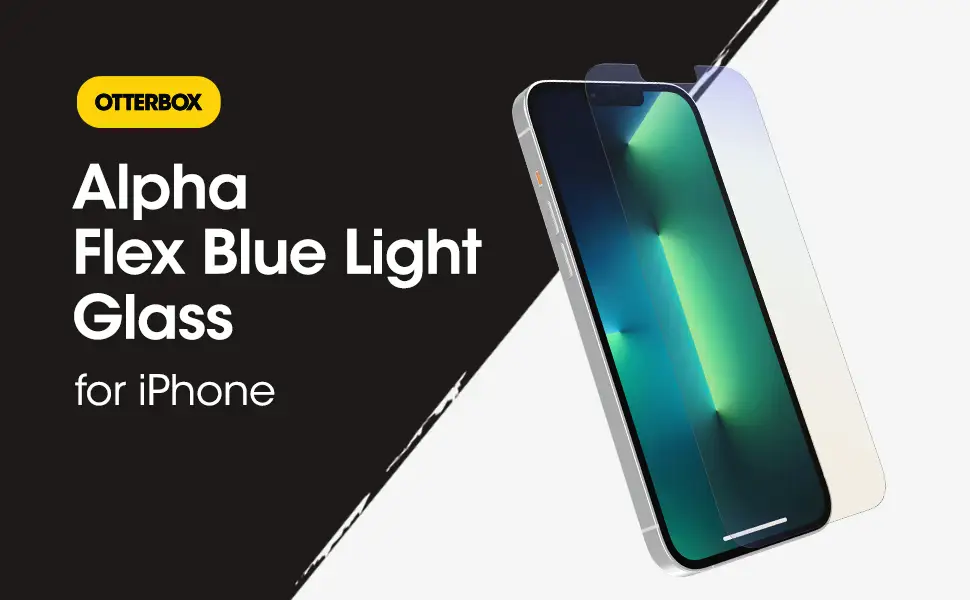
OtterBox appears in the image set (Amazon.ca listing), but there are no user quotes or review excerpts provided for it here, so the comparison has to stay grounded: the data shows OtterBox as a visible marketplace alternative, not a documented user-preferred swap. The more supported alternative in the feedback is “buying cheaper protectors more often,” which some users still prefer when they feel premium durability doesn’t justify premium cost—like the Amazon reviewer who said their ZAGG cracked “on day two” and planned to reorder a cheaper, previously reliable protector. (Amazon).
Price & Value
Price sensitivity shows up repeatedly, even among satisfied users. A Best Buy reviewer admitted they were “perturbed by the price” until discovering the alignment frame. (Best Buy). Another made the value equation explicit: “the lifetime free replacement warranty makes this a steal of a deal.” (Best Buy). In other words, some buyers justify the higher upfront cost only if replacements are easy and fast.
The resale/secondary-market data also hints at how shoppers chase value. eBay listings show ZAGG protectors at dramatically lower prices than official MSRP-style pricing, such as a Glass Elite listing around “$12.95” (eBay) and a privacy model listed at “$14.97” (eBay). For bargain hunters, these listings suggest a path to premium branding at budget pricing—but the Amazon complaints about wrong or used items (“came clearly opened and used”) (Amazon) underline why buying channel can matter as much as the product itself.
Buying tips embedded in user stories revolve around installation tools and keeping what comes in the box. An Amazon reviewer about ZAGG XTR2 warned: “do not throw it away” referring to the alignment tool, because a replacement may not include one. (Amazon). For anyone counting on the warranty, that’s a practical community tip: treat the applicator as part of the long-term value, not disposable packaging.
FAQ
Q: Does the ZAGG InvisibleShield Glass+ actually protect the iPhone screen in real drops?
A: Yes—many users describe the protector cracking or shattering while the phone screen stays intact. A Best Buy reviewer said the protector “cracked itself but saved my screen,” and another reported the protector was “completely shattered” after a severe impact while the phone had “no damage.” (Best Buy)
Q: Is the anti-glare version as clear as a normal glass protector?
A: Not always. Some Amazon reviewers describe a noticeable clarity tradeoff, saying anti-glare can create “frostiness” and that the screen is “not crystal clear.” Others still prefer it for reflection reduction and say it “works great” after adjusting to the different feel. (Amazon)
Q: How hard is it to install without bubbles?
A: Many buyers say it’s straightforward, especially with the included alignment frame/tray. A Best Buy reviewer liked that it came with “a frame… much harder to screw up,” and an Amazon reviewer said it took “about 2 minutes” with perfect alignment. But some still report stubborn bubbles. (Best Buy, Amazon)
Q: Does it feel like real glass when swiping?
A: It depends on the finish. Some Amazon reviewers say the fingerprint-resistant/anti-glare surface has a “slightly different feel” but is easy to get used to. Others strongly dislike it, describing a “scratchy papery feeling,” especially on matte-style anti-glare protectors. (Amazon)
Q: Is the lifetime replacement warranty worth it in practice?
A: Many Best Buy reviewers say yes, especially with in-store support. One wrote that after a crack, Best Buy replaced it “within 5 minutes… for free.” However, some Amazon buyers focus more on fulfillment issues (wrong or used items), which can complicate the experience before warranty even matters. (Best Buy, Amazon)
Final Verdict
Buy if you’re the kind of iPhone 14 Plus/13 Pro Max owner who wants a protector that will “crack itself” to save your display—and you value the replacement safety net as much as the glass itself. Avoid if you’re highly sensitive to texture changes or you demand “crystal clear” visuals and are considering a matte/anti-glare finish.
Pro tip from the community: An Amazon reviewer advised keeping the alignment tool—“do not throw it away”—because replacements may arrive without it. (Amazon)