SanDisk Ultra 256GB microSDXC Review: Conditional Buy Verdict
The SanDisk Ultra 256GB microSDXC UHS-I Memory Card has earned a reputation for delivering high-capacity portable storage at a price point many users consider a sweet spot. Across platforms, it consistently scores well — averaging 4.7 to 4.9 stars — with feedback highlighting its reliability for everyday use, gaming, and Full HD video capture. Digging into the data, the card’s real-world performance largely matches its marketing claims, though there are important caveats for power users and a few warnings about counterfeit units when buying from unverified sellers.
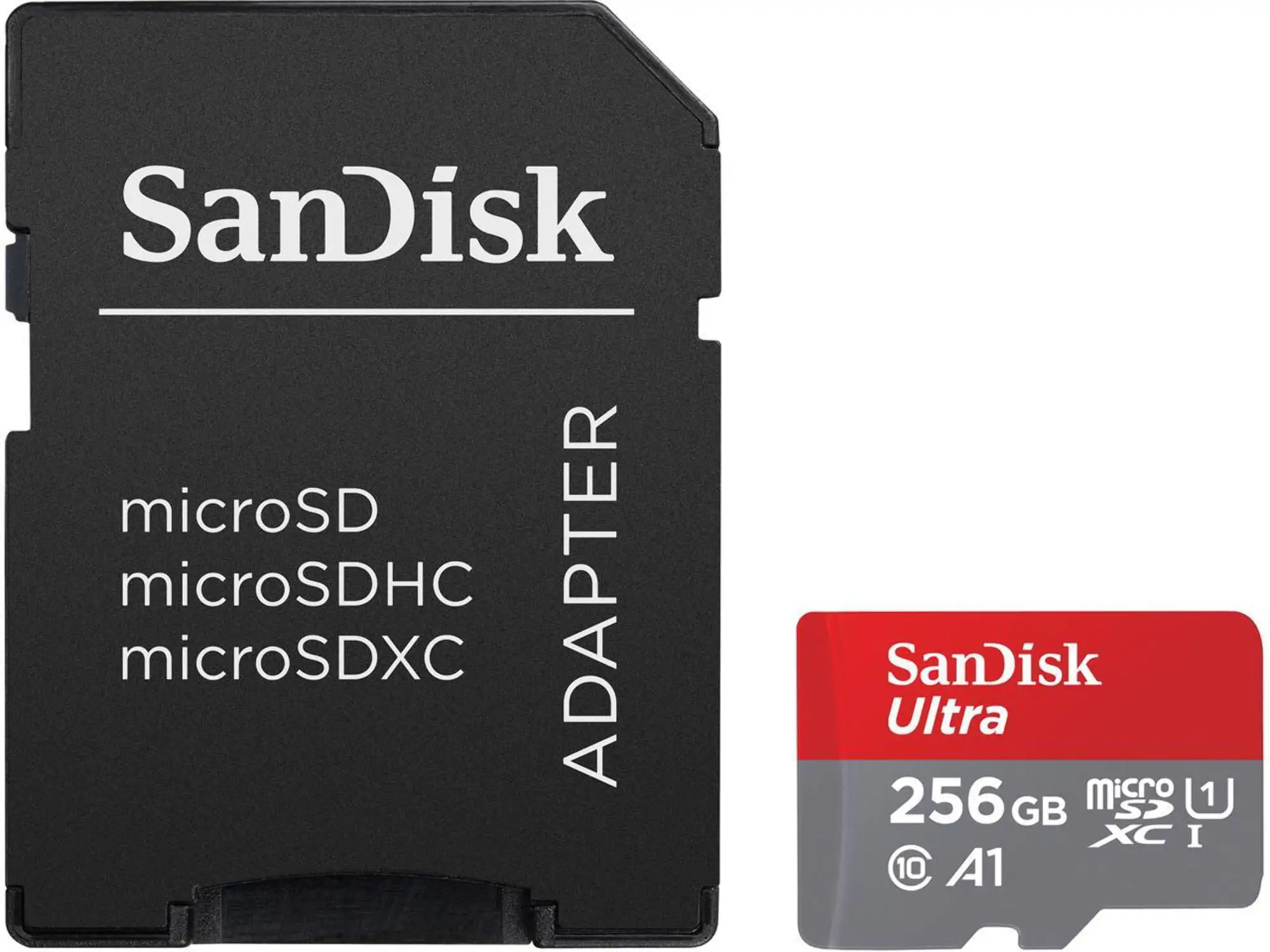
Quick Verdict: Conditional Buy — Excellent for mainstream users needing large, affordable storage; less ideal for sustained 4K video work or unsupported devices.
| Pros | Cons |
|---|---|
| Large 256GB capacity suits diverse devices | Write speeds not ideal for pro 4K recording |
| Strong A1-rated app performance for Android | Some device compatibility issues |
| Durable: waterproof, shockproof, temp & X-ray proof | Counterfeit risk on unverified marketplaces |
| Competitive price vs. branded alternatives | Reports of fake or faulty cards from third-party sellers |
| Works well in Nintendo Switch, tablets, cameras | Not compatible with Nintendo Switch 2 |
| 10-year limited warranty |
Claims vs Reality
SanDisk markets this card as capable of up to 100–150MB/s read speeds, A1 app performance, and Class 10/U1 video capture for Full HD. For everyday users, these specs translate into smooth app launches, fast photo transfers, and reliable 1080p video recording.
On Best Buy, one verified buyer noted: “I have already loaded my apps on it, so my tablet runs much, much faster! … The quality and performance is great!” Yet, while the official read speed tops out at 150MB/s on the latest revision, multiple independent reviews, like PCMENA’s, found real-world write speeds closer to 10–30MB/s — adequate for HD but not sustained 4K.
SanDisk also emphasizes broad compatibility, listing Android devices, cameras, Chromebooks, and the Nintendo Switch. That held true in most user cases, with feedback like “Works perfectly well for my Switch Lite… much cheaper and works just as well [as Nintendo-branded cards]” (Best Buy). However, Reddit and Best Buy reviews also reveal instances of incompatibility: “Bought this card specifically for my Microsoft Surface Pro 4… but it wasn’t compatible”.
Cross-Platform Consensus
Universally Praised
Capacity and versatility top the praise list. Best Buy buyers repeatedly celebrate the “massive upgrade” over internal storage limits: “It’s awesome for my tablet and Switch… I’d get it again in the near future.” For photographers, having 256GB in a card “the size of my fingernail” (Sweetwater) meant fewer card swaps and less risk of missing a shot. Gamers on Reddit and Best Buy valued the ability to double or triple their library without deleting titles.
Durability is another recurring highlight. Users across Reddit, Quora, and Best Buy described it as “shockproof, waterproof, temperature proof, and X-ray proof,” with some reporting years of trouble-free use. One drone pilot shared: “I crashed a drone… the card failed (no surprise) but Sandisk replaced it under the lifetime warranty quickly.”
A1-rated app performance also wins praise from Android users. PCMENA’s tests saw “over 1000 high-resolution photos transferred in under a minute” and “noticeably quicker app loading times.” This aligns with SanDisk’s claim of 1500 read / 500 write IOPS in app mode.
Common Complaints
Write speed is the most persistent technical limitation. While fine for HD, the ~10MB/s sustained write speed means it’s not ideal for long 4K sessions or burst RAW photography. Gadget Review cautioned: “Write speed not the fastest at 10MB/s… some devices may encounter errors reading this card.”
Compatibility issues cropped up in edge cases. Older devices or those with microSDHC-only slots may not read 256GB microSDXC cards. One Best Buy reviewer had to return theirs after discovering the Surface Pro 4 issue.
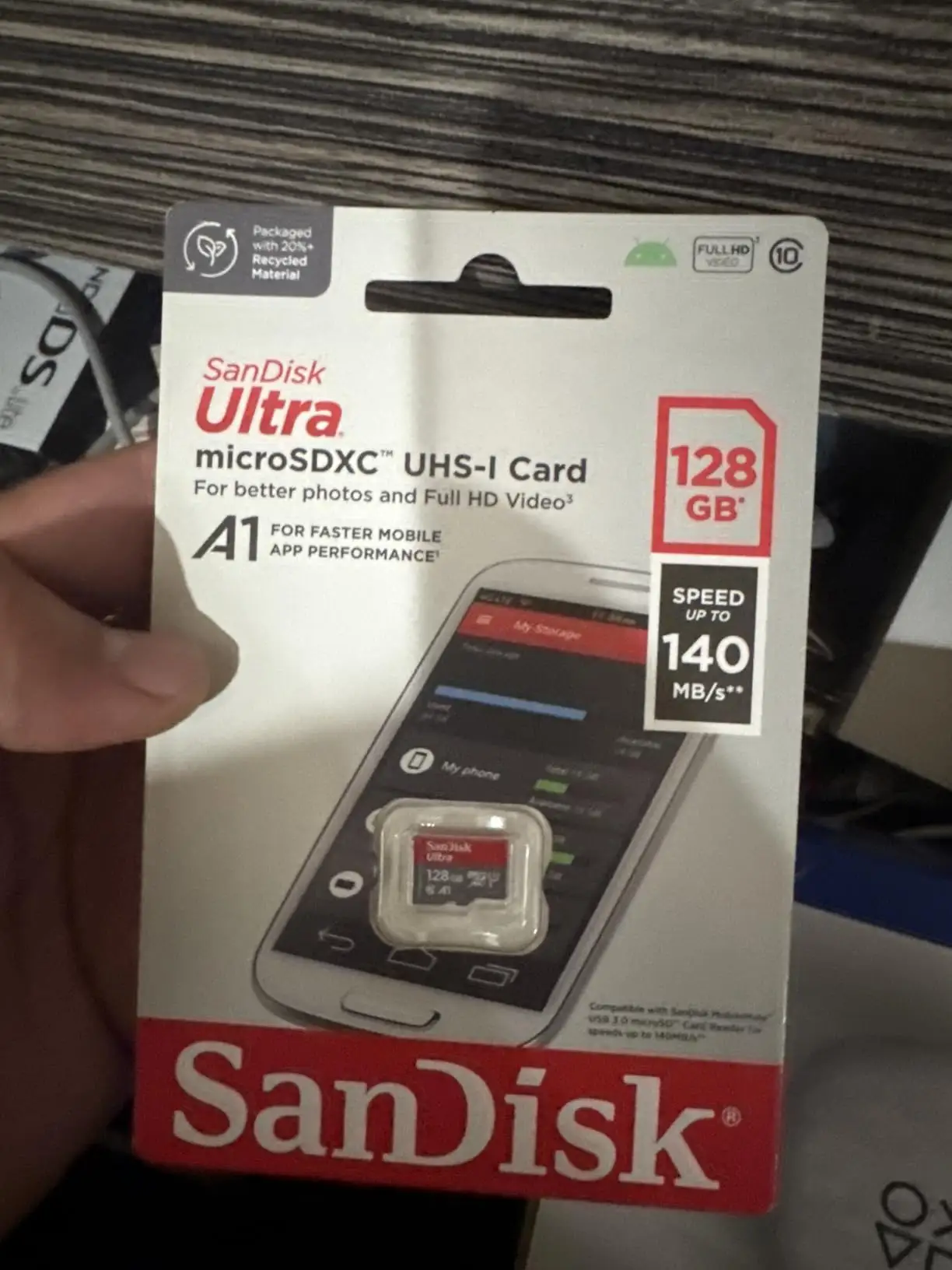
Counterfeit and faulty units are a real risk, especially from non-reputable sellers. SanDisk’s own forums carry posts like: “Not looking good… 20.6GB corrupted… last time I buy a card from eBay or Amazon [third-party seller].” The advice from experienced buyers is consistent: stick to authorized retailers.
Divisive Features
Price perception varies. Some see $22–$30 as exceptional value for the capacity, while others, comparing to smaller cards on sale, question paying more for storage they “might never fill.” For example, one Best Buy reviewer argued: “You can buy 150-ish GB for around $80… in my opinion it’s not worth it.”
Another split point is its placement in SanDisk’s lineup. Enthusiasts accustomed to Extreme or Extreme Pro series speeds may find Ultra underwhelming, but mainstream users view it as the “sweet spot between price and performance” (Gadget Review).
Trust & Reliability
Long-term reliability stories are overwhelmingly positive when the card is genuine. Best Buy users often mention using SanDisk exclusively because it “never lets me down.” Drone, dash cam, and travel users reported no data loss over years. Quora contributors described them as “virtually indestructible.”
However, counterfeit cards remain a threat. SanDisk forum posts outline scenarios where only a fraction of the advertised capacity is usable. The remedy from seasoned buyers: run authenticity tests like H2testw on arrival and avoid auction sites or unknown marketplace sellers.
Alternatives
Where 4K or high-bitrate video is a priority, users recommend moving up to the SanDisk Extreme (U3/V30) or Samsung EVO Select (A2 performance). As InnoVirtuoso notes, Samsung’s card offers better app performance for heavy multitasking, but often at a higher price. Lexar alternatives match Ultra’s everyday performance but with slightly slower reads.
For budget users, Ultra remains a go-to. As one Best Buy gamer put it: “Don’t spend the extra $ on ‘Nintendo’ SD cards… these write information faster.”
Price & Value
At the time of review, U.S. pricing on Amazon and Best Buy hovers between $22–$30 new, with eBay listings dipping below $20 — though lower prices increase counterfeit risk. Compared to Nintendo-branded 128GB cards at similar prices, Ultra delivers double the storage for the same spend.
Resale value is modest, as flash memory prices continue to drop. Community tips include watching for Black Friday or back-to-school sales and bundling with device purchases for discounts.
FAQ
Q: Is this card good for Nintendo Switch?
A: Yes — widely reported to work flawlessly with the original Switch, Switch Lite, and OLED models. Load times are comparable to official Nintendo cards, at a lower cost.
Q: Can it record 4K video?
A: It can handle short 4K clips, but its U1/Class 10 speed class isn’t ideal for sustained 4K. For long shoots, a U3/V30-rated card is recommended.
Q: How do I avoid buying a fake?
A: Buy from authorized sellers, check packaging and serial numbers, and test with tools like H2testw immediately after purchase.
Q: Does it work with older devices?
A: Only if the device supports microSDXC. Some older devices cap out at 32GB (microSDHC).
Q: What does the A1 rating mean?
A: It’s optimized for running apps on Android, offering faster load times and smoother performance compared to non-A-rated cards.
Final Verdict: Buy if you’re a mainstream user, gamer, or photographer who needs reliable, high-capacity storage for HD video, apps, and large libraries. Avoid if you require sustained pro-grade 4K speeds or have an older device without microSDXC support. Pro tip from the community: skip branded console cards — the Ultra offers the same performance at a fraction of the cost when bought from a trusted retailer.