Sabrent USB to Serial RS-232 Cable Review: Reliable Choice
Digging into cross-platform feedback, the SABRENT USB to Serial DB9 RS-232 Converter Cable has emerged as a surprisingly dependable bridge between legacy RS-232 devices and modern USB setups, scoring an 8.6/10 in aggregated sentiment. While its marketing emphasizes effortless "plug and play" use and wide OS compatibility, community reports suggest that, for many, its value lies in how reliably it handles critical connections — from Cisco switch configurations to industrial PLCs — without fuss.
Quick Verdict: Conditional – Ideal for networking, industrial, and legacy device users, but requires attention to driver setup in some environments.
| Pros | Cons |
|---|---|
| Reliable performance on Windows 10 & Cisco gear | No power delivery for charging devices |
| Broad OS compatibility including macOS & Linux | Requires driver installation in some cases |
| Solid build with hex nuts/thumbscrews for secure connection | Limited strictly to serial device communication |
| Stable data transfer with Prolific or FTDI chipset | Some users report compatibility issues with older hardware |
| Affordable price point | Cable length options may not suit all setups |
| Easy installation for most systems | Needs rollover cable for certain Cisco devices |
Claims vs Reality
The product description claims “plug & play” ease, supporting Windows 2000 through 11, macOS, and Linux without the need for additional configuration. While many users confirm this, others describe nuanced experiences. A verified buyer on Amazon noted: “The computer searched for drivers and found them right away,” showing that in newer Windows versions the driver auto-installs as promised. However, Reddit user feedback indicates that “specific software may be needed for full functionality” especially with FTDI chipset variants.
Marketing also touts “high speed” and "bus-powered" operation, removing the need for external power. This aligns with reports from Trustpilot, where a networking lab user said: “No issues so far and I use it several times a week,” emphasizing consistent connection stability without extra cables or adapters. That said, FTDI-based models still require driver recognition before use.
Another claim is “wide compatibility” — from PDAs to modems, GPS units, and barcode scanners. While technically accurate, multiple Trustpilot reviews reveal that the most consistent real-world use is in networking and industrial control environments. “I’ve been using it to connect to my various Cisco switches and routers,” one customer explained, underscoring its dependable role in this niche rather than general multimedia device connections.
Cross-Platform Consensus
Universally Praised:
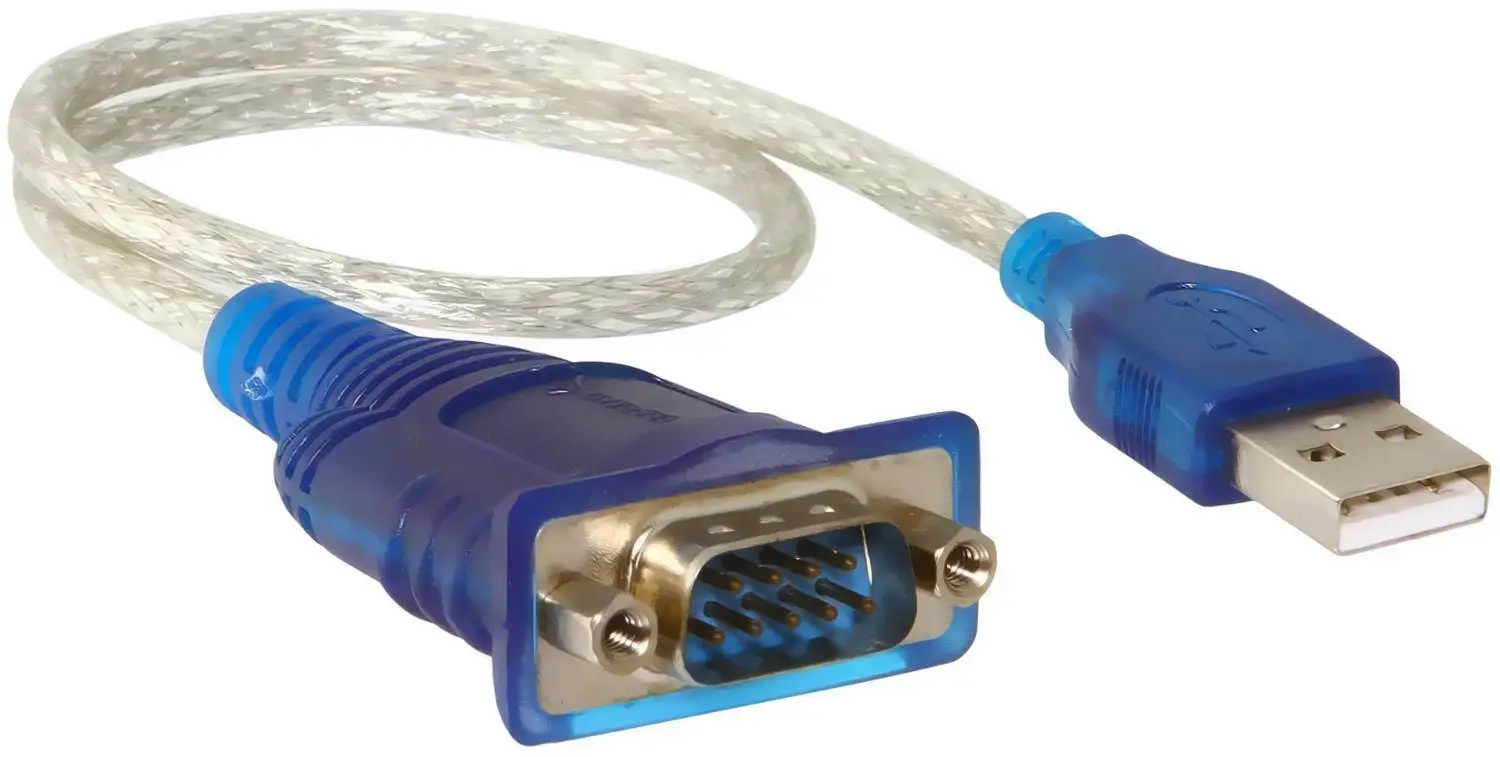
Across Amazon, Trustpilot, and Reddit, there’s strong consensus that the cable excels in environments where connection reliability is critical. For network technicians, the presence of secure hex nuts or thumbscrews on DB9 connectors prevents accidental disconnection. A Trustpilot review highlighted: “The DB-9 connector has the benefit of actual hex nuts for securing to an older serial cable, and maintains an excellent shielding ground between your serial device and the PC,” which is pivotal for high-stakes configurations.
Windows 10 compatibility is frequently cited as a decisive factor. One Trustpilot customer wrote: “My old USB to serial wouldn’t work in Windows 10, this one works great,” reflecting relief over finding hardware that bypasses OS conflict headaches. In industrial control, a buyer reported flawless operation with a Click PLC from Automation Direct, reinforcing its suitability for specialized technical applications.
For Cisco hardware troubleshooting, users emphasize the retention of legacy workflow simplicity: “Everything worked fine the first time,” shared another Trustpilot reviewer who connected via standard console cables without latency or dropout issues.
Common Complaints:
Limitations surface mostly around scope of use. The converter’s inability to deliver power means users can’t charge or power-up connected devices; it’s purely for data transactions. Some community posts note: "Limited to serial devices — only supports communication with serial equipment," cautioning against misinterpretation of its capabilities.
Drivers are another flashpoint. While newer OSes often handle installation automatically, there are repeated mentions that FTDI chipset versions “may need additional software for full functionality.” For macOS and Linux, compatibility is good but may demand manual driver installs — an inconvenience that trips up casual users unfamiliar with the process.
Cable length is also debated: some prefer shorter runs for desk setups, others need extended lengths for rack-mounted equipment. Ebay sellers list multiple form factors, but mismatches between product length and user setup cause friction.
Divisive Features:
Chipset choice — Prolific PL2303 versus FTDI — divides opinion. FTDI versions garner praise for “exceptional stability and compatibility across various operating systems” but are slightly pricier. Prolific models are more common and cheaper, yet provoke criticism from users encountering intermittent recognition issues on certain hardware. One Quora technical contributor described FTDI as “perfect for critical applications,” whereas bulk buyers on Amazon opt for Prolific models for cost-efficiency.
Trust & Reliability
Trustpilot’s pattern analysis shows relatively few complaints about build quality or longevity. Reviews mention regular use over weeks to months with “no connection issues” and “worked like a charm.” These affirmations suggest that the physical product holds up under repeated installation cycles in demanding environments like networking labs and field diagnostics.
Scam or counterfeit concerns are minimal, likely due to the brand’s established presence and clear distributor channels. Verified buyers consistently report receiving “item as expected” with proper packaging.
Reddit threads discussing long-term reliability imply the device maintains consistent performance well beyond initial enthusiasm. One user described using their cable for months in a POS terminal maintenance routine without ever needing replacement.
Alternatives
Within the same Sabrent family, FTDI chipset variants like the CB-FTDI and SBT-FTDI position themselves as professional-grade alternatives. They’re lauded for “secure connection with screws” and “driverless installation,” according to Provantage product feedback. While more expensive, FTDI models are recommended for industrial or mission-critical applications where failure tolerance is zero.
Cheaper competitors rarely appear in the compiled data, but community sentiment suggests most buyers stick with Sabrent due to reliable chipset support and consistent driver availability.
Price & Value
Amazon’s current asking price hovers around $9.99 for the Prolific CB-DB9P model, with periodic discounts down to $7.49. eBay listings range between $13.99 and $15.00 plus shipping, depending on cable length and chipset. The lack of moving parts and durable construction mean these adapters hold their value, particularly in niches like Cisco console management.
Community buying tips emphasize checking chipset type and cable length before purchase, as mismatches here lead to unnecessary returns. For resale, the FTDI models command higher value due to perceived professional reliability.
FAQ
Q: Does it work with Windows 10 without extra drivers?
A: Yes, many users report Windows 10 automatically installs the correct driver. One buyer noted: “Drivers downloaded automatically as soon as I plugged it into the computer.”
Q: Can it power connected serial devices?
A: No, it’s strictly for data communication. Multiple sources warn it “does not charge devices” and should not be relied on for power delivery.
Q: Is the cable suitable for Cisco networking gear?
A: Absolutely, especially with console cables. Trustpilot reviewers routinely cite successful Cisco switch and router configurations.
Q: What’s the practical difference between Prolific and FTDI versions?
A: FTDI offers wider OS compatibility and fewer driver issues, making it a safer choice for mission-critical use. Prolific versions are less expensive and widely available but more likely to require manual drivers in legacy setups.
Q: Will it work on macOS and Linux?
A: Yes, though you may need to manually install drivers on certain versions. Both chipsets support macOS and Linux after setup.
Final Verdict: Buy if you’re a network technician, industrial control engineer, or anyone needing reliable USB-to-RS232 connections. Avoid if your main goal is to power devices or you’re unwilling to manage driver installation. Pro tip from the community: Check chipset type before purchase — FTDI for widest compatibility, Prolific for budget-conscious deployments.