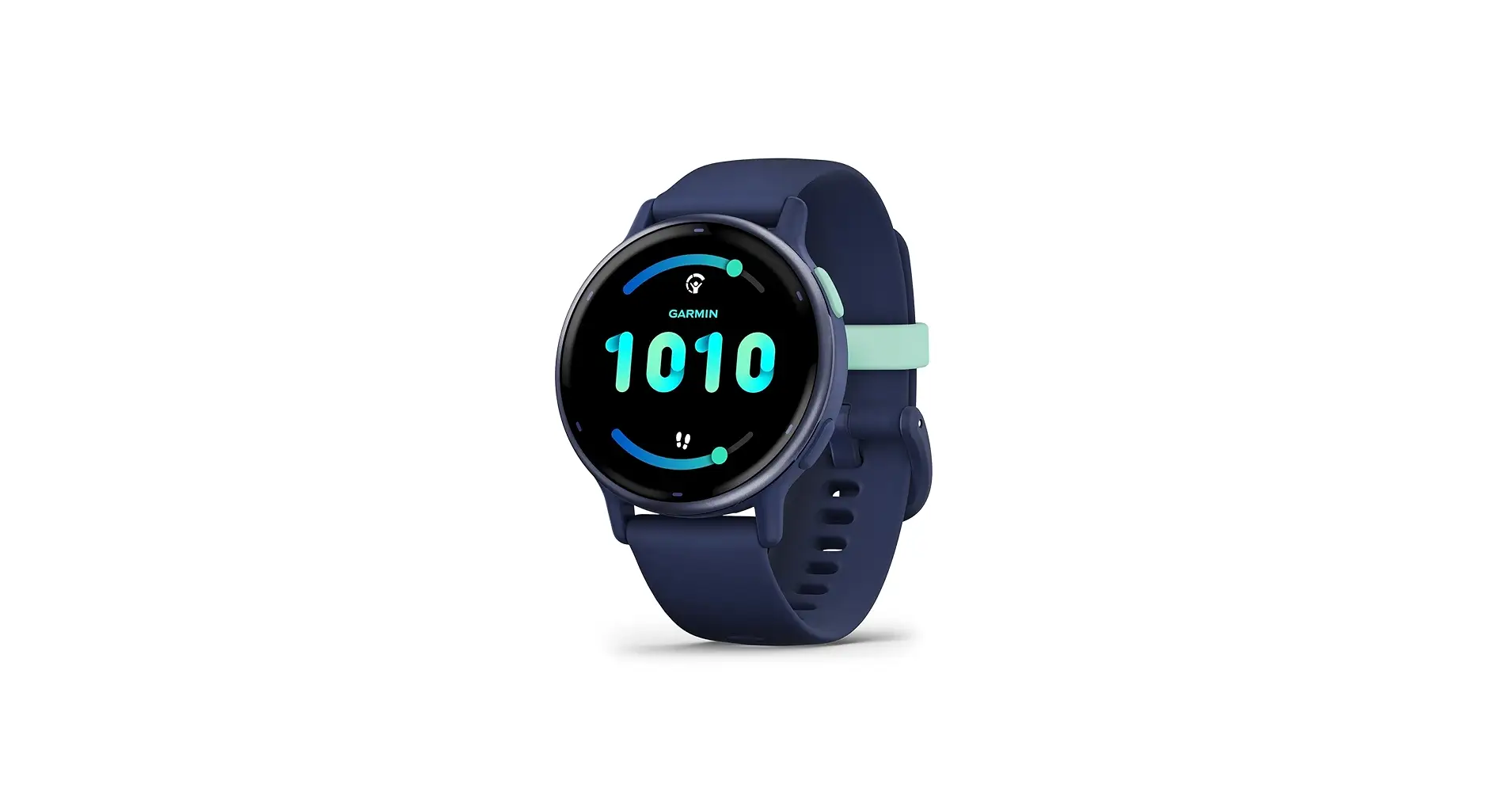
Garmin vívoactive 5 Review: Bright Display, Long Battery
Boasting praise as “the greatest smartwatch” by one Best Buy reviewer and beloved for its balance of battery life, comfort, and fitness tracking, the Garmin vívoactive 5 GPS Smartwatch (Renewed, Navy) earns a solid 8.5/10 from aggregated user feedback. While its vibrant AMOLED display and advanced health features win hearts across platforms, some omissions and quirks prevent it from being a perfect all-rounder.
Quick Verdict: Conditional — best for health-focused users wanting strong GPS and long battery at a mid-tier price, but not for those needing advanced training features or elevation tracking.
| Pros | Cons |
|---|---|
| Bright, easy-to-read AMOLED display | No barometric altimeter; no stair tracking |
| Excellent battery life (7–10 days reported) | Occasional Bluetooth dropouts with music/headphones |
| Accurate GPS and health tracking | Slow GPS connection start in some cases |
| Comfortable, lightweight design | Sleep tracking misses brief wake periods |
| No subscription needed for data insights | Single 42mm size may not fit everyone |
| Highly customizable watch faces via Connect IQ | Music playback can be choppy during certain workouts |
| Robust multi-sport tracking range | Lacks speaker/mic for calls |
Claims vs Reality
Garmin markets the vívoactive 5 as offering up to 11 days of battery life in smartwatch mode, but multiple buyers on Trustpilot and Best Buy report achieving slightly less with heavy tracking. A verified Best Buy buyer wrote: “Battery life is amazing — only charge it once every week & a half,” while long-term testers noted around 9 days with constant GPS and workout logging.
The company also highlights over 30 sports apps and advanced health monitoring, including sleep coach, body battery, and nap detection. These features are widely celebrated, with one Reddit user sharing that wearing it overnight “gives you more accurate data” and that “it takes time to get a baseline… give it a month before you really start to trust it.” However, users also discovered the watch omits a barometric altimeter despite marketing in some listings suggesting otherwise — disappointment voiced by Best Buy buyer Brittneym: “I bought this thinking it had an altimeter… it unfortunately does not.”
Lastly, Garmin’s emphasis on bright AMOLED visuals matches reality; even outdoors in direct sun, users like Tory on Best Buy confirm: “The screen is bright, colorful, and easy to see even on a sunny day.” This visual clarity extends to workout data fields, which testers found “bright, bold, and easy to read while running.”
Cross-Platform Consensus
Universally Praised
The AMOLED display is a standout: runners, cyclists, and casual wearers praise its readability and vibrancy. TechGearLab testers noted, “The automatic screen-on feature is very responsive,” and outdoor athletes appreciated that pace, heart rate zone, and lap times were visible without squinting.
Battery endurance shapes the vívoactive 5’s appeal. From Best Buy’s Moxi tracking “a solid 9 days per charge” to Post Baloney's claim of charging “once every 10 days” after switching from an Apple Watch, longevity is a recurring satisfaction point. These metrics make it ideal for multi-day trips without packing a charger.
Comfort and wearability score high marks. LTcmn compared it to the Fitbit Sense: “So much lighter, more comfortable… doesn’t get snagged on my sleeves.” Garmin’s band fit was called “light and airy” in Quora reviews, meaning marathon training or all-day wear doesn’t lead to irritation.
The health data ecosystem is another shared win. Users love the no-subscription access in Garmin Connect, from sleep scores to body battery energy monitoring. Jessica enthused: “You truly find your body’s message… knowing how I can help my body is amazing.”
Common Complaints
Music playback has been a sore spot for some athletes. Moxi reported “choppy music playback… when my arms are moving around and away from my body” during weight lifting, though steady-hand activities fare well.
GPS connection times annoy impatient runners. Tory observed that, “even using all systems, GPS takes a while to connect for an activity.” These delays can impact spur-of-the-moment outdoor workouts.
Sleep tracking, while detailed, isn’t flawless. Testers mention missing short wake periods at night, as with TechGearLab’s experience of accurate sleep/wake times but occasional gaps for wakefulness detection.
Bluetooth connectivity occasionally falters — MadisonJ’s watch disconnected from her phone “even if it is just in my pocket.” JBL earbud users also note intermittent drops.
Divisive Features
The absence of a barometric altimeter draws a sharp divide: casual fitness users rarely notice, but stair-climbers and hikers feel shortchanged. Brittneym’s complaint echoes those training on stair steppers or tracking elevation gain.
Size choice — or lack thereof — is another split opinion. The single 42mm case delights users who find it “the perfect size” (Yah Coffee), but those with very small wrists may prefer the variety seen in models like the venu 3.
Trust & Reliability
Durability stories largely inspire confidence. Buyers who dinged the screen found inexpensive protectors sufficient, with Yah Coffee noting that “protectors… are flimsy little plastic pieces but doing the trick.”
However, on Garmin’s own forums, scattered reports detail charging issues (“charging cord… knocks loose by slight jarring motions”) and sporadic boot loops or touch hang-ups. These are isolated but worth awareness.
The lack of subscription and transparent data presentation builds trust. Fitbit converts like LTcmn celebrated getting “all the data… without a premium subscription,” viewing Garmin as more value-driven.
Alternatives
The Garmin Venu 3 emerges as a logical upscale option. It retains AMOLED but adds a barometric altimeter, speaker/mic for calls, and animated workouts. Reviewers like Tory note that “versions like the venu 3 support talk/text” — making them better for smartwatch-first users.
For minimalists or lifestyle trackers, Fitbit Charge 6 or Whoop 5.0 offer smaller form factors and discreet wear but sacrifice Garmin’s extensive sport modes. Serious athletes willing to spend more might prefer the Forerunner 265 for its advanced training metrics missing here.
Price & Value
eBay listings show new or “renewed” vívoactive 5 units ranging $254–$304, undercutting Garmin’s $299.99 MSRP by varying margins. Resale values hold decently; pre-owned units fetch around $260–$285 with minimal depreciation.
Community buyers advise monitoring holiday sales — Tory lamented missing a $50-off deal post-purchase. Renewed versions appeal to budget-conscious users while retaining full feature sets.
FAQ
Q: Is the Garmin vívoactive 5 waterproof?
A: Yes — it has a 5 ATM water rating suitable for swimming and showering, and supports pool swim tracking with stroke type detection.
Q: Can I listen to music without my phone?
A: Yes — it stores playlists from apps like Spotify for phone-free workouts, though some users encountered Bluetooth hiccups during certain movements.
Q: Does it track elevation gain or stairs climbed?
A: No — it lacks a barometric altimeter, estimating elevation only via GPS maps, which is less precise.
Q: How accurate is the heart rate monitor?
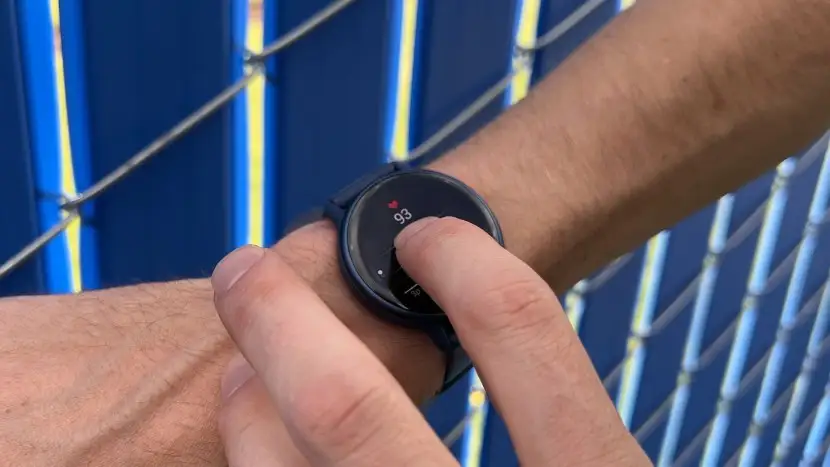
A: Overall accuracy is excellent, matching industry-standard chest straps closely, though recovery phase readings may lag slightly.
Q: Can I respond to texts from the watch?
A: Android users can reply via on-watch keyboard or preset responses; iPhone users can view but not reply.
Final Verdict
Buy if you’re a health-focused wearer, runner, or casual multi-sport enthusiast who values a bright screen, robust GPS tracking, and long battery life without subscription fees. Avoid if your core needs include stair tracking, elevation training, or smartwatch calling features.
Pro tip from the community: Wear it higher on your wrist for better heart rate accuracy, and give it a month to fine-tune health baseline data before judging results.