TRENDnet Gigabit PoE++ Injector Review: Strong, Conditional
“‘Voila, no more problems!’” is the moment that keeps popping up when people describe fixing a stubborn, power-hungry PoE setup with TRENDnet Gigabit PoE++ Injector gear. Verdict: a strong, mostly plug-and-play solution for single-device high-power PoE—if your equipment actually negotiates standards correctly. Score: 8.6/10.
Quick Verdict
For TRENDnet Gigabit PoE++ Injector: Conditional (great for standard-compliant PoE/PoE+/PoE++ devices; risky if you’re mixing finicky firmware/handshake requirements or non-compliant gear).
| What buyers focused on | What they liked | What went wrong | Where it showed up |
|---|---|---|---|
| Powering demanding devices | “no more problems!” | Some devices won’t negotiate/boot | Revain; ReviewIndex |
| Setup effort | “took a few seconds to install” | PoE standards confusion | Revain; Provantage (analysis) |
| Long cable runs | “distance of 70 meters… smoothly” | Claims of odd speed improvements | Revain |
| Noise/heat | “fanless… keep all my network gear quiet” | “only gets slightly warm” | Revain |
| Compatibility | Works with UniFi/Axis/Cisco setups (for some) | “none of them work with the new 802 . 11 at standards” | Revain |
| Value | “good product for the price” | “higher costs” / “expensive” | Revain; Provantage (analysis) |
Claims vs Reality
One of the loudest marketing promises around TRENDnet Gigabit PoE++ Injector models is “no configuration needed.” Digging deeper into user reports, that’s often true in the practical, relieved sense—people buy an injector because their switch can’t power a device, then the injector immediately stabilizes things. A reviewer on Revain described the fix in simple terms: “the seller suggested this device and voila , no more problems ! … it took a few seconds to install.” For DIY home security and small-office installs, that “back online” moment is the whole product.
But “plug-and-play” still depends on standards negotiation. One Revain reviewer highlighted how certain endpoints refuse power unless the handshake looks right: “i had another 30w poe+ adapter that will not work with the axis poe+ camera … it worked great ! … if proper communication is not established , it will not work.” The gap isn’t that the injector can’t deliver wattage; it’s that some ecosystems treat proper PoE classification as a gatekeeper.
Another marketing anchor is distance—commonly framed as up to 100m/328 ft. In lived setups, people talk about this as a way to keep fragile power adapters out of weather and avoid long extension cords. A reviewer on Revain tied the distance story to outdoor reliability: “powers a sony … security camera … at a distance of 70 meters … smoothly and without interruption … now i don't have to worry about the weather ruining another power supply.” That’s the practical “distance” win: moving power delivery upstream into a protected location.
Yet occasionally the “reality” stories get strange. A reviewer on Revain claimed: “i 'm getting faster speed at the end of my 500 ft cable than at the source.” Whatever the cause in that setup, it doesn’t align neatly with how Ethernet throughput is expected to behave—so treat it as a user-reported anomaly rather than a repeatable performance claim.
Cross-Platform Consensus
Universally Praised
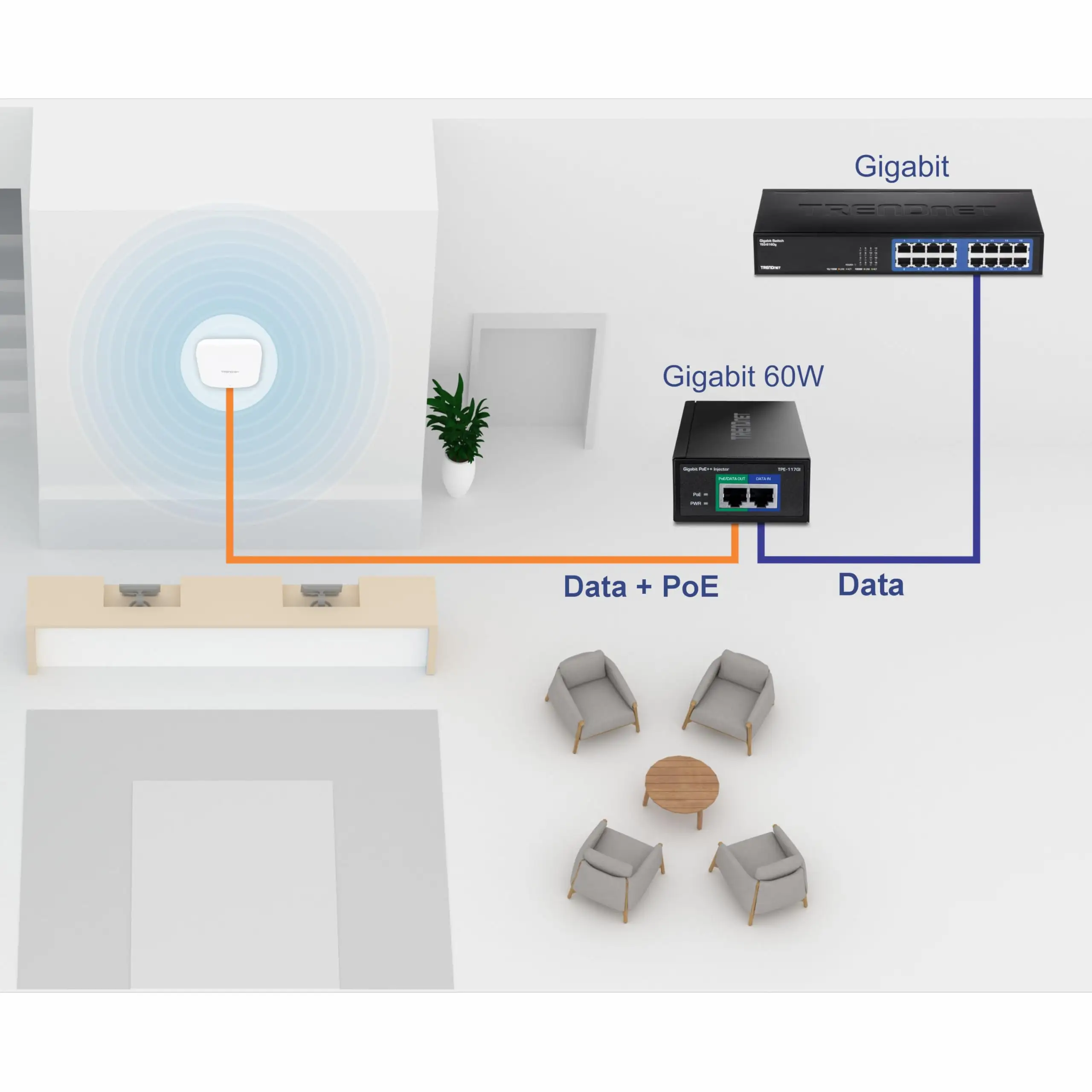
The clearest pattern is that people buy TRENDnet Gigabit PoE++ Injector-style devices to solve a specific headache: a PoE switch that can’t supply enough power, or a remote device with no nearby outlet. In those situations, the injector becomes a “single-device power upgrade” without replacing core network hardware. A reviewer on Revain described exactly that scenario: “i have a power hungry poe camera that couldn't power my poe switch … no more problems ! … making sure my switch no longer had to power the camera.” For homeowners running IP cameras or small businesses retrofitting an access point, this is the cleanest use case.
A recurring theme is reliability over time—especially when users already have one running and buy another. One reviewer on Revain framed it as repeat purchasing driven by low drama: “this is my second trendnet poe+ injector … the first has been working … for over 2 years without any problems … works fine too.” Even though that quote references a PoE+ injector variant, it’s part of the same “injector as a dependable tool” narrative people apply across TRENDnet injector models.
Noise and heat also show up as quality-of-life factors. For users trying to keep a home rack quiet, one Revain reviewer contrasted injectors with PoE switches: “i prefer injectors over poe switches because they are fanless … i try to keep all my network gear quiet.” Another described thermal behavior as reassuringly mild: “only gets slightly warm to the touch and has been working properly for about 8 months.” For apartments, bedrooms-as-offices, and small closets used as network hubs, “fanless” is more than a spec—it’s daily comfort.
Finally, several stories center on real-world interoperability when standards are respected. One Revain reviewer said their injector powers a Cisco access point with “more headroom,” implying less stress and heat: “slight increase in wattage … giving the power supply more headroom , less heat dissipation.” Another described it working with Axis gear where lesser adapters failed: “it worked great!” These stories matter most to installers mixing brands—cameras, WAPs, and phones from different vendors—where negotiation quirks can otherwise derail a deployment.
After those narratives, the feedback clusters into a few practical “why it works” themes:
- Stable power for demanding devices (“power hungry poe camera” problem solved)
- Quiet operation (“fanless” preference vs PoE switches)
- Real installation flexibility over long runs (“70 meters… smoothly”)
Common Complaints
The biggest complaint isn’t “it doesn’t power anything”—it’s that compatibility can be unpredictable when the wider setup isn’t standards-clean. One Revain reviewer delivered the harshest version of this fear: “i 've bought several of these switches and found that none of them work with the new 802 . 11 at standards … i wouldn't recommend buying this brand unless headaches and wasting time are enjoyable.” Even though the wording is muddled (“802.11 at” appears to conflate Wi‑Fi and PoE naming), the emotional takeaway is clear: some buyers hit confusing non-compatibility and feel vendor support didn’t resolve it.
Digging deeper into user reports, “compatibility” often means one of two things: the powered device doesn’t negotiate correctly, or the buyer paired gear assuming “same brand” guarantees seamless operation. A snippet aggregated on TheReviewIndex captures this kind of uncertainty: “it will not power up . … i can not be sure if this is the fault of the injector or the splitter but but they are both trendnet to be used together.” For IT generalists who just need a camera online, that ambiguity becomes time lost troubleshooting cables, splitters, and classification.
There are also complaints that are less about electronics and more about buying experience and expectations. A Revain reviewer mentioned “long wait,” while another listed “nice packaging” as a faint positive but not a performance factor. These aren’t universal, but they appear alongside otherwise positive functional reports—suggesting that shipping/retail context can color how people feel about the purchase.
Finally, price sensitivity emerges, especially when comparing injectors to other ways of adding PoE. Provantage’s summarized sentiment for TRENDnet injectors mentions “higher costs,” and for higher-power injectors it flags “expensive.” Users who just need a single low-power camera may see PoE++ pricing as overkill; users with high-draw endpoints tend to treat cost as the price of avoiding a full PoE switch replacement.
After those narratives, the complaint themes look like this:
- Standards/handshake confusion leading to “won’t work” scenarios
- Troubleshooting ambiguity (injector vs splitter vs device)
- Value concerns for buyers who don’t need high power
Divisive Features
“Compatibility” is where TRENDnet Gigabit PoE++ Injector experiences split most sharply. On one side are confident success stories—people powering gear that previously failed. A reviewer on Revain described a UniFi-related setup: “using the poe+ model to power a ubiquiti unifi flex poe … has been working for a month now with no problems.” Another described Axis gear that rejected other adapters but accepted this one: “it worked great!”
On the other side are users who interpret failures as a brand-level problem. The blunt Revain complaint—“none of them work … i wouldn't recommend buying this brand”—shows how quickly a single compatibility issue can turn into a total rejection, especially when support interactions feel dismissive. For buyers deploying this into a business environment under time pressure, that risk is what makes the product “conditional” rather than an automatic yes.
Trust & Reliability
The available “Trustpilot (Verified)” content in the dataset reads like product copy for the injector rather than verified user-written experiences, so there aren’t clear scam patterns or clusters of suspicious buyer stories to compile from that platform here. What does show up repeatedly in real user quotes is reliability framed as time-in-service: “over 2 years without any problems,” “working properly for about 8 months,” and “working for a month now with no problems” (all from Revain). Those are the closest “6 months later” style durability signals in the provided feedback.
Digging deeper into the tone of longer comments, reliability is often described as the absence of intervention: once installed, it becomes invisible. A reviewer on Revain emphasized the set-it-and-forget-it outcome after moving a load off a PoE switch: “run the camera cable and switch cable through this unit … back online.” For users doing remote camera runs or access points in hard-to-reach spots, “invisible uptime” is the real trust metric—even more than wattage.
Alternatives
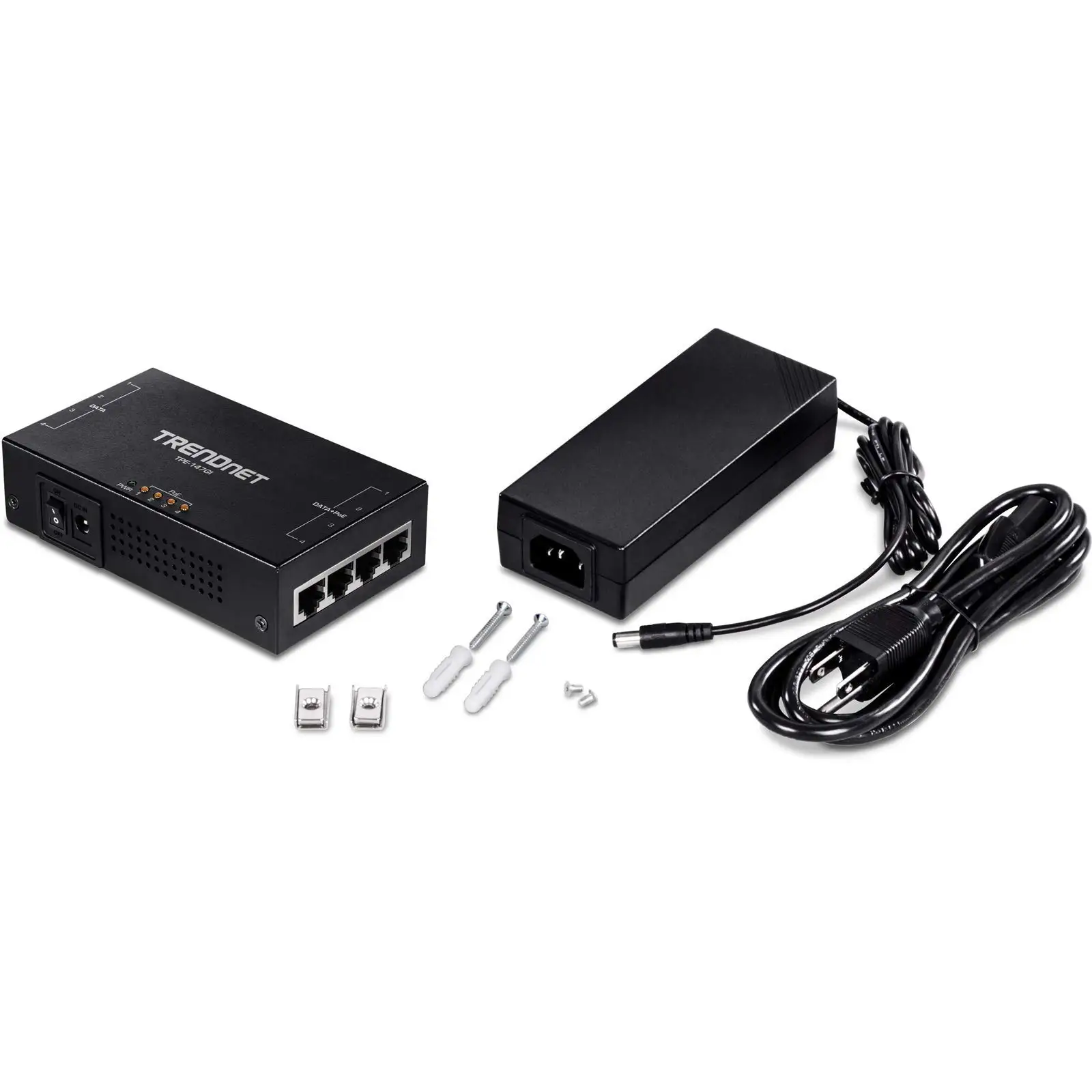
Only alternatives explicitly mentioned in the provided data are other TRENDnet injector models and the “PoE switch vs injector” decision users debated. For buyers who don’t need PoE++, the TRENDnet TPE-115GI (PoE+) shows up in multiple user stories as “works as intended” and a repeat purchase. A reviewer on Revain said: “this is my second trendnet poe+ injector … works fine too,” framing it as a dependable lower-power option.
If you need higher budgets, the provided sources describe TRENDnet TPE-117GI (60W PoE++) and TRENDnet TPE-119GI (95W PoE++) as stepping stones. Those descriptions come from TRENDnet/Provantage listings rather than user stories, but the implication for buyers is straightforward: the “right” injector is the one that matches your powered device’s draw and standards requirements, not the most powerful one by default.
Some users also position injectors as an alternative to PoE switches for noise reasons. One Revain reviewer explained their decision in practical home-lab terms: “i prefer injectors over poe switches because they are fanless.” So the real alternative isn’t necessarily another brand—it’s choosing between a single-port injector and replacing your switch.
Price & Value
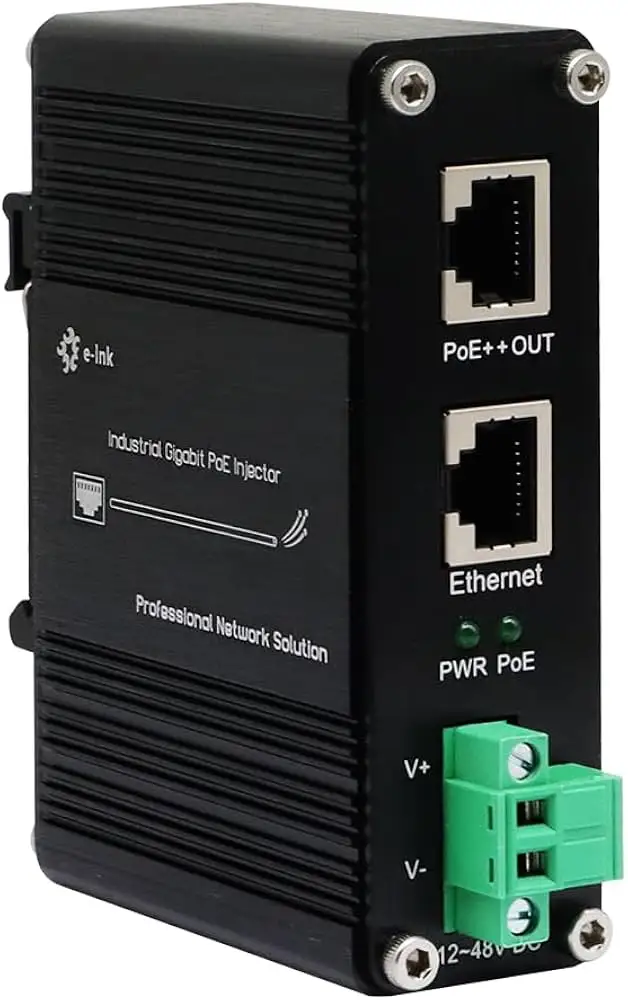
Pricing in the provided data spans a wide range depending on model, condition, and marketplace. For example, the TRENDnet hardened industrial injector listing shows $97.99 on Amazon for TI-IG30 (specs listing), while an eBay listing for a TRENDnet PoE+ injector product page shows resale-style pricing including “open box” and “pre-owned” options. That spread shapes the value debate: buyers who can source used/open-box may see injectors as a bargain fix; buyers paying new pricing for higher-wattage models may scrutinize compatibility more closely.
User value judgments track directly to whether the injector solves a specific power problem. A reviewer on Revain called it “good product for the price” after powering a demanding setup, while another framed it as cost avoidance—preferring injectors so they don’t have to buy a louder PoE switch (“fanless”). In contrast, summarized sentiment on Provantage warns of “higher costs,” suggesting that for some shoppers the premium only feels justified if it prevents downtime or avoids replacing other network gear.
Resale signals also show that these devices circulate: eBay listings mention multiple conditions and sellers, implying a secondary market where price can drop sharply—useful for budget-conscious home setups if you’re comfortable with non-retail packaging and return terms.
FAQ
Q: Does the TRENDnet Gigabit PoE++ Injector actually work as “plug-and-play”?
A: Often yes in real setups. A reviewer on Revain said it “took a few seconds to install” and solved a power issue: “voila , no more problems !” But other users describe negotiation/compatibility failures, especially with devices that require strict standards communication.
Q: Will it power a “power-hungry” PoE camera that my PoE switch can’t handle?
A: Many buyers use it for exactly that. A Revain reviewer wrote: “i have a power hungry poe camera that couldn't power my poe switch … no more problems!” The key variable is whether your camera and injector properly negotiate PoE class and wattage.
Q: How does it handle long cable runs?
A: Users report stable operation at substantial distances. A reviewer on Revain said it powered a security camera “at a distance of 70 meters … smoothly and without interruption.” Official product listings commonly describe operation up to 100m/328 ft, but the strongest evidence here is the real 70m story.
Q: Is it quieter than buying a PoE switch?
A: For some buyers, that’s the whole point. A reviewer on Revain said they prefer injectors because they’re “fanless” and keep gear “quiet,” contrasting them with many PoE+ switches that use fans. If your setup is in a living space, this can matter a lot.
Q: Are compatibility problems common?
A: They’re significant enough to be divisive. One Revain reviewer warned: “none of them work … i wouldn't recommend buying this brand unless headaches and wasting time are enjoyable.” Another user story shows the opposite outcome—Axis gear that rejected another adapter but accepted this one: “it worked great!”
Final Verdict
Buy if you’re powering a single high-power endpoint (PoE/PoE+/PoE++) and your priority is getting a stubborn camera, access point, or small switch online without replacing your whole network—especially if you value “fanless” quiet. Avoid if your environment has finicky standards negotiation or you can’t afford troubleshooting time; the harshest frustration comes from perceived incompatibility and support dead-ends.
Pro tip from the community: treat this as a “save the switch” device—one Revain reviewer used it so their switch “no longer had to power the camera,” and another emphasized standards handshake matters: “if proper communication is not established , it will not work.”