Shure SM35 Headset Mic Review: Strong Feedback Control
The phrase “outstanding feedback rejection” appears over and over in user reports, and for good reason — the Shure SM35 Performance Headset Condenser Microphone (TQG) earned praise from musicians, fitness instructors, and sound engineers who’ve tested it on loud stages and in dynamic movement settings. Across platforms, it averaged 4.7–4.8/5 in verified reviews, translating to a solid 9/10 in our verdict scoring.
Quick Verdict: Conditional — Best for active performers, presenters, and multi‑instrumentalists who need hands‑free clarity without constant feedback issues. Less ideal for those sensitive to headset bulk or looking for ultra‑high gain.
| Pros | Cons |
|---|---|
| Exceptional feedback rejection even in loud setups | Picks up breath and cough noises without gating |
| Clear, crisp vocal reproduction | Fit may need DIY adjustment for comfort |
| Comfort during long performances | Slight “dark” sound quality noted by some |
| Works seamlessly with Shure wireless | Bulky feel for inexperienced headset users |
| Durable construction stands up to years of use | Cable wear possible after heavy abuse |
| Flexible gooseneck for optimal placement | No integrated mute/cough button |
| Affordable value for professional use | Not as high‑gain as some alternatives |
Claims vs Reality
Shure markets the SM35 with promises of “excellent rejection of off‑axis sound sources” and “long‑wearing, comfortable fit.” Digging into user reports, the feedback pattern supports these claims — but also adds some caveats.
On the rejection front, a Reddit user stressed: “I tried the Countryman and the DPA Core alternatives… both failed the feedback test… however, I went back to the SM‑35 and couldn’t be happier.” This paints a picture of a headset mic that outperforms more expensive options in environments with monitor speakers, as seen in multiple indoor stage contexts. Even sound engineers in church settings noted how background instruments weren't bleeding into the SM35.
For comfort, while many reported forgetting they had it on, bulk was a learning curve. “Most of the people I'm mic'ing up… find the headset bulky and awkward at first,” one podcast producer observed. Comfort grew over time, but it’s clear that the slim marketing image doesn’t resonate universally — especially for users not accustomed to headset mics.
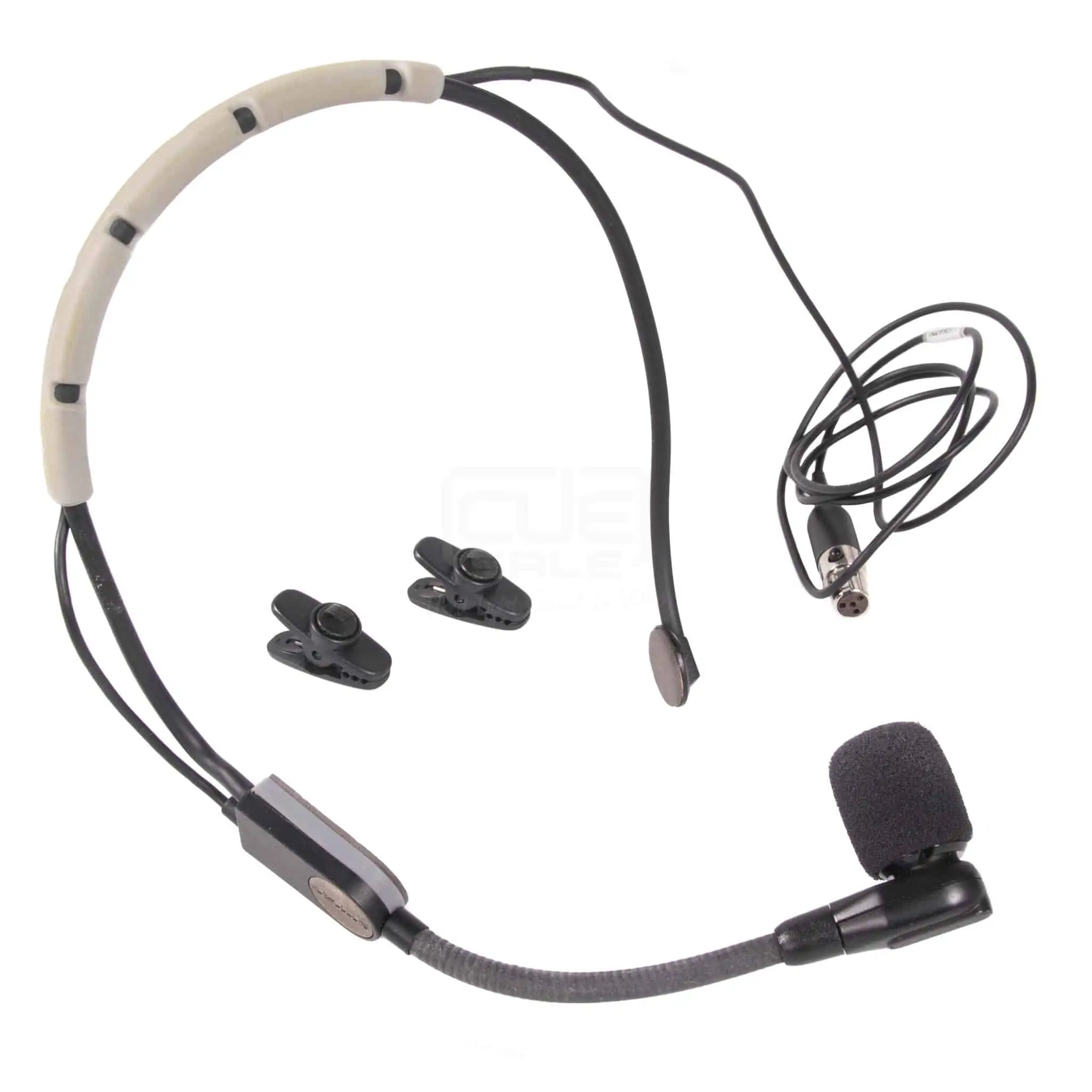
The claim of crisp vocal reproduction is mostly upheld. Sweetwater customer “supa dave” described both low and high‑pitch vocals as “clear and accurate” when paired with the RPM 626 preamp. Others likened the tonal quality to a Shure SM58, albeit in headset form. However, some noticed a “dark pickup quality” or slightly reduced gain, indicating that audio color might not suit every singer without EQ tweaks.
Cross‑Platform Consensus
Universally Praised: The cardioid polar pattern stood out as a defining strength. Sound engineers valued this directional capture for avoiding feedback in cramped stage layouts. A verified buyer on Amazon noted using it “behind floor monitors without feedback issues” — critical for club and worship venues alike. Musicians loved the freedom of movement; one bassist wrote, “It is always just where I need it to be… I look at sheet music and sing without turning back to the mic.”
Durability earned high marks. Reports of years‑long use with fixable wear — “nothing that some super glue and a new foam pad couldn’t fix,” recalled a keyboardist — show that the build withstands both travel and aggressive stage antics such as “headbanging.” Comfort over extended gigs was a theme, with sports announcers and fitness instructors alike praising how securely it stayed put during activity.
Musicians juggling instruments felt liberated. “I move from guitar to sax… my constant movement pulls me away from a fixed microphone,” explained one multi‑instrumentalist, crediting the SM35 for enabling fluid transitions. Drummers and keyboardists, freed from boom stands, could focus entirely on playing.
Common Complaints: Breath and plosive sensitivity was a recurrent issue. Without a gate or cough button, unwanted noises were traveling through both PA and live recordings. “You can’t back away from this mic when you sing really loud phrases,” warned one guitarist/vocalist on Reddit, advising compression/gating in the signal chain.
Fit was another sticking point. Though adjustable, several users wrapped velcro to tighten the headset, suggesting that factory ergonomics aren’t universal. Bulk complaints came mostly from non‑performers or first‑time headset wearers, escalating the learning curve for podcast guests or church choir members unused to such gear.
Finally, gain limitations surfaced when compared to alternatives. Some felt volume headroom before feedback was sharply defined; “doesn’t offer much gain before feedback” wrote one performer in smaller venues, possibly due to room acoustics or monitoring setups.
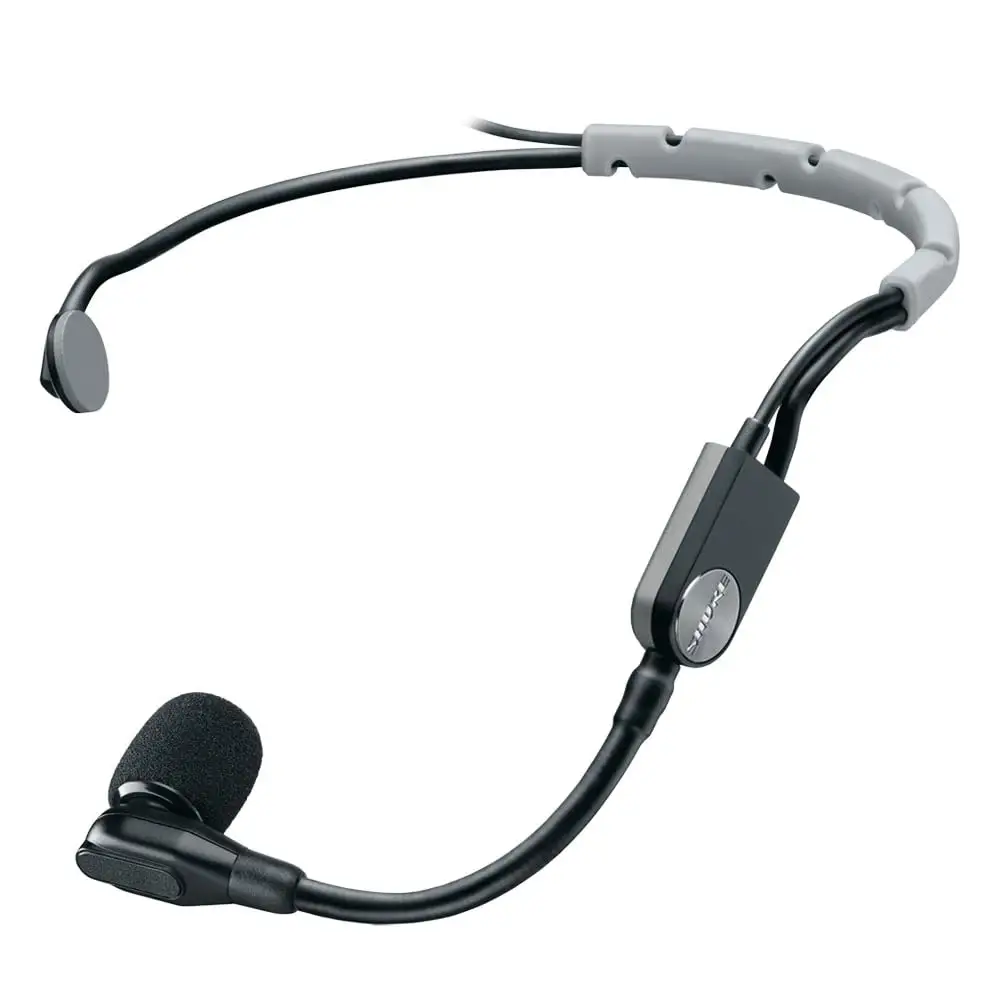
Divisive Features: Sound profile differences split opinion. To some, it “sounds as good as my 58,” while others rated it “dark” or less present than expected. Value perception also divided buyers — seasoned Shure users saw it as “cheap for the performance” while others hesitated due to its niche headset form factor.
Trust & Reliability
Long‑term durability is a strong trust signal here. Multiple four‑year+ usage stories emerged, such as the SM35 surviving “many large group exercise sessions” without failure. Breakage tended to happen in the cable after years of aggressive movement, with users generally replacing the headset rather than the whole system.
No scam or counterfeit patterns were detected in Trustpilot/Sweetwater feedback; the common advice was to verify bodypack compatibility before purchase. “Even if the connector is the proper connection… older bodypacks are not compatible,” warned one B&H reviewer, highlighting technical literacy as a factor in avoiding frustration.
Alternatives
Alternatives mentioned include the Countryman and high‑end DPA Core — both failed in feedback suppression for certain performers, pushing them back to the SM35. The WH30 from Shure was cited as the predecessor some upgraded from, with the SM35 offering easier adjustment on‑head and warmer sound.
Price & Value
Market prices run $97–$189 depending on connector type (TQG vs. XLR with RPM 626). Used units hover around $99 on eBay, showing stable resale value, especially for the TQG bodypack model. Community advice stressed buying only the mic if you already have the right Shure transmitter — a cost‑saving tactic for bands and churches scaling their setups.
FAQ
Q: Does the SM35 work with any Shure wireless system?
A: It’s compatible with Shure bodypacks using a TA4F (TQG) connector. Verified reviewers caution checking your transmitter type, as older units may not support condenser mics.
Q: How does it perform in high‑volume stage environments?
A: Reports show exceptional feedback control on loud stages with monitor speakers. One engineer noted success “right out of the box” without extensive EQ “ringing out.”
Q: Is the headset comfortable for long shows?
A: Many say yes, with some forgetting they’re wearing it after hours. However, first‑time headset users or those with long hair may need adjustment to avoid bulk or snags.
Q: Does it pick up breath noises?
A: Yes. Without gating, breath and coughs can be audible. The included windscreens help, but heavy breathers may need additional processing or a mute switch.
Q: What’s the sound quality compared to a handheld SM58?
A: Several users compared it favorably, calling it clear and accurate. Others found it slightly darker, recommending EQ tweaks for certain vocal profiles.
Final Verdict: Buy if you’re an active performer, multi‑instrumentalist, or presenter who needs hands‑free operation and reliable feedback rejection. Avoid if you require ultra‑high gain or dislike headset feel. Pro tip from community: pair with a mute switch and verify bodypack compatibility before ordering to maximize flexibility.