Shure PGA31-TQG Review: Great Value, Comfort Caveats (8/10)
“‘It’s not even worth looking at anything until you get to around the $150 to $200 price point.’” That’s the kind of value claim that keeps showing up around the Shure PGA31-TQG Headworn Cardioid Condenser Microphone—right alongside blunt complaints that it’s “very uncomfortable.” Verdict: a strong budget headset mic with real comfort and fit caveats. Score: 8/10.
Quick Verdict
For the right user, Shure PGA31-TQG Headworn Cardioid Condenser Microphone is a Yes—conditionally.
A recurring pattern emerged across Sweetwater reviews: people buy it to get off a mic stand (worship, school gyms, outdoor instruction, stage guitarists), and many feel it delivers “clarity” and “gain before feedback” that punches above its price. At the same time, the headset fit and physical ergonomics can be a deal-breaker for some, especially with glasses, long hair, or larger heads.
Digging deeper into the most detailed comments, the mic’s perceived performance often depends on placement and expectations. One reviewer explicitly called out positioning: “I place it slightly down and facing inwards around my chin area… positioning the mic is important to cut down on breath noise,” suggesting results aren’t fully plug-and-play.
| Decision | Evidence from user feedback (with source) |
|---|---|
| Best for budget hands-free vocals/speech | Sweetwater reviewer said: “for the price they are incredible.” (Sweetwater) |
| Strong clarity/understandability for audiences | Sweetwater reviewer said it made speakers “more understandable… with clarity.” (Sweetwater) |
| Comfort is inconsistent | Sweetwater reviewer wrote: “very uncomfortable… just all around bad.” (Sweetwater) |
| Cable length surprises some buyers | Sweetwater reviewer said: “the chord didn’t even reach my feet… useless without a wireless pack.” (Sweetwater) |
| Works well in varied venue sizes (per some users) | Sweetwater buyer: “50+ people… and in an 750 seat auditorium… performed well.” (Sweetwater) |
Claims vs Reality
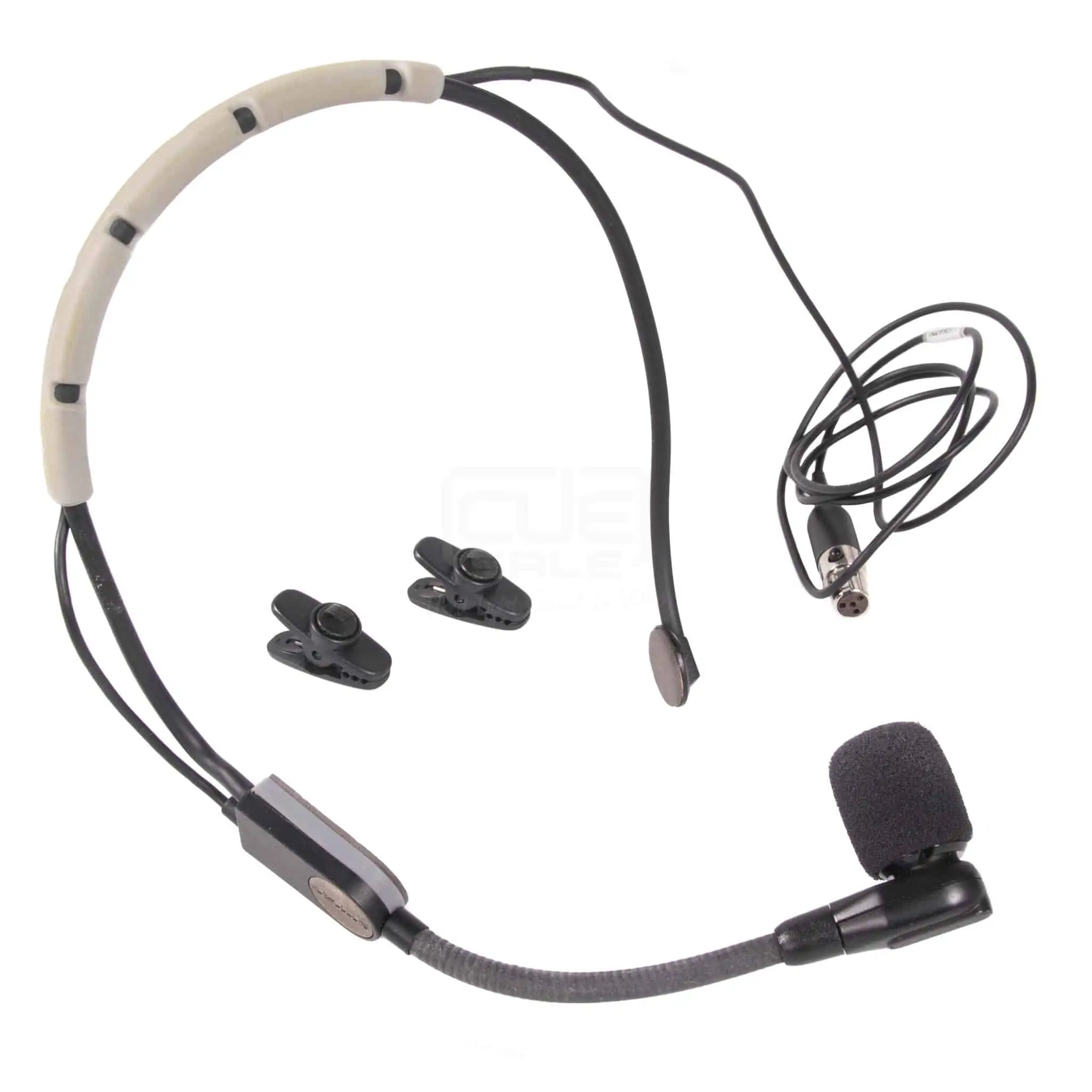
Shure markets the Shure PGA31-TQG Headworn Cardioid Condenser Microphone as a “cardioid headset condenser microphone” offering “clear and reliable hands-free audio,” with a “wearable wireframe headset” that “fits securely,” plus “excellent off-axis rejection” for “higher gain-before-feedback.” (Shure UK product page)
Digging deeper into user reports, the “clear” part shows up repeatedly in real-world settings like churches and gyms. A Sweetwater reviewer described being “completely blown away” by “powerful and deep” sound “with no distortion or feedback,” and another called the audience effect “like day and nite” versus handhelds and podium mics. (Sweetwater)
But the comfort and “fits securely” messaging has friction. Several reviewers describe physical strain: one wrote the design “grips my head slightly too tight and can get tiresome,” and another was more blunt: “very uncomfortable… the mic is nt long enough… just all around bad.” A separate user mentioned having to remove it after several nights because it “digs into your head.” (Sweetwater)
Shure’s cardioid/off-axis rejection claim aligns with many positive accounts—yet not universally. One highly negative reviewer (with extensive sound-system context) called it “one of the worst headsets ever made” and said they “worked every way to mix all frequencies” without success. That contradiction suggests environment, EQ skill, expectations, and possibly fit/placement can swing outcomes dramatically. (Sweetwater)
Cross-Platform Consensus
Universally Praised
The loudest consensus point around the Shure PGA31-TQG Headworn Cardioid Condenser Microphone is value-for-money—especially from people who need a headset for active performance but can’t justify premium headset pricing. One Sweetwater reviewer framed it as a category threshold: “it’s not even worth looking at anything until you get to around the $150 to $200 price point,” adding that unless you “really need… omnidirectional,” you should “save yourself the money and get this.” For budget-conscious singers and presenters, that’s a clear “good enough to stop shopping” narrative. (Sweetwater)
Clarity and audibility are another recurring win, particularly for instructors and speech-forward use cases. A Sweetwater reviewer buying for a cardio class teacher said the upgrade delivered a “huge boost” in “volume and clarity,” and the class itself reportedly echoed it: “I used to struggle to hear you… but this new one is fantastic, i never missed a word!” That story maps directly to a user persona: in echo-heavy gyms or loud rooms, being heard without shouting is the whole point. (Sweetwater)
For stage performers who want freedom of movement, multiple users describe it as stable enough once adjusted. A Sweetwater rock singer/guitarist called it “light, easily adjustable, doesn’t shift on your head,” and said after EQ to remove a “slight ‘boxy’ sound,” it became their “mic of choice.” Another buyer using it for vocal skits highlighted the benefit of consistent level while turning the head: “when the talent turns their heads the sound doesn’t drop in volume,” crediting condenser clarity and cardioid pickup working well with the PA. (Sweetwater)
- Most repeated praise themes: “incredible value,” “clarity,” “gain before feedback,” stability once positioned (Sweetwater)
Common Complaints
Comfort problems show up often enough to treat as a core risk, not an edge case. Multiple Sweetwater reviewers describe pressure points: “grips my head slightly too tight,” “digs into your head,” and “very uncomfortable.” For users who wear glasses or have long hair, the fit becomes more complicated; one buyer said it was “kind of tricky to get it seated… without pressing on the side of my glasses,” while another group noted a vocalist had “trouble adapting her long hair and glasses to the mic.” That complaint isn’t about sound—it’s about whether you can keep it on for a full set or service. (Sweetwater)
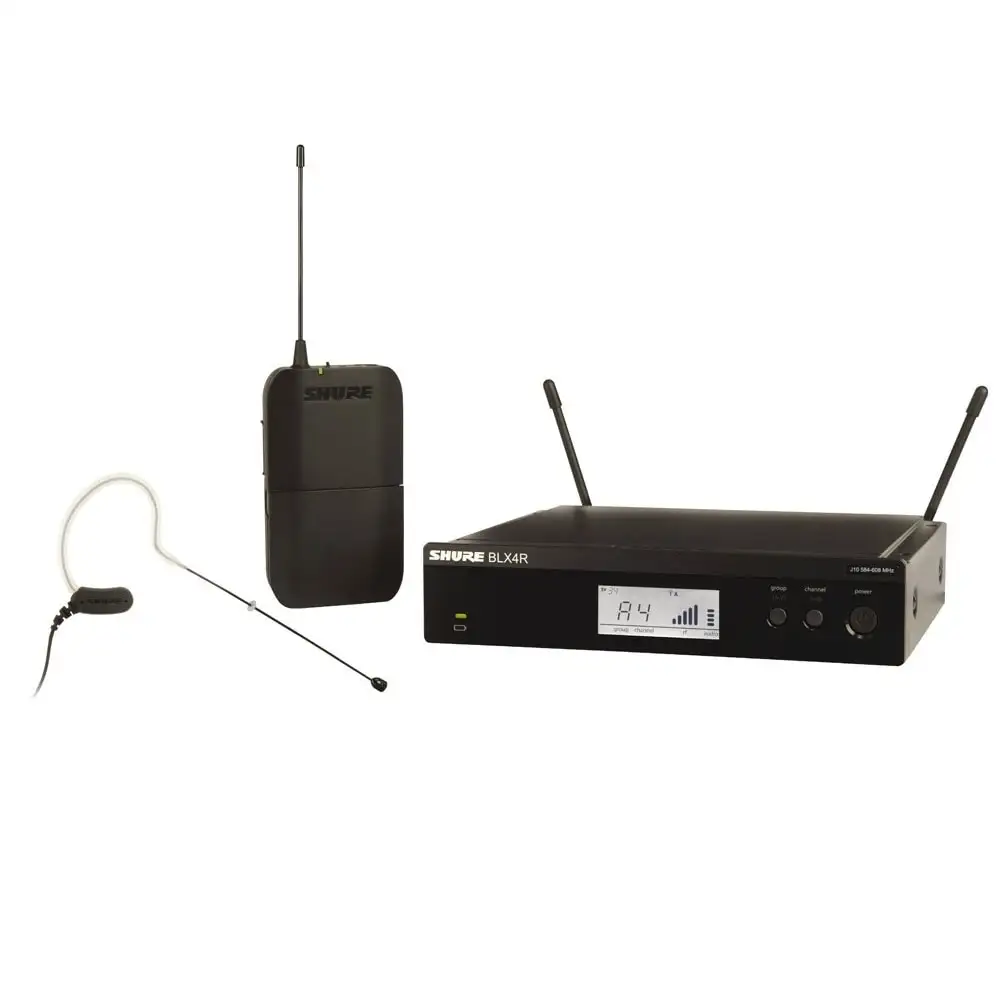
Cable length is a second recurring frustration—and it has a specific impact: people expecting a more stand-alone wired experience feel blindsided. One Sweetwater reviewer wrote: “the chord didn’t even reach my feet… completely useless without a wireless pack.” Another called out that the mic “doesn’t even reach my feet” and questioned the design choice. For presenters planning a simple wired run, that complaint implies an extra purchase or a changed setup. (Sweetwater)
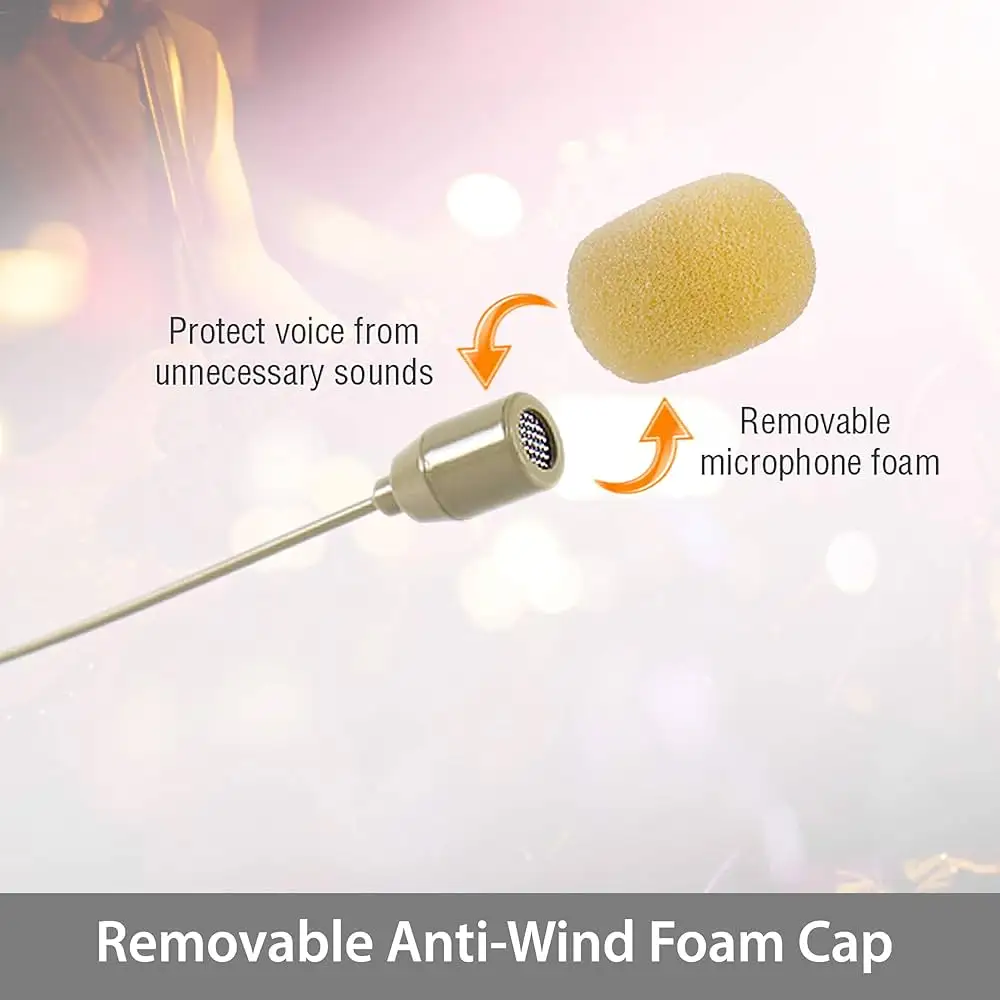
Hardware quirks come up too, particularly around the windscreen and adjustability. One reviewer said the windscreen “can freely rotate… doesn’t affect the sound just annoying,” while another noted that if the mic “gets angled at all, it’s hard to reset due to the looseness of the wind screen.” There’s also a complaint that it’s “not very adjustable… designed to be worn one way only,” which can matter for theatre blocking or users who need right-side routing. (Sweetwater)
- Most repeated pain points: tight fit/pressure, short cable expectations, windscreen annoyance/looseness, limited wear-direction adjustment (Sweetwater)
Divisive Features
The same “snug fit” that some interpret as stability, others experience as discomfort. One Sweetwater reviewer praised that “the head mic fits snugly,” while another said it “grips my head… too tight” and becomes “tiresome.” For active performers (marching band instruction, worship movement, guitarists moving around), snugness can feel like security; for long gigs or larger heads, it becomes a physical fatigue issue. (Sweetwater)
Sound quality also splits depending on expectations and mix context. Several users rave—“sound is fantastic,” “no distortion or feedback,” “true audio sound”—but one long-experience reviewer called it “one of the worst headsets ever made,” concluding “you get what you pay for.” Another drummer said it “worked decently at first gig” but quickly required constant readjustment until they “gave up.” Taken together, the divisiveness reads less like random noise and more like setup sensitivity: mic placement, EQ, and how well the headset stays positioned for the wearer. (Sweetwater)
- Where opinions split: comfort vs secure fit; “outstanding clarity” vs “not flattering for vocals” depending on use and expectations (Sweetwater)
Trust & Reliability
Sweetwater feedback includes long-term and repeated-use narratives that speak to durability more than a single session. A marching band/outdoor instruction user called it their “go-to headset,” saying they “put them through the ringer each year” and that “when taken care of properly, they last a long time and are very reliable.” That same reviewer added a practical longevity tip: “Coil your cords appropriately and they will last a couple of years!” (Sweetwater)
Reliability is also framed in terms of consistent performance across venue sizes. One buyer reported using multiple units in “small settings of 50+ people” and “in an 750 seat auditorium,” saying “they performed well.” Another praised it as a headset that made speech more intelligible for audiences when moving around stage areas, implying stable results in typical event use. (Sweetwater)
While the dataset includes “Trustpilot (Verified),” the content shown is the same Sweetwater review feed rather than distinct Trustpilot verification details. The reliability picture here is therefore dominated by Sweetwater stories: strong if cared for, but with a real comfort/fit tax that can indirectly impact perceived “reliability” (because slipping/pressure leads to readjustment). (Sweetwater)
Alternatives
Competitors mentioned directly by users in the provided data include Shure’s SM35 and Beta 58 comparisons, which give a narrow but useful lens.
One Sweetwater rock singer explicitly compared it to the Shure SM35 and came down hard in favor of the PGA31: “It is far superior than the heavy and wobbly sm 35,” describing “2 days trying to cut the feedback down” with the SM35 and concluding it “wasn’t even in the same ballpark.” For performers chasing gain before feedback and a lighter feel, that user story argues the PGA31 can outperform pricier expectations in specific setups. (Sweetwater)
Another buyer noted their vocalist previously used a Shure Beta 58 and described the headset as “a step down,” but still “very acceptable,” emphasizing it was “sensitive to the voice yet rejects off axis sound well.” That suggests an “acceptable compromise” alternative story: you trade some of the Beta 58’s familiar vocal character for hands-free freedom and practical intelligibility. (Sweetwater)
Price & Value
Price perceptions in the provided data cluster around “budget Shure headset that works.” Shure’s own pricing references include £89 on Shure UK and S$89 on Shure Singapore pages for the PGA31 headset microphone, reinforcing its “affordable” positioning in official materials. (Shure UK; Shure Singapore)
On the market side, eBay listings show new units commonly appearing around the high-$40s to $70 range in the snippets provided, including “$48.95 new” and “list price $69.00” in an eBay seller listing, plus bundles like “Shure BLX 14 / PGA 31” systems priced much higher. For budget buyers, that spread implies two paths: buy the headset alone if you already own compatible Shure bodypacks, or pay significantly more for a complete wireless system. (eBay)
Community buying advice shows up indirectly through complaints: if you expect a long wired run, multiple users imply you should plan around a bodypack setup. One reviewer’s frustration—“useless without a wireless pack”—functions as a cautionary “buying tip” disguised as a complaint. (Sweetwater)
- Buying angle suggested by user stories: best value when you already have a Shure-compatible bodypack; don’t assume it’s meant to run like a long-cable wired mic (Sweetwater, eBay)
FAQ
Q: Is the Shure PGA31-TQG comfortable for long sessions?
A: It depends heavily on fit. Some Sweetwater reviewers say it “fits snugly,” but others report it “grips my head… too tight” and is “very uncomfortable,” especially with glasses. If you’re teaching or performing for hours, comfort complaints are common enough to plan for adjustment time. (Sweetwater)
Q: Does it actually help with gain before feedback like a cardioid headset should?
A: Many users say yes in real venues. A Sweetwater rock singer praised “gain before feedback,” and another buyer said they were “blown away” with “no distortion or feedback.” But one reviewer called it “one of the worst headsets ever made,” suggesting results can vary with EQ, placement, and room setup. (Sweetwater)
Q: Can I use it as a normal wired microphone without a bodypack?
A: Several users warn against expecting that. One Sweetwater reviewer complained the “chord didn’t even reach my feet” and called it “completely useless without a wireless pack.” The provided product descriptions also frame it as connecting to Shure bodypacks via TA4F (TQG). (Sweetwater; Shure/Amazon listing text)
Q: Is it good for instructors (gyms, cardio classes, PE)?
A: Multiple stories point to strong speech clarity. A Sweetwater buyer said it gave a “huge boost” in “volume and clarity,” with the class saying “i never missed a word!” Another music teacher said the “sound is fantastic” in a “booming, echo-filled gym,” helping avoid vocal strain. (Sweetwater)
Q: What should I expect for vocal tone compared with handheld mics?
A: Expectations vary by user. One buyer coming from a Shure Beta 58 called it “a step down” but still “very acceptable.” Another said it’s “not too flattering for vocals,” while others praise it as “true audio sound” with “clarity.” Some mention EQ to reduce a slight “boxy” sound. (Sweetwater)
Final Verdict
Buy the Shure PGA31-TQG Headworn Cardioid Condenser Microphone if you’re a worship vocalist, instructor, or active stage performer who prioritizes hands-free clarity and value—and you’re willing to spend time on fit and mic positioning. Sweetwater reviewers repeatedly describe “outstanding” clarity and “incredible value,” with some calling it their “go-to headset” for demanding use. (Sweetwater)
Avoid it if headset comfort is your top priority or you already know tight headsets trigger fatigue; multiple users call it “very uncomfortable,” and several mention pressure with glasses or larger heads. Also avoid it if you expect a long wired cable run; one buyer’s warning was blunt: “completely useless without a wireless pack.” (Sweetwater)
Pro tip from the community: “Coil your cords appropriately and they will last a couple of years!” (Sweetwater)