Shure BLX1 H9 Bodypack Review: Great Sound, Mixed Durability
A verified buyer on Amazon summed up the Shure BLX1 Bodypack Transmitter (H9 Band) in one line: “Perfect. Exactly what we needed… three years of relatively heavy use with no issues at all.” Yet, dig deeper and the picture is more nuanced. This wireless bodypack earns strong marks for sound clarity and ease of setup, but durability concerns and occasional failures keep it from being flawless. Final score: 8.3/10.
Quick Verdict: Conditional — Excellent for entry-level to mid-range performers, less ideal for heavy, professional touring.
| Pros | Cons |
|---|---|
| Clear, crisp audio quality across various mics | Lightweight plastic housing feels fragile |
| Easy frequency matching and setup | Battery gauge absence frustrates some users |
| Long battery life (up to 14 hours) | Intermittent power failures reported |
| Versatile TQG connector for different mics/cables | Warranty/customer service experience mixed |
| Comfortable, ergonomic design | Occasional range/noise issues beyond 50 feet |
| Affordable for its performance level | Repairs can be costly and slow for units failing early |
Claims vs Reality
Shure promotes the BLX1 as offering “professional quality sound with simple set up” and up to 14 hours of continuous use on two AA batteries. Multiple owners back this up. One Trustpilot reviewer said: “Received product on time… worked excellent clean clear crisp sound.” This reflects a key marketing promise — clean audio right out of the box.
Where reality diverges is in construction quality. While marketed as “rugged and reliable,” Reddit user feedback often notes the “very lightweight plastic with a small switch on top,” sparking doubts about longevity. An Amazon customer contrasted Shure with pricier rivals, saying, “Plastic housings and battery doors are not as robust as the more expensive Sennheiser alternative.”
Another claim — “300 ft operating range” — meets mixed feedback. One Amazon buyer found excellent quieting and performance at 25 feet but reported “subject to noise” near 50 feet, far short of the stated maximum range in certain environments.
Cross-Platform Consensus
Universally Praised
Ease of setup emerges as the most consistently celebrated trait. Users across Amazon, Sweetwater, and Crutchfield highlight the intuitive pairing process. A Sweetwater buyer shared, “First time using wireless, but it was very easy to set up. It maintains my tone well.” This quick learning curve makes the BLX1 ideal for weekend bands, fitness instructors, and community theater techs who need functional gear without complex configuration.
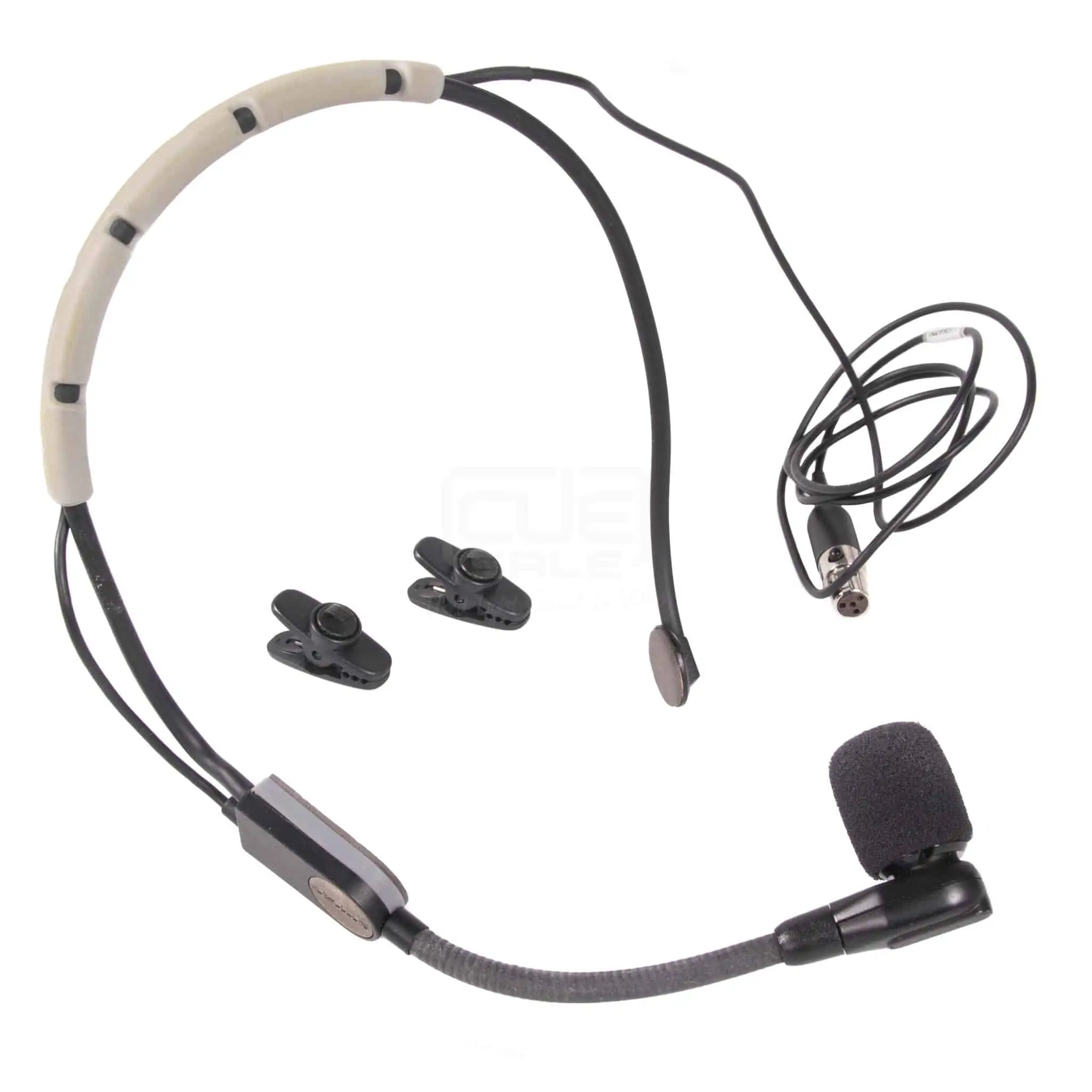
Sound quality earns broad consensus praise. In both lavalier and headset arrangements, customers describe “excellent sound, volume, and range” (Trustpilot). One Sweetwater user noted using it with a Shure SM58 handheld and PGA31 headset: “Both microphones performed quite well… transmit levels easy to set even without a technical meter.”
Battery endurance is frequently validated. Even demanding use cases like classrooms and performance halls note longevity “from sunrise to sunset” without swapping batteries — valuable for instructing, stage acting, or multi-set gigs.
Common Complaints
Durability is the chief sticking point. Reports describe units that “stop working… after 5–10 uses” or requiring repair within a year. Amazon user “i bought this mic pack to use… it broke in July 2022” recounted a frustrating repair loop, ultimately confronting a repair bill despite purchase under warranty expectations. Cases of battery compartment corrosion within 30 days also appear, particularly in high-humidity, fitness-class environments.
Another chronic irritation is lack of battery level indication. Multiple Sweetwater reviewers note “no way to know the amount of battery life you have,” leaving users anxious during events.
Range is context-sensitive. While some exceed 100 feet through walls, others lose signal beyond 50 feet in auditoriums. This inconsistency affects touring musicians or presenters in large spaces, who might expect uniform performance.
Divisive Features
The lightweight polymer body is comfortable for extended wear, but opinions split. Many enjoy the “slim line unit” and reduced antenna break risk, while others view it as a symptom of lower build quality. For fitness instructors and mobile performers, that lightness eases movement; for pro gigging musicians, it raises concerns about standing up to road wear.
Gain control and frequency matching are generally liked, yet advanced users sometimes wish for more pro-grade metering and locking options — features found in higher-tier Shure or competitor units.
Trust & Reliability
Long-term durability is mixed. The strongest endorsements center on multi-year, issue-free operation when handled with care. As one Amazon buyer wrote, “3 years of relatively heavy use… no issues at all.” However, Trustpilot threads reveal recurring early failures, particularly in power switching. Fitness and theater professionals using units intermittently but intensively report failures inside the first year.
Customer service perception varies sharply. While some commend “the best customer service bar none,” others document repair disputes, unclear warranty coverage, and unexpected costs. This inconsistency erodes trust for heavy-use buyers seeking airtight support.
Alternatives
Shure’s own higher-end wireless lines (GLX-D, SLX) provide sturdier builds and advanced features, often at double the BLX1’s price. An Amazon customer directly compared build robustness to Sennheiser, implying the BLX1 suits budget-conscious users but may be less ideal for tour-grade reliability. If consistent 300-ft range and gallium-tough casings matter, users lean toward competitor models, accepting higher cost for peace of mind.
Price & Value
Current pricing on Amazon and eBay hovers around $149 new, with open-box deals dipping to $130–$140. This affordability makes BLX1 appealing as an expandable component, especially for those with existing Shure BLX receivers. Used units retain fair resale value if functioning well, but corrosion or switch issues sharply reduce market demand.
Buying tips from the community stress matching the H9 frequency band to your receiver’s band code — mismatched gear won’t sync, as one Amazon buyer learned the hard way: “Frequency was incorrect and did not work… reverse logistics was seamless.”
FAQ
Q: Does the BLX1 include a microphone?
A: No. It’s the transmitter only. Users must connect it to a compatible Shure lavalier, headset, instrument mic, or guitar cable via its TQG connector.
Q: How accurate is the 300-ft range claim?
A: In optimal line-of-sight conditions, users achieve well over 100 ft, sometimes near 300 ft. But in auditoriums or RF-heavy environments, performance may drop to around 50 ft.
Q: Can it survive heavy touring?
A: Handle with care — many weekend performers report years of trouble-free use, but pros warn the lightweight plastic housing may not endure constant road wear.
Q: How long does the battery last?
A: Commonly praised for delivering close to Shure’s stated 14 hours per pair of AA batteries, though without an onboard meter, charge tracking is manual.
Q: Is setup beginner-friendly?
A: Yes. Quick frequency matching and intuitive controls make it a favorite for first-time wireless mic users.
Final Verdict: Buy if you’re an entry-level to intermediate performer, instructor, or small venue tech needing affordable, great-sounding wireless freedom. Avoid if you demand ultra-rugged gear for daily touring or rely on guaranteed customer service turnaround. Pro tip from community: Match your receiver’s band perfectly and keep spare batteries to offset the lack of a meter.