Rayovac High Energy D Batteries Review: Mixed Verdict
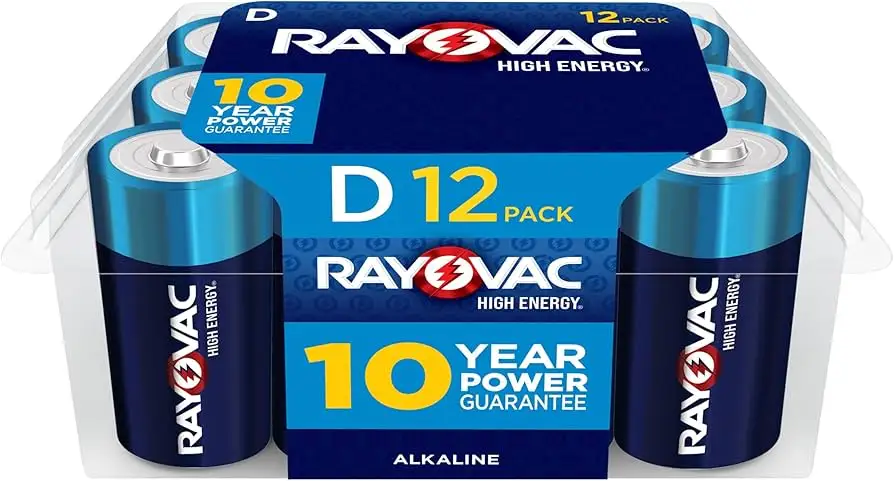
Starting with a surprising contrast, the Rayovac High Energy D Batteries (12 Pack) earn a solid 8/10 from users despite scattered reports of leakage and warranty disputes. While marketed as a cost-effective, long-lasting alternative to brands like Duracell, real-world use shows both impressive endurance in certain devices and frustrating early failures in others.
Quick Verdict: Conditional Buy
| Pros | Cons |
|---|---|
| Long-lasting in many household devices | Reports of leakage within a year |
| Holds power for up to 10 years in storage | Warranty claims difficult to honor |
| Costs significantly less than competing brands | Some devices report premature low battery warnings |
| Reliable in extreme temperatures | Divisive performance in high-drain electronics |
| Made in USA with global parts | Mixed consistency between batches |
| Leak-resistant design tested before shipping | Limited trust due to customer service issues |
Claims vs Reality
Rayovac advertises these D cells as holding power for up to 10 years in storage, engineered for professional equipment, and delivering "Duracell power at a budget-friendly price." The official specs even note extreme temperature resilience from -20°F to 130°F.
Digging deeper into user reports, the 10-year storage claim generally holds true for fresh stock. A verified buyer on Amazon noted: "Ordered online... delivered with manufacture dates of Dec 2022... used them to replace expired batteries... all work properly now after testing." This supports the storage promise when the product is new. However, Trustpilot feedback tells another story—Linda H. wrote: "They corrode after less than a year... company makes you jump through hoops... will not honor the warranty." This raises questions about whether leak resistance is consistent across all batches.
The promise of professional-grade performance also meets mixed reality. Reddit user reports for similar Rayovac cells show impressive longevity in low-drain devices—one noted that a mantle clock using Rayovac C cells lasted four months compared to two months with Duracell or Eveready. Yet others found early failures: "Put new battery in stud detector... after 5 minutes detector flashed low battery." These cases undermine the "powers your devices longer" claim, especially for high-drain tools.
Cross-Platform Consensus
Universally Praised
Across Amazon and Home Depot reviews, longevity in specific household applications emerges as the strongest point. Smoke detectors, wall clocks, and flashlights appear to benefit most. A Home Depot customer wrote: "Works well in smoke detector devices... good value and good battery life." For budget-conscious buyers, the price advantage is a recurring theme. Slickdeals users highlight deep discounts, one noting: "$11.90 for 12 count... way better than Lowe's BF sale."
Performance in extreme temperatures also earns praise from outdoor and industrial users. BatteryJunction notes these cells operate reliably in both intense heat and cold, making them suitable for camping lanterns or worksite flashlights. This feature matters for field workers and hikers who need dependable cold-weather performance without premium brand pricing.
Common Complaints
Leakage is the single most damaging complaint. Trustpilot’s Linda H. described corrosion in under a year, claiming Rayovac blamed “different expiration dates” in mixed-use setups. Slickdeals forum members warned, "They should label these leakers... worst experience with batteries ever." Such failures not only ruin devices but erode brand trust.
Premature low battery signals are another frustration, particularly for high-drain electronics. This affects tradespeople using stud detectors or portable fans. While officially tested twice prior to shipment, some batches seem unable to sustain voltage under load, leading to device shutdowns long before expected.
Divisive Features
The budget-friendly price draws two camps—those who accept occasional issues for savings, and those who see leakage risks as deal-breakers. Many Amazon buyers praise value, while others on Slickdeals and Trustpilot vow never to buy again. The durability gap between low-drain and high-drain performance creates polarization: toy owners and clock users often report satisfaction, but photographers and contractors lean toward more expensive brands for reliability.
Trust & Reliability
Trustpilot’s single but scathing review reflects a wider skepticism about Rayovac’s warranty process. Linda H. claimed the company rejected her claim over mixed expiration dates—information she says was not disclosed on packaging. This incident, paired with forum leakage warnings, suggests the leak-resistant marketing may not hold universally.
That said, Reddit and Home Depot feedback show multi-month device operation without incident, particularly in smoke alarms and clocks. These long-term stories suggest that while failures exist, they are not inevitable. The reliability divide may hinge on storage conditions, device type, and batch quality—variables that budget buyers often overlook.
Alternatives
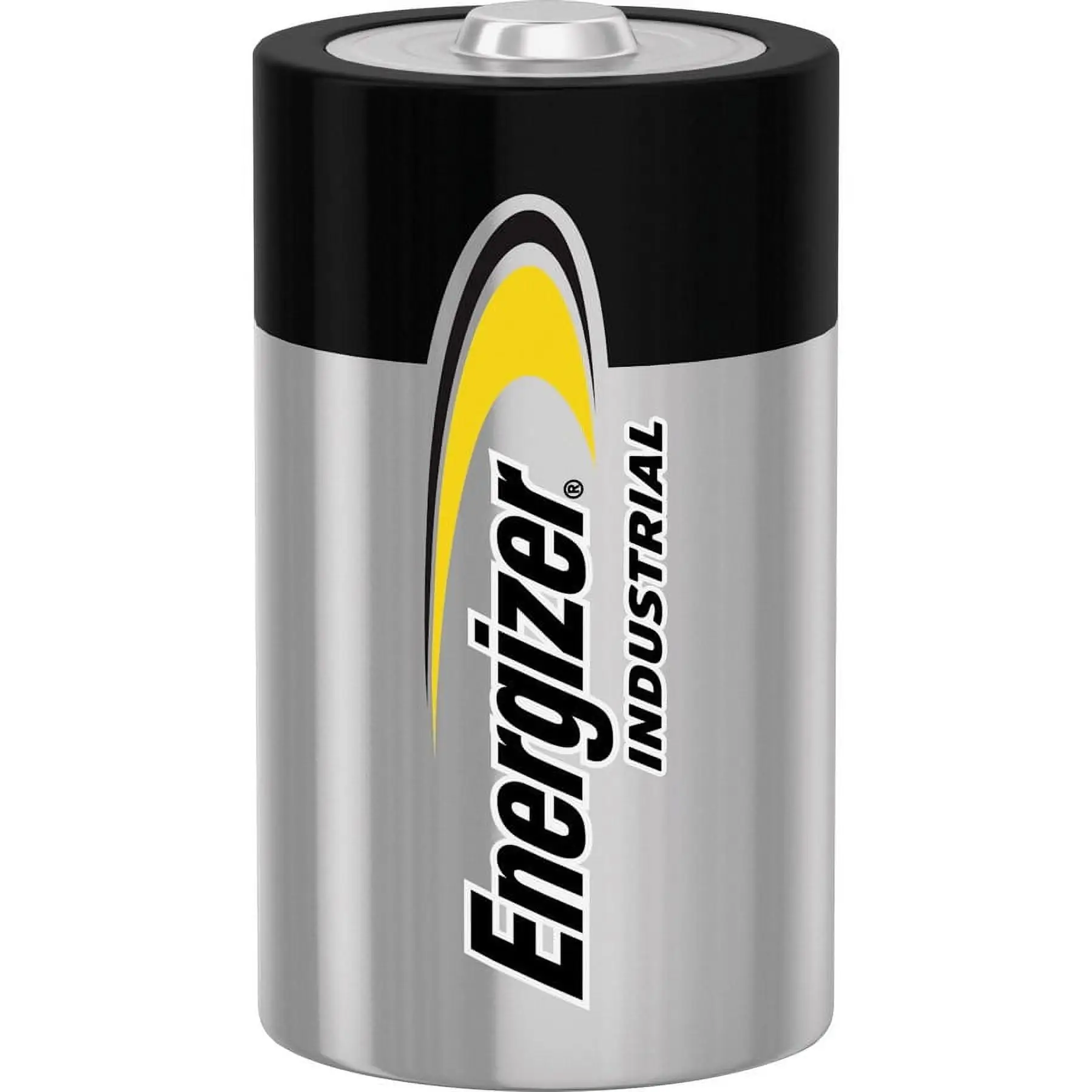
Competitors mentioned in user discussions include Duracell Coppertop, Eveready, and Energizer Industrial. Duracell earns consistent praise for high-drain performance but at a higher price—often nearly double Rayovac’s per-cell cost. Energizer’s leak guarantee is cited as a confidence factor for those burnt by Rayovac corrosion. Eveready, while cheaper, showed shorter runtimes in anecdotal mantle clock tests compared to Rayovac.
For industrial and outdoor use, BatteryJunction lists Rayovac alongside Energizer Industrial, positioning it as a viable secondary option when budget is critical and extreme temperature resilience is needed.
Price & Value
At the time of review, eBay listings show Rayovac High Energy D Batteries (12 Pack) hovering around $16.96 to $20.12, with sale drops as low as $11.90 noted by Slickdeals members. Amazon pricing sits near $20.10, breaking down to $1.68 per cell—substantially less than Duracell equivalents.
Resale and bulk value also appear on eBay, with cases of 105 cells priced at $145-$150, attracting businesses and institutions needing large quantities. Community tips emphasize checking manufacture dates before purchase to maximize storage life and avoiding mixed-date usage to sidestep potential warranty disputes.
FAQ
Q: Do Rayovac High Energy D Batteries really last 10 years in storage?
A: Many users confirm long shelf life when bought fresh, but leakage reports within a year suggest storage conditions and batch quality can impact longevity.
Q: Are these batteries safe to use in high-drain devices?
A: Performance varies—some report excellent results in flashlights, others see early low-battery warnings. High-drain users may prefer premium brands for critical gear.
Q: How does Rayovac handle warranty claims?
A: Trustpilot feedback indicates a challenging process, with some claims denied over issues like mixed expiration dates, even if not disclosed on packaging.
Q: Do Rayovac D batteries leak more than other brands?
A: Several users report leakage incidents, but others note all major alkaline brands can leak if overdischarged. Preventive removal when not in use helps reduce risk.
Q: What’s the best use case for these batteries?
A: Ideal for low- to medium-drain household devices where cost savings outweigh occasional performance variance, such as clocks, smoke detectors, and lanterns.
Final Verdict: Buy if you’re a budget-conscious homeowner or institution stocking for low-drain devices and can monitor for early signs of leakage. Avoid if you need guaranteed high-drain reliability or plan to mix battery batches. Pro tip from community: Always check manufacture dates and store in a cool, dry place to maximize lifespan.