Pyle Universal Tripod Mic Stand Review: Solid Value Verdict
A verified Amazon buyer declared: “Hard to believe this stand is that inexpensive… it lives up to its description!” That sets the tone for the Pyle Universal Adjustable Tripod Microphone Stand, a product many describe as unexpectedly sturdy for its budget-friendly price. Across platforms, it earns an impressive collective sentiment score of 8.4/10, celebrated for durability and flexibility but shadowed by a few recurring frustrations with long-term gigging use and packaging quality.
Quick Verdict: Conditional — A great buy for budget-conscious home studios and occasional performers, but touring musicians should monitor components closely.
| Pros | Cons |
|---|---|
| Solid, heavy-duty construction | Hardware can strip under frequent gigging |
| Adjustable height suitable for tall users | Boom arm requires extreme tightening to hold heavy mics |
| Stable tripod base with rubber foot tips | Tripod legs occupy large stage footprint |
| Compatible with 5/8" USA standard mic adapters | Poor packaging reported — risk of missing parts |
| Strong value under $40 | Does not collapse compactly for easy transport |
Claims vs Reality
One prominent marketing claim is “lightweight, rugged & reliable construction.” While buyers agree it’s rugged, not everyone finds it lightweight once assembled. A verified buyer on Amazon noted: “No parts of it feel light or cheap… it’s solid.” This heft favors stability but can reduce portability for traveling performers.
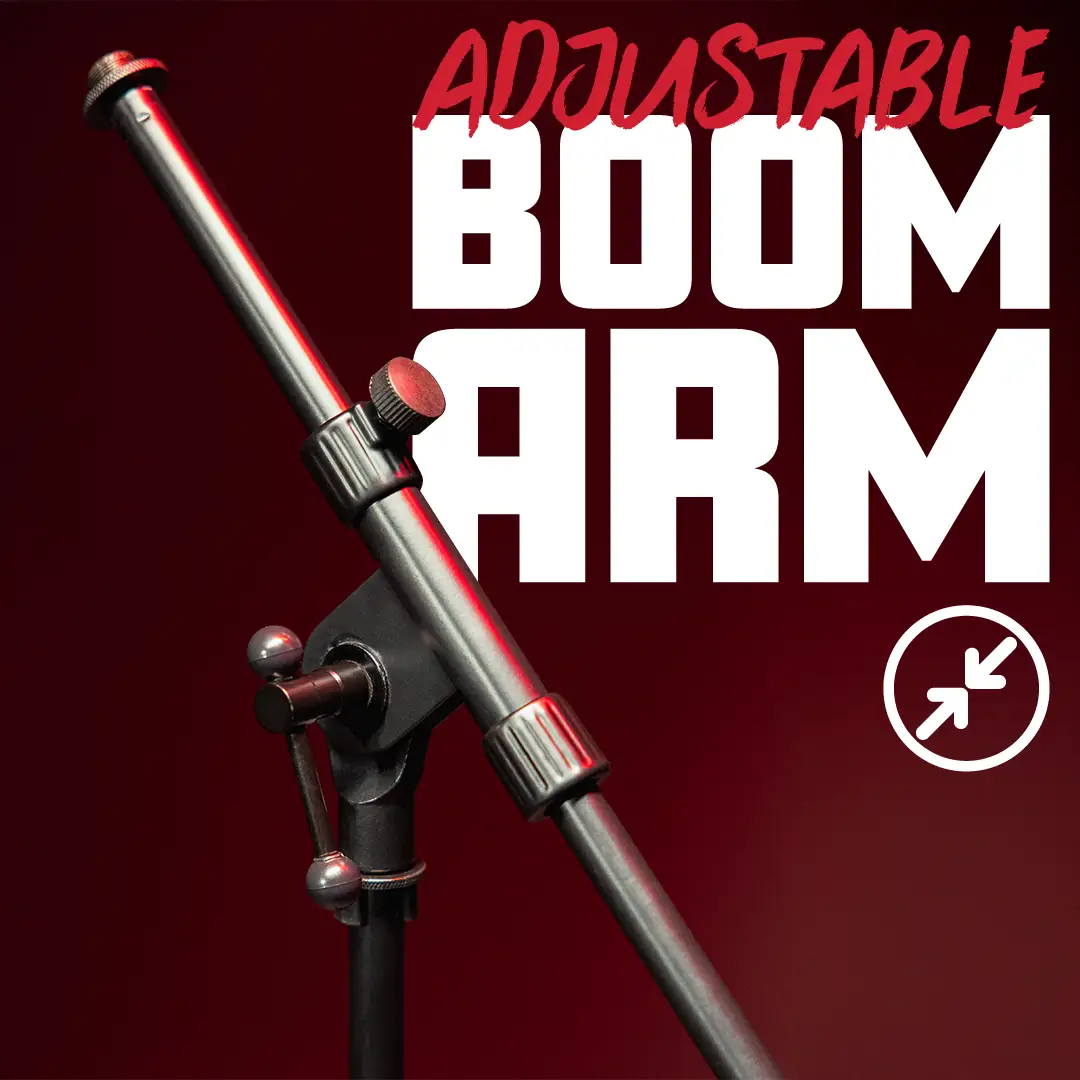
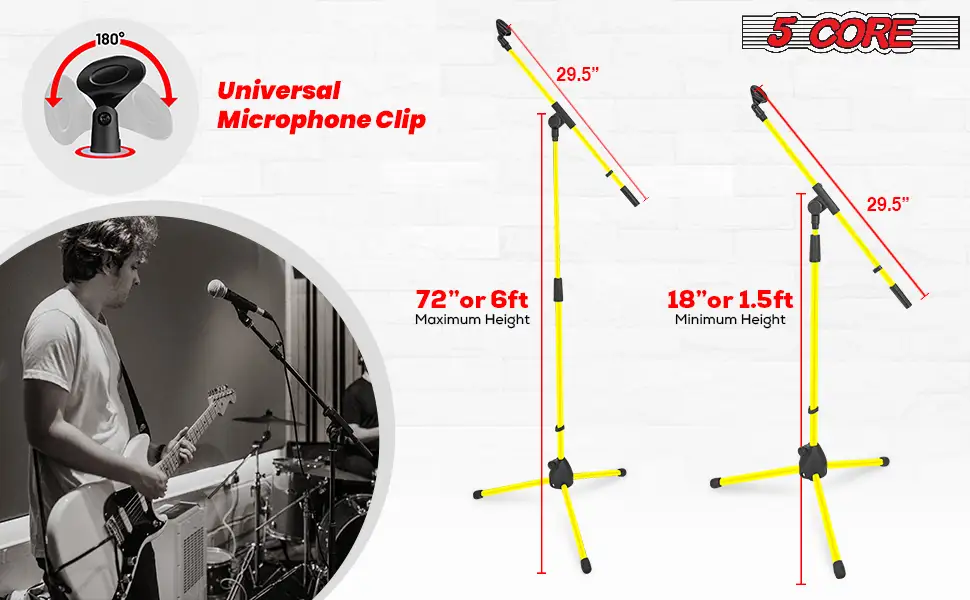
The stand is advertised as “industry’s most flexible and easy-to-use” with its telescoping boom arm. Many support that praise, like the 6’3” Amazon reviewer who appreciated being able to “adjust plenty high… the boom pole is also fully adjustable.” Yet, Reddit discussions and Amazon reviewers frequently mention that the T-nut on the boom “requires excessive force to tighten” and can fail to hold heavier microphones without extreme leverage.
Pyle also promises “stable tripod leg base” with anti-slip feet for precise balance. Flat-surface users agree — one Trustpilot comment called it “very sturdy… great value.” However, gigging musicians point out a trade-off: “Tripod base takes up a lot of stage space when fully extended,” which creates problems in cramped setups.
Cross-Platform Consensus
Universally Praised
The most consistent praise centers on durability for at-home and semi-regular use. Reddit users highlight its reliability for static installs, like one posting: “Excellent product for… calling bingo in the nursing facility.” For taller performers, its extendable height range is a lifesaver; one Amazon reviewer commented, “It adjusts plenty high for even me to stand and sing… doesn’t sag once tightened.”
Value is another near-universal green flag. Multiple buyers cite price-to-quality surprise, such as “Better than I expected for the price” and “You can’t beat the price.” eBay listings support this sentiment by showing resale values holding at around 70% of new price even for open-box units.
The wide tripod stance gets positive feedback from musicians with large pedal boards, as a frequent gigger admitted: “It fits around certain objects like a giant pedal board… I just bought my 3rd one.”
Common Complaints
Durability issues under heavy gig rotation stand out sharply. The same musician above warned, “Won’t last 6 months of frequent gigging… everything strips fast!” Many note that the arm connection hardware loosens, the legs wobble, and critical joints degrade when adjusted repeatedly on the road.
Packaging is another sore point: one customer received a box “torn in half… nut missing” and suspected prior use based on scratches. While they could replace the missing part, this suggests inconsistent quality control in shipping or returns processing.
The boom tightening mechanism has functional limitations — heavier mics might cause drooping without excessive torque. As one review put it, “If the T part were longer, it would provide more leverage.”
Divisive Features
Portability splits opinions. For static setups, the non-collapsing frame is fine, even preferred for stability. But performers seeking compact transport find it cumbersome; “Doesn’t collapse and fold down… not convenient for carrying,” warned one Amazon buyer.
The large tripod footprint is similarly polarizing: ideal for stability and accommodating gear layouts, but frustrating in tight stage corners.
Trust & Reliability
Trustpilot and Amazon reviews uncover patterns suggesting solid trust for casual use but caution for frequent mobility. A recurring issue is stripped threading under high adjustment cycles, which leads to reliance on user improvised fixes. One experienced gigger explained their plan: “Modify it myself to get longer life… keep an eye on all screws.”
While no broad scam allegations emerged, poor packaging experiences — including signs of prior use without disclosure — prompt advice to inspect on arrival. Despite this, the stand’s engineering earns high marks when kept in stationary environments; one buyer enthused, “Certainly the most stable and balanced microphone stand I have.”
Alternatives
Community discussions stick largely to the Pyle range, with comparisons between the PMKS38 and PMKS56 variants. The PMKS38 offers a slightly lighter build with adjustable angle boom, making it better for portable use but potentially less stable for tall heights.
Some buyers note that premium music store stands at $150+ offer stronger locking mechanisms and longer boom arms, but accept Pyle’s lower cost trade-off for non-touring use.
Price & Value
eBay market analysis shows average new pricing between $12.99–$34.95 depending on model and package, with resale prices retaining strong value. This positions the Pyle as a cost-effective entry for those unwilling to overspend on basic mic stand functionality.
Community tips include watching for price drops — “I had this in my cart until… price decreased and I went ahead and purchase it.” Bulk buys on eBay and auction sites further lower per-unit cost.
FAQ
Q: Will it hold heavy condenser microphones without drooping?
A: It can, but heavier mics require very tight boom adjustment. Some users recommend modifying the T-nut for better leverage.
Q: Does it fold compactly for travel?
A: No — several reviews note it doesn’t collapse as small as competing stands, making it less ideal for portable gigging.
Q: Is it compatible with all microphone types?
A: Yes — it includes the USA standard 5/8" mic adapter, fitting most popular brands.
Q: How stable is it on uneven surfaces?
A: The tripod base is stable on flat floors, but very large legs can be tricky in tight or uneven setups.
Q: What’s the tallest height it can reach?
A: Certain models like the PMKS56 extend to about 78.75 inches, suitable for tall performers.

Final Verdict: Buy if you’re a home studio owner, casual performer, or venue operator seeking affordability and stability in a mic stand. Avoid if you need frequent portability for tight or rough stage setups — the footprint and stripping hardware risks are notable. Pro tip from the community: Inspect on arrival, tighten all screws regularly, and consider small DIY adjustments to extend lifespan.