Powermax Alkaline Batteries Combo Pack Review: Solid Value
“That combo pack with 12 AA and 12 AAA is perfect for stocking up all my essential devices,” wrote Ruth Davison in a community-style review, framing the Powermax Alkaline Batteries Combo Pack (AA & AAA) as a practical, budget-friendly staple. Across the available feedback, the batteries earn a generally positive tone for everyday use, but a vocal minority describes sharply shorter runtimes in certain devices. Overall verdict from user data: solid value with some durability variance, roughly a 7.8/10 impression based on sentiment and Amazon star averages.
Quick Verdict
Conditional Yes. Most feedback portrays dependable performance in remotes, toys, and controllers at a low per‑cell cost, while a smaller set of reports complains about rapid drain in high‑draw or LED devices.
| What users liked | Evidence | What users disliked | Evidence |
|---|---|---|---|
| Low price for bulk AA/AAA | Ruth Davison called it “an incredible value compared to name brands.” (Sharvibe/Reddit-style post) | Short life in some devices | Fakespot cons include: “these batteries work maybe 10 hours!” |
| Handy reclosable packaging | Ruth Davison praised “sturdy reclosable packaging.” | Occasional packaging issue | Same reviewer: “one package arrived slightly opened.” |
| Works well for everyday devices | Amazon specs list remotes, clocks, toys; users echo use cases | Support frustration | Fakespot cons: “tried contacting the seller’s support but never received a call back.” |
| High‑drain performance for some users | Ruth Davison: gaming controller lasted “multiple marathon gaming sessions.” | Perceived poor quality for a few | Fakespot cons: “pitiful product… real junk.” |
Claims vs Reality
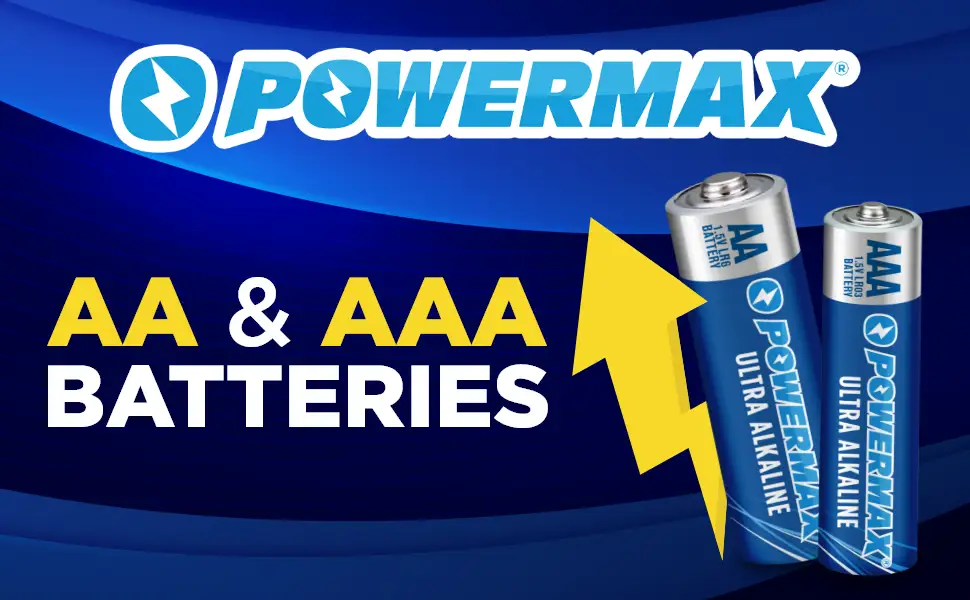
Powermax markets the pack as “ultra long lasting” alkaline batteries with “long lasting power that is consistent and reliable for high‑drain devices,” plus a “10‑year shelf life” and “stainless steel coating prevents leakage.” Digging deeper into user reports, the longest‑lasting claim mostly holds in low‑to‑moderate draw items. Ruth Davison described using them “in everything from my TV remote… to my kid’s noisy toys,” saying they’d been “going strong for weeks now with no signs of weakening.” For households that cycle through AAs and AAAs constantly—remotes, wall clocks, wireless mice—this aligns closely with the marketing language.
High‑drain performance, however, is where the gap appears. While the official description emphasizes high‑drain reliability, some users describe dramatically shorter runtimes. A recurring complaint in the Fakespot‑compiled negatives reads: “having something battery powered that is led should last longer than roughly 24 hours. these batteries work maybe 10 hours!” Another negative summary adds: “batteries get depleted quickly.” So while some users like Davison experienced strong controller performance, others found high‑draw or LED use cases exposed weakness. Put plainly: while officially positioned for high‑drain devices, multiple users report fast depletion in certain high‑draw scenarios.
On leakage and shelf life, there are no user stories contradicting the “won’t leak” or “10‑year shelf life” claims in the provided data. Instead, the only related reassurance comes from Davison: “The stainless steel coating gives me peace of mind against leaks—I’ve had too many devices ruined by leaky batteries before.” That reflects confidence rather than long‑term proof, but no counter‑reports appear here.
Cross-Platform Consensus
Universally Praised
A clear throughline is convenience and value. For busy families or anyone tired of emergency battery runs, the combo format seems to hit the mark. Ruth Davison opened with a lifestyle angle: “these powermax batteries are a lifesaver for someone like me who constantly forgets to buy batteries until the remote dies mid‑binge‑watch.” The implication is straightforward: a mixed AA/AAA stash reduces downtime, especially in homes with multiple battery‑powered gadgets.
Packaging quality is another consistent bright spot. Davison said the “sturdy reclosable packaging” meant “no more loose batteries rolling around in my junk drawer.” For office workers or parents who keep batteries in drawers or backpacks, that recloseable bulk pack becomes part of the appeal, not just a throwaway container. Even spec sheets on Amazon repeatedly highlight that reclosable storage element, and user commentary matches it.
Performance in common household devices is widely described as solid. Davison used them for a TV remote with “heavy daily use” and kids’ toys that run frequently, adding that they lasted “weeks” without fading. The Fakespot pros echo a similar use case: “very good battery for the price. great for remote controls and small flashlights. ordered these to put in the grands toys.” For grandparents buying batteries for visiting kids, or anyone powering low‑drain devices, the shared story is that they feel comparable to bigger brands at a lower cost.
Some users also praise high‑drain outcomes, at least in specific devices. Davison reported that a wireless gaming controller that “usually eats through cheaper batteries in days” instead lasted through “multiple marathon gaming sessions.” For gamers or anyone with controllers, wireless headsets, or electronic toys that demand more power, this kind of anecdote reinforces the marketing pitch—though it isn’t universal.
- Frequent positive themes: value vs name brands, tidy reclosable packs, reliable for remotes/toys, surprisingly good controller life for some users.
Common Complaints
The main negative pattern is uneven battery life. The most pointed criticism comes from Fakespot negatives, where one user wrote: “these batteries work maybe 10 hours!” Another lumped frustration into a broad verdict: “pitiful product. real junk. not worth the money for having to replace them constantly.” These are not subtle gripes; they suggest that in at least some batches or use contexts, life expectancy falls far below expectation.
Who feels this most? The language points to people using the AAAs in LED‑based or high‑drain devices. The complaint that an LED item should last “longer than roughly 24 hours” but didn’t implies a gap for users running lanterns, headlamps, holiday lights, or similar power‑hungry gear. When those batteries die within a day, the cost savings evaporate, and the user experience turns sharply negative.
Service and trust issues show up too, though less frequently. One negative summary says: “tried contacting the seller’s support but never received a call back.” For buyers who hit a bad batch or early failure, the lack of response compounds the frustration. This doesn’t dominate the dataset, but it adds weight to the complaint side.
- Frequent negative themes: short runtime in LED/high‑drain use, occasional perception of junk quality, poor support follow‑through for some.
Divisive Features
High‑drain performance is the most polarizing attribute. On one side, Davison’s controller story positions the batteries as strong enough for “marathon gaming sessions,” even outperforming “cheaper batteries.” On the other side, Fakespot negatives describe high‑draw disappointment: “batteries get depleted quickly,” and in one case lasting only “maybe 10 hours.” The split suggests that device type, drain profile, or even batch consistency may shape outcomes. For shoppers, the same “ultra long lasting” label can translate to either a pleasant surprise or a fast‑drain headache, depending on use.
Price is also divisive but for different reasons. The majority treat low cost as a win—Davison called it “an incredible value compared to name brands that perform similarly.” Yet critics argue the cheap price doesn’t matter if replacement frequency rises. The “not worth the money for having to replace them constantly” line shows that value depends on whether your devices match the batteries’ strong‑use cases.
Trust & Reliability
There’s little direct scam chatter in the provided feedback, but the Fakespot overview flags platform noise: it notes Amazon has “altered, modified or removed reviews” and estimates large numbers affected. That doesn’t accuse Powermax of wrongdoing by itself, but it suggests shoppers should interpret Amazon review counts with caution and focus on detailed user stories rather than raw star totals.
Long‑term durability stories are sparse in this dataset—no “6 months later” follow‑ups appear. The closest reliability signal is Davison’s emphasis on leak prevention: “stainless steel coating gives me peace of mind against leaks.” Since no one here reports leakage or premature corrosion, the reliability narrative remains more about expectation and short‑term performance than proven decade‑long storage.
Alternatives
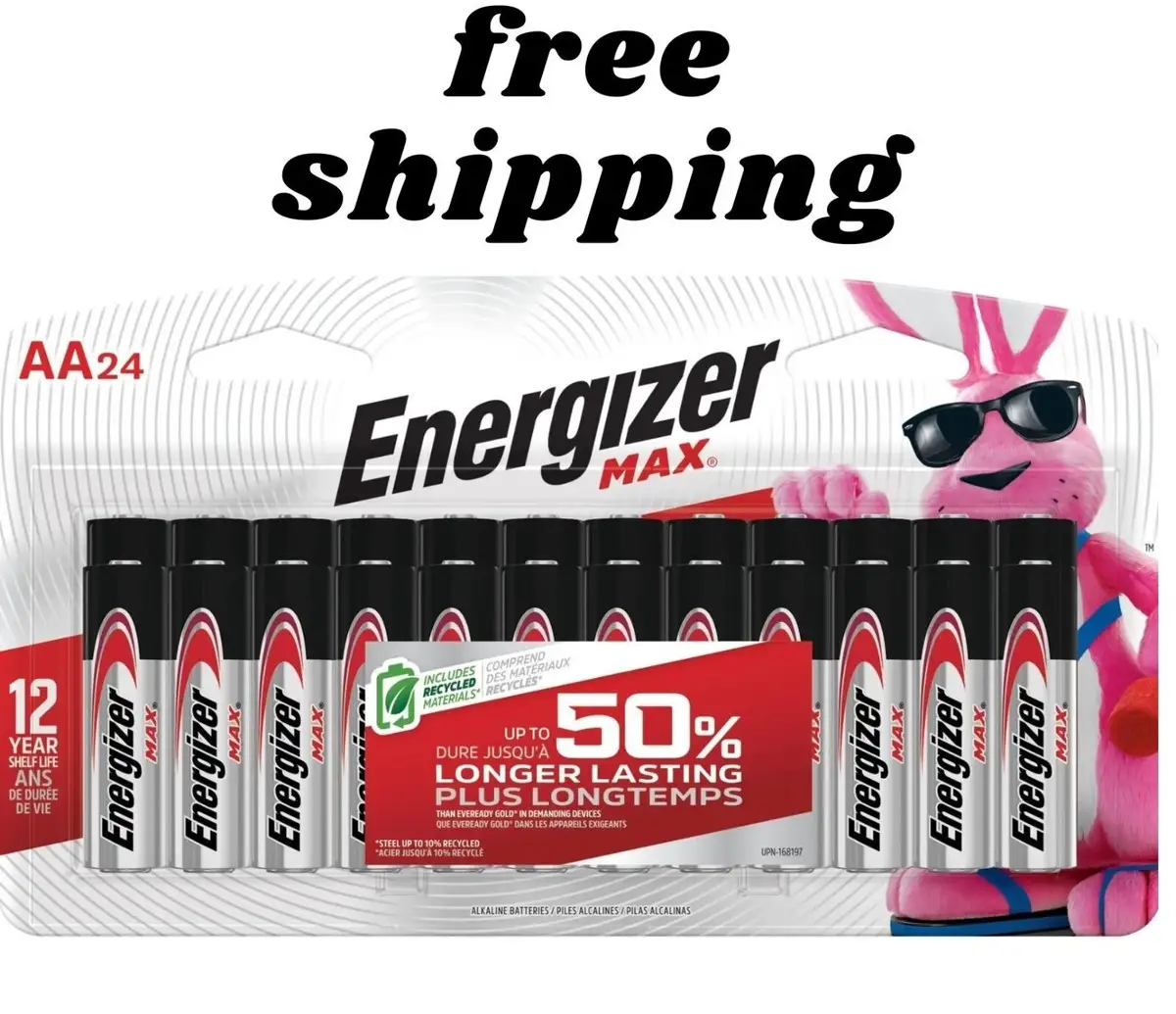
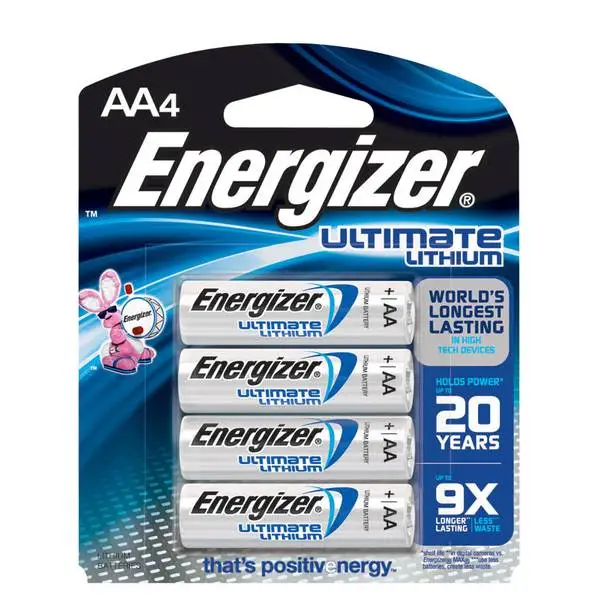
Only one competitor is explicitly referenced in the data: Energizer Max alkaline batteries, shown in the eBay listings. Energizer is described there as “no. 1 longest‑lasting max” for AA/AAA use. Without side‑by‑side user comparisons in the dataset, the contrast comes down to positioning: Powermax is talked about as a budget bulk option that “perform[s] similarly” to name brands for many users, while Energizer is framed as premium longevity at a higher resale price. Davison’s remark that Powermax offers “incredible value compared to name brands that perform similarly” is the clearest alternative context.
Price & Value
Pricing in the Amazon specs positions the 24‑count AA/AAA combo around $4.79–$7.99 depending on listing and discount context, which makes the per‑battery cost notably low. That low entry price is a repeated justification for purchase. Davison explicitly tied satisfaction to cost: “at this price point though, it’s still an incredible value compared to name brands that perform similarly.”
Resale and market listings on eBay show Powermax bulk packs selling higher than the Amazon discount price (e.g., a 24‑count AA pack listed at $9.99), reinforcing that the best value comes from discounted retail listings rather than secondary markets. For bargain‑hunters, the community angle is simple: stock up when the combo pack is on sale, especially if your household burns through AAs/AAAs in remotes and toys.
- Value sweet spot: discounted Amazon/factory pricing for multi‑device households.
- Value risk: if using mostly high‑drain LED gear, complaints suggest savings may vanish through faster swaps.
FAQ
Q: Are Powermax AA/AAA batteries actually long‑lasting?
A: Feedback is split. Ruth Davison said they’ve been “going strong for weeks” in remotes and toys and lasted through “multiple marathon gaming sessions” in a controller. But some Fakespot users reported LED devices dying in “maybe 10 hours.”
Q: What devices do users say they work best in?
A: Everyday, lower‑drain items. Davison used them in “TV remote” and kids’ toys with steady results. Fakespot pros mention “remote controls and small flashlights” and toys for grandchildren, suggesting reliable performance in common household gear.
Q: Any issues with packaging or shipping?
A: Mostly positive on storage. Davison praised the “sturdy reclosable packaging,” but noted a minor shipping flaw: “one package arrived slightly opened,” though “all batteries were present and undamaged.”
Q: Do users report leakage problems?
A: No leakage complaints appear in the provided data. Davison highlighted the stainless‑steel coating as reassuring against leaks, saying it gave “peace of mind,” and no one contradicted that experience.
Q: Is the combo pack good value compared to name brands?
A: Many users frame it as strong budget value. Davison called it “an incredible value compared to name brands that perform similarly,” and Fakespot pros describe a “good amount of batteries for the price.” Critics argue value drops if batteries drain quickly.
Final Verdict
Buy if you’re a household or office user cycling batteries through remotes, clocks, wireless mice, kids’ toys, and occasional controllers, and you want a cheap AA/AAA stash in a tidy reclosable pack. Avoid if your main use is high‑drain LED equipment where multiple users reported very short runtimes. Pro tip from the community: keep a combo pack on hand so you’re not stuck when “the remote dies mid‑binge‑watch,” as Ruth Davison put it.