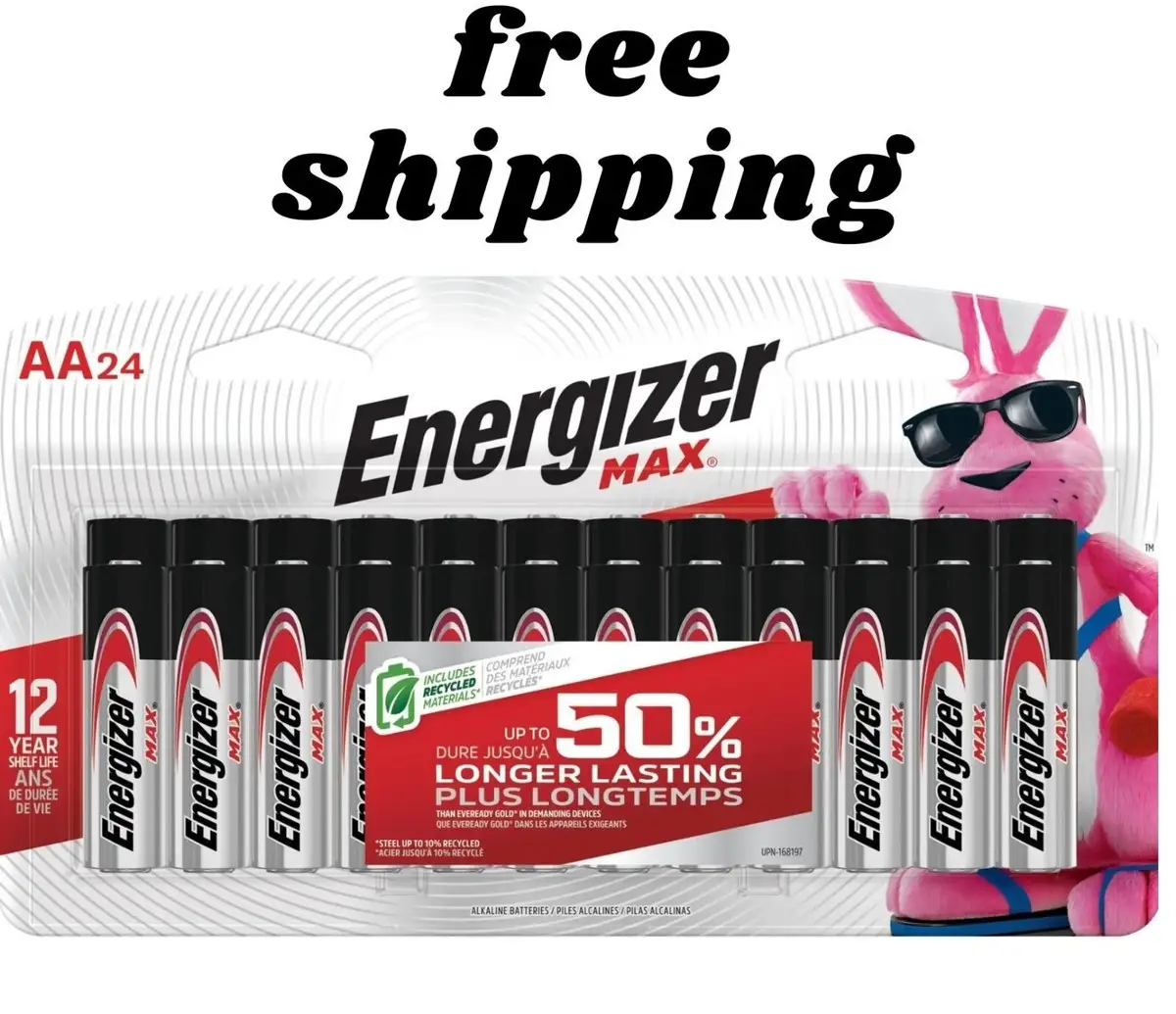
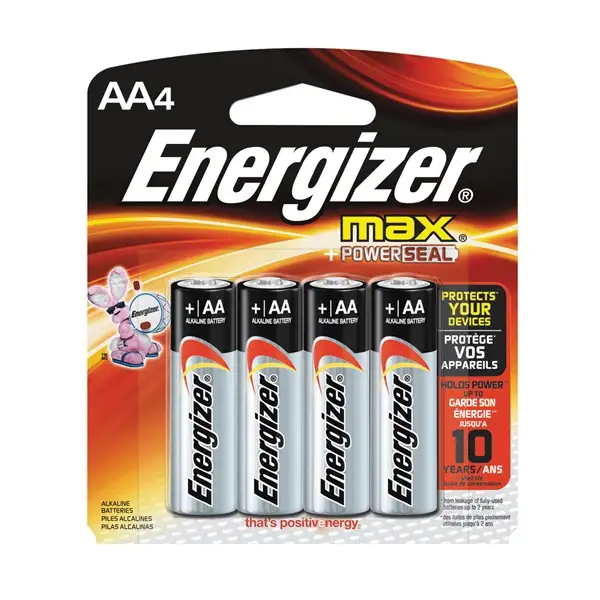
Energizer MAX AA 16-Pack Review: Worth It? 8.6/10
“Better than store brand, duracell and amazon batteries.” That single Best Buy line captures why Energizer MAX AA Batteries (16 Pack) keeps showing up in homes that are tired of battery roulette—yet a few buyers still stumble over price and packaging surprises. Verdict: 8.6/10.
Quick Verdict
Conditional Yes — a strong pick for everyday, low-to-medium drain devices (remotes, clocks, flashlights, toys), but watch for packaging/shipping issues and expect premium pricing.
| What the feedback says | Evidence (platform) | Who it matters to | Upside | Downside |
|---|---|---|---|---|
| Long-lasting in household use | Best Buy reviews emphasize “battery life” | Families, remote-heavy homes | Fewer replacements | Still varies by device |
| Often beats generics/other brands | Best Buy comparisons to “generic brands” and “duracell” | Budget shoppers | Better runtime per swap | Costs more upfront |
| Strong shelf-life confidence | Best Buy mentions “great shelf life” | Emergency kits, backups | Peace of mind | Some see price as too high |
| Packaging complaints exist | Amazon review: “package looked like it had been tampered with”; “arrived loose” | Online buyers | Batteries themselves fine | Trust/condition concerns |
| Lab-style scoring is mixed | CHOICE: 68% overall; low-drain strong | High-drain users (camera flash) | Great in low drain | Less impressive in high drain |
Claims vs Reality
Digging deeper into the marketing claims, the theme isn’t that users think Energizer MAX fails—it’s that the “where it shines” is more specific than the broad messaging suggests. Official listings repeatedly frame these as dependable across everything from remotes to “demanding devices,” but user stories cluster around the everyday basics: TV remotes, kids’ toys, flashlights, mice, and clocks.
On Amazon’s product copy, the batteries are positioned as long-storage ready (“holds power for up to 10 years”) and protective (“leak resistant… for 2 years after batteries are fully used”). That matches the tone of many consumer comments about reliability, but the data also shows a reality check: performance depends heavily on drain level, and the shopping experience (packaging condition) can color trust even when the batteries work well.
A recurring pattern emerged: people are willing to pay more when they feel the battery is “important” (smoke detectors, emergency gear), but they’re far less forgiving when the only friction is a checkout surprise or an unsealed shipment.
Claim 1: “Long-lasting power” (including demanding devices).
In everyday use, buyers strongly echo the longevity story. Best Buy reviewer audi forme wrote: “I don’t have to buy these very often. seem to last longer than other brands.” Another Best Buy reviewer, moab 461, framed it as survival-grade for busy households: “i have two kids under 10 that blow through batteries. these hold up to their demand.”
But under more controlled, test-oriented conditions, the story becomes more nuanced. CHOICE’s lab scoring shows strong low-drain results (83% performance, 91% endurance) but noticeably weaker high-drain scores (52% performance, 58% endurance). While marketing pitches broad strength, the data suggests the bigger win is in remotes and similar low-drain devices—not necessarily the absolute best answer for heavy-drain gear.
Claim 2: “Great shelf life / ready when you need them.”
This lands well with shoppers who plan ahead. Best Buy reviewer huey said: “we can always count on energizer batteries for consistent quality and great shelf life.” That aligns with the brand’s emphasis on storage readiness in Amazon listings (“holds power for up to 10 years in storage”).
Where the “ready when you need them” message collides with reality is not shelf chemistry—it’s fulfillment. Amazon reviews include complaints that make people question whether what arrived is truly “ready”: one reviewer wrote, “batteries arrived loose not in package. unsure if product has been used.” In other words, confidence can drop if the packaging looks compromised, even if the brand promise is about shelf stability.
Claim 3: “Leak protection.”
Amazon materials emphasize leak resistance and device protection. User feedback doesn’t contain many direct leak-failure stories; if anything, the third-party longform review on TheGunZone claims the opposite trend: “I’ve never experienced any leaking or corrosion issues with these batteries,” describing the casing as “robust and seems well-sealed.”
Still, the absence of lots of leak complaints isn’t the same as proof that every pack is flawless—what consumers do flag loudly is packaging integrity. One Amazon reviewer said, “the batteries themselves were great, but the package looked like it had been tampered with,” shifting concern from leaks-in-device to trust-in-delivery.
Cross-Platform Consensus
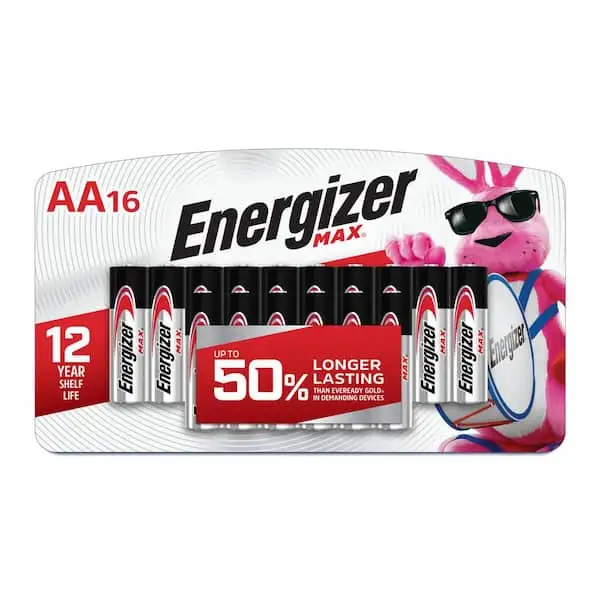
A blunt verdict appears across platforms: people buy these when they want dependable AAs they don’t have to think about. That “boring reliability” is the core appeal—especially for households managing multiple battery-hungry devices. Best Buy’s summaries repeatedly highlight battery life as the dominant praise point, and the Amazon review distribution (4.7/5 overall for the 16-count listing) reinforces that the broad experience is positive.
Digging deeper into user reports, the strongest consensus forms around low-to-medium drain usage. This is where stories get specific and consistent: remotes that stop dying, flashlights that keep shining, toys that don’t sputter mid-play. When users compare against generics, they often frame it as fewer annoying replacements rather than measured runtimes.
At the same time, the complaints aren’t centered on “these don’t work.” The recurring friction points are cost and packaging condition—especially online orders where buyers can’t inspect the blister pack before purchase.
Universally Praised
For families and anyone managing a pile of household electronics, longevity is described as the main payoff. Best Buy reviewer stingray put it simply: “they are of good quality and last longer than generic brands,” while big snoop went further into brand comparisons: “last longer than store brand, duracell and amazon batteries.” Those comments read like a pattern: users aren’t just satisfied, they’re using competitors as the benchmark—and Energizer MAX tends to win in their day-to-day experience.
For “set it and forget it” devices, reliability is the headline. Best Buy reviewer usafrdoc said: “they well and do exactly what it's supposed to do. no issues,” and that no-drama tone is repeated across many short reviews. On Amazon, one buyer tied the decision to a high-stakes device: “my one battery powered nest smoke detector began chirping… they recommended to replace with these types of batteries… as stated… they do last a long time and provide power as advertised.” For smart-home and safety devices, that translates into fewer interruptions and fewer false alarms from low-battery warnings.
Some praise is less about runtime and more about planning. Shelf-life confidence shows up as a reason to stick with the brand. Best Buy reviewer huey’s “great shelf life” comment fits the “emergency drawer” mindset—people want AAs that will still be dependable when a flashlight suddenly matters.
After the narratives, the common praise points can be summarized:
- “Last longer than generic” comparisons (Best Buy)
- Dependable performance across common devices (Amazon, Best Buy)
- Shelf-life confidence for backups (Best Buy)
Common Complaints
Price is the most consistent negative theme, especially when shoppers feel caught off guard. Best Buy reviewer superk 734 complained: “priced too high… on the rack the price said one thing and when i got to register it was more… i wouldn't buy again.” That’s not a battery-performance complaint—it’s a value-and-experience complaint, and it hits bargain-focused buyers hardest.
Amazon feedback surfaces a different kind of frustration: packaging integrity during shipping. One reviewer wrote, “the batteries themselves were great, but the package looked like it had been tampered with,” while another said, “batteries arrived loose not in package. unsure if product has been used.” A separate Amazon comment echoed the mess factor: “package was broken and the batteries were strewn all over the box.” For online buyers, especially those stocking up for emergency kits or critical devices, an unsealed pack can create immediate distrust—even if the batteries perform once installed.
There’s also a subtle complaint embedded in the broader narrative: these are single-use alkalines. TheGunZone review labels the “non-rechargeable” nature as a con, noting it “can be wasteful for frequent users.” That concern is likely to matter most to heavy battery consumers (gaming controllers, frequent toy rotation) who might otherwise consider rechargeables.
After the narratives, the common complaint points can be summarized:
- Perceived premium pricing or price surprises (Best Buy)
- Packaging concerns: tampered, unsealed, loose batteries (Amazon)
- Single-use design concerns for frequent users (TheGunZone)
Divisive Features
Value is where opinions split. Some people view the higher price as justified because it reduces hassle and replacement frequency; others see it as an unnecessary markup. Amazon’s smoke-detector buyer acknowledged the cost but accepted it: “the only downside is that these are very expensive, but worth it… sometimes you need to spend on quality.” In contrast, Best Buy’s superk 734 effectively rejected them over pricing alone: “i wouldn't buy again.”
Another divisive point is “packaging format.” TheGunZone review praises the blister pack as “practical,” but Amazon complaints suggest that whatever arrives may not match expectations of factory-sealed presentation. For shoppers buying in-store, packaging is a non-issue; for shipped orders, it becomes part of the product experience.
Trust & Reliability
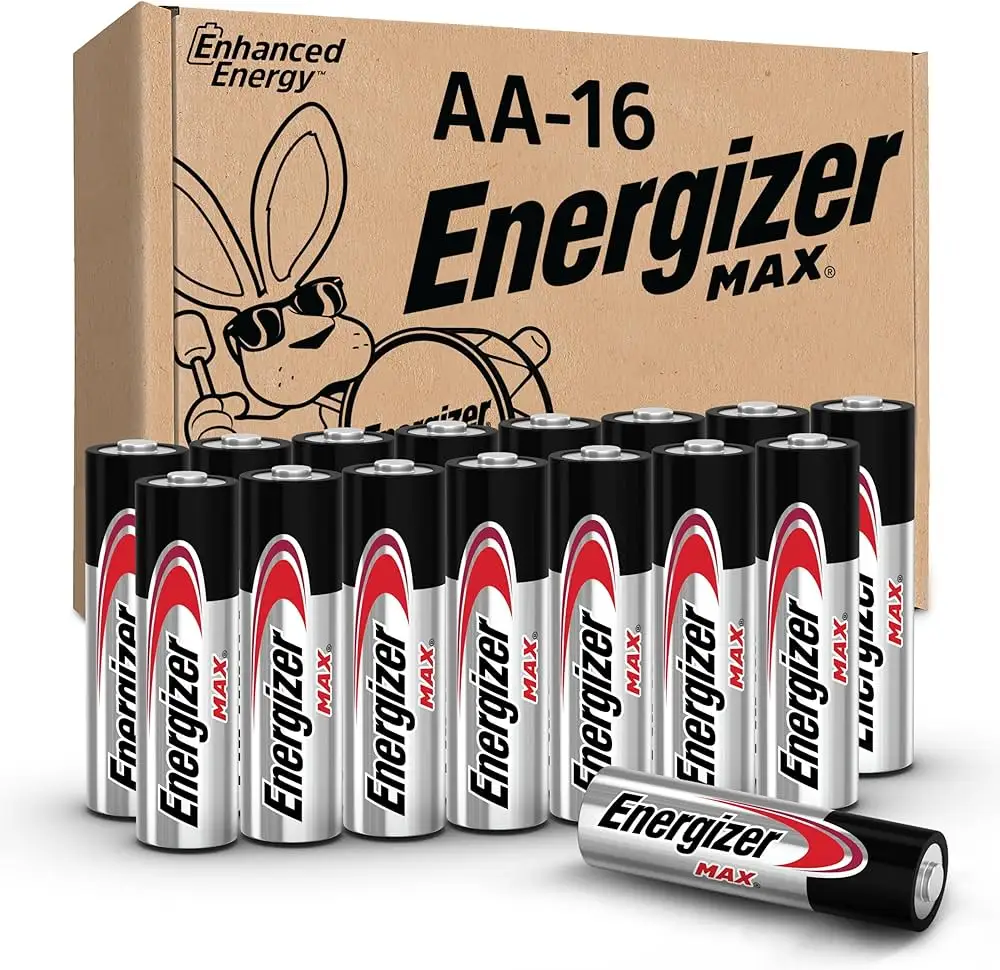
A recurring pattern emerged: the batteries’ reputation for reliability is stronger than the retail experience in some online orders. Amazon reviewers who complained about tampering or loose batteries weren’t necessarily saying the batteries failed; the concern was whether the product was truly new and properly sealed. One Amazon buyer summarized that tension: “the batteries themselves were great, but the package looked like it had been tampered with.”
Long-term durability stories from the community lean heavily toward consistency in typical devices. TheGunZone’s longform review claims sustained satisfaction over repeat purchases: “over the years, i have repeatedly purchased these… generally very positive… i never had to worry about them suddenly giving up on me,” and adds: “I’ve never experienced any leaking or corrosion issues.” That type of statement reinforces the idea that reliability is the brand’s strongest asset—especially in low-to-medium drain use.
Alternatives
The only consistently referenced competitors in the feedback are Duracell, store brands/generic batteries, and Amazon-branded batteries. The comparisons typically come from people optimizing for fewer replacements rather than absolute lowest price.
If the priority is “cheapest per cell,” reviewers imply store brands can be tempting—but several buyers frame Energizer MAX as a step up. Best Buy reviewer stingray contrasted them with “generic brands,” saying they “last longer,” and big snoop explicitly placed them above “store brand, duracell and amazon batteries.” On the other hand, Best Buy reviewer lally offered a closer equivalence: “i would recommend energizer just as good as dure cell,” suggesting not everyone sees a dramatic gap versus Duracell.
For shoppers who burn through batteries constantly, the “single-use” drawback raised in the longform review may push consideration toward rechargeables—though no specific rechargeable competitor is discussed in user feedback here.
Price & Value
Current pricing signals vary by retailer context in the data. Best Buy lists a 16-pack at $13.99 in one review page snapshot, and another Best Buy listing shows larger packs priced higher (e.g., $19.99 for a 16-pack listing context that references multiple pack sizes). Walmart shows $12.91 for a 16-pack listing snapshot. The key takeaway from user feedback is not the exact dollar figure—it’s sensitivity to perceived overpaying and checkout surprises.
Resale/market pricing on eBay shows active listings around the low-to-mid teens (e.g., $13.20/ea on one listing) and multi-pack lots, implying these are common, easily sourced batteries rather than scarce collectibles. That matches the “stock up” mindset many reviewers reference.
Buying tips hinted by the community are straightforward: buy bigger packs for convenience, but verify packaging condition if shipped. Amazon reviewers who received loose batteries or damaged packaging suggest that inspection on arrival matters if the batteries are intended for critical devices.
FAQ
Q: Do Energizer MAX AA (16 pack) batteries really last longer than other brands?
A: Many buyers say yes in everyday use. Best Buy reviewer big snoop wrote: “last longer than store brand, duracell and amazon batteries.” Others echo that they “seem to last longer than other brands” (Best Buy reviewer audi forme). Lab-style CHOICE results suggest stronger low-drain performance than high-drain.
Q: Are they good for remotes, toys, and flashlights?
A: Feedback strongly supports those uses. Best Buy reviewer coolv said they were bought for “flash lights” and were “long lasting,” and moab 461 described them holding up in a kid-heavy home: “two kids under 10… these hold up.” TheGunZone review lists remotes, toys, and flashlights as regular use cases.
Q: Is packaging an issue when buying online?
A: Several Amazon reviews complain about packaging condition rather than battery function. One reviewer said, “package looked like it had been tampered with,” and another reported, “batteries arrived loose not in package.” If buying shipped, inspect the seal and contents before storing for emergencies or installing in critical devices.
Q: Are they worth the higher price?
A: Opinions split. An Amazon buyer said they’re “very expensive, but worth it… sometimes you need to spend on quality,” especially for important devices like smoke detectors. But Best Buy reviewer superk 734 felt they were “priced too high” and wouldn’t buy again. Value depends on how much you prioritize fewer replacements.
Q: How do they perform in high-drain devices like cameras?
A: The data suggests they’re better in low-drain than high-drain scenarios. CHOICE scored performance lower under high drain (52%) than low drain (83%). Some marketing claims emphasize demanding devices, but the strongest user stories are around remotes, toys, and flashlights rather than camera-flash endurance.
Final Verdict
Buy if you’re stocking a household that runs on remotes, toys, flashlights, clocks, and wireless peripherals—and you want fewer battery swaps backed by lots of “last longer than generic” comparisons. Avoid if you’re extremely price-sensitive or if unsealed/damaged packaging would undermine trust for critical installs.
Pro tip from the community: keep these for “important” devices. An Amazon reviewer who replaced a Nest smoke detector battery said: “as stated… they do last a long time… the only downside is… very expensive, but worth it,” framing the premium as insurance against frequent chirps and replacements.