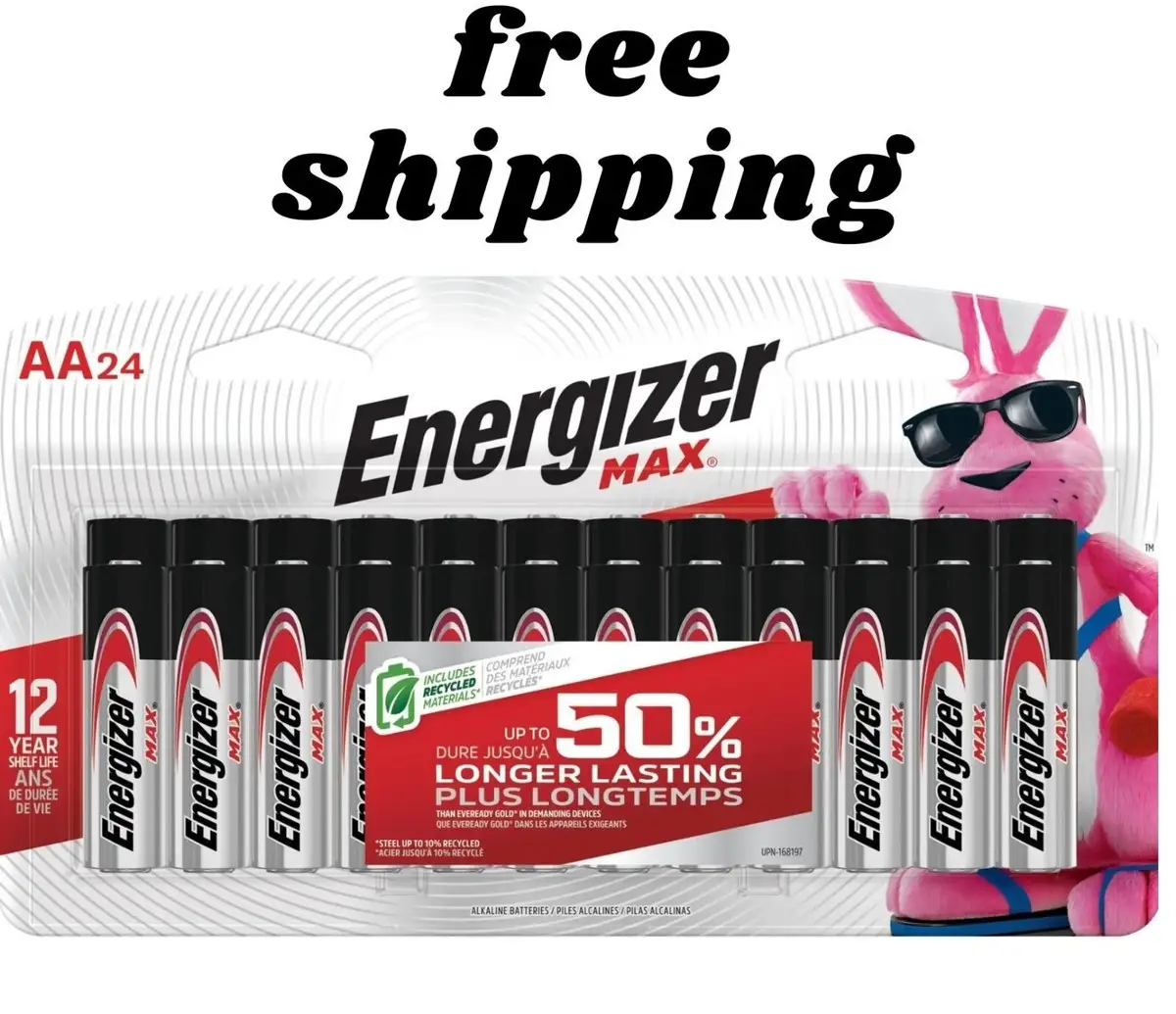
Energizer MAX AA Batteries Review: Strong Pick, Caveats
A “screaming unicorn” toy running “non-stop for weeks” is the kind of real-world stress test battery marketing loves—because it’s exactly what some buyers say Energizer MAX AA Batteries deliver. Verdict: a strong everyday alkaline pick with notable caveats around freshness and seller/packaging integrity. Score: 8.6/10
Quick Verdict
For Energizer MAX AA Batteries, the short answer is Conditional Yes: consistent praise for battery life and value across big retail platforms, but a smaller set of reports warn about near-expiry stock, leakage incidents, and short runtimes in medical devices that may need lithium.
| Verdict Angle | What users say | Who it matters to |
|---|---|---|
| Longevity (daily devices) | “They last a long time” | Families, remotes/toys households |
| Value on sale | “Best deal around” / “better when on sale” | Bulk buyers, stock-up shoppers |
| Reliability | “dependable and long-lasting” | Office/classroom, everyday electronics |
| Leakage protection (mixed) | “haven’t leaked at all” vs “exploded… corroded it” | Flashlights, stored devices |
| Packaging/seller issues | “received only 19 instead of 20” | Marketplace buyers |
| High-drain reality check | Lab-style scoring shows weaker high-drain performance | Cameras, flashes, high-power toys |
Claims vs Reality
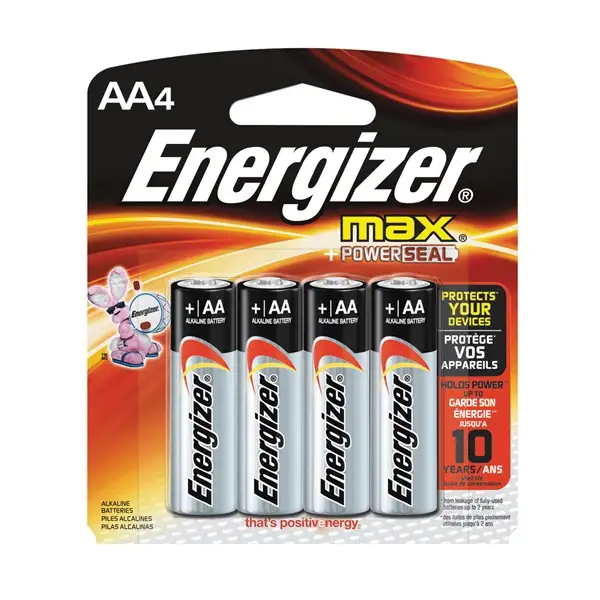
“Holds power for up to 10 years in storage” is a central promise in the Amazon listing and Energizer Industrial copy, and it shapes how people buy these: as a backup stash for emergencies, drawers, and garage flashlights. Digging deeper into user reports, the storage-and-freshness experience depends heavily on what stock you receive. One of the sharpest warnings comes from Trustpilot/Revain: Jill S. complained about suitability and implied mismatch for her use case, saying: “each battery lasts 2 weeks!” in an insulin pump and concluding “max is not designed for a long time.” That’s not a contradiction to the storage claim, but it does underline that “10 years in storage” isn’t the same as “long runtime in every device.”
The other half of the storage story is less about chemistry and more about inventory age. Dnasty J. on Trustpilot/Revain described a near-expiry purchase: “The expiration date on the box was almost the same as the date of purchase… two of them exploded in my expensive flashlight and corroded it beyond repair.” While marketing language emphasizes readiness and stability, this user story reframes the risk: if you’re buying online, date codes and seller quality become part of “reliability.”
“Designed to protect devices from leakage… up to two years after fully used” is another headline claim on Amazon and Energizer’s own site. Some buyers echo that benefit with relief shaped by past damage. In a Reddit community post, Reddit user Ronald Martin said: “the leak-resistant thing is huge for me… these haven't leaked at all, even in our garage flashlights that sit unused for months.” But a recurring pattern emerged in outlier complaints: when leakage happens, it’s catastrophic. Trustpilot/Revain’s Dnasty J. used the word “exploded,” and a Groupon reviewer (on a deal page) reported: “found them all leaking… cannot use anymore.” While officially positioned as “made to last, not to leak,” multiple users still describe leakage outcomes—often tied to questionable fulfillment or stock conditions rather than typical use.
Finally, “up to 50% longer lasting” appears in official copy, but independent-style data muddies the certainty depending on device type. CHOICE lab scoring (not user-generated, but performance reporting) shows much stronger low-drain outcomes than high-drain ones (low-drain performance and endurance far higher than high-drain). That aligns with where praise clusters: remotes, flashlights, controllers, toys. It also explains why some specialized high-demand use cases—like medical pumps—trigger frustration.
Cross-Platform Consensus
Universally Praised
A consistent theme across retail reviews is everyday longevity that reduces hassle. Best Buy reviewers repeatedly frame these as the “go-to” choice for common household gear. Best Buy user Humber Tom wrote: “They offer outstanding longevity, providing reliable and long-lasting performance across a variety of devices… consistent and dependable power output.” For parents dealing with toy fatigue and constant swaps, the impact is simple: fewer interruptions. Best Buy user Khush Boos tied it directly to a child’s routine: “my son use toys almost everyday and still the battery is going good… long lasting batteries.”
Reddit adds a more story-driven household angle: batteries as peace-keepers in the toy wars. Reddit user Ronald Martin described a specific pain point—kids’ toys dying mid-playtime—and claimed the fix was immediate: “no more ‘mommy, it stopped working!’ every 2 days.” He also extended that performance across devices: “used them in everything from xbox controllers… to smoke alarms.” For families juggling controllers, toys, and safety devices, that breadth matters more than any single benchmark.
Value is the second near-universal compliment, especially when buyers compare online pricing to local stores. The ReviewIndex-style snippets (compiled from verified reviews) repeatedly highlight deal language like: “best deal around,” “cheaper than walmart,” and “can’t beat the price.” Best Buy reviewers also frame purchase decisions around sales; Best Buy user sd cult summarized it plainly: “energizer batteries are the best, better when on sale.” For bulk buyers who keep AAs in rotation, the “buy on sale, stock up” behavior shows up again and again.
A third praised theme is confidence—people trust the brand to behave predictably. That doesn’t mean every unit is perfect, but it does mean the default expectation is stability. Best Buy user Xavi called them “good quality, long lasting and reliable,” and a ReviewIndex snippet captured the same sentiment: “they're dependable.” For office keyboards, classroom devices, or a drawer full of remotes, that predictability is the real product.
Common Complaints
The most serious complaints aren’t about slightly shorter life—they’re about leakage incidents and inventory freshness, often tied to where the batteries were sourced. Trustpilot/Revain’s Dnasty J. gave the most alarming account: “two of them exploded in my expensive flashlight and corroded it beyond repair.” The takeaway isn’t that leakage is common (most reviews are positive), but that the downside risk is high for people storing batteries in expensive flashlights, emergency gear, or devices left unused for months.
Another recurring pain point is marketplace packaging integrity—arriving damaged, resealed, or incomplete. Trustpilot/Revain’s Tiffany V. wrote: “The pack was completely torn… don’t know if they were returned and used a little… kicker! only 19 instead of 20.” Best Buy’s summary also nods to “minor packaging concerns,” even while the overall tone remains positive. For shoppers, this is less about chemistry and more about trusting the supply chain—especially when buying large packs online.
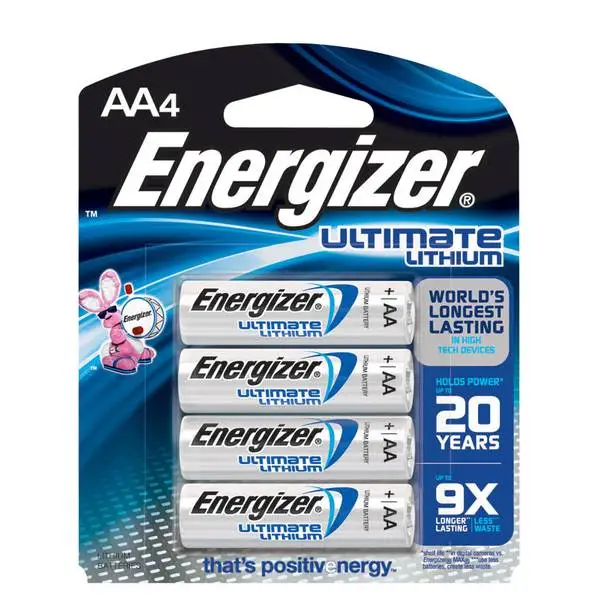
Device mismatch is the third complaint category: not every AA use case is “everyday low to mid-drain.” When batteries are used in high-stakes or high-drain devices, some buyers feel misled by the “MAX” branding. Trustpilot/Revain’s Jill S. was blunt: “these batteries are definitely not ‘max’ batteries!” and contrasted them with a different Energizer line: “I need these Energizer ultimate lithium… now they last a month or more in my pump.” For medical device users, that story suggests a practical rule: MAX may be fine for household electronics, but some applications demand lithium.
Divisive Features
Leak protection is both a selling point and a fault line. On one side, users celebrate not seeing corrosion at all. Reddit user Ronald Martin emphasized long storage use in a tough environment: “garage flashlights that sit unused for months… these haven't leaked at all.” On the other, the harshest complaints involve leakage outcomes that contradict the peace-of-mind message. The gap may come down to age of stock, storage conditions, and retailer quality, but the lived experience is polarized: either “no leaks” becomes the reason to buy, or one bad incident becomes the reason to avoid.
High-drain performance is another divisive area. Plenty of shoppers are thrilled using them in controllers and toys, but independent-style performance reporting (CHOICE) shows weaker high-drain scores than low-drain ones. That helps explain why some buyers call them “powerhouse” while others, using specialized devices, feel they underdeliver. In short: the same AA can feel unbeatable in remotes and frustrating in certain high-demand gear.
Trust & Reliability
Digging deeper into user reports, “scam” concerns don’t show up as explicit fraud claims as much as fulfillment red flags: resealed packs, missing batteries, and suspiciously short-dated inventory. Trustpilot/Revain’s Tiffany V. framed it as a seller trust issue: “don't know if they were returned and used a little and the seller resealed the package… I will not buy from this seller again.” That pattern isn’t about Energizer’s spec sheet—it’s about marketplace quality control.
On long-term durability, the most concrete “time passing” story in the dataset comes from Reddit’s household-use angle rather than a formal “six months later” update. Reddit user Ronald Martin described weeks-long continuous toy use and months of idle flashlight storage without leakage: “running non-stop for weeks” and “sit unused for months.” Meanwhile, ReviewIndex snippets echo longer stretches like: “still going strong five months later.” These are anecdotal, but together they paint a picture: many buyers experience stable, long-running performance—until a minority run into bad stock or leakage events.
Alternatives
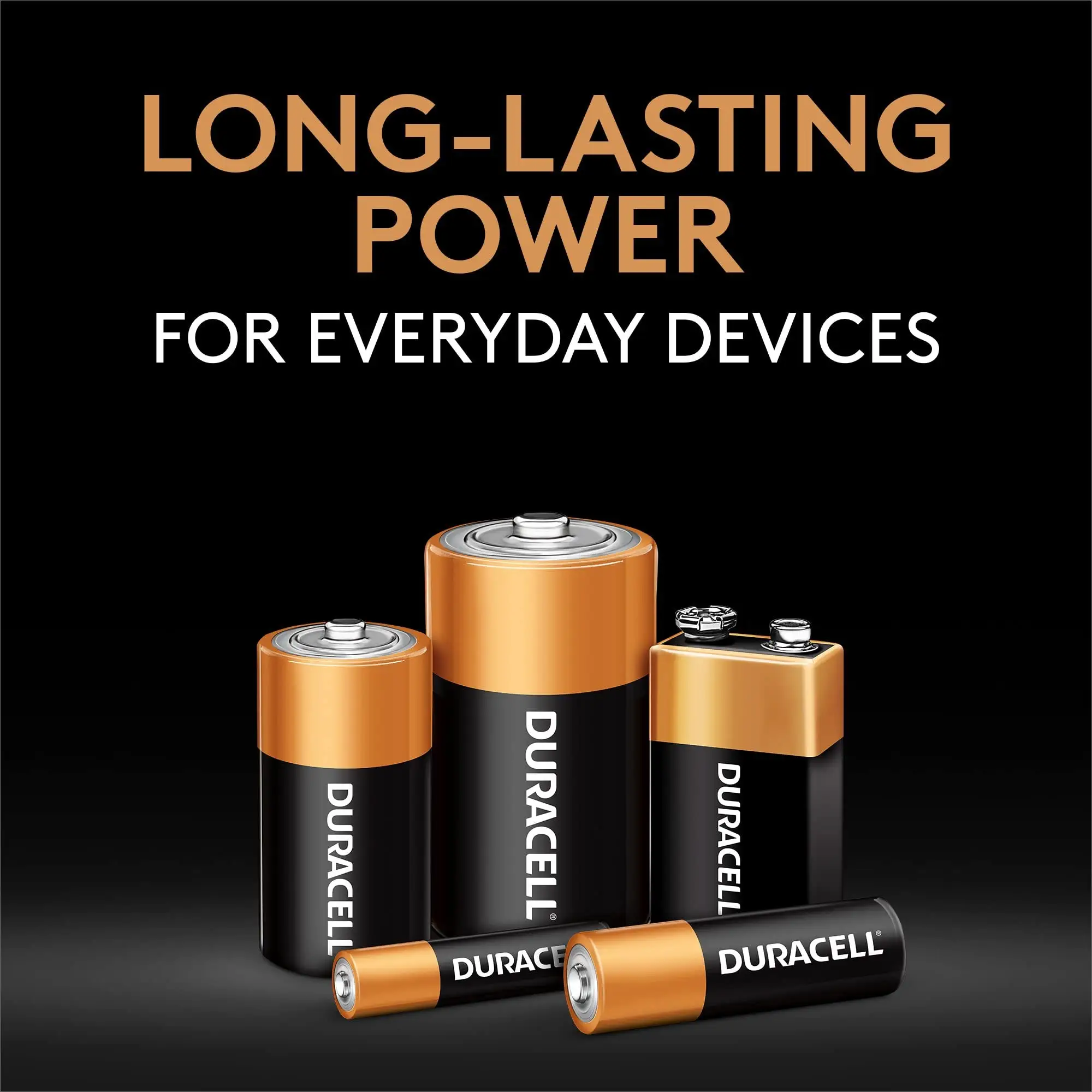
Only competitors mentioned in the provided data are included, and users repeatedly compare against Duracell and Energizer Ultimate Lithium.
For shoppers choosing between mainstream alkalines, the subtext is often “brand vs brand.” ReviewIndex snippets include comparison language like “last longer than the ‘copper top’ ones!” suggesting some buyers perceive an edge over Duracell CopperTop in their own devices. But the data also includes a Groupon complaint where the buyer said they ordered Energizer and received Duracell Procell instead—then reported widespread leaking. That story reads less like a fair head-to-head and more like a warning about fulfillment accuracy when buying deals online.
For medical devices or high-stakes runtimes, the clearest alternative is within Energizer’s own lineup. Trustpilot/Revain’s Jill S. contrasted MAX with lithium directly: “Energizer ultimate lithium… last a month or more in my pump,” versus MAX lasting “2 weeks.” For users who need the longest runtime per swap, that quote positions lithium as the practical upgrade—at the cost of higher price.
Price & Value
Pricing sentiment is strongly shaped by bulk-buy math. Amazon’s 48-count listing shows roughly $0.52 per battery, and buyers treat that as a stock-up opportunity. Reddit user Ronald Martin said: “the Amazon price is insane compared to stores. I saved like $5 getting them here.” Best Buy adds another angle: clearance pricing can be dramatic, with the 20-pack shown at $5.99 (clearance) in the provided data, and many reviews call out “great price” alongside “battery life.”
Resale listings (eBay) reinforce that date codes and “new/sealed” status matter in the secondary market, with many listings highlighting expiration years (e.g., “exp 2030,” “exp 2035,” “exp 2036”). That mirrors the Trustpilot/Revain cautionary tale from Dnasty J.: “Check the date and return it if that is not reasonable.” Buying tips from the community effectively boil down to: buy big packs for value, but verify packaging and expiration.
FAQ
Q: Do Energizer MAX AA Batteries actually last a long time in everyday devices?
A: Yes, many buyers describe long runtimes in common household gear. A Best Buy reviewer, Humber Tom, said they offer “outstanding longevity,” and Reddit user Ronald Martin claimed a toy ran “non-stop for weeks.” Most praise clusters around toys, remotes, flashlights, and controllers.
Q: Are they really leak-resistant, or do they still leak?
A: Feedback is split. Reddit user Ronald Martin said his didn’t leak “even in our garage flashlights that sit unused for months.” But Trustpilot/Revain user Dnasty J. reported two batteries “exploded” and “corroded” an expensive flashlight. Leakage seems uncommon, but the risk is serious when it happens.
Q: Are these good for medical devices like insulin pumps?
A: It depends on the device’s power demands and manufacturer guidance. Trustpilot/Revain user Jill S. said MAX batteries lasted “2 weeks” in her insulin pump, while “Energizer ultimate lithium” lasted “a month or more.” Some medical use cases appear better served by lithium.
Q: What’s the biggest risk when buying online?
A: Packaging integrity and freshness. Trustpilot/Revain user Tiffany V. described a torn, taped pack and receiving “only 19 instead of 20.” Dnasty J. warned about near-expiry stock and advised: “Check the date and return it if that is not reasonable.”
Q: Are they better than Duracell?
A: Some users think so in their own devices, with ReviewIndex snippets claiming they “last longer than the ‘copper top’ ones.” However, the dataset also includes a Groupon case where a buyer received Duracell Procell instead of Energizer and then reported leaking—more a fulfillment warning than a clean brand comparison.
Final Verdict
Buy Energizer MAX AA Batteries if you’re a high-rotation household (toys, remotes, flashlights, game controllers) and you stock up when prices drop—Best Buy reviewers repeatedly praise “long-lasting” performance, and Reddit user Ronald Martin called the pricing “insane compared to stores.”
Avoid if you need maximum runtime in a medical device or you’re buying from questionable sellers; Trustpilot/Revain user Jill S. preferred “Energizer ultimate lithium,” and Tiffany V.’s “only 19 instead of 20” story highlights marketplace risk.
Pro tip from the community: check the date code/expiration and packaging on arrival—as Trustpilot/Revain user Dnasty J. put it: “Check the date and return it if that is not reasonable.”