Panasonic Eneloop Pro AA Review: High-Drain Performance Verdict
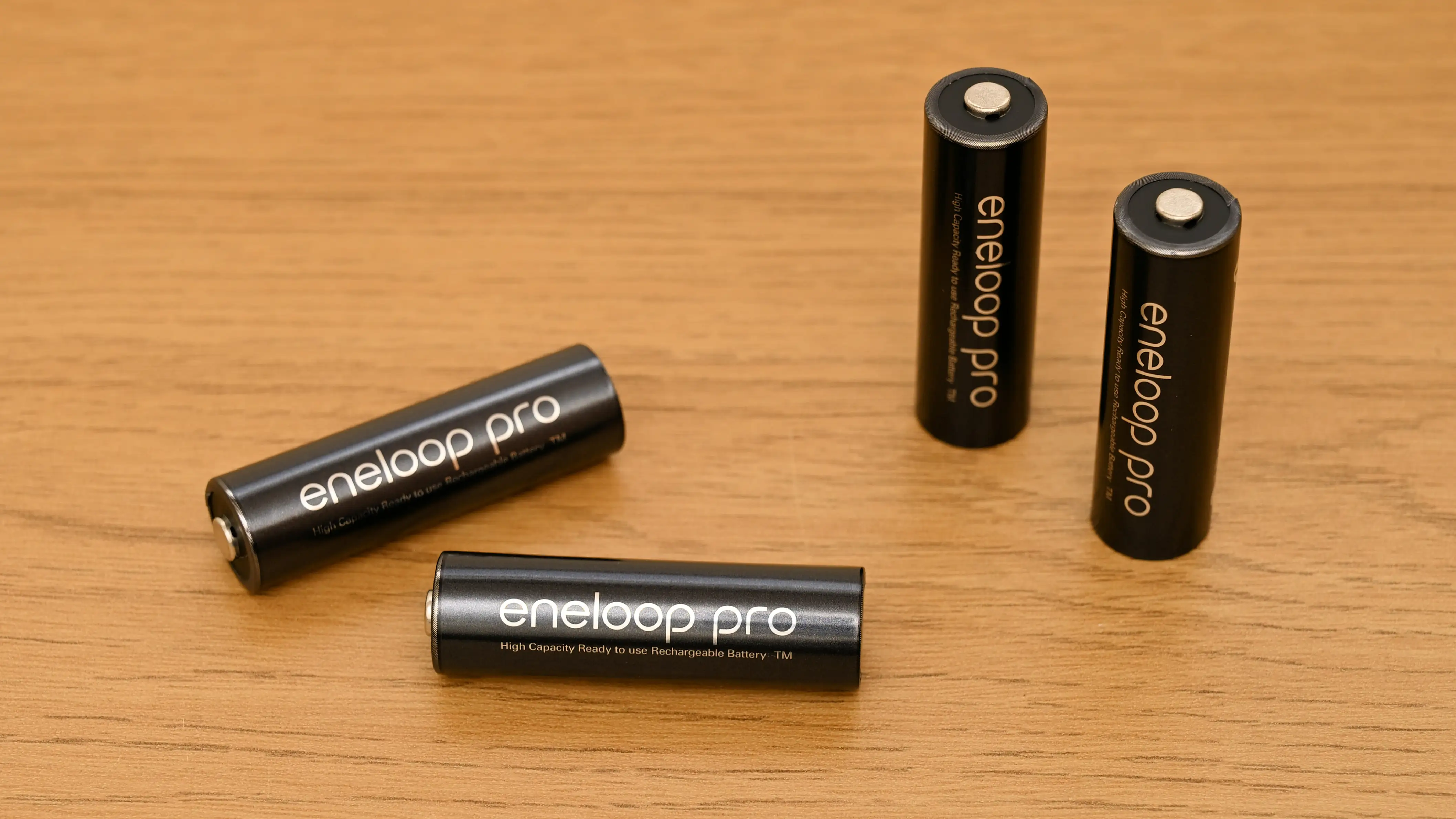
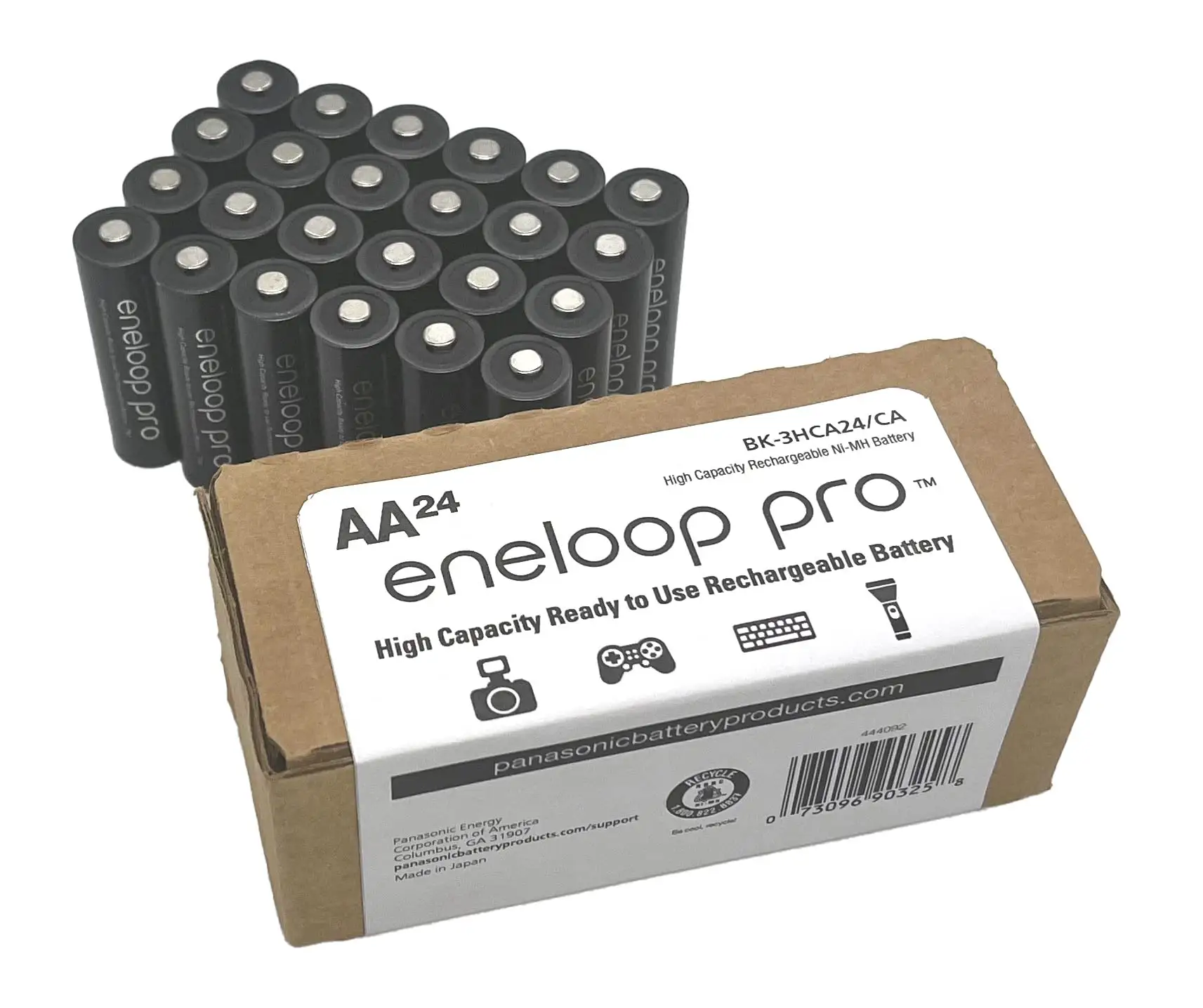
Few rechargeable batteries have earned the kind of long-term loyalty the Panasonic Eneloop Pro AA Rechargeable Batteries, 24-Pack enjoys. Across platforms, professional photographers, gamers, and gadget users consistently rate them highly for reliability, longevity, and performance in demanding gear. Verdict: 9/10 – exceptional for high-drain devices, with minor caveats in lifespan versus standard Eneloops.
Quick Verdict: Conditional – Ideal for high-drain, professional use; may not be the best choice if you prioritize maximum recharge cycles over peak capacity.
| Pros | Cons |
|---|---|
| Holds up to 85% charge after 1 year in storage | Fewer recharges (max ~500 cycles) than standard Eneloops |
| 2550mAh capacity for longer runtime | Higher cost than many competitors |
| Stable voltage even in sub-zero temperatures | Not suitable for airtight battery compartments |
| Rapid recovery time for camera flashes (3.3s) | Slightly lower voltage than single-use alkalines |
| Pre-charged with solar energy | Some users report longevity issues after years of heavy use |
| Made in Japan – consistent QC | |
| No memory effect – charge anytime |
Claims vs Reality
One of Panasonic’s core claims is that Eneloop Pro cells retain 85% of their charge after a year in storage. Digging deeper into user reports, both casual and professional users confirm this, often recounting instances where they pulled batteries from a drawer months later to find them ready to go. As one verified buyer on Amazon noted: "You can take them out after 6 months and they still retain their charge."
Marketing also touts “up to 500 recharges” – but multiple long-term owners suggest that while this is achievable under ideal conditions, heavy use can shorten lifespan. On ProductReview.com.au, one user contrasted their black Pro set unfavorably with older standard Eneloops: "None of them accept a full charge any longer... my standard eneloops are still recharging fine." This highlights a trade-off between the higher capacity and total cycle life.
Finally, Panasonic promotes superior performance in extreme temperatures. Reddit users back this up, saying equipment from camera flashes to wireless mics stayed operational outdoors at -10°C. The spec sheet claims down to –20°C, and while some note “operation time is shorter than at room temperature,” the consensus is that they outperform alkalines in cold conditions.
Cross-Platform Consensus
Universally Praised
Photographers are among the most vocal champions. The fast flash recharge time – 3.3 seconds versus 76 seconds for alkalines – is repeatedly mentioned. Reddit user u/Photo*** shared: "That delay could make you miss the shot of a lifetime – with eneloop pros, my flash is ready before the subject has moved." For wedding and event shooters, that’s not just convenience, it’s saving critical shots.
Gamers benefit from the high capacity in controllers. A reviewer on ProductReview.com.au said: "Best rechargeable battery... extra time it is working compared to other battery I was using." Streamers and competitive players value reduced downtime and fewer swaps mid-session.
Families also praise the environmental and cost benefits. One Trustpilot review celebrated: "We won't use anything else now… no longer throwing out hundreds of single-use batteries." The pre-charge with solar energy resonates with eco-conscious buyers.
Common Complaints
The main complaint from veteran rechargeables users is reduced lifespan compared to standard Eneloops. Fakespot analysis shows this pattern in verified Amazon reviews: “lasts 40–50 shots with the Sony 28 frm flash” but over years, retention can fade. Those replacing batteries annually will find it acceptable; those seeking decade-long service may prefer the white Eneloops.
A niche but critical warning: not suited to waterproof flashlights or devices with airtight battery compartments. Panasonic’s own literature cautions that pressure build-up could lead to leaks or even explosions.
Finally, price is a consistent sticking point. Reddit discussions and eBay market data confirm the Pro series costs significantly more than alternatives. As one Amazon buyer framed it: "Try to get them when on offer as they’re not the cheapest, but you do tend to get what you pay for."
Divisive Features
Capacity versus cycle life divides opinion. For high-drain gear like photo strobes, RC toys, and audio equipment, users gladly trade half the recharge cycles for extended runtime. But standard Eneloop owners often see no difference in daily household devices, leading to lukewarm endorsements for general-purpose use.
Even the “black, bold” design is divisive. Some professionals enjoy the visual distinction from standard batteries in a kit bag; others find it purely cosmetic.
Trust & Reliability
Trustpilot feedback paints Panasonic Eneloop Pro as a product with minimal review manipulation, with Fakespot rating 77.5% of reviews as reliable. Long-term Reddit threads reinforce confidence in Japanese manufacturing quality controls.
Durability stories vary: Some 6-year owners still find them functioning at 80% capacity, especially when paired with Panasonic chargers; others see noticeable drop-offs after heavy cycling in high-drain devices. This aligns with the claim of 500 optimal cycles – repeated deep discharges accelerate wear.
Alternatives
In-community comparisons pit Eneloop Pro against the standard white or blue-capped Eneloops. While the Pro boasts ~28% higher capacity, the standard cells can last up to 2100 cycles – over 4x the Pro’s theoretical lifespan. As one ProductReview user noted: "Standard ones aren’t really any different to Duracell or any comparable brands... except they last way longer for me."
Budget-conscious buyers sometimes opt for IKEA Ladda 2450mAh cells, alleged to share similar specs to the Eneloop Pro at lower prices, though with mixed reviews on self-discharge.
For single-use, top-end alkalines beat rechargeables in cold-start voltage but lose to Eneloop Pro in sustained performance and long-term economics.
Price & Value
The 24-pack retails around $218.39 via official channels, yet eBay pricing shows smaller packs at ~$22–30 for AA Pro 4-packs. Buying in bulk often yields lower per-cell costs, but demand keeps resale values high – used sets in good condition still sell for ~50% of retail.
Community tips focus on bulk purchasing during holiday sales or bundling with chargers. One savvy Redditor advises pairing the purchase with a smart charger that individually monitors cells to extend lifespan.
FAQ
Q: Do Eneloop Pro batteries really hold 85% charge after a year?
A: Yes, multiple users confirm, even after six months in storage. This is due to low self-discharge chemistry, making them reliable for infrequently used devices.
Q: Are they worth the extra cost over standard Eneloops?
A: For high-drain devices like flashes, controllers, and audio gear, yes. For remotes and wall clocks, the standard version may offer better long-term value.
Q: Can I use Eneloop Pro in waterproof flashlights?
A: No. Manufacturer warns of potential leaks or explosions due to airtight compartments.
Q: How many times can they be recharged?
A: Up to 500 cycles under ideal conditions. Heavy use may reduce this; standard Eneloops can reach 2100 cycles.
Q: Do they work well in cold weather?
A: Yes, they’re rated down to –20°C and outperform many alkalines in sub-zero use, though runtime shortens versus room temperature.
Final Verdict: Buy if you’re a photographer, gamer, or professional who relies on high-drain gear and values long runtime, stable voltage, and low self-discharge. Avoid if your main use is low-drain household devices – you’ll get more cycles for less money with standard Eneloops. Pro tip from community: Pair with a smart charger and buy during promotions to maximize value.





