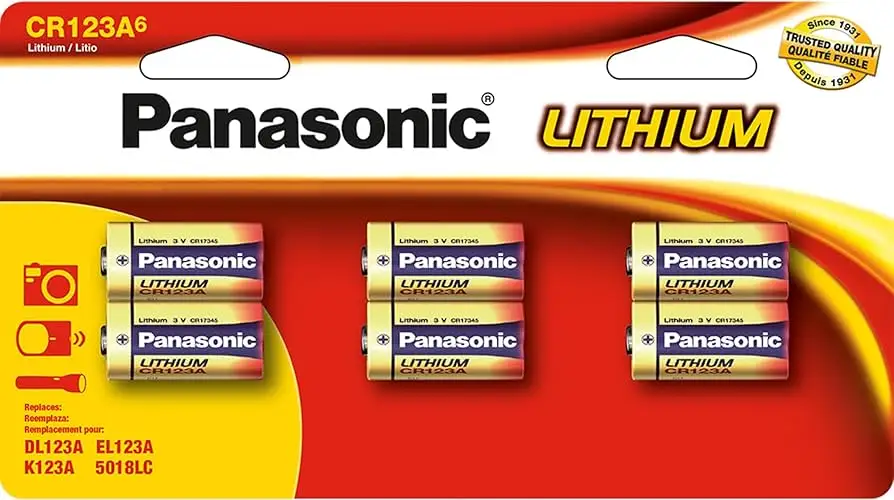
Panasonic CR123A Lithium Battery 6 Pack Review: 8.7/10
A Best Buy reviewer summed up the core appeal in one line: “Don’t want to go cheapo on an important device like a smoke detector.” That urgency—and the expectation that these cells should last—defines how people talk about the Panasonic CR123A Lithium Battery 6 Pack. Verdict: generally trusted for security devices and alarms, but with some sharp warnings when batteries arrive weak. Score: 8.7/10 based on cross-platform sentiment.
Quick Verdict
Yes—conditional. If you’re buying for critical devices (smoke/heat detectors, security sensors, Arlo/Ring-type gear), most feedback points to dependable performance and strong value when purchased from reputable retailers. The main risk in the feedback is receiving underpowered or questionable stock from certain sellers.
| What people focus on | What they said | Who it matters to | Source |
|---|---|---|---|
| Long runtime in security gear | “They are installed in all our security system sensors and are working great!” | Home/church security admins | Best Buy |
| Good value in multipacks | “Quality battery, best price around.” | Bulk buyers, property managers | Best Buy |
| Reliable replacements | “Worked perfectly in my ADT ceiling smoke, heat, detector.” | Safety device owners | Fakespot highlights |
| Consistent out-of-box readings | “All…were the same…‘out of the box’ voltage readings…dated 6/2036” | Buyers worried about freshness | Fakespot highlights |
| Red-flag weak batteries (seller-dependent) | “Only had 45% life…within a few hours went down to 12%…do not buy” | Anyone buying for critical devices | Groupon |
Claims vs Reality
Panasonic’s marketing leans heavily on longevity and reliability, with official materials emphasizing storage life and extreme-temp performance. Amazon specs describe the Panasonic CR123A Lithium Battery 6 Pack as built to last and able to “hold their charge for up to 10 years,” and Panasonic’s own documentation similarly highlights low self-discharge and broad operating temperatures. Digging deeper into user reports, the lived experience often supports the “set it and forget it” idea—especially in alarms and security sensors—but not always, depending on where they were purchased and what condition they arrived in.
Claim 1: “Up to 10 years” storage / long life. In real-world use, many owners frame these as the “don’t cheap out” choice for high-stakes devices. A Best Buy customer dealing with nuisance chirps wrote: “Great to silence smoke alarm low battery noise…they lasted a very long time.” Another echoed a long-run expectation: “Purchased exact battery type as those I was replacing, which were still working good after 5 years!” (Fakespot highlights). Still, that’s usage life, not shelf life—so the claim isn’t directly contradicted, but user stories focus more on multi-year device runtime than decade-long storage.
Claim 2: Reliable performance in high-drain devices. Panasonic positions CR123A cells as suitable for cameras, tactical flashlights, and security devices. The strongest alignment in the feedback is security gear: “Needed for home security window break sensors…have delivered good energy life so far.” (Best Buy). Another reviewer framed it as a brand standard: “The Panasonic CR123A lithium batteries are the ones specifically used for our church security system.” (Best Buy). For camera-adjacent usage, a Best Buy reviewer reported: “A month later and my camera is at 95 percent!” suggesting steady drain and strong retention in a real device.
Claim 3: Consistent quality / protective packaging. The most striking reality check shows up when batteries arrive already weak. A Groupon customer named Margaret gave a blunt warning: “These batteries only had 45% life on them and within a few hours went down to 12%…Do not buy…They are garbage.” That doesn’t necessarily refute Panasonic’s manufacturing claims—but it does highlight an end-to-end “buyer experience” gap where retail channel, seller, or stock handling can dominate outcomes.
Cross-Platform Consensus
Universally Praised
A recurring pattern emerged: people don’t buy the Panasonic CR123A Lithium Battery 6 Pack because it’s exciting—they buy it because the device it powers is non-negotiable. For homeowners with smoke/heat detectors or security sensors, the story is usually about avoiding failures at the worst time. One Best Buy reviewer said: “I highly recommend these battery. Don’t want to go cheapo on an important device like a smoke detector, you are protecting your home and family.” That’s not a spec-sheet argument; it’s risk management.
For security-camera owners and alarm-system users, “staying online” is the benefit that keeps coming up. A Best Buy customer using Arlo described steady early performance: “A month later and my camera is at 95 percent!” Another wrote: “Bought these for my security system…happy with them and they should last a while.” Even when the time horizon is shorter, the tone is confidence rather than tinkering—people want batteries that don’t become a recurring chore.
Price-to-quantity value is another consistent theme, especially versus retail single packs. Fakespot-highlighted feedback includes: “These are about 1/3 the price compared to buying in a retail store.” Best Buy reviewers also repeatedly tie value to trust, not just cost: “Quality battery, best price around.” For users running multiple sensors—window breaks, motion sensors, smoke alarms—the six-pack is framed as the “right amount” to refresh a system without scrambling for extras.
Finally, “freshness” and consistency out of the box becomes a kind of reassurance for careful buyers. One Fakespot-highlighted note zeroed in on uniform readings and long-dated stock: “All (6)…were the same…‘out of the box’ voltage readings…and all were dated 6/2036.” For someone managing multiple devices, consistent initial voltage is shorthand for “no dud in the pack.”
Summary bullets (after the stories):
- Long runtime praised most in smoke/heat detectors and security sensors (Best Buy, Fakespot highlights).
- Strong “value in bulk” framing compared with retail pricing (Best Buy, Fakespot highlights).
- Out-of-box consistency and long-dated stock reduces anxiety about duds (Fakespot highlights).
Common Complaints
The biggest complaint isn’t about the battery chemistry—it’s about receiving batteries that seem partially drained or questionable at arrival. The clearest example comes from Groupon, where a buyer named Margaret wrote: “Only had 45% life on them and within a few hours went down to 12%…do not buy.” For a user installing these into something like a smoke detector, that kind of experience isn’t merely annoying; it undermines the entire reason they paid for a trusted brand.
Another frustration shows up indirectly through warnings about cheaper sources. A Best Buy reviewer contrasted their experience with off-brand or poorly handled shipments: “They can be bought…at cheaper prices…likely to arrive loose in a clear plastic bag, and run out of power within a few weeks, or not work at all.” The subtext is that counterfeit risk, improper storage, or sloppy fulfillment can mimic “bad battery” performance even if the underlying product is usually dependable.
There’s also a practical complaint hidden inside otherwise positive reviews: device settings can dominate battery life. An Arlo user explained: “They last a long time as long as you don’t have the motion sensor constantly on… I use geo fencing.” That’s not Panasonic’s fault, but it’s a real-world limiter—high-trigger environments will burn through CR123A cells faster than expectations set by lighter-use stories.
Summary bullets (after the stories):
- Weak/partially drained arrival reports exist and are severe when they happen (Groupon).
- Buyer anxiety around “cheap sources” and questionable packaging suggests authenticity/handling concerns (Best Buy).
- High-activity settings (e.g., always-on motion) can shorten perceived life (Best Buy).
Divisive Features
Longevity is where opinions can split—not necessarily because the product varies wildly, but because the use case does. Some describe multi-month performance as strong, like “about two months…they last a long time,” while others frame typical life more modestly: “Most batteries will only last one year.” (Fakespot highlights). The contradiction isn’t “good vs bad” so much as “quiet sensor in a calm environment vs constantly triggered devices.”
Another dividing line is purchase channel confidence. Buyers who emphasize reputable retailers sound relaxed; buyers referencing marketplace-style listings sound more cautious. That Best Buy reviewer who warned about “a clear plastic bag” implicitly suggests the same battery type can feel radically different depending on fulfillment quality, storage, and perceived authenticity.
Trust & Reliability
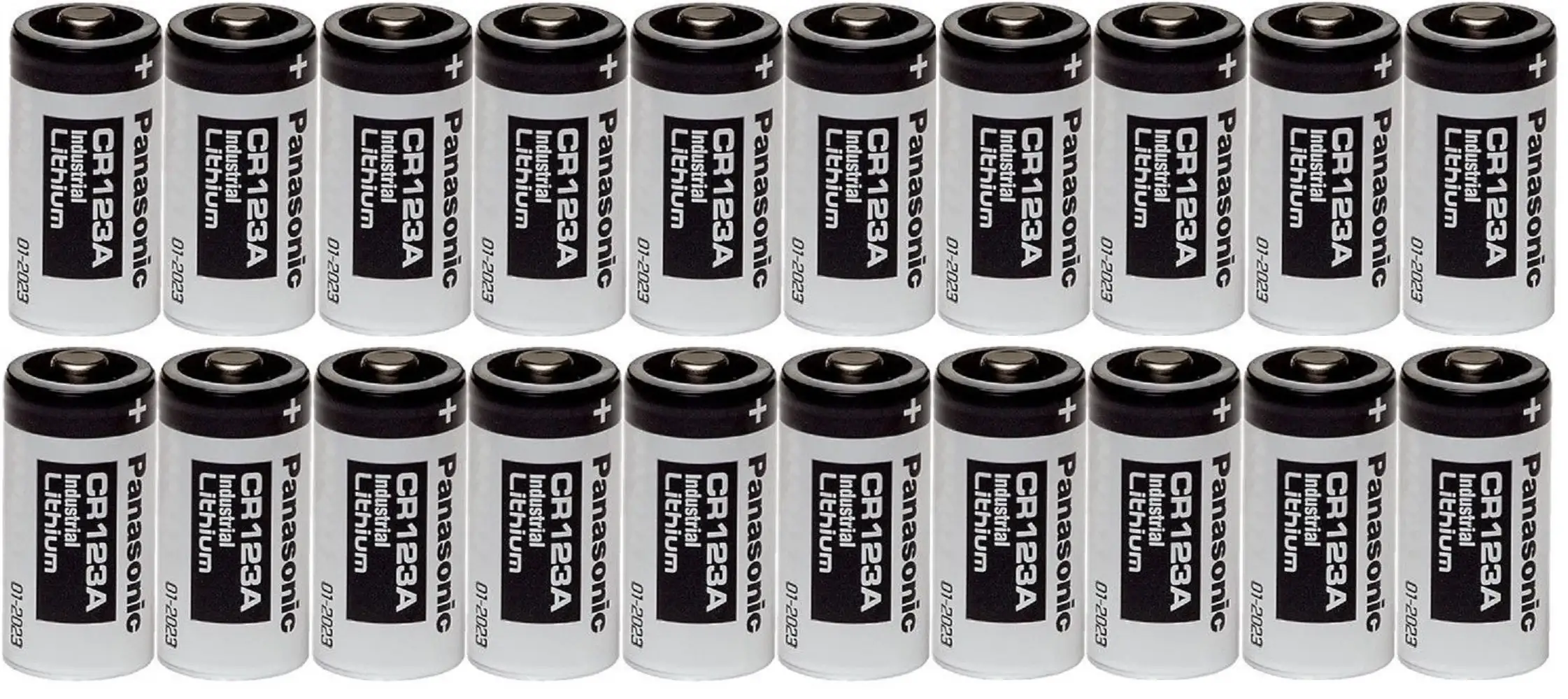
Digging deeper into trust signals, the data contains both reassuring and alarming anecdotes. On the reassuring side, buyers explicitly measure what they received. A Fakespot-highlighted user said all six batteries had consistent out-of-box voltage and were “dated 6/2036,” a detail that reads like a consumer doing basic QA to avoid stale inventory. Another user described simply matching a proven replacement cycle: “Purchased exact battery type as those I was replacing, which were still working good after 5 years!”
On the alarming side, the most direct “something’s wrong” account comes from Groupon, where Margaret wrote: “Only had 45% life…within a few hours went down to 12%.” That kind of rapid drop is exactly the scenario that fuels counterfeit or mishandled-stock fears. While Panasonic’s official materials emphasize safety structure and anti-leak protections, the user-level trust question is often simpler: do the batteries arrive fresh, and do they behave predictably once installed?
Alternatives
Only a few competitors are explicitly mentioned in the provided data. Duracell comes up in third-party content as a comparable CR123A option, framed around long storage guarantees and reliability for safety devices. In contrast, user feedback around the Panasonic CR123A Lithium Battery 6 Pack repeatedly anchors on “preferred” or “specifically used” in systems: “Honeywell specifically state that these batteries among others are preferred.” (Best Buy). That kind of “manual-approved” association can outweigh brand comparisons for security-system owners.
There’s also an implied alternative: cheaper, less-controlled sources of the same form factor. The Best Buy reviewer who cautioned about batteries arriving “loose in a clear plastic bag” paints the alternative as not another brand, but another supply chain. In that framing, Panasonic-from-a-trusted-retailer is the “alternative” to bargain listings that might be mishandled or questionable.
Price & Value
At the time of the provided Amazon listing, the Panasonic CR123A Lithium Battery 6 Pack is shown at $16.22 (about $2.70 per cell). Best Buy lists $16.49 for the six-pack and highlights a comparable value price of $22.99. Across user comments, value is rarely described as “cheap”—it’s described as “worth it” because it reduces replacement frequency and device downtime.
Resale/marketplace pricing varies widely in the eBay data, with listings ranging from single cells to bulk lots, sometimes at much higher per-pack prices. That spread reinforces a recurring buyer instinct: shoppers may pay a bit more to avoid the “dud battery” scenario. One Best Buy reviewer made that tradeoff explicit: “Buy from Best Buy, pay the price and you will find a battery which will last…4-5 months.”
Buying tips drawn from the community tone are consistent: purchase from a retailer you trust, and if you’re protecting a home with smoke detectors or powering security sensors, don’t optimize for the lowest possible price.
FAQ
Q: How long do Panasonic CR123A batteries last in real devices?
A: Reports vary by device and settings. A Best Buy reviewer using a camera said: “A month later and my camera is at 95 percent!” Others mention multi-month use in Arlo systems and years in some replacements, like: “Still working good after 5 years!” (Fakespot highlights).
Q: Are these good for security systems and smoke/heat detectors?
A: Yes—this is the most common use case in the feedback. One Best Buy reviewer wrote: “Great to silence smoke alarm low battery noise,” and another said: “Installed in all our security system sensors and are working great!” These are often framed as “don’t cheap out” devices.
Q: Do buyers report counterfeit or bad batches?
A: Some feedback raises concerns about weak batteries on arrival, which can feel like counterfeit or mishandled stock. A Groupon buyer warned: “Only had 45% life…within a few hours went down to 12%.” Separately, a Best Buy reviewer cautioned that cheaper sources may arrive “loose… and run out…within a few weeks.”
Q: Is the 6-pack a good value versus buying singles?
A: Many users think so, especially for multi-sensor setups. Fakespot-highlighted feedback says: “These are about 1/3 the price compared to buying in a retail store,” and Best Buy reviewers call it a “good value pack” because individual CR123A cells can be expensive.
Q: Do device settings affect battery life (e.g., cameras with motion)?
A: Yes, and users explicitly mention it. An Arlo user wrote batteries last a long time “as long as you don’t have the motion sensor constantly on,” describing use of “geo fencing.” Heavy-trigger environments can shorten runtime regardless of brand.
Final Verdict
Buy the Panasonic CR123A Lithium Battery 6 Pack if you’re powering security sensors, smoke/heat detectors, or Arlo/Ring-style gear and want the kind of confidence behind: “Don’t want to go cheapo on an important device like a smoke detector.” Avoid if you’re buying from a channel with questionable handling—Margaret’s warning (“45% life…down to 12%”) shows how ugly a bad shipment can get. Pro tip from the community: follow the “trusted retailer” mindset—one Best Buy reviewer put it plainly: “Buy from Best Buy, pay the price.”