MAXELL SR626SW Watch Battery Review: Worth It? 8.8/10
“Batteries last for a maximum of 1.5–2 years… but the manufacturer claims that the service life is longer,” and that single line captures the tension around MAXELL SR626SW Silver Oxide Watch Battery better than any spec sheet. Across platforms, buyers largely describe these as dependable, great-value 377/SR626SW replacements—with a few recurring worries about labeling, shelf-life transparency, and occasional short runtimes. Verdict: strong buy for basic watch swaps and bulk stocking, with caveats. 8.8/10
Quick Verdict
For many everyday watch owners, MAXELL SR626SW Silver Oxide Watch Battery lands as a “buy again” product—especially when replacing multiple watches at once. Reddit-style reviewers and aggregated analysis repeatedly point to fit and immediate performance (“worked well and as expected”), while deal-hunters compare it favorably to local retail markups (“cheaper than buying at the store!”).
Still, digging deeper into user reports, longevity expectations can diverge. One reviewer explicitly flags lifespan as shorter than claimed, and another complains about missing expiration dates on packaging—two issues that matter most to people buying multi-packs to store for years.
| Verdict | Evidence from users | Who it’s best for |
|---|---|---|
| Yes (with small caveats) | “Very high quality product, it’s not the first time I bought it.” | Repeat buyers replacing watch batteries regularly |
| Pros: Price/value | “The price was amazing—the best price I’ve ever found!” | Budget shoppers, bulk buyers |
| Pros: Works as expected | “Batteries worked well and as expected.” | Anyone wanting a straightforward 377/SR626SW swap |
| Pros: Easy DIY swap | “Changing the battery… only took 7 minutes.” | DIY watch owners avoiding jeweler fees |
| Cons: Shelf-life transparency | “There are no expiration dates…” | Stockpilers, emergency spares |
| Cons: Longevity varies | “Maximum of 1.5–2 years.” | Users expecting multi-year runtime |
Claims vs Reality
A recurring pattern emerged: the official descriptions emphasize stable voltage, “low drain” suitability, and long shelf life—yet user feedback focuses on practical outcomes like immediate fit, whether a device restarts properly, and how long it lasts in real use.
Claim: Long shelf life (5+ years) and stable performance.
On the official Amazon listing, the product is described as having a “shelf life of 5+ years” and providing “a stable voltage until the end of the discharge life.” That aligns with many people’s first impressions: the aggregated review snippets repeatedly say “excellent battery life” and “as described good charge,” and one reviewer reported extended use in multiple watches: Anne N. said: “So far, all three clocks show a time of about 8 months.”
But the same pool of feedback also reveals anxiety about how “fresh” the batteries actually are when they arrive. Kenta Sasaki noted a packaging concern: “There are no expiration dates on the individual battery packs or on the box.” That complaint doesn’t necessarily prove the batteries are old—it shows that for stockpilers, the lack of a clear date code undermines the shelf-life promise.
Claim: Better than cheap batteries; fewer timing issues.
Digging deeper into user reports, the “silver oxide vs cheap alternatives” theme shows up in a very practical way. Kenta Sasaki described an outcome watch owners care about: “The silver battery is good because the clock turns off immediately, and does not start to lag behind like with other cheap batteries.” For users with analog watches where accuracy matters, that “no lag” story becomes the lived version of “stable discharge curve.”
Still, that same reviewer pairs praise with a blunt longevity critique: “Batteries last for a maximum of 1.5–2 years… but the manufacturer claims that the service life is longer.” While marketing frames long service life, at least some users experience shorter real-world runtimes.
Claim: Works broadly across watches and small devices.
The product description lists watches plus devices like cameras and calculators. Feedback generally supports broad compatibility in watches. Anne N. said it “works well in three different watches (also from different manufacturers),” and aggregated snippets include: “it fit my watch!” and “fit all of my watches.” But the data also shows people using them beyond watches. Andrey Miltchov Petkov said he “bought to replace the battery in the freestyle libre 1 sensors… they work out stably for 14 days, but it is not always possible to restart after the expiration of 14 days,” suggesting “works” can be device-dependent—especially for medical-adjacent gadgets with strict power behaviors.
Cross-Platform Consensus
Universally Praised
The strongest through-line is simple: for many buyers, these SR626SW/377 cells arrive, fit, and bring dead watches back to life immediately. The aggregated review excerpts repeatedly reinforce that theme: “batteries were exactly as described… i used them for a watch battery replacement,” and “seem to have no issues with installation or use of these batteries.” For the typical watch owner, that’s the entire job description.
For DIY-minded users, the batteries aren’t just a product—they’re a way to avoid service costs. Barbara E. framed it as a small victory over the jeweler markup: “I bought batteries and a watch kit to replace for less when my jeweler wanted to replace the battery… changing the battery and closing the watch only took 7 minutes.” The implication is clear: for people comfortable with basic tools, a five-pack can cover multiple swaps quickly.
Value is the next near-universal theme. Kimberly J. emphasized the deal-hunting angle: “The price was amazing—the best price I’ve ever found!” That matches the aggregated analysis where price sentiment runs heavily positive, with quotes like “cheaper than buying at the store!” and “price is unbeatable.” For households with multiple watches (or people who maintain watches for family members), bulk pricing is treated as the main advantage.
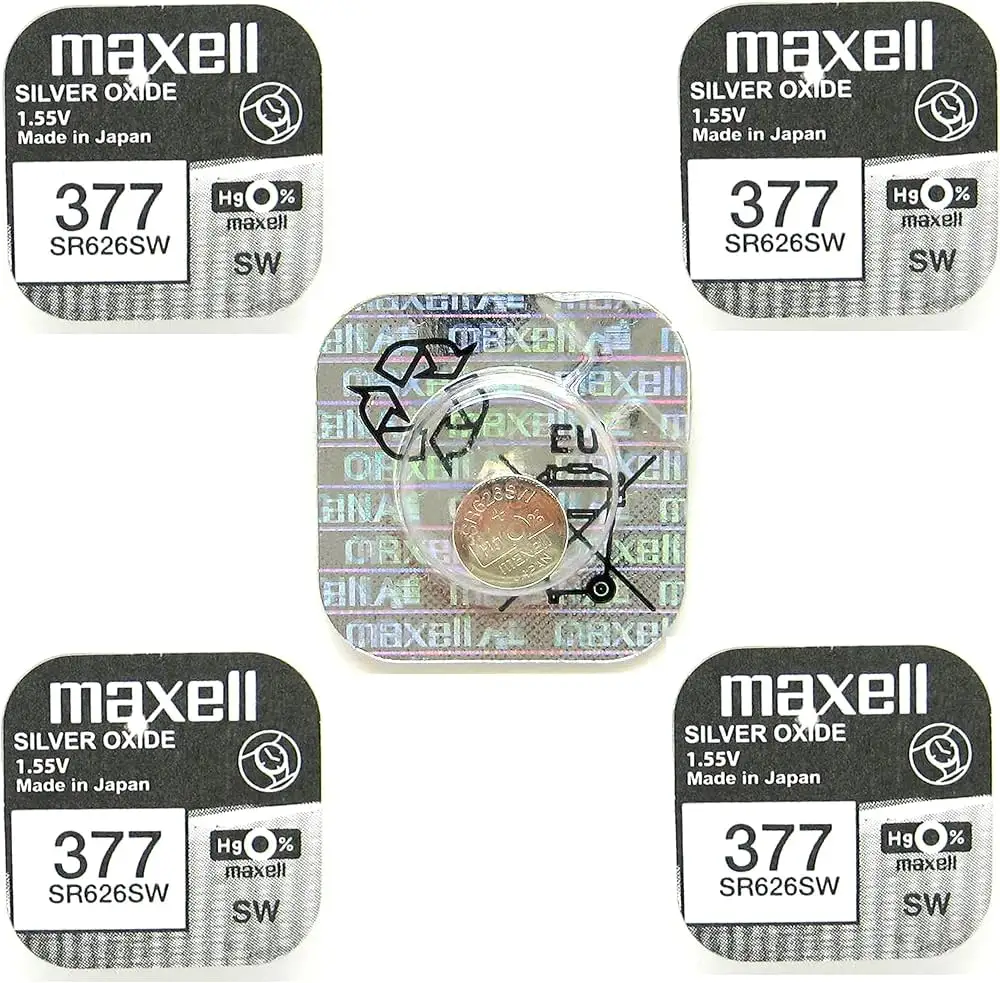
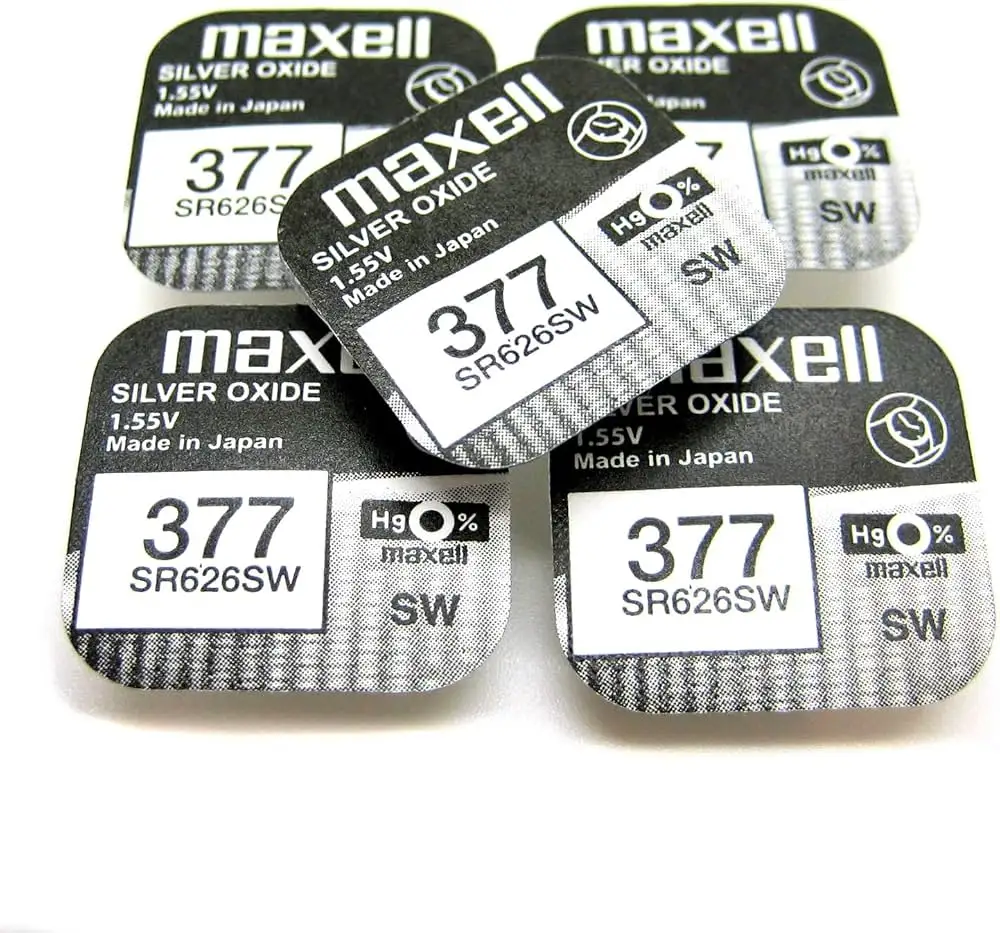
Finally, there’s a “looks legitimate” thread—important in a category where buyers worry about counterfeits. One reviewer described appearance and packaging confidence even before use: Kenta Sasaki said: “Batteries outwardly look original…” and the official listing itself highlights “hologram package,” which buyers frequently interpret as authenticity signaling.
Common praise themes (from user feedback):
- Fast “dead-to-ticking” watch recovery (“arrived quickly, and my watch ticks again.”)
- Strong value vs local stores (“cheaper than buying at the store!”)
- Straightforward DIY replacement (“only took 7 minutes.”)
Common Complaints
Longevity is the complaint with the biggest emotional swing, because it collides directly with why people buy multi-packs. A user who expects multi-year runtime will react differently than someone who’s happy with “good enough.” Kenta Sasaki’s comment is the clearest: “Batteries last for a maximum of 1.5–2 years… but the manufacturer claims that the service life is longer.” While officially positioned as long-lasting silver oxide, at least some users report a shorter practical lifespan.
Expiration and date labeling is another recurring friction point, especially for buyers stocking spares. Kenta Sasaki flagged: “There are no expiration dates on the individual battery packs or on the box.” In the aggregated review snippets, “they were also not expired” appears as reassurance—meaning buyers are checking and caring about freshness. When dates aren’t visible, trust takes a hit.
There are also reports of inconsistent performance across multiple batteries in the same purchase window. Kimberly J. described near-perfect results with a small hiccup: “I installed them… and four of them worked right away as expected. The fifth had a different problem unrelated to the battery.” Even when the issue may not be the cell itself, this is the kind of experience that makes bulk buyers nervous about variability.
Finally, there’s a small but sharp negative story embedded in the review analysis snippets: “i placed them in several watches that needed batteries, and they worked for approximately one week.” It’s not the dominant narrative, but it’s the kind of outlier complaint that shapes risk perception for people buying batteries to avoid repeated swaps.
Common complaint themes (from user feedback):
- Some users experience shorter life than expected (“maximum of 1.5–2 years”)
- Missing or unclear expiration info (“no expiration dates…”)
- Occasional short runtimes (“worked for approximately one week”)
Divisive Features
What’s “good enough” depends heavily on the user’s device and expectations. For standard analog watches, stories skew positive: Anne N. said they worked across “three different watches,” and Barbara E. found the first battery “worked great.” But in more demanding or specialized contexts, the experience can be more conditional. Andrey Miltchov Petkov’s use case—Freestyle Libre 1 sensors—highlights that even when batteries “work out stably,” device behavior (like restarts) may not cooperate: “it is not always possible to restart after the expiration of 14 days.”
Even the authenticity cues are interpreted differently. Some users feel reassured by packaging and appearance (“outwardly look original”), while others treat missing dates as a red flag. The result is a split: confidence driven by “hologram package” versus skepticism driven by “no expiration dates.”
Trust & Reliability
In the aggregated review-analysis data (published as a 9.1/10 score over “449 recent, verified reviews”), sentiment clusters around reliability markers like “worked as advertised,” “exactly as pictured,” and “they were also not expired.” That pattern suggests a baseline of functional trust: many buyers feel they received the right item and it powered devices normally.
But digging deeper, long-term reliability remains the unresolved question because many user stories are mid-horizon rather than multi-year. Anne N. offered an early durability checkpoint: “So far, all three clocks show a time of about 8 months.” By contrast, Kenta Sasaki’s longer view claims “maximum of 1.5–2 years,” explicitly pushing back on longer-life expectations. While the official positioning emphasizes extended service life, multiple user reports center on “months later” durability rather than multi-year certainty.
Alternatives
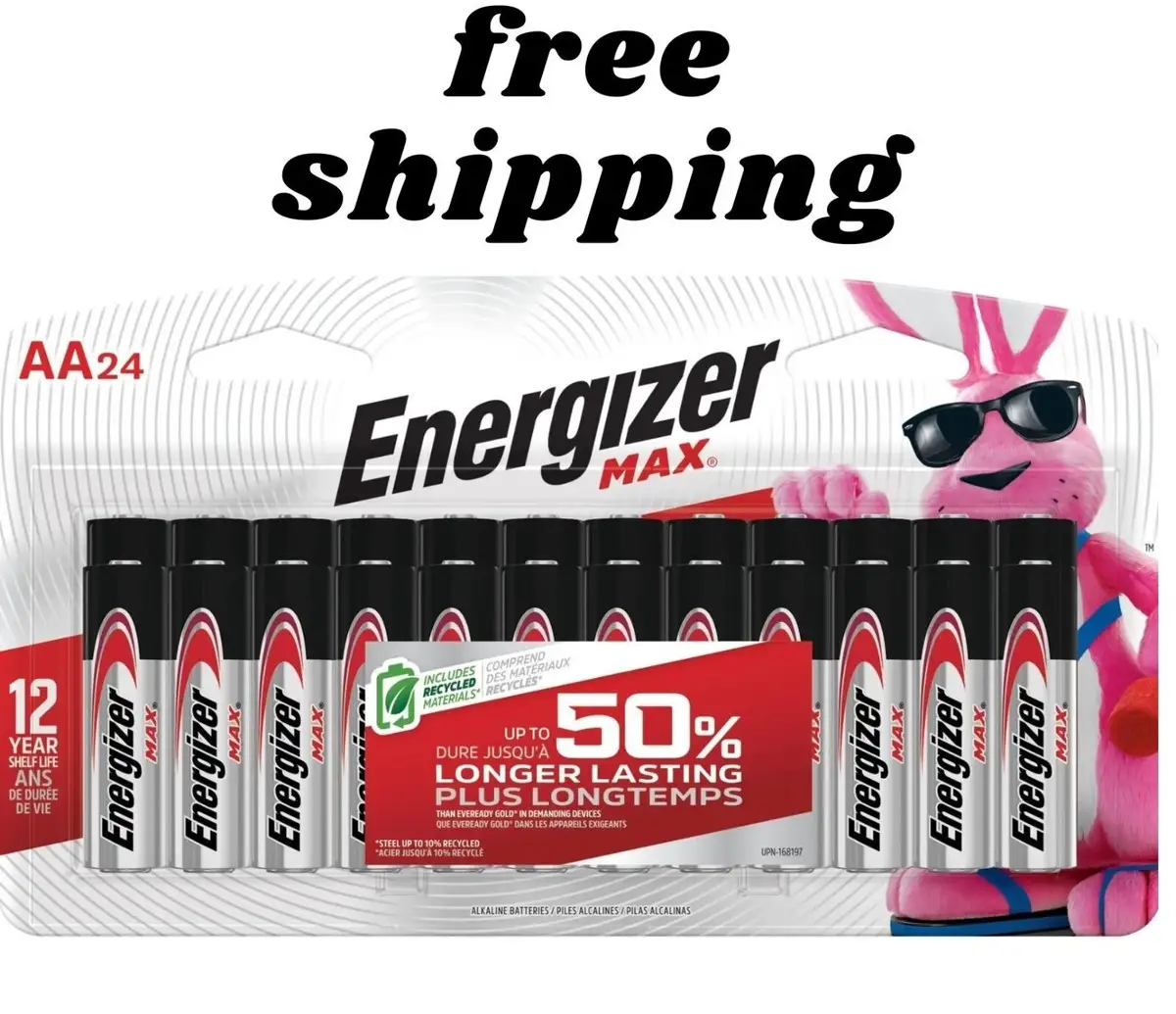
Only competitors mentioned in the provided data appear repeatedly: Energizer 377/376, Duracell 376/377, Renata 377, and Sony/Murata 377. The eBay market listings show Renata and Sony/Murata frequently sold with explicit expiration years (for example, listings showing “exp 10/2032”), which directly addresses the “no expiration dates” frustration some users reported with Maxell packaging.
For brand-loyal buyers who prioritize “trusted battery brand” narratives, Duracell and Energizer appear in the scraped blog-style sources—but those sources also include overt “I tested” language and promotional tone, making them less reliable as pure user feedback. What remains solid from the data is market presence and availability: eBay shows wide availability across Renata, Sony/Murata, Energizer, Duracell, and Maxell, with many listings emphasizing freshness and expiration dates.
Price & Value
On Amazon (US listing), the pack is framed as a low-cost multi-buy (“$3.48… $0.70/count”), and user feedback repeatedly treats price as the deciding factor. Kimberly J. said: “The price was amazing—the best price I’ve ever found!” and the aggregated analysis is packed with price-driven lines like “cheaper than buying at the store!” and “price is unbeatable.”
Resale value isn’t a typical theme for consumable batteries, but the eBay market data functions as a proxy for price trends and bulk economics. Listings show everything from small authorized-seller packs (e.g., Renata 2-piece for $1.75) to large Maxell bulk lots (50 batteries for $18.95). For heavy users—watch repair hobbyists, families with multiple watches, or workplaces managing small devices—those bulk lots can outperform single-pack retail pricing.
Buying tips that emerge from community-style feedback are practical: buyers want freshness indicators, predictable performance across the whole strip, and packaging that signals authenticity. That’s why some sellers emphasize “original hologram packaging,” while some buyers zero in on date/expiration markings.
FAQ
Q: Is SR626SW the same as 377 for watches?
A: Yes—users and listings frequently treat SR626SW as the 377 size for many watches. Multiple reviewers describe using them as “a watch battery replacement,” and one buyer said they worked in “three different watches (also from different manufacturers),” suggesting common compatibility when your device calls for 377/SR626SW.
Q: How long do these Maxell SR626SW batteries last in real use?
A: It varies by device and expectations. One reviewer said: “Batteries last for a maximum of 1.5–2 years,” while another reported early durability of “about 8 months” across multiple watches. Aggregated snippets also include extremes, including a report they “worked for approximately one week.”
Q: Are these good for DIY watch battery replacement?
A: Many buyers use them specifically to avoid jeweler fees. Barbara E. said replacing her Timex battery “only took 7 minutes,” and she framed it as saving money compared to her jeweler. If you’re comfortable opening and resealing a watch case, users describe the swap as straightforward.
Q: Do the packages show expiration dates or freshness?
A: Some buyers worry about this. Kenta Sasaki complained: “There are no expiration dates on the individual battery packs or on the box.” Other aggregated snippets suggest buyers do check for freshness (“they were also not expired”), so date labeling can matter if you’re storing spares.
Final Verdict
Buy MAXELL SR626SW Silver Oxide Watch Battery if you’re an everyday watch owner replacing multiple 377/SR626SW cells and you want a low-cost, commonly compatible option. Reddit user Ilona Cs Kov Cs said: “Very high quality product, it’s not the first time I bought it,” and Anne N. described them working across multiple watches with months of runtime.
Avoid if you’re stocking batteries for long-term storage and need clearly printed expiration dates—because one buyer warned: “There are no expiration dates…” Pro tip from the community: if you’re trying to stretch value, follow Barbara E.’s path—pair the batteries with a basic watch kit and do quick swaps at home (“only took 7 minutes”).