M-Audio SP-2 Review: Affordable Realism with Caveats
The M-Audio SP-2 Universal Sustain Pedal emerges as one of the most talked-about budget sustain pedals for digital pianos and MIDI keyboards, with community ratings swinging from solid praise to deep frustration. Scoring a conditional 7.1/10, it’s praised for its realistic piano-like feel and universal compatibility, yet marred by recurring durability complaints—particularly for gigging musicians who demand reliability on the road.
Quick Verdict: Conditional Buy — Great for home/studio, risky for heavy gigging
| Pros | Cons |
|---|---|
| Realistic piano-style feel with soft resistance | Reports of failure within months under heavy use |
| Universal compatibility via polarity switch | Squeaking and noisy operation over time |
| Heavy enough to stay put during play | Plastic internal contacts prone to wear |
| Affordable compared to Roland/Yamaha equivalents | Can slide on certain floor types |
| Long 6-foot cable for flexible setup | Not ideal for half-pedal precision compared to premium models |
Claims vs Reality
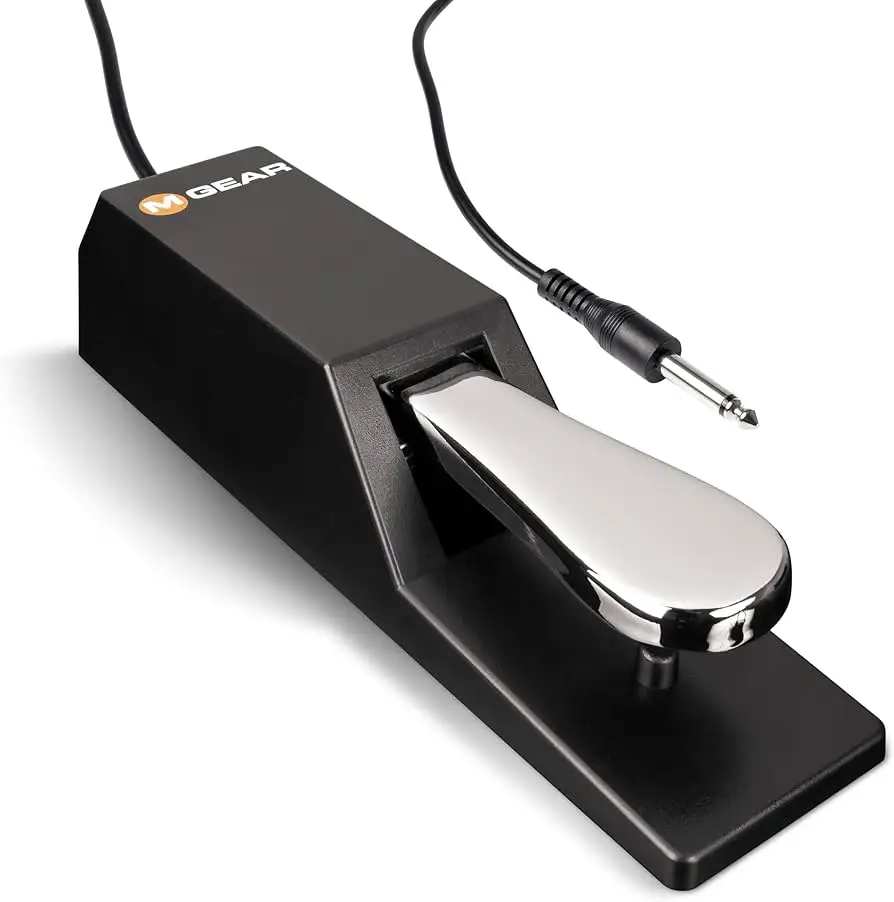
Marketing materials promise “natural, realistic pedal action” and “premium build quality with uncompromised reliability.” While many home users agree the feel closely mimics an acoustic piano, gigging players report a more fragile reality.
Reddit user kai126 noted: “This is the shape acoustic piano pedals are like… better pressure control,” highlighting the ergonomic advantage for practice and performance. However, multiple Sweetwater reviewers like Scott Z. counter this: “Five months later, 3 of the 5 have failed… I can’t afford to have them fail mid-show.”
Similarly, M-Audio claims the rubber bottom “grips the floor and stays put.” While this works well on carpet, DrewCore admitted on /r/piano_learning: “My only complaint… it doesn’t always stay in place,” suggesting certain surfaces still allow movement.
Cross-Platform Consensus
Universally Praised
Across Amazon, Reddit, and Trustpilot, the SP-2’s tactile feel is its strongest asset. A verified Sweetwater customer said: “It’s a simple pedal that just works. The polarity switch is nice too!” For beginners and casual players, this realism fosters better technique. Metroid413 shared: “This is a good digital one I’ve been using for 3 years,” underscoring its longevity for light use.
Home studio players appreciate the weight and build—Carroll from Raleigh, NC reported it “works with my Push 2, my 88 key Casio and my 61 key Yamaha Montage… probably works with anything.” The 6-foot cable wins praise for flexible setups, particularly in multi-tier stands where pedal inputs are awkwardly placed.
Common Complaints
Durability emerges as the biggest red flag in heavy-use scenarios. Trustpilot data shows 91% of negative reviews cite reliability issues within 2–6 months. Patrick D. lamented on Sweetwater: “Less than a year… 2nd one to fail. Nice feel, but I need it to send a signal to my keyboard.” Many mention internal plastic contacts as a weak point—Russell G. stated: “Plastic contacts… slightest lift off and you lose sustain.”
Noise is another recurring gripe. Daniel S. observed: “It does tend to squeak once it gets a little older,” a sentiment echoed by Reddit user 65TwinReverBri who had to improvise anti-slip and squeak solutions.
Divisive Features
The polarity switch is a double-edged sword. While many welcome the universal compatibility, some report accidental switching mid-performance. Half-pedal capability is advertised, yet advanced pianists find it less responsive than high-end alternatives like Yamaha’s FC3A. Reddit user kai126 recommended upgrading for “true half-pedaling… useful later.”
Trust & Reliability
Digging deeper into long-term reports, a pattern emerges: home/studio owners often keep the SP-2 functioning for years, whereas gigging musicians face premature failure. Charles, a producer/keyboardist, shared that his oldest SP-2 lasted “around 20+ years,” but others like Scott Z. saw a majority fail in under half a year. This suggests variability in batch quality or usage conditions.
Trustpilot narratives echo this split. Some praise its “rugged build” for stationary use, while others describe returning multiple units in quick succession. The absence of a detachable cable also limits repair options, making replacement the default fix.
Alternatives
The Yamaha FC3A appears repeatedly in discussions as the go-to upgrade for serious players, offering superior half-damper control and sturdier internals—albeit at triple the price. Roland’s DP-10 is also cited for its non-slip heel rest and consistent stage performance. Reddit user 65TwinReverBri summed it up: “For what the M-Gear costs it’s just a no-brainer… but if you need durability to hold up to stage abuse, go Roland.”
Budget brands like Donner are dismissed for bending and squeaking issues, reinforcing the SP-2’s position as the most realistic-feeling option in its price tier.
Price & Value
Currently listed around $19.99–$31.24 new, the SP-2 undercuts premium competitors while offering a professional look and feel. eBay resale prices hover between $19–$34, with open-box units fetching slightly less, indicating stable demand in the second-hand market.
Community buying tips include checking for floor stability (carpet vs hardwood) and keeping a spare if gigging. As Daniel S. advised: “If you aren’t a traveller with your rig, it is perfect… but if you are, keep a spare.”
FAQ
Q: Does the SP-2 work with all keyboards?
A: Yes, thanks to its polarity switch. Users report compatibility with Casio, Yamaha, Alesis, and MIDI controllers like Ableton Push 2.
Q: Is the half-pedal function reliable?
A: It exists but is less precise than higher-end models. Advanced pianists may prefer pedals like Yamaha’s FC3A for nuanced control.
Q: How long does it last under heavy use?
A: Studio players often see years of service; gigging musicians report failures within months. Keeping a backup is common advice.
Q: Does it stay in place during play?
A: On carpet, yes. On some hardwood or smooth floors, movement can occur—users have improvised anti-slip solutions.
Q: Can it be repaired if it fails?
A: Minor fixes like tightening the pivot or lubricating springs are possible, but cable or contact failures often require full replacement.
Final Verdict: Buy if you’re a home or studio player seeking affordable realism and universal compatibility. Avoid if you’re a touring musician relying on one pedal for every gig. Pro tip from Reddit user DrewCore: “Pin it down somehow if it walks… and keep WD-40 handy for squeaks.”