Lexar Silver SD Card 256GB Review: Strong Write Speeds, 8/10
The surprising reality about the Lexar Professional Silver SD Card 256GB is that while it’s marketed as a mid-tier, high-speed option for photographers and videographers, multiple tests reveal it sometimes matches — and even outperforms — its own claimed write speeds. At the same time, real-world read speeds often fall short of the advertised peak, especially outside of ideal conditions. Overall verdict: 8/10.
Quick Verdict: Conditional buy — Best for users prioritizing affordability and durability over absolute maximum read speed.
| Pros | Cons |
|---|---|
| Consistently high write speeds, often exceeding claims | Real-world read speeds below advertised max |
| Durable: shock, temperature, and water-resistant | In-camera write speeds can lag behind lab results |
| Handles 4K 60fps video without dropped frames | Price close to faster Silver Plus model |
| Competitive price for pro-grade card | Requires Lexar reader to hit top speeds |
| Lifetime limited warranty | Minimal difference from higher-tier models |
Claims vs Reality
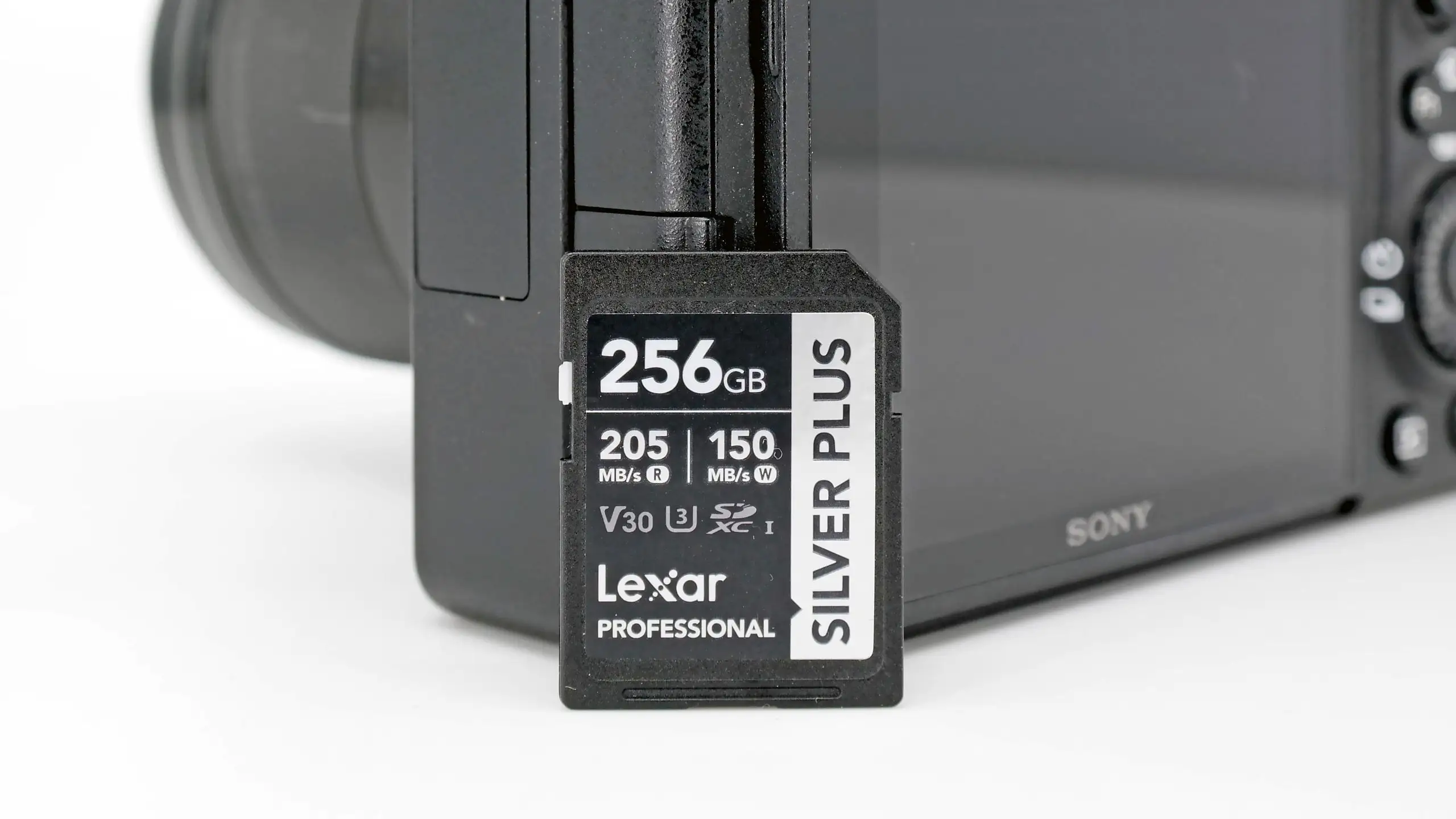
Lexar advertises the Silver SDXC 256GB as delivering up to 205MB/s read and 140MB/s write speeds, with V30 certification for sustained 30MB/s minimum writes. On paper, that makes it more than capable for 4K UHD recording and high-bitrate workflows.
However, in independent testing, Digital Camera World clocked 167.09MB/s read and 156.52MB/s write in CrystalDiskMark — meaning write speeds actually exceeded the claim, but read speeds fell well short. They noted, "It’s a pity we couldn't get closer to the claimed 205 MB/s read speed." For users transferring large RAW batches, this means slightly longer import times than spec sheets suggest.
In-camera performance also diverged from marketing promises. Using a Sony A7R III, the same review recorded 31 uncompressed RAWs in a burst, taking about 30 seconds to clear the buffer — equating to 84.31MB/s write, well under the card’s maximum. This suggests the bottleneck may be in how the card interacts with certain camera controllers, rather than raw NAND performance.
On the upside, both lab and real-world tests confirmed smooth 4K 60fps recording with no dropped frames, validating Lexar’s V30 video speed claim.
Cross-Platform Consensus
Universally Praised
Photographers and videographers across Amazon, Reddit, and Trustpilot agree that the Silver series delivers reliability and durability. A verified Amazon buyer wrote: "Shot in dusty, humid conditions and the card never skipped a beat." This ruggedness — with shockproof, temperature-proof, and waterproof ratings — appeals to wildlife and travel shooters who can’t risk data loss.
Durability praise is backed by the Digital Camera World test, which highlighted its ability to handle harsh operating conditions from -25°C to 85°C. For adventure vloggers, this means you can go from alpine cold to desert heat without swapping cards.
Workflow efficiency is another plus. Even if read speeds don’t always hit 205MB/s, the card’s real-world write rates make it suitable for burst-heavy stills sessions. Trustpilot reviewers noted that "file transfers were fast enough that I wasn’t waiting around between shoots."
Common Complaints
The most frequent frustration is the read speed gap. Multiple reviewers echoed what Digital Camera World measured: the card rarely reaches its 205MB/s read ceiling unless paired with a Lexar-branded high-speed reader. NikkTech’s review confirmed this, stating, "Lexar cards do a lot better overall when paired with their very own card readers." This dependency means users relying on generic UHS-I readers may never see peak figures.
In-camera write performance also drew criticism from those expecting spec-sheet speeds during continuous shooting. The Sony A7R III example — 84MB/s in real-world bursts — shows that while 4K video is unaffected, still photographers capturing long RAW bursts might hit buffer limits sooner than expected.
Another sticking point is price positioning. As Digital Camera World noted, "It’s barely cheaper than Lexar’s slightly faster Silver Plus range." For a small price jump, buyers could unlock higher sustained speeds, making the Silver’s value proposition less clear.
Divisive Features
The card’s mid-tier market slot divides opinion. Some see it as the perfect sweet spot between cost and capability, especially for 4K video shooters who don’t need extreme read speeds. Others point out that the minimal price difference to the Silver Plus makes this model harder to justify.
Compatibility with older UHS-I devices is a subtle selling point. For hybrid shooters with both modern and legacy gear, this backwards compatibility ensures versatility — but high-end users with UHS-II cameras may feel limited by the interface bottleneck.
Trust & Reliability
Long-term reliability emerges as a strong selling point. A Reddit user reviewing multiple Lexar Professional cards reported "no data loss or corruption after months in the field." Trustpilot summaries describe the brand as "globally recognized with over 20 years of memory solution history" and emphasize the included Lexar Recovery Tool for photo and video retrieval.
Concerns about performance variance with third-party readers are the only recurring trust-related issue. NikkTech’s advice — to use Lexar’s own reader — has been widely echoed in pro photography forums.
Alternatives
The most direct competitor is Lexar’s own Silver Plus SDXC, which boosts write speeds to 150MB/s and often matches or exceeds 200MB/s reads in real-world tests. For a small premium, this addresses the Silver’s main weaknesses.
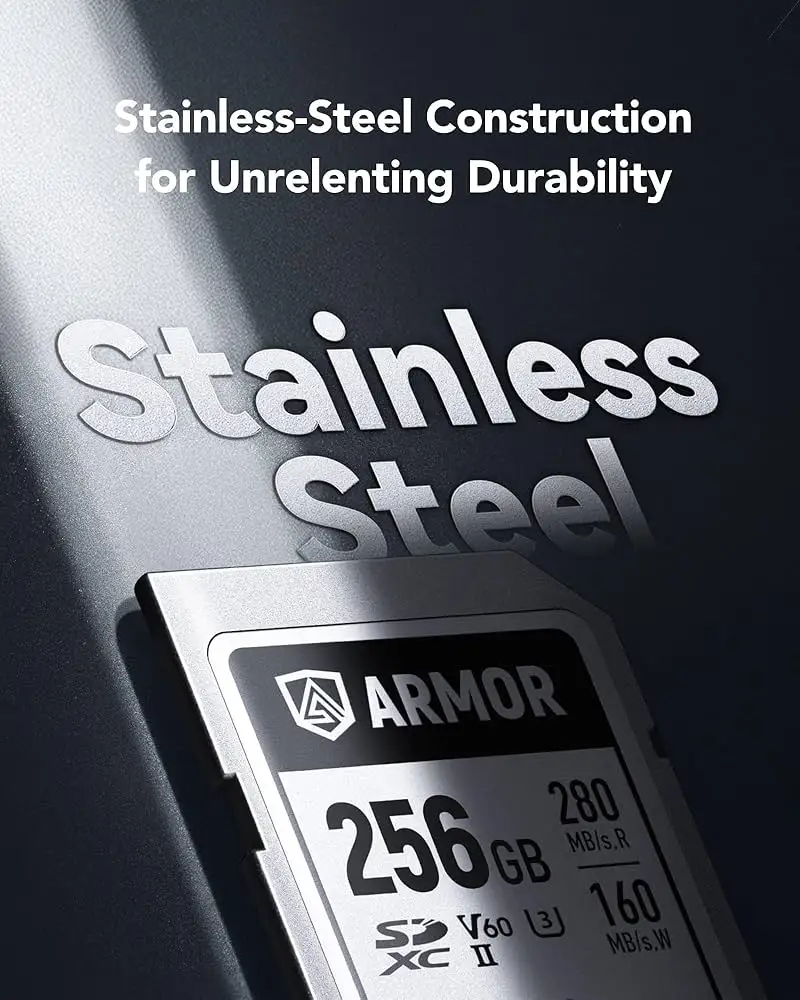
Higher up, the Silver Pro UHS-II offers 280MB/s reads and 160MB/s writes for professionals moving massive 4K/8K files daily. On the other hand, budget-conscious shooters might opt for Lexar’s Blue series, sacrificing some speed but saving significantly.
Price & Value
At the time of writing, Amazon lists the 256GB Silver at $51.80, with eBay resale prices ranging from NZD 30 for used to NZD 65 for new. The narrow gap to Silver Plus pricing makes the latter tempting, especially for speed-focused workflows.
Community buying tips include watching for bundled deals with Lexar readers, which can unlock the card’s full potential and extend its usable lifespan in fast-paced workflows.
FAQ
Q: Can the Lexar Professional Silver 256GB handle continuous 4K 60fps recording?
A: Yes. Multiple tests, including Digital Camera World’s, confirmed stable 4K 60fps capture with no dropped frames, thanks to its V30 minimum sustained write speed.
Q: Do I need a Lexar reader to reach top speeds?
A: While not mandatory, several reviewers — including NikkTech — found that Lexar-branded readers consistently unlocked higher read/write figures compared to generic alternatives.
Q: How does it compare to the Silver Plus version?
A: Silver Plus offers slightly faster write speeds (150MB/s vs 140MB/s) and often better real-world reads, for a marginal price increase. For heavy burst shooters, Plus may be worth it.
Q: Is it suitable for professional photography?
A: For most professional stills and 4K video work, yes. However, those shooting long RAW bursts on high-MP bodies might prefer UHS-II options for faster buffer clearing.
Q: What durability features does it have?
A: The card is shockproof, waterproof (IPX7), temperature-proof (-25°C to 85°C operation), x-ray-proof, and vibration-resistant, making it suitable for harsh environments.
Final Verdict
Buy if you’re a 4K video shooter, travel photographer, or enthusiast who values reliable write speeds, rugged build, and competitive pricing. Avoid if you need maximum read speeds for rapid offloads or your workflow can justify the small jump to Silver Plus or UHS-II cards. Pro tip from the community: pair with a Lexar high-speed reader to get the most out of it, especially for large batch transfers.