Koss KPH7G Review: Budget Comfort with Sound Tradeoffs
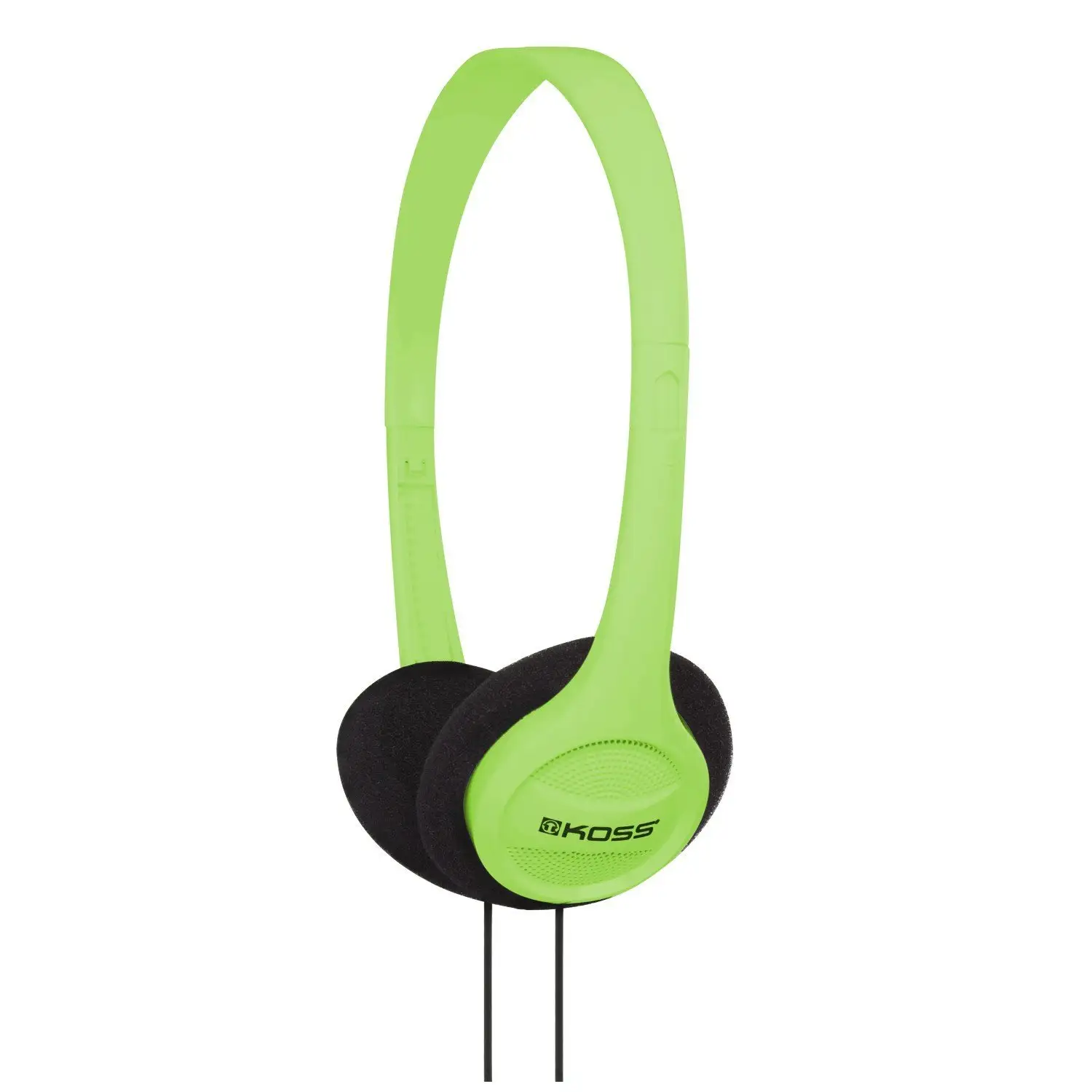
An unexpected chorus emerges from budget headphone buyers: the Koss KPH7G Portable On-Ear Headphone – Green earns admiration for portability and price, but leaves a lingering note of dissatisfaction in sound depth. Based on aggregated user sentiment, it rates a 6.8/10 — strong for spoken word and casual listening, weaker for bass-heavy music.
Quick Verdict: Conditional buy for budget-conscious listeners prioritizing comfort and portability.
| Pros | Cons |
|---|---|
| Lightweight and ultra-portable | Noticeable lack of bass/sub-bass |
| Adjustable headband for varied fits | Muted highs and tinny sound on some tracks |
| Deep bass marketed, decent in price category | Very low sensitivity; hard to drive from phone |
| Affordable ($3–$11 typical online) | Fragile all-plastic build |
| Good for podcasts and classrooms | Foam cushions can be uncomfortable over time |
| 3.5mm compatibility across devices | Bulky plug may not fit some phone cases |
Claims vs Reality
Koss advertises the KPH7G’s “deep bass production coupled with a wide frequency response.” While it is specced for 80–18,000 Hz, multiple seasoned reviewers dispute that claim. On Head‑Fi, one user bluntly noted: “there is virtually no bass or sub-bass… the doors are shut below 80 Hz.” For casual genre mixes, this absence left tracks feeling “anemic” compared to midrange-heavy voices that do cut through.
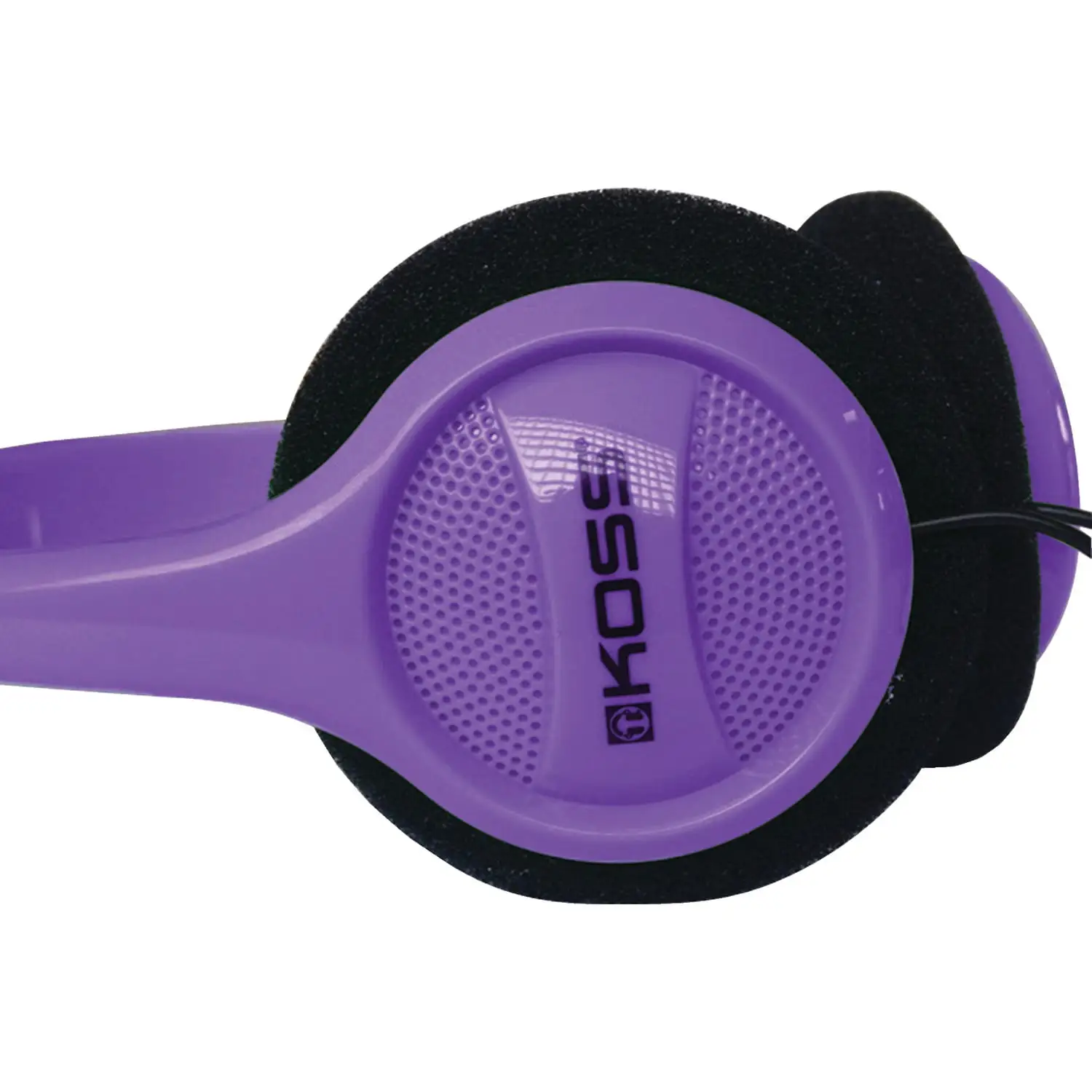
Another marketing point centers on “incredible sound performance” for portable use with MP3 players or iPods. While Reddit user darkrecess acknowledged they are “super light and foldable-flat” with good Bluetooth performance on the wireless variant, poor earcup fit “destroys” sound quality and accentuates a hollow treble.
Comfort and portability are genuinely delivered. A verified buyer on Amazon described the adjustable headband as “secure fit for any age” and appreciated tossing it “into my bag without worrying about space.” But that same user found the foam cushion pressure “not ideal for long listening sessions” — a recurring gap between marketed “extended comfort” and reported real-world wear.
Cross-Platform Consensus
Universally Praised
A recurring highlight is the KPH7G’s weight — just 2.4 ounces — which benefits commuters, students, and those carrying gear daily. A reviewer on Djapk.com emphasized, “compact design is perfect for portability, fitting easily into bags or backpacks.” In classroom contexts, Technology Galaxy even “highly recommend[ed] Koss KPH7 headphones for schools,” citing affordability and lack of sound leakage at moderate volume.
For spoken word tasks, such as podcasts or lectures, Head‑Fi feedback was positive. “Good timbre; cheap solution for listening to podcasts; lifetime warranty,” summarized one post, showing the unit’s appeal in low-frequency-light applications. The built-in one-touch remote (on certain variants) further aids usability for call-taking without extra gear.
Common Complaints
Sound depth forms the most consistent criticism. Head‑Fi’s audio_reviews user described drum kits as sounding “like somebody tortured the bottoms of plastic buckets with sticks.” This metaphor recurs in varied forms: muted highs from Djapk’s review, tinny output from B&H Photo customers, and missing “slam” in Head‑Fi posts.
Driving them from a phone is also problematic. The sensitivity rating of 91 dB (not high) means mainstream smartphones struggle to reach satisfying volume without amplification. Reddit’s darkrecess found performance acceptable for video playback, but as music demands rose, underpowered playback became obvious.
Divisive Features
Build quality splits the audience. Some applaud it as “remarkably durable for its price” (Djapk.com), surviving daily wear in casual settings. Others find the plastic “fragile for daily wear and tear” and criticize the all-plastic chassis as unsuitable for rough usage.
Sound leakage draws a surprising split; one B&H reviewer was pleased: “This set does not leak any sound… very affordable and I’m glad I got this.” Yet on Head‑Fi, the on-ear, open design was said to leak “music to bystanders,” creating possible annoyances in hushed environments.
Trust & Reliability
Community trust leans on Koss’s limited lifetime warranty, which reviewers consistently mention as a safeguard. No major scam patterns appeared in Trustpilot-style feedback; price transparency remains straightforward, with $3–$11 listings common.
Long-term durability threads are less celebratory. While no major incidents of unit failure flood forums, plastic construction makes users “cautious about rough usage” (Djapk.com). The foam pad durability is unremarked, suggesting average wear over months, but ear discomfort over prolonged sessions appears early.
Alternatives
In budget-friendly comparisons, users frequently mention the Sony MDR-ZX110 and JBL Tune 500. The Sony model offers “more padded earcup design, more comfortable” — better for long listening — while JBL’s Tune 500 delivers “more refined audio” at a higher but still modest price.
Within Koss’s own lineup, the KSC75 and Porta Pro are seen as superior for musical fidelity. Head‑Fi’s reviewer states the KPH7 is “in no way competition” to these models, recommending it primarily for podcasts. Panasonic’s RP‑HT21 emerges as another competitor, cited at B&H as “significantly better” for roughly the same cost.
Price & Value
At the time of review, eBay listings show $8.41–$11.95 for new units, with sales dipping to $3.62 on Amazon during promotions. Resale value is minimal due to low entry cost, but at this price, most buyers consider replacement rather than repair.
Buying tips from the community:
- Target sub-$6 pricing during sales for best value
- Ideal for bulk institutional buy (schools, libraries) when durability is secondary
- Avoid paying over $12 unless specifically seeking the green retro aesthetic
FAQ
Q: Is it good for bass-heavy music?
A: Not recommended. Multiple users note “virtually no bass or sub-bass,” which leaves bass-centric tracks feeling flat.
Q: Does it work well with smartphones without an amp?
A: It works, but volume and clarity suffer due to low sensitivity (91 dB). An amp improves performance.
Q: How comfortable are they for long sessions?
A: Fit is secure thanks to the adjustable headband, but foam cushioning can cause ear discomfort over extended listening.
Q: Do they leak sound?
A: At moderate volumes, some users report minimal leakage, while others notice it in quiet settings due to on-ear design.
Q: Is it durable enough for daily use?
A: Lightweight and portable, but plastic construction feels fragile; better suited to light handling.
Final Verdict: Buy if you’re a student, commuter, or podcast listener who values ultra-light portability and sub-$10 pricing. Avoid if you demand rich bass or plan to drive them solely from a low-powered phone. Pro tip from the community: pair with a small amp and use mainly for voice content to maximize value.