Koss KPH7 Headphone Review: Budget-Friendly but Flawed
Starting with a surprising twist, the Koss KPH7 Lightweight Portable Headphone, Black has been both celebrated as a budget-friendly workhorse and criticized as one of the weakest performers in Koss’s long history. The score? A conditional 6.5/10 — a rating that reflects its split personality: beloved by budget-conscious users needing basic, portable audio, but dismissed by audiophiles for lackluster sound and build compromises.
Quick Verdict: Conditional
| Pros | Cons |
|---|---|
| Extremely affordable (often under $10) | Noticeably limited bass and sub-bass |
| Lightweight and easy to wear for long periods | Poor sensitivity – struggles with phone output |
| Adjustable headband for varied head sizes | No noise isolation |
| Durable enough for school/office use | Fit issues affect sound quality |
| Portable and compact design | Bulky plug may conflict with phone cases |
| Lifetime Koss warranty | Earcups don’t swivel, limiting comfort fit |
Claims vs Reality
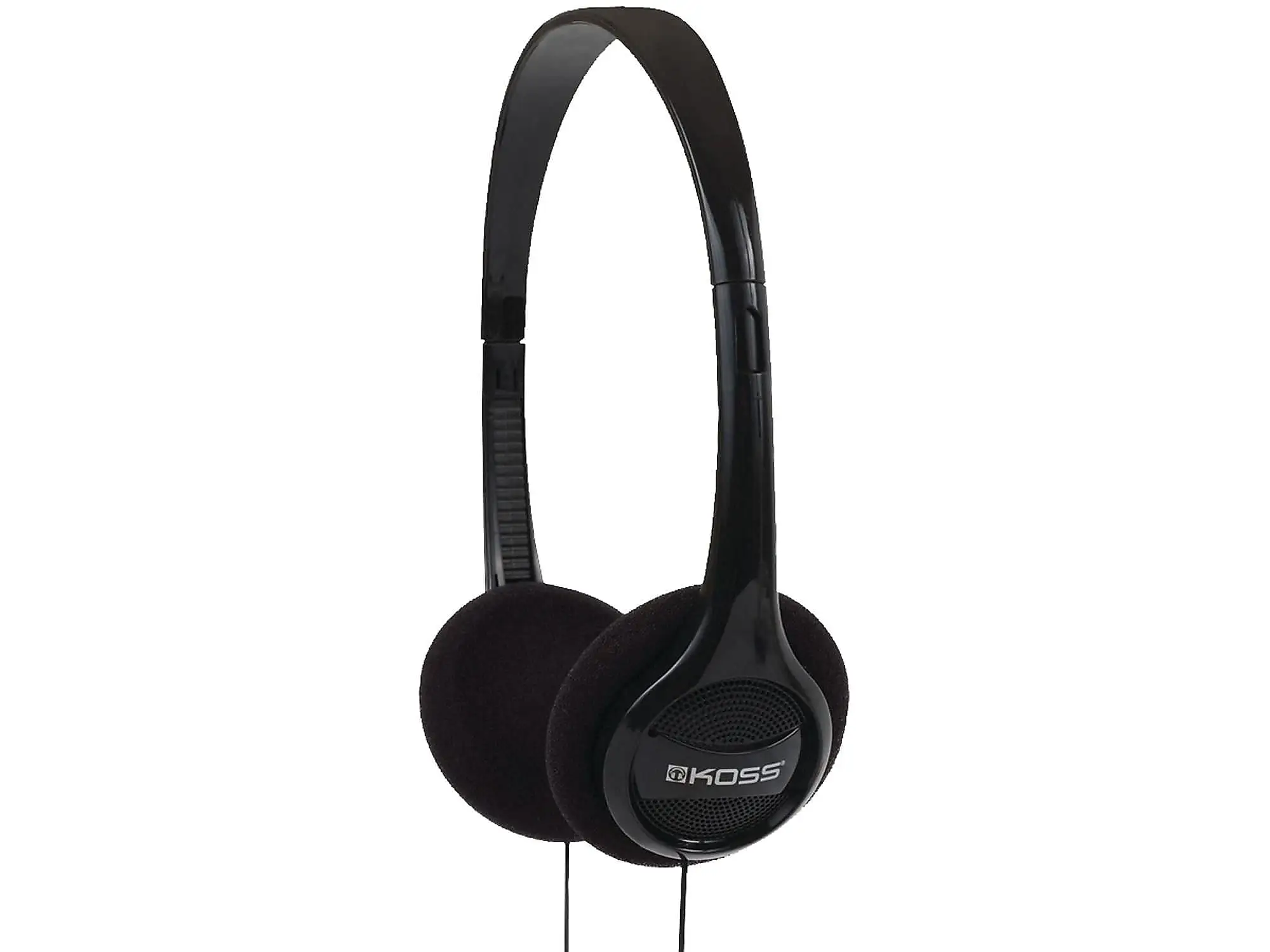
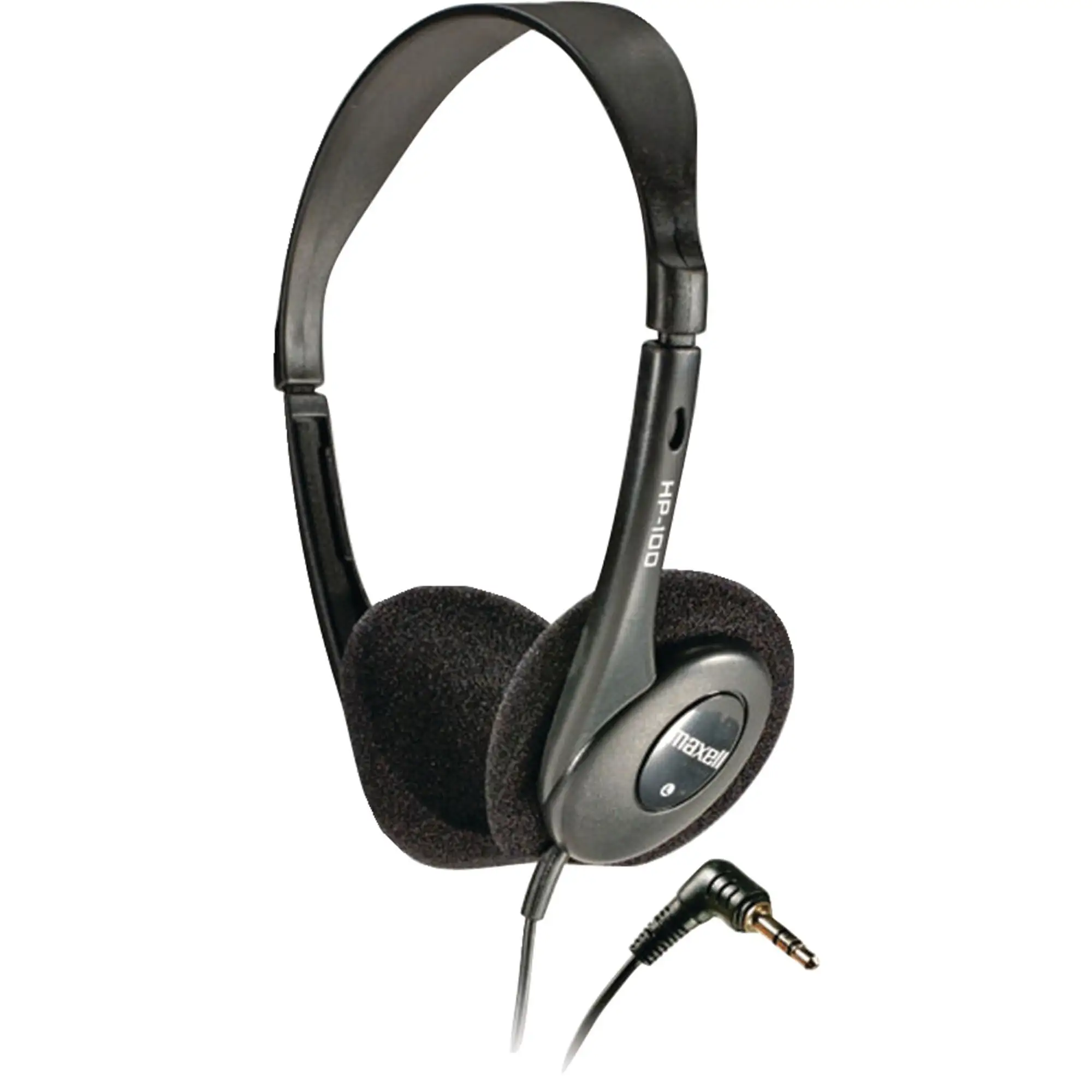
Koss markets the KPH7 as “lightweight on-ear stereo headphones” delivering “incredible sound performance… ideal for listeners seeking ultra-light headphones.” The company touts “deep bass production coupled with wide frequency response” and highlights portability, affordability, and comfort.
Digging deeper into user reports, the “deep bass” claim is at odds with the experiences of many. On Head-Fi, one reviewer bluntly stated that the KPH7 offers “virtually no bass or sub-bass… the doors are shut below 80hz,” adding that even drum kits sound “as if somebody tortured the bottoms of plastic buckets with sticks.” This aligns with the official wired model’s 80–18,000 Hz frequency range, which technically precludes true sub-bass reproduction.
Portability and comfort claims, however, do hold up for many. Multiple teachers on Reddit have praised them for classroom use. One wrote: “I get these for multi-use areas, and they last well, but my students also bring their own that we keep in the classroom.” The adjustable headband and featherweight build are cited as reasons they can be worn for hours without fatigue, and they ship in multiple colors to suit different preferences.
Cross-Platform Consensus
Universally Praised
Across Amazon, eBay, and Reddit, the most consistent praise centers on price-to-function ratio. At $5–$10, they’re seen as “a cheap pair of decent sounding headphones” (Trustpilot) that outperform other ultra-budget options in basic clarity and reliability. This makes them particularly attractive for bulk purchases by schools, offices, or libraries where durability and cost-efficiency outweigh audiophile sound.
Lightness is another universal positive. A verified Amazon buyer noted they are “ideal for listeners seeking ultra-light headphones… perfect for use with portable MP3 players or iPods.” Twitter/X sentiment summaries described them as “easy to wear for extended periods… compact and easy to carry.” For commuters or travelers, this means tossing them in a bag without worry.
The Koss lifetime warranty is also highly valued. Even though these are cheap, multiple users point out that Koss’s replacement program adds peace of mind — something rare in this price bracket.
Common Complaints
Sound quality divides the community sharply. While casual users describe “clear and detailed audio,” critical listeners often call it tinny and hollow. A Head-Fi reviewer described it as “warm-neutral… but delivers unparalleled sonic cruelty with music owing to lack of low end and poor sensitivity.” That poor sensitivity (91 dB) means smartphones often fail to drive them effectively without extra amplification — a deal-breaker for mobile-first listeners.
Fit issues are another pain point, especially with the wireless version. Reddit user darkrecess noted: “The driver sits at like a 20 degree angle to my ear… you lose a lot of bass and the highs become tinny/hollow due to the air gap.” Without swiveling earcups, achieving a perfect seal is difficult, especially for larger heads.
Noise isolation is virtually nonexistent. Multiple Twitter/X and Trustpilot summaries flagged that “ambient noise can be distracting,” limiting their use in noisy environments.
Divisive Features
The wireless Bluetooth model adds features like an 18+ hour battery, fold-flat design, and on-board controls. Some users enjoy the extra convenience, with darkrecess praising the “little rocker for the volume” and minimal video lag. But the same fit flaws plague this version, and at ~$30, some feel it’s “hard to recommend over the KSC75s” when sound quality is the priority.
Durability in the wired version gets mixed reviews. While some educators report months to years of use without failure, others find the plastic build “ok durability… I won’t state they are rugged by any means” (Reddit).
Trust & Reliability
Trustpilot-style feedback and Quora summaries suggest no systemic scam concerns with the KPH7. The lifetime warranty bolsters buyer confidence, especially for bulk institutional buyers. However, long-term durability varies: in bulk-use environments like schools, they survive regular handling, but in rough commuter use they may suffer cord or plug strain over time.
The inexpensive build means replacement is often chosen over repair. On eBay, high-volume sellers list hundreds of new units sold, indicating steady demand and turnover.
Alternatives
Within Koss’s own lineup, the KSC75 and Porta Pro are repeatedly recommended as sonic upgrades. The KSC75, often under $20, offers better bass and clarity, though it lacks the closed-back design and can leak sound. The Porta Pro, while pricier, is praised for comfort and richer tonality.
A Head-Fi reviewer even suggested that “at $30 [wireless KPH7] is hard to recommend over the KSC75s,” highlighting that while the KPH7 fits a different portability niche, its sound shortcomings make other budget Koss models a better choice for music-first users.
Price & Value
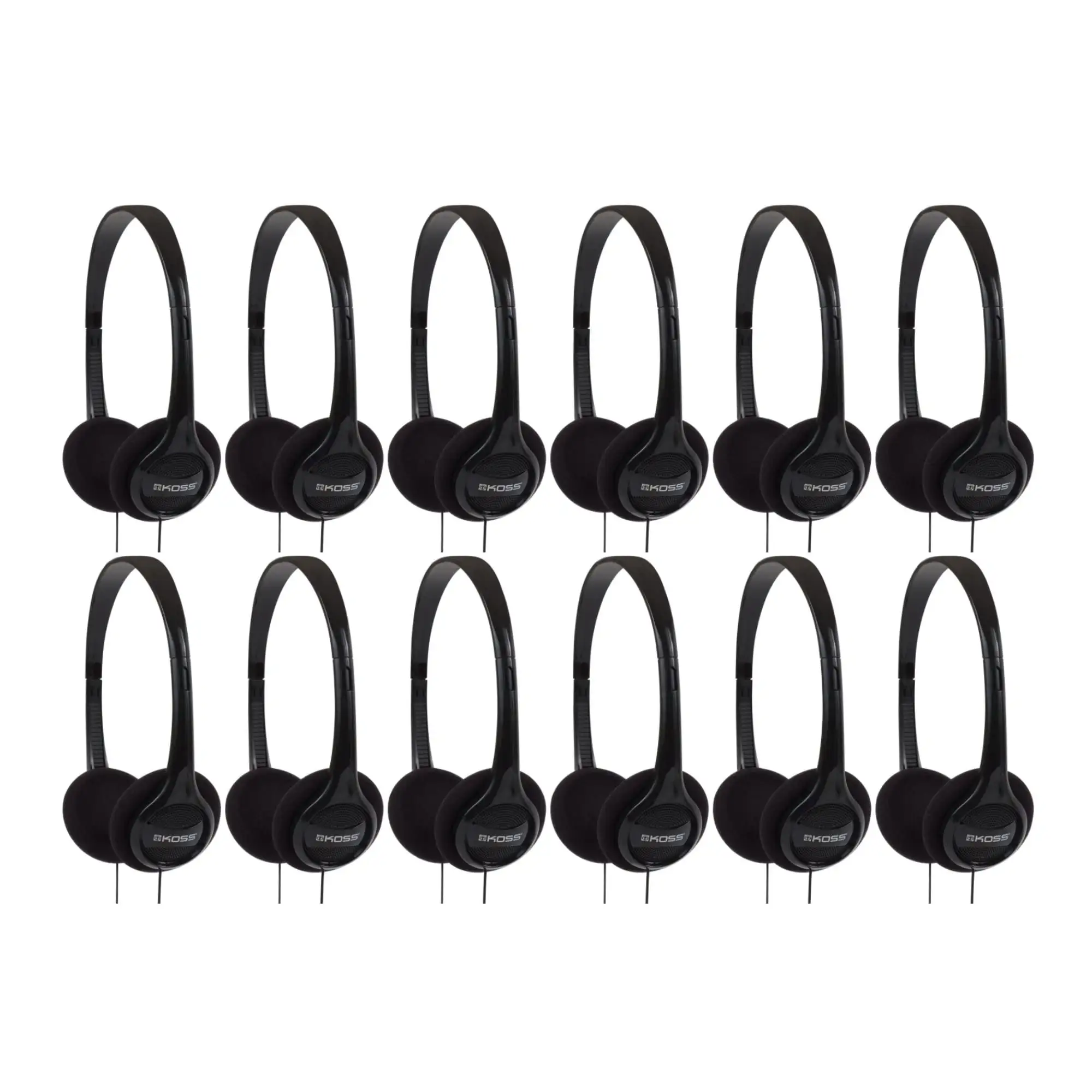
The wired KPH7 often sells for $5–$10 new, with eBay listings as low as $8.35 in bulk. Wireless versions hover around $25–$30. Bulk packs on Amazon (10 units) can drop per-unit costs to ~$5.40, making them attractive for institutions.
Resale value is minimal due to the low entry price, but community tips suggest buying in bulk for spares and taking advantage of Koss’s lifetime warranty for replacements.
FAQ
Q: Does the KPH7 have strong bass?
A: No. Multiple users report minimal bass and no sub-bass, aligning with its 80 Hz lower frequency spec. It’s better suited for podcasts and spoken word than bass-heavy music.
Q: Can these be driven by a smartphone without an amp?
A: Technically yes, but sensitivity is low (91 dB), so volume may be insufficient for some users without extra amplification, especially for music.
Q: Is the wireless version worth the extra cost?
A: It adds Bluetooth 5.0, 18+ hour battery life, and on-board controls. However, fit and sound limitations remain, so it’s worth it only if wireless convenience outweighs audio fidelity concerns.
Q: How durable are they for school or office use?
A: Reports suggest they can last months to years in controlled environments. Educators often buy in bulk, citing acceptable durability for the price.
Q: Do they isolate noise well?
A: No. Users consistently note minimal noise isolation, making them less ideal for loud public spaces.
Final Verdict: Buy if you’re a student, educator, or budget-conscious listener needing lightweight, disposable-style headphones for speech content or casual listening. Avoid if you demand strong bass, high isolation, or premium build. Pro tip from the community: buy in bulk to save and keep spares, and use Koss’s lifetime warranty when needed.