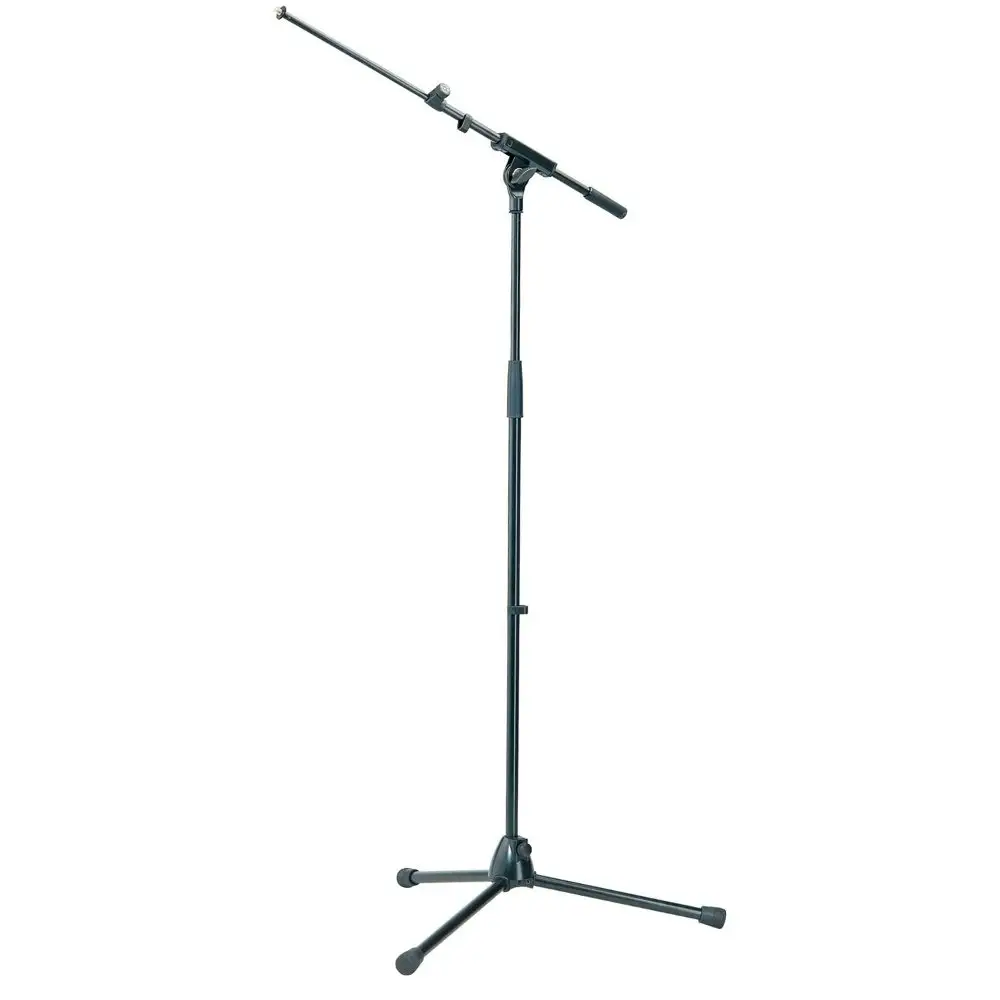
K&M Tripod Mic Stand Review: Durable Studio Choice
The first thing that stands out about the K&M Tripod Microphone Stand with Boom Arm is how often users call it “built like a tank.” Across multiple platforms, from Reddit to Sweetwater, buyers consistently praise its solid construction, professional feel, and precision engineering — earning it a community-backed score of 9.2/10 for stability and longevity. Yet, digging deeper into user reports reveals that while its premium build wins over studio engineers, session musicians, and live sound techs, touring performers sometimes run into hardware fatigue, especially with heavily used boom arm threads.
Quick Verdict: Conditional Yes — Ideal for users who need long-term studio or controlled environment durability, but heavy giggers should monitor wear on boom components.
| Pros | Cons |
|---|---|
| Extremely stable, heavy-duty construction | Boom thread wear with intense, frequent gig use |
| Smooth, easy adjustments with minimal effort | Some users report plastic parts loosening over time |
| Excellent for heavy and expensive microphones | Plastic knobs feel less durable than all-metal designs |
| Collapsible legs for portability | Requires extra clip adapters for certain setups |
| Versatile mic placement options | Weight may be excessive for frequent travel |
| Long-term durability in studio applications | Complaints about newer models not meeting older standards |
| Holds position without slipping | Higher price than budget alternatives |
Claims vs Reality
Marketing touts the K&M microphone stands as “maximum durability” solutions with “precision steel tubes” and “zinc die-cast bases” for stability. Official specs promise extended service life, even in professional settings, backed by a five-year warranty.
However, while many users confirm this in practice, others see a different picture when the stand is used for daily gigging. A Sweetwater buyer noted: “First of all, I gig a lot — 6-7 shows a week... the threading started to go on the boom after about 6 months... now the boom is holding by duct tape.” This contrasts sharply with the “years of service” promise.
Another disconnect lies in claims of "superior quality” parts. Some long-time K&M fans on Reddit have speculated that newer runs use cheaper components than older models, pointing to loose joints and screws that fall out during transport. One Trustpilot reviewer even asked bluntly: “Is this some new, cheaper version? Is K&M cutting costs?”
Yet for studio-bound users, the marketed durability holds up well. “I expect it to have at least three times the lifetime of the cheaper brand,” one Sweetwater customer said, offsetting the high cost with longer usage.
Cross-Platform Consensus
Universally Praised
One recurring theme across platforms is sheer stability. Musicians using heavy microphones — from large-diaphragm condensers to ribbon mics — cite the base weight and clamp strength as decisive advantages. A Sweetwater customer recounted using it to position a 7-pound Neumann KU 100 mannequin head mic without tipping: “The tripod base... allows the microphone to be positioned slightly either side of the balance point and the stand not tip over.”
Portability also earns kudos, especially for recording engineers traveling with compact rigs. “Fits in my carry-on roller bag along with microphones, audio capture devices, and cables,” noted another verified purchaser. The foldable leg mechanism and collapsible boom make it easy to transport despite the weight.
Studio versatility is another high point. From miking drums and guitar amps to specialized low-profile uses like cajón or hi-hat setups, owners appreciate the adaptability: “This stand can move just about any way imaginable and stays there — A+ in my book.”
Common Complaints
Hardware wear under heavy use is the top complaint. High-gig musicians on Reddit and Trustpilot reported stripped threads, wobbly booms, and loss of clamp tension after months of daily setup and breakdown. The legs, while sturdy at first, can lose firmness over time with rough handling.
Plastic components, though dense and high-grade, divide users who prefer all-metal builds. “Shaved off half a point because I like my gear to be all metal,” one Sweetwater review said. Others reported knobs cracking or loosening prematurely.
Accessory oversights also frustrated buyers. Multiple reviews warn that certain configurations require a 5/8" to 3/8" adapter which is not included. One user wrote: “Paid 5x the price of the adaptor for overnight shipping... my recording project is delayed another day.”
Divisive Features
Weight is both a blessing and a curse. In a studio, the heft guarantees stability for high-value mics. On the road, though, the same heft can make transport unwieldy. Some touring musicians opt for lighter, more disposable stands to avoid wear — even if they’re less stable.
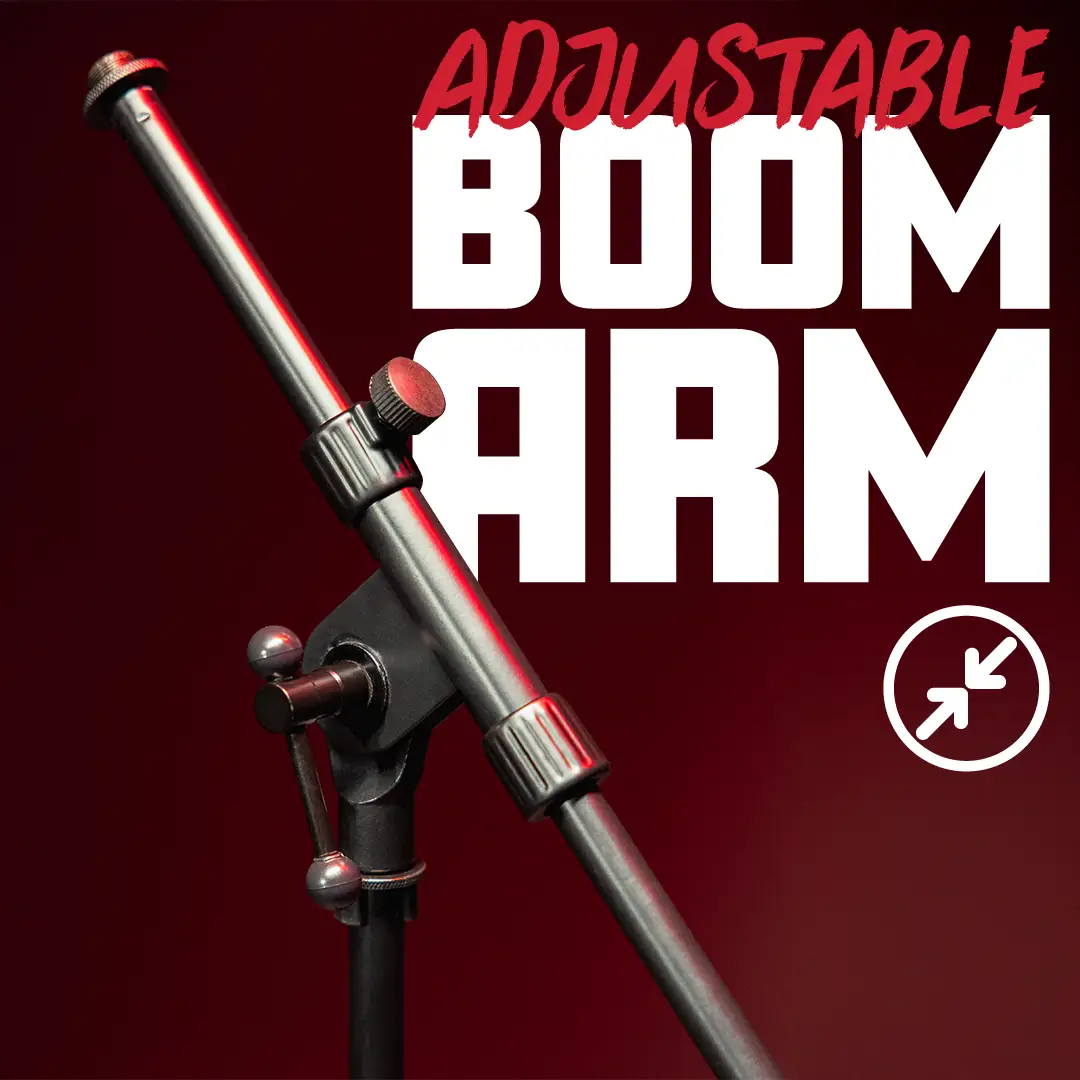
The telescoping boom earns praise for precise placement, yet users miking extremely heavy studio microphones have experienced rotational slipping. One pro engineer modified his by scraping the powder coat to increase grip, calling it “destructive but better than throwing away these not-for-studio stands.”
Trust & Reliability
The brand’s long history — over 70 years in stand production — lends natural trust, and many veteran users swear by K&M’s track record. One Reddit user noted: “Mine are 3 years old and get used daily in rehearsal rooms... replaced a clutch pad or two and one leg assembly, all under $10.”
Yet, newer complaints about falling screws and clamp slippage suggest possible changes in material sourcing or manufacturing. Several buyers outside the return window expressed frustration at dealing with US support through third-party music stores, which often have limited resolution power.
Longevity stories abound in well-maintained studio or controlled-use settings. “No wobbles anywhere... my cheaper stands need replacing, my K&M stands are barely showing wear,” said a Sweetwater customer, illustrating the payoff in stable environments.
Alternatives
When users discuss competitors, Atlas Sound’s round base stands emerge as the alternative for absolute longevity — “they’ll last 30-40 years” according to one Reddit live sound tech. DR Pro stands come up as more affordable heavy-duty options, handling abuse reasonably well but lacking K&M’s finish and precision joints.
On the low end, On-Stage tripod booms are common but widely criticized for stripping threads and falling apart under moderate use. Several users intentionally treat them as “consumables” rather than durable investments.
Price & Value
With current retail prices hovering between $75 and $102 depending on the model and boom type, the K&M Tripod Microphone Stand clearly sits in the premium tier. The community advice leans toward “buy once, cry once” — especially for expensive microphones — meaning a higher upfront cost saves frustration later.
Resale trends aren’t strong, with used models often selling at steep discounts despite lasting capability. This suggests buyers see value in keeping them indefinitely rather than re-selling.
Buying tips from seasoned engineers include checking model numbers carefully (e.g., 210/9 vs. 210/8) for preferred tightening mechanisms, and immediately purchasing required adapters to avoid session delays.
FAQ
Q: Can the K&M stand hold heavy mics securely?
A: Yes, in most cases. It easily supports large-diaphragm condensers and ribbon mics in vertical or angled positions. However, extremely heavy, horizontal applications may cause slow slipping over time.
Q: Is it portable enough for travel gigs?
A: Many users report it packs down small enough for carry-on luggage. Still, its weight can be taxing during frequent travel, making it more suitable for occasional transport than constant touring.
Q: Do I need extra accessories?
A: If using certain clip sizes, you may need a 5/8" to 3/8" adapter which is not included. Several buyers recommend ordering it alongside the stand to prevent delays.
Q: How does it compare to budget stands?
A: While budget stands may work short term, users note they often strip or fail within a year. K&M models generally last much longer if handled properly, justifying the higher price.
Q: Has K&M’s quality changed recently?
A: Some long-time users claim newer models feel less solid, citing loose joints and falling screws. This isn’t universal but is a noted concern among veteran buyers.
Final Verdict: Buy if you prioritize precision, stability, and long-term studio use — especially for valuable microphones. Avoid if you need ultra-light, disposable options for relentless gigging without maintenance. Pro tip from the community: invest in the sturdier 210/9 variant and pair it with the right adapters to maximize versatility from day one.