JBL Tune 510BT Review: Conditional Buy Verdict (8/10)
A single Best Buy reviewer summed up the appeal in plain language: “Great speakers for the price… and great battery life”—and that value-first theme shows up repeatedly across platforms. JBL Tune 510BT Wireless On-Ear Headphones (Black) land a clear verdict for budget shoppers who want loud, convenient Bluetooth on-ears, with some sharp caveats around fit pressure and bass expectations. Verdict: Conditional buy — 8/10.
Quick Verdict
Yes/No/Conditional: Conditional — strong value if you like on-ear clamp and JBL-style tuning; less ideal if you’re sensitive to pressure or chasing “brain-rattling” bass.
| What people focused on | What they liked (with sources) | What bothered some (with sources) |
|---|---|---|
| Value for money | Best Buy: “amazing value”; Sweetwater: “great price” | Some expectations set by marketing copy felt overstated (Sweetwater) |
| Sound | Sweetwater: “sound great… and loud!!”; Best Buy: “quality of sound is great” | Consumer Reports: bass can be “prominent and boomy” and mids “hazy” |
| Battery | Best Buy: “great battery life”; official claim: “up to 40h” | No direct user battery complaints in provided data |
| Comfort/fit | Sweetwater: “very comfortable to wear”; Best Buy: “comfortable” | Consumer Reports: “moderate pressure”; Best Buy: “a little tight fitting” |
| Pairing/connectivity | Best Buy: “easy to pair”; Sweetwater: “pair great” | No specific pairing failures in provided data |
| Portability | Best Buy: “compact when not in use”; official: foldable | On-ear design can still feel clampy for some |
Claims vs Reality
Marketing for the JBL Tune 510BT leans hard into a simple promise: “all bass, all day long,” plus “up to 40h battery life and speed charge (5 mins = 2 h),” and convenient switching with “multi-point connections.” Digging deeper into user feedback, two of those themes—battery/value and everyday convenience—show up as lived reality more often than not.
The bass claim is the one that gets interrogated most directly. On Sweetwater, Steven P. pushes back on the hype, writing: “the description states ‘a healthy dose of brain-rattling bass.’ it’s not there. they sound great just not the brain-rattling bass that is stated.” That’s a classic mismatch between copy and perception: the product can still “sound great,” but the particular promise of “brain-rattling” low end doesn’t land for everyone.
At the same time, another thread complicates that critique: not everyone hears the bass the same way. Trevor T. on Sweetwater says: “these things pair great and have the low end i desire,” while Consumer Reports describes bass as having “good impact and goes deep, but is somewhat prominent and boomy.” While marketing frames bass as a universally satisfying headline feature, the data suggests it’s more divisive—ranging from “where’s the bass?” to “boomy,” depending on listener expectations, seal, and fit.
Battery life claims look safer in the provided feedback. Best Buy reviewers repeatedly anchor their satisfaction in long endurance and fast charging as part of the value proposition, with one noting “great battery life… no issues so far after 6 months” and others emphasizing that “the charge lasts a very long time.” While these aren’t lab-measured confirmations of “40 hours,” they align with the core promise: fewer interruptions for commuters, students, and gift recipients who don’t want to think about charging every day.
Cross-Platform Consensus
Universally Praised
“Great speakers for the price” is the refrain that keeps resurfacing, and it’s not limited to one platform. On Sweetwater, DJ D. frames the experience with enthusiasm: “great price!!! sound great!!! and loud!!!” For budget-focused listeners—students, first-time wireless buyers, or anyone grabbing a second pair for the gym—this kind of feedback suggests the 510BT hits a sweet spot where “good enough” turns into “surprisingly satisfying,” especially when volume and punch matter more than studio neutrality.
Gift-giving is another recurring pattern that reveals how approachable the JBL Tune 510BT feels in real life. Wade on Sweetwater says: “i bought these for my daughter for her birthday & she absolutely loves them!!” Best Buy echoes that theme with a similar scenario: “got these as a gift and she loved them,” and another reviewer adds: “very good sound. my daughter loves them a lot uses them every day!” For parents and relatives, that translates into a low-risk buy: simple pairing, mainstream sound, and a design that’s easy to wear and toss in a bag.
Connectivity and ease-of-use also earn consistent approval in the snippets we have. A Best Buy reviewer praises the basics that matter day-to-day: “lite weight, comfortable, easy to pair and compact when not in use.” Sweetwater’s Trevor T. reinforces pairing reliability with: “these things pair great.” For people hopping between a phone and a laptop in a school day or workday, that frictionless “it just connects” experience can matter more than audiophile-grade detail.
After those stories, the praise clusters into a few clear themes:
- Strong perceived value at sale pricing (Best Buy, Sweetwater)
- Satisfying loudness and mainstream sound signature (Sweetwater, Best Buy)
- Easy pairing and everyday convenience (Best Buy, Sweetwater)
- Gift-friendly “works out of the box” experience (Best Buy, Sweetwater)
Common Complaints
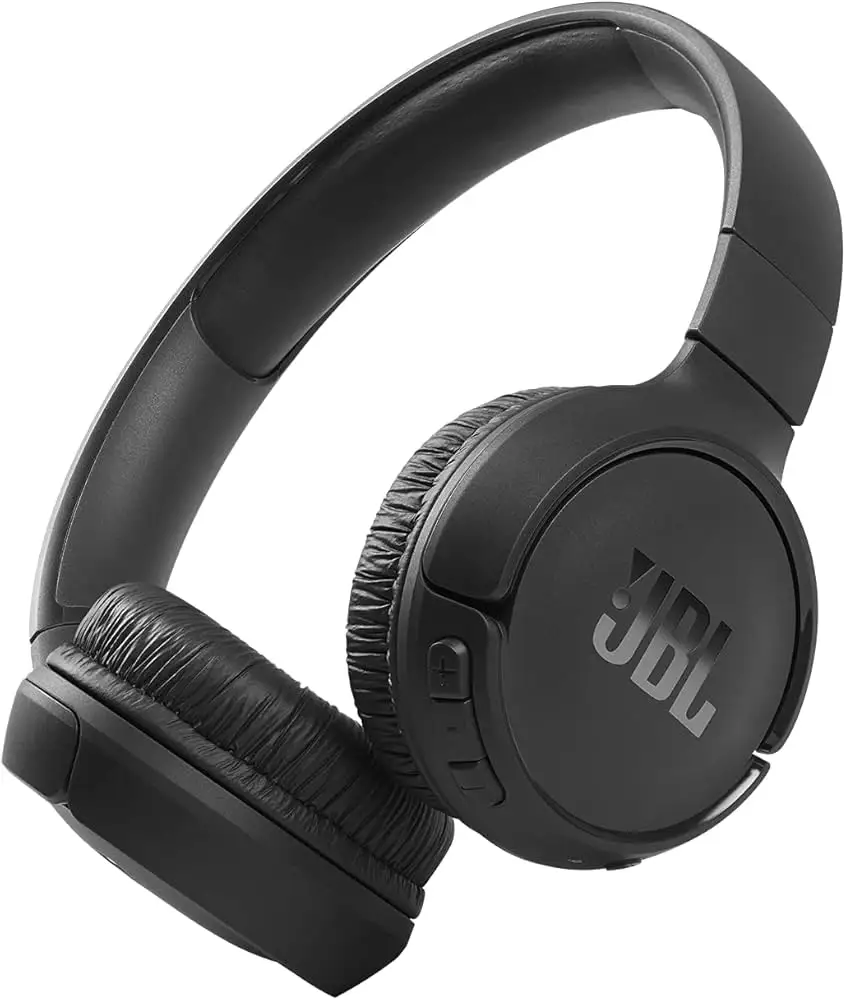
The biggest consistent drawback isn’t a dramatic failure—it’s wear comfort, especially the realities of on-ear pressure. Consumer Reports is blunt about physical feel, stating: “we found that these headphones produce a sense of moderate pressure on the ears,” and warning that “as typical of on-ear models the ear pads might feel hot and/or sticky after prolonged use.” That kind of pressure becomes a real-life issue for office workers in long meetings or students wearing them through study sessions: comfort stops being a “nice to have” and becomes the deciding factor.
Best Buy users mirror the same friction from a more casual perspective. One reviewer calls the sound “good” but flags fit: “good sound quality but a little tight fitting. if the ear covers were bigger it would be better.” For larger heads, Consumer Reports goes further, suggesting the headband may not adjust enough and could press uncomfortably, potentially affecting the ear pad seal and even “affect the tonal balance.” That’s an important chain reaction: fit doesn’t just change comfort—it can change the way bass and clarity are perceived, which helps explain why bass impressions vary.
There’s also an undercurrent of “expectation management” around bass marketing. Sweetwater’s Steven P. isn’t saying the headphones are bad—he’s disputing the headline promise: “they sound great just not the brain-rattling bass that is stated.” For bass-head buyers arriving specifically because “Pure Bass” is splashed across listings, that gap can feel like disappointment even if the overall tuning is enjoyable.
Key complaint patterns, grounded in the provided feedback:
- On-ear clamp/pressure can be fatiguing (Consumer Reports; Best Buy)
- Ear pad size and heat can bother long-session listeners (Consumer Reports; Best Buy)
- Bass promise can feel overstated to some listeners (Sweetwater)
Divisive Features
Bass is the dividing line that keeps resurfacing. On one side, Sweetwater has listeners who get what they came for: Trevor T. says the headphones have “the low end i desire.” Consumer Reports also frames bass as substantial—“good impact and goes deep”—even if it calls it “prominent and boomy,” which can be a positive for pop/EDM fans and a negative for people who want cleaner mids.
On the other side, Steven P. on Sweetwater challenges the very premise of the product description: “where’s the bass?” followed by “it’s not there” in reference to “brain-rattling bass.” This split matters because it suggests the experience may depend on listener preference, fit/seal, and what “bass” means to the buyer—deep extension, mid-bass punch, or sheer quantity.
Comfort is similarly split. Sweetwater’s Randy M. says: “they are very comfortable to wear,” while Consumer Reports emphasizes “moderate pressure” and Best Buy mentions “a little tight fitting.” For shorter daily sessions—commutes, workouts, quick calls—the clamp might be fine or even stabilizing. For long, continuous wear, the same pressure can become the product’s biggest downside.
Trust & Reliability
A recurring credibility check appears when marketing language meets real ears. Sweetwater’s Steven P. directly challenges the “brain-rattling bass” framing, saying: “it’s not there,” even while conceding “they sound great.” That kind of correction doesn’t suggest a scam—but it does suggest that certain descriptions can inflate expectations, especially for buyers making a quick decision off a product page.
For longer-term reliability, the clearest durability-adjacent data point in the provided sources comes from a Best Buy review that mentions sustained use: “no issues so far after 6 months.” That’s not a multi-year durability claim, but it’s the kind of timeframe that matters to students and everyday users who want reassurance the hinges, buttons, and battery won’t immediately degrade.
There’s also a soft trust signal in repeat purchasing. Sweetwater’s Randall M. describes liking a first pair enough to buy another: “loved the first pair… that i immediately bought this second pair.” While not a durability guarantee, repeat buys often imply the product meets expectations for sound and everyday function at its price.
Alternatives
Only one direct competitor reference appears in the provided user data: Beats. A Best Buy reviewer draws a value comparison that frames the JBL Tune 510BT as a budget substitute: “comparable to my beats but at a much better price.” For buyers deciding between brand cachet and cost, that line reads like a practical endorsement: you may not be paying for premium branding, but you can still get satisfying sound and a comfortable-enough fit (for some) without stretching your budget.
This comparison also hints at who should consider the JBL: someone who likes mainstream tuning and wants a simple wireless on-ear that’s “easy to connect,” rather than chasing niche audiophile detail. The tradeoff, based on other feedback, is that comfort and bass character can be more personal than universal.
Price & Value
Pricing shows up as part of the story even when users don’t cite exact numbers. Sweetwater reviewers repeatedly celebrate the bargain angle—DJ D. says: “great price!!!” and Randall M. argues: “at this price point, you won’t find a better set of headphones.” Best Buy reviewers reinforce that framing with “amazing value” and “great for the price,” suggesting many purchases happen during discounts rather than at full MSRP.
Market listings in the provided data also show the headphones circulating widely at reduced prices, including refurbished deals on eBay (“certified-refurbished” listings at low prices). For budget shoppers, that can expand access—but it also makes “buying channel” part of value: official retailers may cost more yet feel safer, while refurbished bargains can be tempting for a backup pair.
Buying tips implied by the feedback:
- If you’re buying for kids or as a gift, prioritize “easy to pair” and “compact” convenience (Best Buy; Sweetwater Wade).
- If you’re sensitive to clamp pressure, be cautious with on-ear fit expectations even if sound/value are praised (Consumer Reports; Best Buy).
- If “Pure Bass” is the main reason you’re buying, calibrate expectations—some listeners love the low end, others say the hype is overstated (Sweetwater; Consumer Reports).
FAQ
Q: Are the JBL Tune 510BT actually bass-heavy?
A: It depends on the listener and fit. Sweetwater reviewer Steven P. said the promised “brain-rattling bass… it’s not there,” while another Sweetwater reviewer, Trevor T., wrote the headphones have “the low end I desire.” Consumer Reports also found bass “good impact” but “prominent and boomy.”
Q: Are they comfortable for long sessions?
A: Comfort varies, and long sessions may be harder for some. Consumer Reports found a “sense of moderate pressure” and noted on-ear pads can feel “hot and/or sticky after prolonged use.” A Best Buy reviewer described them as “a little tight fitting,” though Sweetwater’s Randy M. called them “very comfortable to wear.”
Q: How is battery life in real use?
A: Battery feedback is broadly positive in the provided reviews. Best Buy users highlight “great battery life” and say “the charge lasts a very long time,” including one person reporting “no issues so far after 6 months.” Official product pages claim “up to 40h” and quick-charge “5 mins = 2 h.”
Q: Are they easy to pair and use day-to-day?
A: The day-to-day setup appears straightforward in user snippets. A Best Buy reviewer praised them as “easy to pair,” and Sweetwater’s Trevor T. said they “pair great.” For students and commuters, that suggests fewer Bluetooth headaches and a simple grab-and-go workflow.
Q: Are they good for calls and meetings?
A: Some users explicitly like them for calls. A Best Buy reviewer noted they are “good for attending office and personal calls and meetings,” aligning with the product’s built-in microphone and on-ear controls described in official specs. There aren’t detailed call-quality complaints in the provided data.
Final Verdict
Buy the JBL Tune 510BT if you’re a budget-minded commuter, student, or gift-buyer who wants loud, easy Bluetooth listening and keeps sessions moderate—because reviewers repeatedly call out “great price,” “easy to pair,” and “great battery life.” Avoid if you’re sensitive to on-ear clamp pressure or you’re buying purely for “brain-rattling bass,” since one Sweetwater reviewer flatly said “it’s not there,” and Consumer Reports warns about “moderate pressure” over time. Pro tip from the community: shop it as a value play—Best Buy users repeatedly frame it as “amazing value,” and one even calls it “comparable to my beats but at a much better price.”