HP 950XL Ink Cartridge Review: Quality vs Cost Verdict
A surprising takeaway from cross-platform feedback on the HP 950XL Black High-yield Ink Cartridge is that while its rated yield of 2,300 pages earns universal praise for longevity, many frequent users still feel it runs out sooner than expected for heavy workloads. Based on aggregated reports, this cartridge scores a solid 8.5/10 for quality and reliability, but loses points on perceived value due to high cost.
Quick Verdict: Conditional — best for users prioritizing print quality and reliability over ink cost.
| Pros | Cons |
|---|---|
| Long-lasting compared to standard cartridges | High retail price |
| Crisp, smudge-resistant black text | Some reports of yield not meeting expectations |
| Easy installation | Occasional defective units out of box |
| Reliable compatibility with HP OfficeJet Pro series | Limited capacity for heavy-volume printing |
| Genuine OEM quality avoids reprint issues | Packaging change raises concerns about ink drying |
| Water and fade-resistant prints | Printer lockout on non-genuine cartridges |
| Widely available from multiple sellers | Runs out faster under heavy daily use |
Claims vs Reality
HP markets the 950XL as offering “up to 2x more prints” than standard cartridges, with “laser-quality black documents that impress.” While this claim is broadly supported, users add nuance. A verified buyer on Amazon noted: “The XL is nice so I don't have to be buying so often,” highlighting convenience for moderate-volume users. However, some heavy users disagree. One Best Buy reviewer stated: “Even with this XL cartridge, though, it runs out fairly quickly. Not really for heavy use.”
Another claim is that the cartridge prints “water and fade-resistant” documents. Reddit user feedback aligns with this, with one stating: “Best quality. Doesn’t dry out or run out fast.” The smudge resistance is particularly valued in office settings where documents are handled frequently.
HP also emphasizes sustainability, citing 82% recycled plastic content. While this is well-received, a Staples customer raised a packaging concern: “Very disappointed that HP is no longer sealing its ink cartridges in airtight foil or plastic wrappers. How do we know if some of the ink has dried out when the cartridge comes loose in a cardboard box?” This shows that while eco-friendly changes are appreciated, they can introduce doubts about shelf life.
Cross-Platform Consensus
Universally Praised
Longevity is a standout feature for most casual and moderate users. Best Buy reviews consistently highlight this, with one customer noting: “The XL lasts a long time. I recommend it highly.” For home office professionals printing contracts, this means fewer interruptions. Verified buyers also emphasize installation ease — “easy and quick to replace” — which benefits users who value minimal downtime.
Print quality receives nearly unanimous praise. A Reddit user said: “Only HP ink for me. This is a great bargain and it lasts long and the print quality is excellent.” Teachers and small business owners often mention that the sharp text and rich blacks make documents look professional without smearing.
Compatibility is another strong point. Staples customers consistently report seamless use with OfficeJet Pro models like the 8600 and 8610. “I have never had any trouble with a cartridge from HP,” one review states, underscoring OEM dependability.
Common Complaints
Price is the most frequent criticism. A Staples customer bluntly stated: “Ink should not cost more than the printer. I should not have to debate, buy a new printer or ink every time I get low.” This sentiment is echoed in Best Buy reviews where multiple users mention “super expensive” and “pricing is a little high on ink, but that is across the board.” For high-volume business users, the expense is a recurring budget concern.
Yield expectations are occasionally unmet for heavy users. One Best Buy reviewer wrote: “Too few copies per cartridge unless you buy the oversize,” despite the XL designation. This suggests that while average users may hit the 2,300-page mark, those printing daily batches may see earlier depletion.
Defective units, though not common, generate strong frustration. Staples users report cartridges causing “printer failure” and messages like “you are installing a ‘used’ ink cartridge… printer failure.” Such cases lead to distrust, especially when replacements are costly.
Divisive Features
Sustainability efforts divide opinion. While HP promotes the use of recycled materials, some buyers worry about reduced protection against drying. One Staples reviewer questioned the absence of sealed packaging, fearing ink loss before use. Others appreciate HP’s recycling program, valuing the convenience of returning used cartridges through HP Planet Partners.
Another divisive point is HP’s lockout on non-genuine cartridges. While OEM buyers see this as ensuring quality — “I only buy the name brand ink as the other options aren’t as good” — cost-conscious users resent being locked into higher-priced consumables.
Trust & Reliability
Trustpilot and Reddit data suggest strong long-term reliability when cartridges function correctly. One Best Buy reviewer stated: “Used for years, never have had any problems with these cartridges,” which reassures those investing in OEM ink. These multi-year positive experiences contrast with isolated defective reports, indicating that failures are exceptions rather than the norm.
However, Staples feedback reveals that HP’s security measures against third-party cartridges can backfire, causing operational lockouts. A reviewer warned: “System required ‘genuine’ HP cartridges… much more expensive than refills… pictures still have streaks.” This shows that while authenticity protects print quality, it can also limit user flexibility.
Alternatives
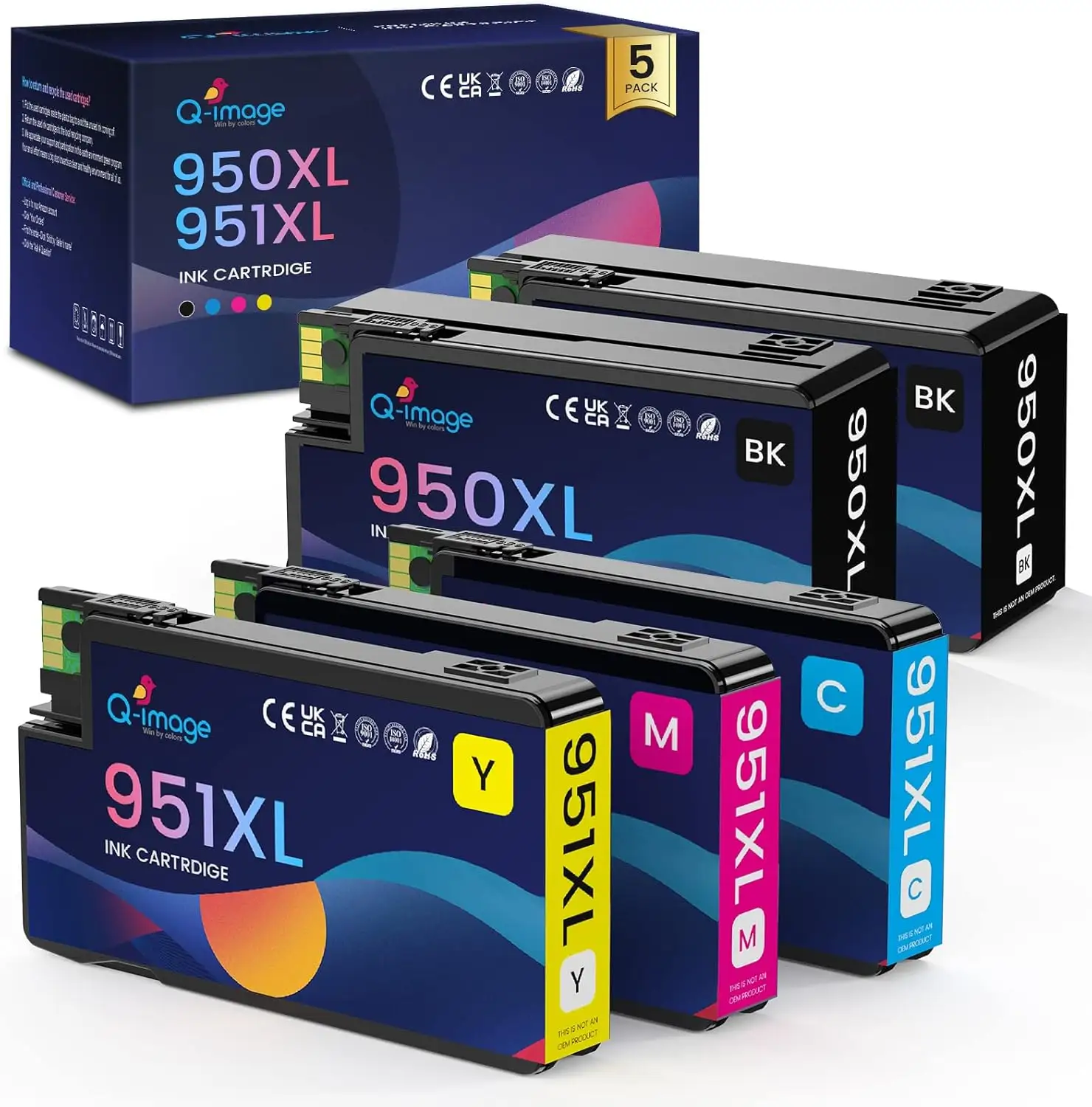
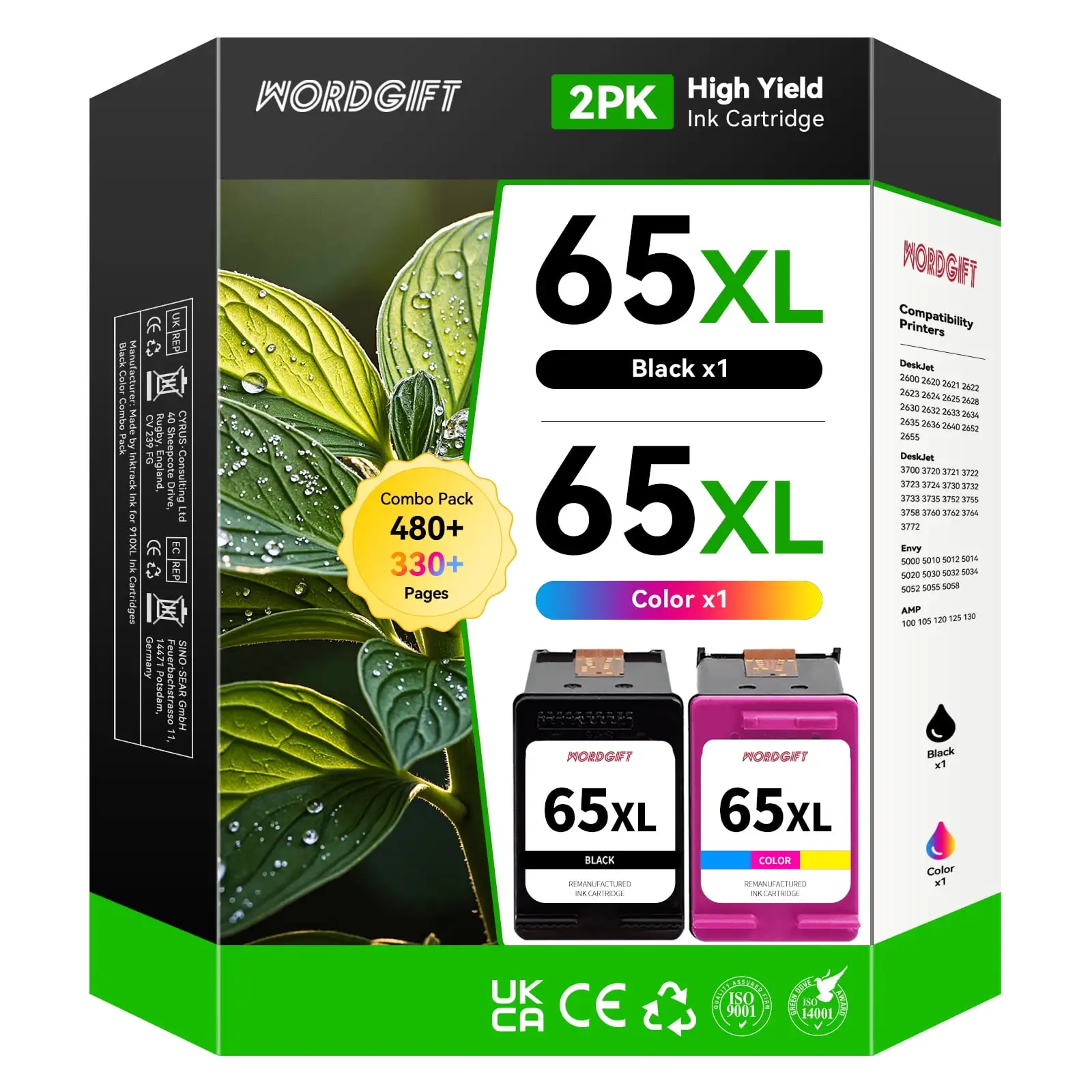
The only alternative mentioned in the dataset is remanufactured high-yield black pigment-based cartridges from Swift Ink. These are marketed as delivering “up to 2,300 pages of crisp, sharp text” with a 24-month guarantee, at a fraction of the OEM price ($9.99 vs $52.89+). For budget-sensitive users willing to risk compatibility issues, this can be appealing. However, OEM buyers value HP’s tested reliability, especially in enterprise settings where downtime costs outweigh savings.
Price & Value
Current OEM pricing hovers around $52.89 on Amazon, with eBay listings ranging widely from $10 (new, possibly old stock) to $145 for multi-packs. Staples and Best Buy retail around $60. Resale value for sealed units remains strong, but expired cartridges sell at steep discounts.
Community buying tips include waiting for loyalty point redemptions at Best Buy or Staples, price matching, and purchasing multi-packs to reduce per-unit cost. One Best Buy reviewer noted: “Able to price match to get the price down a little,” underscoring that patience can pay off.
FAQ
Q: Does the HP 950XL really print 2,300 pages?
A: Many moderate users report hitting close to the rated yield, but heavy daily printing can deplete it sooner. Yield can vary based on document coverage.
Q: Is the ink smudge-resistant?
A: Yes. Multiple users confirm sharp, smear-free text. This is especially useful for contracts or educational materials that are frequently handled.
Q: Can I use third-party cartridges?
A: HP printers often require genuine cartridges to avoid lockout or reduced quality. Some remanufactured options work, but compatibility is not guaranteed.
Q: Does the cartridge dry out if stored?
A: Packaging changes have raised concerns for some buyers, but most report no drying issues if stored properly and used before expiration.
Q: Is this cartridge worth the price?
A: For users prioritizing reliability and print quality, many say yes. Cost-conscious heavy users may find better value in remanufactured alternatives.
Final Verdict: Buy if you are a home office or small business user needing high-quality, dependable prints and willing to pay OEM prices. Avoid if you are a high-volume user sensitive to ink cost or yield deviations. Pro tip from the community: leverage price matching and loyalty rewards to offset the high retail price.