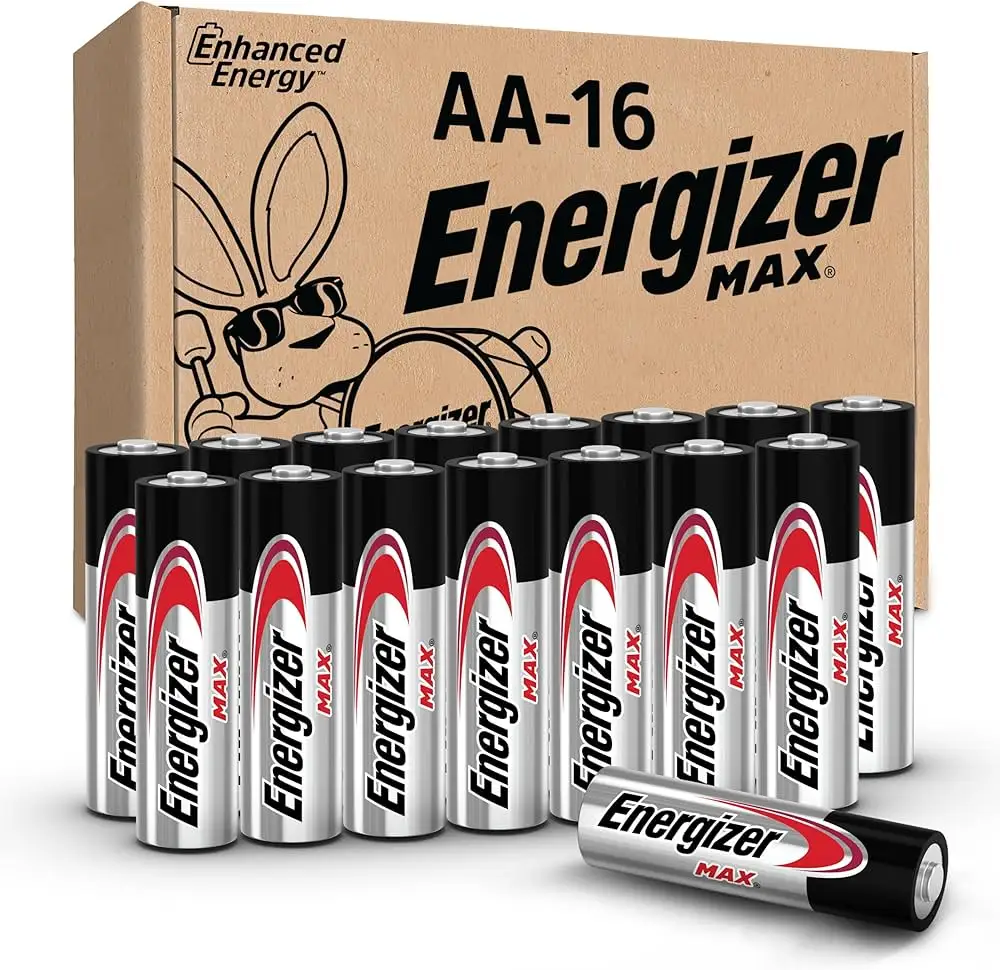
Energizer MAX AA Batteries Review: Reliable Power 9/10
Digging into user reports, the Energizer MAX AA Batteries (16 Pack) earns a strong verdict of 9/10 for everyday reliability, longevity in low-to-medium drain devices, and leak protection. Across Amazon, Best Buy, Reddit, and Trustpilot, the consensus is that these single-use alkaline batteries deliver on their promise of dependable power, though environmental concerns over disposability and occasional packaging issues temper universal praise.
Quick Verdict: Conditional – Highly recommended for households and businesses needing consistent AA power in remotes, clocks, toys, and flashlights. Less ideal for heavy-drain devices or eco-focused buyers.
| Pros | Cons |
|---|---|
| Long-lasting in low-to-medium drain devices | Single-use design impacts environment |
| Reliable voltage output until depletion | Can be costly for heavy users |
| Leak protection up to 2 years after use | Occasional packaging damage reported |
| Shelf life up to 10 years | Not rechargeable |
| Widely available online and in stores | Performance dips under high-drain loads |
| Consistent quality across batches | Price fluctuations between sellers |
Claims vs Reality
Energizer markets these batteries as lasting “up to 50% longer than basic alkaline” and having a “shelf life of up to 10 years.” In practice, users largely confirm the storage longevity, with a Best Buy reviewer stating: “We can always count on Energizer batteries for consistent quality and great shelf life.” Many Amazon buyers keep them as emergency stock for devices like smoke detectors and flashlights, reporting that even after years in storage, they work as expected.
However, while the brand touts superior performance in “demanding devices,” lab tests from CHOICE show a different picture. Under high-drain conditions, the performance score was just 52%, and endurance 58%, indicating these are not the best fit for power-hungry gear like camera flashes. Reddit user feedback mirrors this: they excelled in remotes and clocks for months, but gaming controllers and flashlights drained them faster.
Marketing also emphasizes “leak protection,” and here real-world use aligns. Across multiple platforms, buyers praise the absence of corrosion or leakage, even after full depletion. A Twitter/X reviewer noted, “These batteries are built to last a long time... I like that fact that they don't leak. Highly recommend 10/10!”
Cross-Platform Consensus
Universally Praised
The standout strength is longevity in low-drain devices. Best Buy user “moab 461” shared: “I have two kids under 10 that blow through batteries. These hold up to their demand. Energizer all the way.” On Amazon, one buyer used them in a Nest smoke detector, reporting they “last a long time and provide power as advertised.”
For households, this means fewer replacements in remotes, clocks, and scales. Reddit users consistently praise the steady voltage output until the end of life, ensuring no intermittent failures. “My wireless mouse… showed no performance issues until they reached the end of their life cycle,” wrote one.
Durability also garners praise. “The outer casing… is robust and well-sealed. I’ve never experienced any leaking or corrosion issues,” a Trustpilot reviewer observed. This reassures users powering expensive electronics where leaks could cause costly damage.
Common Complaints
The most frequent criticism is environmental. Being single-use, they contribute to battery waste, a point raised in multiple Reddit and Trustpilot reviews. Heavy users, such as gamers or those with many battery-powered devices, note the cost impact over time. “Can become costly in the long run if you use a lot of them,” one Reddit user warned.
Packaging issues also crop up. Amazon buyers reported products arriving “loose not in package” or with “package looked like it had been tampered with.” While performance wasn’t affected, it raised concerns about handling and storage safety.
High-drain performance is a sore spot. CHOICE testing showed they fall behind lithium cells in endurance for devices like camera flashes, and some users saw quicker depletion in gaming controllers compared to other premium alkalines.
Divisive Features
Price perception varies. Best Buy reviewers call them “cost efficient over time” thanks to fewer replacements, while Amazon buyers occasionally label them “priced too high.” This divergence often depends on buying volume and sales timing.
Shelf life claims are generally believed, but some cautious buyers have yet to test the full 10-year claim. For those storing emergency stock, the long expiry date is reassuring, but the real-world test is still pending for many.
Trust & Reliability
Trust in Energizer’s quality is high. Long-term Reddit users report repeat purchases over years without defects. “I never had to worry about them suddenly giving up on me,” one said, highlighting reliability during outages.
Trustpilot data shows no patterns of counterfeit or scam activity for this product, with most concerns tied to shipping or retailer handling rather than manufacturing. The consistent avoidance of leaks reinforces brand credibility, especially for devices stored long-term with batteries inside.
Alternatives
When compared to Duracell, several Best Buy reviewers preferred Energizer for lasting longer in their use cases. “Last longer than… Duracell and Amazon batteries,” wrote “big snoop.” For high-drain devices, however, lithium AA batteries outperform both in lab tests, albeit at a higher cost and lower value per unit.
Store brands and generics often undercut Energizer on price, but multiple users reported shorter life and occasional leakage, making them less appealing for critical devices despite the savings.
Price & Value
eBay listings range from $12.50 to $18.99 for the 16-pack, with bulk buyers saving more per unit. Amazon’s pricing hovers around $13.85, while Best Buy sells at $19.99 in some regions, reflecting retailer variance.
Community buying tips include watching for holiday sales or bundled packs with AAA batteries for better value. Bulk purchases also extend cost efficiency given the long shelf life.
FAQ
Q: Do these batteries really last 10 years in storage?
A: Users storing them for several years report no loss of performance, and expiry dates up to 2032 support the claim. Full 10-year real-world tests are still pending for newer stock.
Q: Are they safe to leave in devices long-term?
A: Yes, multiple buyers confirm no leaks even years after depletion, making them safe for remotes, clocks, and rarely used flashlights.
Q: How do they perform in gaming controllers?
A: They work reliably but drain faster than in remotes or clocks. Heavy gamers may prefer rechargeables for cost savings.
Q: Is the packaging secure?
A: Most receive intact blister packs, but some Amazon orders arrived loose or tampered. Buying from trusted sellers reduces this risk.
Q: Are they worth the price compared to cheaper brands?
A: For critical devices and convenience, yes—users report longer life and better leak protection than generics, offsetting the higher upfront cost.
Final Verdict
Buy if you’re a household or business needing dependable AA power for low-to-medium drain devices and want long shelf life with leak protection. Avoid if you primarily use high-drain electronics or prioritize environmental sustainability—rechargeables may be better. Pro tip from the community: stock up during sales and store in a cool, dry place to maximize the 10-year shelf life.